Find the Best Drain Field Repair Companies for Your Business
No obligation • Fast responses • Nationwide coverage

Why you can trust Septic Spot
Septic Spot is a leading United States resource for understanding and comparing septic services. Our editors review providers using consistent criteria and verify key business details. Listings and scores are independent, and companies cannot pay to influence our content.
Search providers near you
Top Drain Field Repair Companies in Pinellas Park, Florida Ranked
A failing drain field is a serious issue for any home with a septic system, leading to soggy yards, foul odors, and potential environmental contamination. In Pinellas Park, addressing these problems is governed by specific Florida regulations designed to protect our high groundwater and unique sandy soil. This guide explains the local process for leach field repair and replacement, helping you understand the steps, costs, and critical regulations so you can make informed decisions about your septic system.
Quality Septic Inc.
100 Ashley Dr S suite 619, Tampa, FL 33602
Quality Septic Inc. provides a full range of septic services in Tampa, FL, including septic tank pumping, inspections, repairs, and installations. Serving Tampa and surrounding communities such as Brandon, Riverview, and Clearwater, they handle residential and commercial septic systems with expertise. Their capabilities include drain field repair and replacement, lift station installation and repair, and custom-engineered septic system installations based on thorough property assessments. Established in 1994, Quality Septic has over 25 years of experience in the industry.
Quality Septic Inc.
1811 M Rd, Brandon, FL 33511
Quality Septic Inc. is a family-owned septic service provider based in Tampa, FL, serving Brandon and the surrounding Tampa Bay area. Since 1994, they have offered a full range of septic services including tank pumping, system inspections, repairs, and new installations. Their expertise covers drain field repair and installation, lift station pump services, and custom-engineered septic systems tailored to property needs. Quality Septic emphasizes thorough property assessments and adherence to Florida state building codes in their installations. They serve multiple communities including Valrico, Seffner, Riverview, and more, ensuring comprehensive septic solutions across the region.
Tampa Septic
Tampa, FL
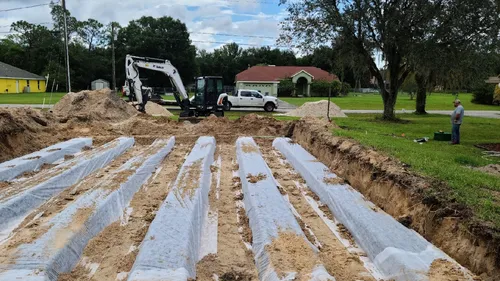
Tampa Septic is a septic service provider based in Tampa, FL, offering a comprehensive range of septic system solutions. Their services include septic tank pumping, inspections, repairs, installations, drain field maintenance and replacement, septic pump repair, and lift station services. They also provide nitrogen-reducing septic systems for environmentally conscious customers and conduct real estate septic inspections. With over 30 years of experience, Tampa Septic serves both residential and commercial clients in Tampa and the surrounding Tampa Bay area, including Hillsborough, Pasco, Hernando, Citrus, and Pinellas counties. The company is a member of the Florida Onsite Wastewater Association and holds an A+ rating from the BBB.
Septic Blue of Tampa
249 S 78th St Suite A, Tampa, FL 33619
Septic Blue of Tampa is a septic service provider located in Tampa, FL. They offer a range of services including septic tank pumping, inspection, repair, installation, and drain field repair or replacement. Their team uses advanced equipment and personalized approaches to maintain and restore septic systems while emphasizing environmental sustainability. The company also educates clients on proper septic care to help prevent future issues. Septic Blue of Tampa is locally owned and committed to transparent pricing and professional integrity.
Quality Septic Inc
112 Myrtle Ridge Rd Suite B, Lutz, FL 33549
Quality Septic Inc is a family-owned septic service provider based in Tampa, FL, serving Lutz and the greater Tampa Bay area. Since 1994, they have offered a full range of septic services including tank pumping, system inspections, repairs, and installations. Their expertise covers septic tank and drain field repair, lift station installation and maintenance, and custom-engineered septic system solutions tailored to property needs. Quality Septic also emphasizes thorough property assessments such as soil analysis and land grading to ensure proper system installation and function. The company serves a broad area including Lutz, Auburndale, Bartow, Brandon, Lakeland, and other nearby communities. They are accredited by the BBB since 2004 and maintain an A+ rating. Quality Septic provides both routine maintenance and emergency septic services, supporting residential and commercial clients with experienced technicians and a commitment to respectful, fair service.
Understanding Your Drain Field in Pinellas Park
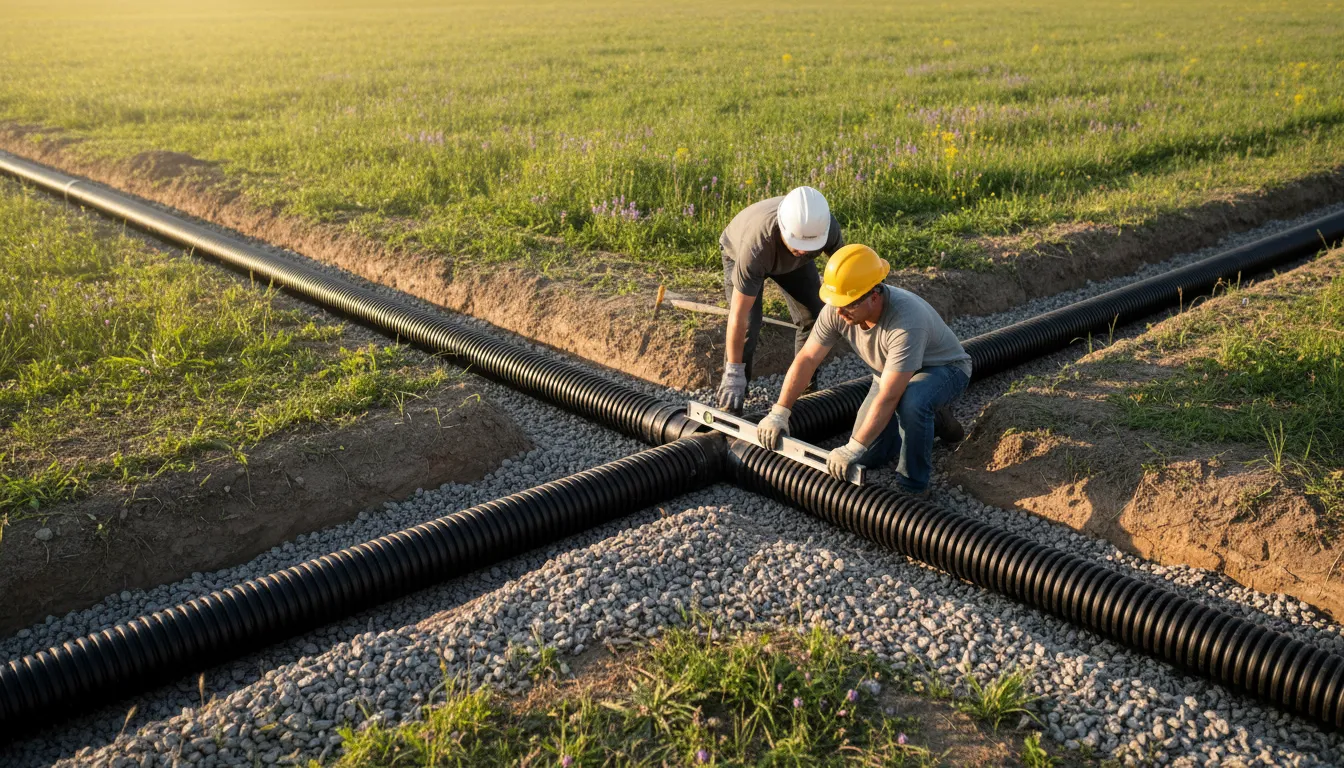
The drain field, also known as a leach field or absorption field, is the final and most critical stage of your onsite sewage treatment and disposal system (OSTDS). After solids settle in the septic tank, liquid effluent flows into a network of perforated pipes buried in trenches. This effluent slowly percolates through the soil, where natural processes provide final treatment before it rejoins the groundwater.
In Pinellas Park, this process is challenged by the region's environmental conditions. The area features a high seasonal water table and predominantly sandy soils 1. While sandy soil drains quickly, it provides less natural filtration than clay-rich soils. More importantly, Florida law requires a minimum of 24 inches of vertical separation between the bottom of the drain field trenches and the seasonal high water table. In many parts of Pinellas Park, the groundwater is too shallow to meet this requirement with a conventional, in-ground system. This often necessitates engineered solutions like mounded or filled systems, which are built above the natural grade to create the necessary separation.
Signs You Need Drain Field Service
Recognizing early warning signs can prevent a complete system failure and more costly repairs. Look for these indicators:
- Soggy Ground or Standing Water: Persistent wet spots, lush green grass, or sewage odors in the yard, especially over the drain field area.
- Slow Drains and Backups: Gurgling pipes, slow-draining sinks and toilets, or sewage backups inside the home.
- Nitrate Contamination: Test results from your well water showing elevated nitrate levels, which can indicate a failing system is contaminating groundwater.
- Failed Inspection: A routine septic inspection that identifies hydraulic failure, surfacing effluent, or biomat clogging in the leach field.
If you notice any of these signs, it's crucial to contact a licensed septic contractor for an evaluation. Ignoring the problem will not make it go away and can lead to environmental health hazards and costly fines.
The Pinellas Park Repair & Replacement Process
Addressing a failed leach field is not a simple DIY project. It is a regulated process that requires permits, professional installation, and government inspections to ensure public and environmental health.
Step 1: Site Evaluation and System Design
A licensed contractor or professional engineer must first perform a thorough site evaluation. This includes conducting soil tests and determining the precise level of the seasonal high water table. The findings from this evaluation dictate the type of system that can be installed. For many homes in Pinellas Park, a standard gravity-fed trench system may not be feasible, and an engineered mound system or other advanced treatment system may be required.
Step 2: Obtaining the Required Permit
All new drain field installations and major repairs in Pinellas County require a construction permit from the Florida Department of Health in Pinellas County 2 3. Your contractor will submit an application (typically using State Form DH4015) along with a detailed site plan and the design specifications for the proposed system 4. It's important to note that if your existing system was installed before 1995, it likely does not meet the current 24-inch separation code. A failure now means the entire system must be upgraded to current standards, which may require a larger drain field or a different technology 2. Furthermore, current regulations often require designating a 50% reserve area on your property for potential future expansion 5.
Step 3: Installation and Critical Inspection
Once the permit is secured, installation can begin. The most critical checkpoint in the entire process is the installation inspection. Before the new or repaired drain field is covered with soil, a county health department inspector must examine it 6. They verify the correct installation of all components, proper pipe slope and leveling, and the use of approved materials. The system cannot be buried until it passes this inspection.
Step 4: Final Approval
After passing the installation inspection and being covered, the inspector issues a "Construction Approval," which allows the new drain field to be put into service.
Find the perfect drain field repair companies for your needs
Get personalized recommendations and expert advice
Costs for Drain Field Work in Pinellas Park
The cost to fix or replace your absorption field varies widely based on the extent of the failure, your soil conditions, and the type of system required. Below is a general cost breakdown based on regional data 7 8 9.
- Minor Repairs: Fixing a broken pipe, replacing a distribution box, or similar localized work typically ranges from $1,000 to $3,000.
- Partial Drain Field Replacement: Replacing a section of the leach field can cost between $3,000 and $7,000.
- Full Conventional Replacement: A complete replacement of a standard in-ground drain field generally falls between $8,000 and $15,000.
- Engineered Mound System: Due to the need for specialized sand fill, pumps, and more complex construction, mound systems are significantly more expensive, often ranging from $15,000 to $30,000+.
- Permit and Evaluation Fees: Budget an additional $350 or more for county permit fees, plus the cost of the required site evaluation and soil testing 10.
Pro-Tip: Always get detailed, written estimates from multiple licensed contractors. The estimate should break down costs for design, permitting, materials, labor, and any required engineering.
Local Regulations and Important Considerations
- Setback Requirements: New and replacement drain fields must adhere to strict minimum distances from property lines, buildings, wells, and surface water. Your site evaluation will determine if your property can accommodate these setbacks.
- Alternative Repair Methods: Products marketed as drain field "restorers" or "activators" are heavily regulated in Florida. State rules prohibit their use if the drain field is within 6 inches of the seasonal high water table, a common scenario in Pinellas Park 11. These are not a substitute for proper repair or replacement.
- Connection to Public Sewer: In some cases, connecting to the municipal sewer line may be a viable alternative. Pinellas County offers a "Private Sewer Lateral Find and Fix" program that may provide assistance for qualifying homeowners.
- The "Find and Fix" Program: This Pinellas County initiative helps income-eligible homeowners repair or replace the private sewer lateral that connects their home to the public sewer main 12. If drain field repair leads you to consider a sewer connection, check if this program applies to your situation.
Maintaining Your New Drain Field
Protect your investment with proper care:
- Redirect Water: Ensure roof gutters, sump pumps, and yard drainage do not flow over the drain field area.
- Mind What You Flush: Only human waste and toilet paper should go down the drain. Avoid chemicals, grease, and non-biodegradable items.
- Control Traffic: Never drive or park heavy vehicles on the drain field, as this compacts the soil and can crush pipes.
- Landscape Carefully: Plant only grass or shallow-rooted plants over the field. Tree and shrub roots can clog and damage pipes.
- Schedule Regular Inspections: Have your entire septic system, including the tank and drain field, inspected regularly by a professional to catch issues early 13.
Frequently asked questions
Sources
Footnotes
-
Best Practices for Septic Installation in 2025 - Florida Engineering LLC - https://flengineeringllc.com/north-florida-septic-installation-2025/ ↩
-
Florida Well and Septic System Placement Regulations for ... - https://flengineeringllc.com/florida-well-septic-placement-2025/ ↩ ↩2
-
Onsite Sewage FAQ - Permitting | Florida Department of ... - https://floridadep.gov/water/onsite-sewage/content/onsite-sewage-faq-permitting ↩
-
Florida Septic Tank Requirements | Onsite Sewage Treatment ... - https://www.ntotank.com/blog/florida-septic-tank-requirements?srsltid=AfmBOooMsLhJGfTjGwYxRbQBb8-SvAdetPweMEhqt3mpQCW5ft8W5S9D ↩
-
62-6 Standards for Onsite Sewage Treatment and Disposal ... - https://pasco.floridahealth.gov/wp-content/uploads/sites/53/2025/06/62-6.pdf ↩
-
Septic Inspections Made Easy: What Every Contractor Needs to ... - https://flengineeringllc.com/septic-inspections-guide-contractors-2025/ ↩
-
Fixing Septic Drain Fields: What Florida Homeowners Should ... - https://mathisandsonsseptic.com/mathis-sons-septic-blog-orlando-fl/septic-drain-fields-what-florida-homeowners-should-know/ ↩
-
Septic Drain Field Replacement Cost - https://dillonseptic.com/septic-drain-field-replacement-cost/ ↩
-
How much does a leach or drain field replacement cost? - https://homeguide.com/costs/drain-leach-field-replacement-cost ↩
-
Failing Septic System Repair Application Requirements - https://lee.floridahealth.gov/programs-and-services/environmental-health/onsite-sewage-disposal/permits/ostds-repair-permit/ ↩
-
Alternative Repair Methods - https://floridadep.gov/water/onsite-sewage/content/alternative-repair-methods ↩
-
Private Sewer Lateral Find and Fix Program - Pinellas County - https://pinellas.gov/programs/private-sewer-lateral-find-and-fix/ ↩
-
How Often Do You Need a Septic Tank Inspection in Florida? - https://tampabayseptic.com/how-often-do-you-need-a-septic-tank-inspection/ ↩