Find the Best Drain Field Repair Companies for Your Business
No obligation • Fast responses • Nationwide coverage

Why you can trust Septic Spot
Septic Spot is a leading United States resource for understanding and comparing septic services. Our editors review providers using consistent criteria and verify key business details. Listings and scores are independent, and companies cannot pay to influence our content.
Search providers near you
Top Drain Field Repair Companies in Plantation, Florida Ranked
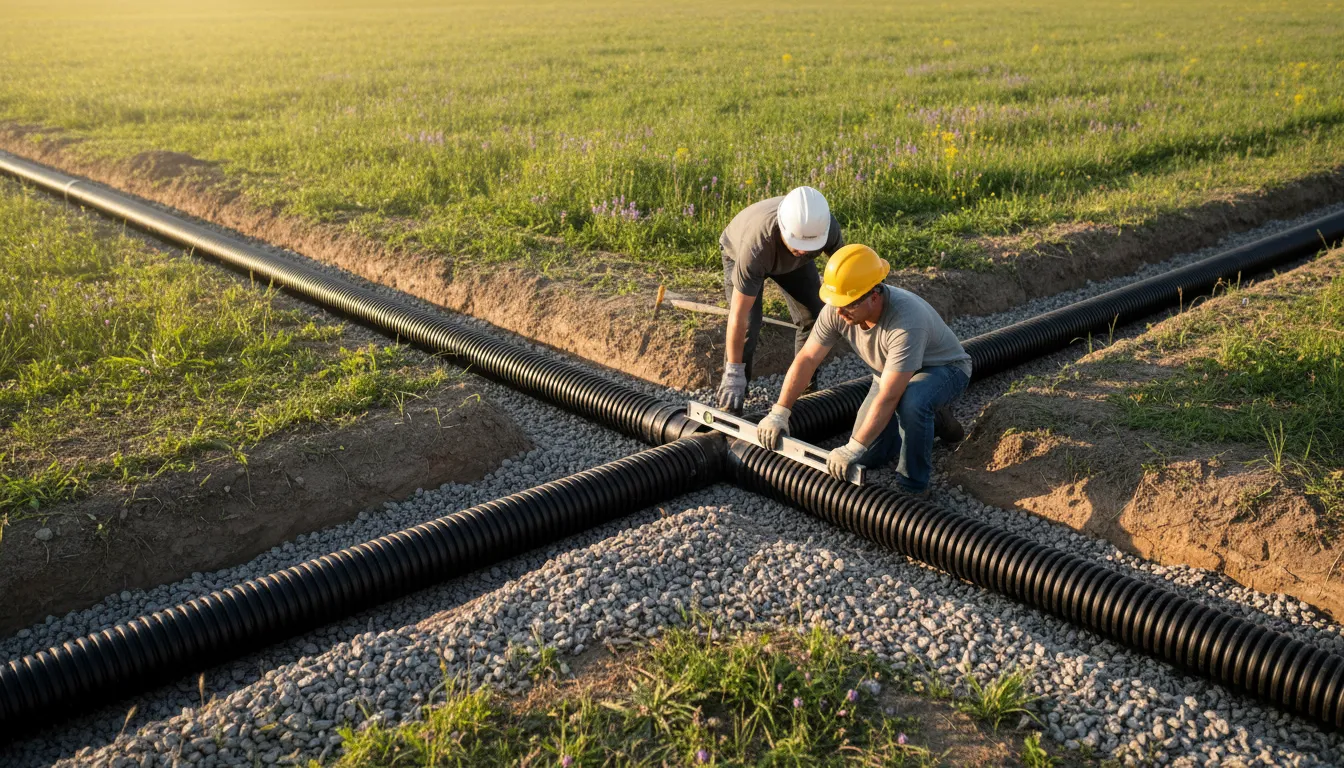
A failing drain field, also known as a leach field or absorption area, is a serious issue for any home with a septic system. It's the final and most critical stage of wastewater treatment, where effluent is dispersed into the soil for natural filtration. When it fails, it can lead to soggy yards, foul odors, sewage backups, and environmental contamination. In Plantation, Florida, the unique combination of high water tables and sandy soil makes proper drain field work especially important and heavily regulated. This guide explains the local process, regulations, and key considerations for repairing or replacing your septic system's drain field, helping you connect with qualified local professionals who understand South Florida's specific challenges.
Champion Septic Tank - Grease Trap, Drain Field, Lift Station, Storm Drain
405 E 41st St Unit 1D, Hialeah, FL 33013
Champion Septic Tank - Grease Trap, Drain Field, Lift Station, Storm Drain provides septic system services in Miami, FL. They offer septic tank pumping, inspection, cleaning, and drain field repair, using advanced technology and professional tools. Their licensed team handles locating tanks, hydro jet cleaning, and riser installation to maintain system performance. Serving Miami-Dade and Broward counties, the company emphasizes thorough maintenance to prevent backups and extend system life. Champion Septic Tank is family-owned and offers 24/7 emergency septic services.
Champion Septic Tank - Grease Trap, Drain Field, Storm Drain, Lift Station
4000 Hollywood Blvd suite 555-s, Hollywood, FL 33021
Champion Septic Tank - Grease Trap, Drain Field, Storm Drain, Lift Station provides septic system services in Miami, FL. The company offers septic tank pumping, inspection, cleaning, and drain field repair using advanced technology and professional tools. Their licensed team handles locating, accessing, and maintaining septic systems to ensure proper flow and function. Champion Septic Tank serves Miami-Dade and Broward counties, including North Miami, Hollywood, and surrounding areas. They provide hydro jet cleaning and riser installation as part of their capabilities. The company emphasizes thorough maintenance to extend system life and prevent backups. Champion Septic Tank offers 24/7 emergency septic services for urgent needs.
Champion Septic Tank - Grease Trap, Storm Drain, Lift Station
1001 Brickell Bay Dr Unit 2800, Miami, FL 33131
Champion Septic Tank - Grease Trap, Storm Drain, Lift Station provides comprehensive septic system services in Miami, FL. They offer septic tank pumping, inspection, cleaning, and drain field repair, using advanced technology and professional-grade tools. Their licensed team handles everything from locating buried tanks to thorough pump-outs and pressure washing to maintain system health. Champion Septic Tank serves Miami-Dade and Broward counties, including North Miami, Hollywood, and surrounding areas. They specialize in hydro jet cleaning and riser installation to ensure efficient septic system performance. The company also offers 24/7 emergency septic services to address urgent issues promptly.
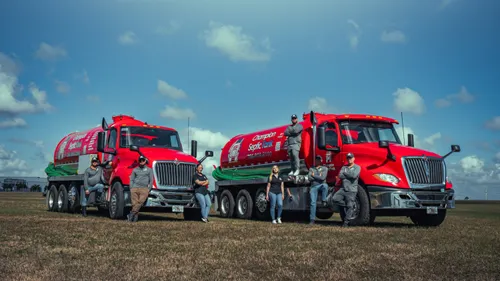
Champion Septic Tank - Grease Trap, Lift Station, Storm Drain
5151 Collins Ave, Miami, FL 33140
Champion Septic Tank - Grease Trap, Lift Station, Storm Drain provides septic system services in Miami, FL. They offer septic tank pumping, inspection, cleaning, and drain field repair, using advanced technology and professional tools. The company serves Miami-Dade and Broward counties, including North Miami, Hollywood, and Miami Shores. Champion Septic Tank is equipped for hydro jetting and full septic system maintenance to ensure proper flow and function. They provide 24/7 emergency septic services to address urgent issues promptly.
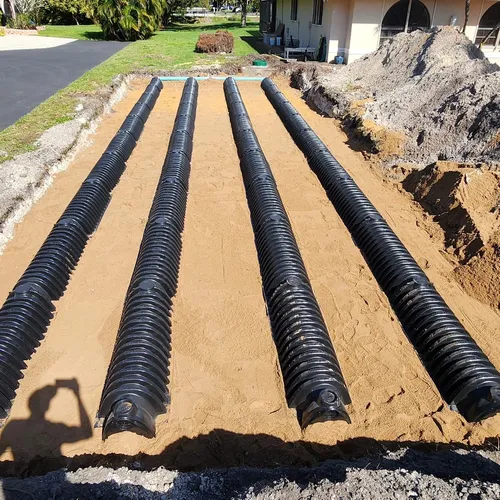
YP Septic Excavations LLC
1474 NE 183rd St, Miami, FL 33179
YP Septic Excavations LLC is a family-owned company based in Miami, FL, specializing in septic system installation, repair, and inspection. They provide a range of services including septic tank installations, drain field replacement, lift station repair, and French drainage systems. The company also offers asphalting and concrete pouring to complete projects with a clean, leveled finish. Founded in 2021 by Yosbel Paez, YP Septic Excavations LLC has completed over 500 projects and focuses on delivering customized, environmentally conscious solutions.
Understanding Drain Field Failure in South Florida
The drain field is a network of perforated pipes buried in trenches filled with gravel. After solids settle in the septic tank, the liquid effluent flows into this area, where it slowly percolates through the soil. Over time, a biomat-a layer of organic material-forms around the gravel, which is normal and aids in treatment. However, when this layer becomes too thick or the soil becomes compacted, it prevents proper drainage, leading to system failure.
In Plantation and across Broward County, environmental factors accelerate these issues. The region's sandy soil drains very quickly, which sounds beneficial but can actually hinder the necessary treatment process if not properly managed with specific fill materials. More critically, the seasonal high water table is often very close to the surface. Florida law mandates a minimum of 24 inches of separation between the bottom of the drainfield and the high water table. When the ground is saturated, there's nowhere for the effluent to go, causing immediate failure. Recognizing early signs-like slow drains, sewage smells in the yard, or unusually lush green grass over the field-is key to addressing problems before they become an emergency.
The Regulatory Landscape: Permits and Professionals
All repair, modification, or replacement of a septic system in Plantation requires a construction permit issued by the Florida Department of Health in Broward County. You cannot begin any work without this permit. The regulations are detailed in the Florida Administrative Code (Chapter 64E-6) and are strictly enforced to protect public health and groundwater.
- Permit Application: The process starts with submitting an Application for Construction Permit (Form DEP 4015), along with detailed site plans and a professional evaluation, to the local health department 1.
- Required Professionals: The actual work must be performed by a state-registered septic tank contractor or a licensed plumber 2. While Florida law allows homeowners to perform work on their own owner-occupied, single-family home, they are still responsible for obtaining all required permits and ensuring the work meets all code requirements-a risky undertaking given the technical and legal complexities 2.
- System Upgrades: It's important to know that a major repair, like a total drainfield replacement, may trigger a requirement to upgrade the entire system to current standards. This could include installing advanced, nitrogen-reducing technology to better protect local waterways 3.
- Setback Requirements: Repairs must comply with strict distance rules from property features. For example, a system must be at least 75 feet from a private potable well and 10 feet from storm sewers 4. However, repairs can be located as close as 2 feet from a properly sleeved and sealed water line 5.
The Site Evaluation: The First Critical Step
Before any repair strategy can be determined, a licensed professional must conduct a thorough site evaluation. This is not a simple visual inspection. The evaluation aims to diagnose the exact cause of failure and determine the feasibility of a repair versus a full replacement.
- Soil Evaluation and Percolation Test: A "perc test" measures how quickly water drains through the soil at the proposed repair or replacement site. This data is essential for designing a system that will function properly in Plantation's sandy yet water-logged conditions 6.
- Determining the Water Table: The evaluator will also assess the depth of the seasonal high water table, which is the highest level the groundwater reaches during the year. This is the single most important factor in designing a compliant system for this area 7.
- Existing System Assessment: The contractor will also need to complete an "Existing System and System Repair Evaluation Form." This involves pumping the septic tank to inspect its condition and assessing the entire existing system layout 8.
Engineering Solutions for Local Conditions
Given Plantation's high water table, a standard underground trench system often isn't viable. Licensed engineers and contractors typically employ specific engineered solutions approved by the health department:
- Mound Systems: This is a common solution where the drain field is constructed above the natural grade of the land. A sand mound is built up, and the drainfield trenches are created within it, ensuring the required 24-inch separation from the water table 9. This is a visually noticeable but highly effective solution.
- Drip Irrigation Systems: These systems use a network of small-diameter tubing to distribute effluent over a larger, shallower area. They can be a good option where space is limited or soil conditions are challenging.
- Advanced Treatment Systems: For sites with severe limitations, systems that provide additional wastewater treatment before it reaches the drain field may be required. These systems reduce nutrient levels, allowing for a smaller drain field or enabling installation on sites that would otherwise fail evaluation.
A crucial planning requirement is the reserve area. Florida regulations require that a 50% reserve area, equal to half the size of the initial drainfield, be set aside on your property for future expansion or total replacement 10. This area must be identified during the site evaluation and protected from construction or compaction.
Find the perfect drain field repair companies for your needs
Get personalized recommendations and expert advice
The Repair and Replacement Process
Once a plan is approved and permitted, the work follows a structured sequence with mandatory inspections.
- System Preparation: The existing septic tank is pumped, and the failed drain field area is excavated.
- Installation: New distribution lines, gravel, and geotextile fabric are installed according to the permitted design. For mound systems, this includes building the sand base.
- Mid-Project Inspection: Before the new components are covered, a county inspector or a master septic contractor will typically visit the site to verify proper elevation, materials, and installation 11.
- Final Inspection and Backfill: After passing the above-ground inspection, the system can be covered with soil. A final inspection is then required before the system is put into use 12.
Understanding the Costs Involved
Costs for drain field work in Plantation vary widely based on the extent of the problem, the size of your home, the chosen system type, and the specific conditions of your property.
- Minor Repairs: Fixing a clogged distribution box or a single line might cost between $1,000 and $3,000.
- Partial Drain Field Repair: Addressing a significant portion of the field could range from $3,000 to $7,000 13.
- Full Drain Field Replacement: This is a major project. For a conventional system, costs often start around $8,000. For engineered solutions like a mound system, which require more materials and labor, costs can easily exceed $15,000 14.
- Permit Fees: The application fee for a repair permit from the Broward County Health Department is approximately $350, though this can vary slightly 15.
These are estimates; obtaining detailed quotes from several licensed contractors is essential. Remember, the cheapest option is not always the best when it comes to a permanent, code-compliant solution for your property.
Maintaining Your New or Repaired System
Protecting your investment is crucial. After a repair or replacement, practice diligent maintenance: pump your septic tank every 3-5 years (or as recommended based on usage), conserve water to avoid overloading the system, and never pour grease, chemicals, or non-biodegradable items down the drain. Most importantly, keep the entire drain field and the designated reserve area clear. Never drive or park vehicles over it, and avoid planting trees or deep-rooted shrubs nearby. Proper care will maximize the lifespan of your new leach field.
Frequently asked questions
Sources
Footnotes
-
Repair or Replace Septic Permit - Florida Department of Health in ... - https://charlotte.floridahealth.gov/programs-and-services/environmental-public-health/onsite-sewage-program/repair-or-replacement-permit/ ↩
-
Septic Contracting Frequently Asked Questions - https://floridadep.gov/water/onsite-sewage/content/septic-contracting-frequently-asked-questions ↩ ↩2
-
You and Your Septic Tank - Broward County - https://www.broward.org/EnvironmentAndGrowth/ProgramResources/Publications/Documents/YouYourSepticTank.pdf ↩
-
Florida Statute §381.0065 - Online Sunshine - https://www.leg.state.fl.us/Statutes/index.cfm?App_mode=Display_Statute&URL=0300-0399/0381/Sections/0381.0065.html ↩
-
FAQ - Septic Systems - UF/IFAS - https://programs.ifas.ufl.edu/septic-systems/faq/ ↩
-
Florida Septic Tank Requirements | Onsite Sewage Treatment ... - https://www.ntotank.com/blog/florida-septic-tank-requirements ↩
-
Septic Drainfield Design 101: A Complete Guide - Land Perc - https://landperc.com/septic-drainfield-design-guide/ ↩
-
Septic Inspections Made Easy: What Every Contractor Needs to ... - https://flengineeringllc.com/septic-inspections-guide-contractors-2025/ ↩
-
Septic Engineering Services - Florida Soil & System Design - https://flengineeringllc.com/septic-services/ ↩
-
Best Practices for Septic Installation in 2025 - Florida Engineering LLC - https://flengineeringllc.com/north-florida-septic-installation-2025/ ↩
-
Repair or Replace Septic Permit - Florida Department of Health in ... - https://charlotte.floridahealth.gov/programs-and-services/environmental-public-health/onsite-sewage-program/repair-or-replacement-permit/ ↩
-
Onsite Sewage FAQ - Permitting | Florida Department of ... - https://floridadep.gov/water/onsite-sewage/content/onsite-sewage-faq-permitting ↩
-
Failing Septic System Repair Application Requirements - https://lee.floridahealth.gov/programs-and-services/environmental-health/onsite-sewage-disposal/permits/ostds-repair-permit/ ↩
-
How To Obtain A Septic System Permit In Lake County Florida - https://advancedsepticservicesfl.com/obtain-septic-system-permit-florida/ ↩
-
Fixing Septic Drain Fields: What Florida Homeowners Should ... - https://mathisandsonsseptic.com/mathis-sons-septic-blog-orlando-fl/septic-drain-fields-what-florida-homeowners-should-know/ ↩