
Find the Best Drain Field Repair Companies for Your Business
No obligation • Fast responses • Nationwide coverage

Why you can trust Septic Spot
Septic Spot is a leading United States resource for understanding and comparing septic services. Our editors review providers using consistent criteria and verify key business details. Listings and scores are independent, and companies cannot pay to influence our content.
Search providers near you
Top Drain Field Repair Companies in Titusville, Florida Ranked
A failing drain field is a serious issue for any home with a septic system. When this critical component stops absorbing and filtering wastewater, it can lead to soggy yards, foul odors, and even sewage backups into your home. Understanding your options for drain field repair or a full leach field replacement is essential for protecting your property and your family's health. This guide explains the process, local regulations, and costs specific to Titusville, helping you make informed decisions when seeking qualified local professionals.
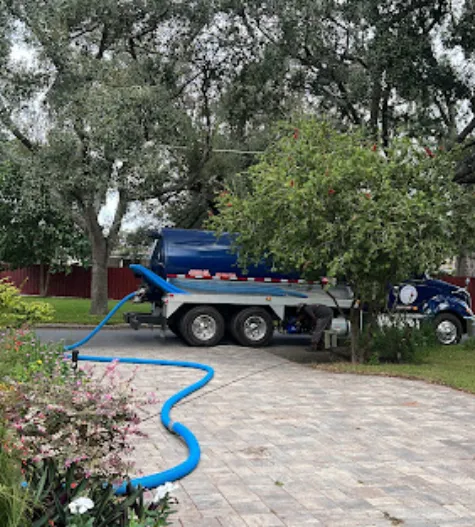
Clear Flow Environmental
15232 E Colonial Dr, Orlando, FL 32826
Clear Flow Environmental is a septic system service provider based in Orlando, FL. They offer a range of services including septic tank pumping, inspections, installations, and repairs, as well as drain field troubleshooting and replacement. The company also handles grease trap maintenance and outdoor plumbing issues. Clear Flow Environmental provides city sewer tie-in services to connect properties to municipal sewage systems where available. They utilize bioForce Plus bacterial waste degrader to maintain drainlines and grease traps effectively.
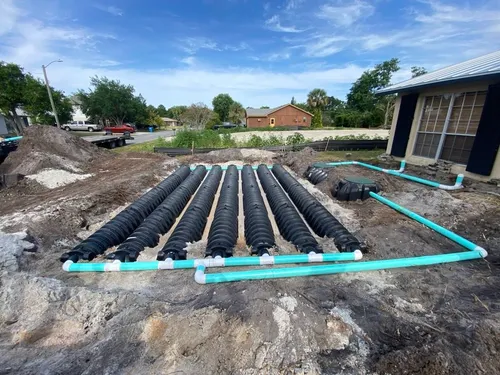
Drainage Solutions Inc
1908 N Forsyth Rd, Orlando, FL 32807
Drainage Solutions Inc is a drain field repair and replacement contractor based in Orlando, FL. They provide services related to drain field evaluation, repair, and replacement, working efficiently with existing permits and coordinating with county inspectors to complete projects promptly. The company is noted for its inclusive approach and responsiveness in scheduling and project execution.
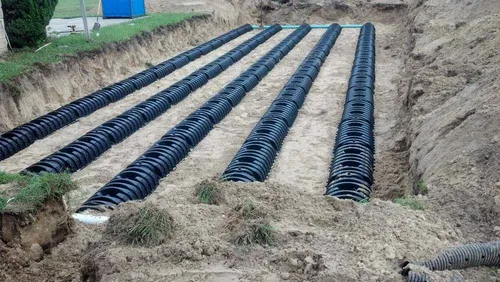
Clark Septic
451 Aulin Ave, Oviedo, FL 32765
Clark Septic provides a range of septic services in Orlando, FL, including septic tank pumping, inspections, repairs, maintenance, and drain field repair or replacement. Serving Orlando and Central Florida, the company has been installing, maintaining, and repairing septic systems since 2002. Clark Septic offers emergency service for septic issues that arise outside regular business hours. Their expertise includes full diagnostic testing and comprehensive septic system care to help protect water quality and system function.
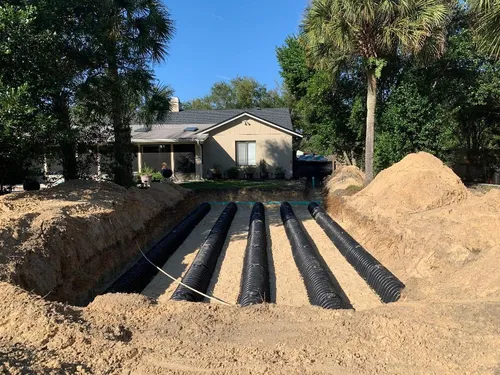
Dial Septic Tank Service Inc
425 6th St, Oviedo, FL 32765
Dial Septic Tank Service Inc is a septic system repair and installation company serving Orlando, FL. With over 50 years of experience, they provide a full range of septic services including tank installation, repair, replacement, and drainfield installation and repair. Their capabilities include advanced aerobic septic system installation and seamless sewer line installation, offering both residential and commercial solutions. The company has been operating since 1975, delivering tailored waste management systems designed for efficiency and environmental care.
Understanding Your Drain Field in Titusville
The drain field, also known as a leach field or soil absorption field, is the final stage of your onsite sewage treatment system. After solids settle in the septic tank, the liquid effluent flows into a network of perforated pipes buried in trenches filled with gravel. This effluent slowly percolates into the soil, where natural processes provide the final treatment. In Titusville, the combination of high groundwater tables and variable sandy or clay soils makes a properly functioning drain field especially critical for environmental and public health.
Common signs of drain field failure include:
- Persistently soggy or spongy ground over the field, even in dry weather.
- Lush, green grass over the field while the rest of the lawn is dry.
- Sewage odors near the drain field or septic tank.
- Slow-draining household fixtures or gurgling pipes.
- Sewage backing up into home drains.
Why Drain Fields Fail in Brevard County
Several factors unique to the Titusville area contribute to premature drain field failure. Understanding these can help with prevention and inform repair strategies.
High Water Table: Florida's flat topography and proximity to the coast often result in a high seasonal water table. State code requires a minimum 24-inch vertical separation between the bottom of the drain field and the seasonal high water table. If the water table rises, it can saturate the field, preventing effluent from percolating and causing immediate failure.
Soil Composition: While sandy soil is common and allows for good drainage, some areas have layers of dense clay. Clay soils have very slow percolation rates, causing effluent to pool and the field to become hydraulically overloaded.
Physical Damage: Driving, parking, or building heavy structures over the drain field compacts the soil and can crush the buried pipes. Similarly, planting trees or large shrubs too close can lead to root intrusion, which blocks and breaks the distribution lines.
Lack of Maintenance: Neglecting to pump the septic tank every 3-5 years allows excess solids to flow into the drain field, clogging the pipes and the surrounding soil biomat. This is a leading cause of preventable failure 1.
The Titusville & Brevard County Regulatory Process
Any significant repair or replacement of a septic system component in Florida is regulated. In Titusville, permits are managed by the Brevard County Health Department under Florida Administrative Code Chapter 64E-6 2.
1. Site Evaluation and Soil Testing: Before any permit application, a licensed septic contractor or soil evaluator must perform a site assessment. This includes a percolation (perc) test to determine the soil's absorption rate and an evaluation to locate the seasonal high water table. This data is crucial for design.
2. Permit Application: Your contractor will submit a detailed site plan and application to the county health department. A key rule for replacements is the requirement for a 50% reserve area 3 4. This means you must have enough suitable land not only for the new field but also an additional, untouched area of equal size for potential future expansion or repair.
3. Approved Construction: Once the permit is issued, construction can begin. The work must follow the engineered site plan exactly, adhering to all setbacks from wells, property lines, buildings, and water bodies.
4. Final Inspection: After installation, a final inspection by the county or an approved private provider is mandatory to receive a "Construction Approval" before the new system can be used 5 6.
Repair vs. Replacement: Options and Costs
The best course of action depends on the extent of the damage. A professional inspection using a sewer camera is often needed to diagnose the issue accurately.
Minor Repairs ($1,000 - $3,000): If the problem is isolated, solutions may include:
- Jet Cleaning: High-pressure water jetting to clear clogged pipes.
- Pipe Section Replacement: Excavating and replacing a collapsed or root-intruded section of pipe.
- Distribution Box Repair/Replacement: Fixing or replacing the D-box that evenly distributes effluent to all drain field lines.
Partial Drain Field Repair ($3,000 - $7,000): In some cases, only a portion of the field has failed. It may be possible to add new lines in the existing field area or utilize part of the required reserve area for a "repair extension," if the soil conditions permit and the county approves 7.
Full Drain Field Replacement ($8,000 - $15,000+): This is necessary when the entire soil absorption area is exhausted or failed. It involves designing and installing a completely new leach field, typically in the reserved area. This is the most comprehensive and costly solution 8 9. It's important to note that these figures are for the drain field work itself. Additional costs for soil testing, engineering design, and permit fees are common. Furthermore, if the septic tank is also old or damaged, tank installation in Titusville can range from approximately $1,300 to $9,000, with an average between $3,600 and $5,100 10.
Find the perfect drain field repair companies for your needs
Get personalized recommendations and expert advice
Engineered System Solutions for Challenging Sites
Not every property in Titusville has the ideal conditions for a conventional gravity-fed drain field. For sites with high water tables, poor soil, or limited space, an engineered or alternative system may be the only compliant solution. These systems are more complex and costly but are designed to overcome site limitations.
- Mound Systems: Effluent is pumped to a raised, sand-filled mound constructed above the natural soil grade. This creates the necessary separation from the high water table 11.
- Aerobic Treatment Units (ATUs): These systems use oxygen to break down waste more efficiently, producing a higher-quality effluent that can be discharged to a shallower, smaller drain field or even for surface irrigation in some cases.
- Low-Pressure Dose (LPD) Systems: Effluent is stored in a dosing chamber and periodically pumped under low pressure through small-diameter pipes across the drain field, allowing for even distribution and resting periods for the soil.
These systems require specific engineering and more frequent maintenance but are often the key to obtaining a permit on difficult lots.
Maintaining Your New or Repaired Drain Field
Protecting your investment is crucial. Proper maintenance extends the life of any drain field significantly.
- Pump Regularly: Schedule septic tank pumping every 3-5 years to prevent solids from escaping into the field.
- Conserve Water: Spread out laundry loads and fix leaks to avoid hydraulically overloading the system.
- Mind What You Flush: Only human waste and toilet paper. Never flush chemicals, grease, wipes, or feminine hygiene products.
- Protect the Area: Never drive, park, or build on the drain field. Keep heavy equipment away during landscaping projects.
- Landscape Carefully: Plant only grass over the field. Keep trees and large shrubs with deep roots at a safe distance.
Frequently asked questions
Sources
Footnotes
-
Septic - Save Lake Weir - https://savelakeweir.com/septic/ ↩
-
Onsite Sewage Program - https://floridadep.gov/water/onsite-sewage ↩
-
Florida Well and Septic System Placement Regulations for ... - https://flengineeringllc.com/florida-well-septic-placement-2025/ ↩
-
Florida Septic Tank Requirements | Onsite Sewage Treatment ... - https://www.ntotank.com/blog/florida-septic-tank-requirements ↩
-
Septic Inspections Made Easy: What Every Contractor Needs to ... - https://flengineeringllc.com/septic-inspections-guide-contractors-2025/ ↩
-
Florida New Septic System Law: What Homeowners Need to Know - https://rooterone.com/florida-homeowners-new-septic-system-law/ ↩
-
Fixing Septic Drain Fields: What Florida Homeowners Should Know - https://mathisandsonsseptic.com/mathis-sons-septic-blog-orlando-fl/septic-drain-fields-what-florida-homeowners-should-know/ ↩
-
Answering Top Questions About Drain Field Replacement - https://tampabayseptic.com/blog/answering-top-questions-about-drain-field-replacement/ ↩
-
How Much Does it Cost to Upgrade a Septic System in Florida? - https://mathisandsonsseptic.com/mathis-sons-septic-blog-orlando-fl/a-florida-homeowners-guide-to-septic-system-maintenance-costs/ ↩
-
Septic Tank Installation in Titusville, FL - Costs 03 / 2026 - Homeyou - https://www.homeyou.com/fl/septic-tank-installation-titusville-costs ↩
-
Septic Drain Field Issues Every Homeowner Should Watch For - https://septicservicescfl.com/septic-drain-field-issues-every-homeowner-should-watch-for/ ↩