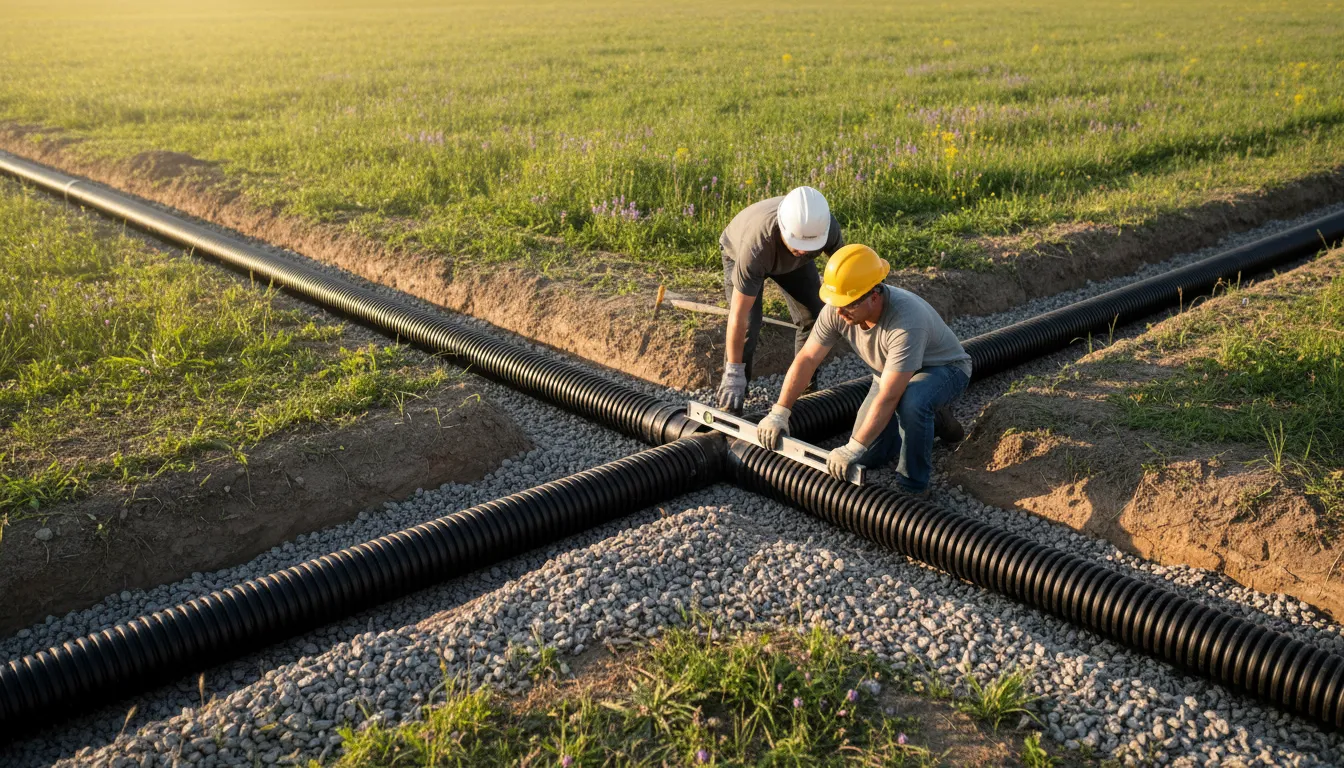
Find the Best Drain Field Repair Companies for Your Business
No obligation • Fast responses • Nationwide coverage

Why you can trust Septic Spot
Septic Spot is a leading United States resource for understanding and comparing septic services. Our editors review providers using consistent criteria and verify key business details. Listings and scores are independent, and companies cannot pay to influence our content.
Search providers near you
Top Drain Field Repair Companies in Winter Garden, Florida Ranked
A failing drain field is a serious issue for any home with a septic system, leading to soggy yards, foul odors, and potential environmental contamination. Drain field repair or replacement is a specialized process that restores your onsite wastewater treatment system's ability to safely disperse and filter effluent. For Winter Garden homeowners, navigating local soil conditions and state regulations is crucial. This guide helps you understand the process, costs, and key considerations for finding qualified professionals to restore your system's function.
Orlando Septic Services
Orlando, FL
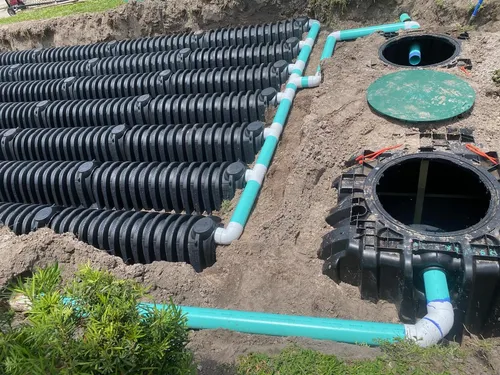
Orlando Septic Services provides septic system installation, repair, and maintenance in Orlando, FL. They handle septic tank pumping, drain field repair, and commercial and residential system installations. Their capabilities include lift station repair, main line jetting, and pump replacements, covering a wide range of septic system needs.
Always There Septic
Orlando, FL
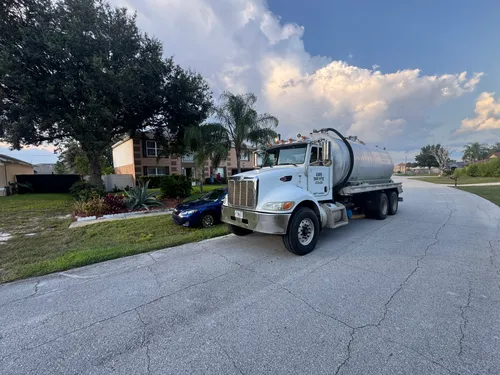
Always There Septic provides a full range of septic system services in Orlando, FL, including septic tank pumping, inspections, repairs, and installation for both residential and commercial properties. They handle drain field repair and replacement, septic pump repair, and commercial grease trap cleaning, ensuring systems meet Florida Code and operate properly. The company offers 24/7 emergency septic services and manages all permitting and inspections for new installations or replacements, aiming for a smooth process from start to finish.
Clear Flow Environmental
15232 E Colonial Dr, Orlando, FL 32826
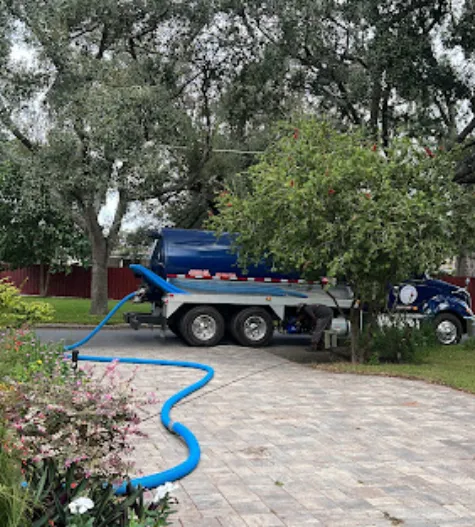
Clear Flow Environmental is a septic system service provider based in Orlando, FL. They offer a range of services including septic tank pumping, inspections, installations, and repairs, as well as drain field troubleshooting and replacement. The company also handles grease trap maintenance and outdoor plumbing issues. Clear Flow Environmental provides city sewer tie-in services to connect properties to municipal sewage systems where available. They utilize bioForce Plus bacterial waste degrader to maintain drainlines and grease traps effectively.
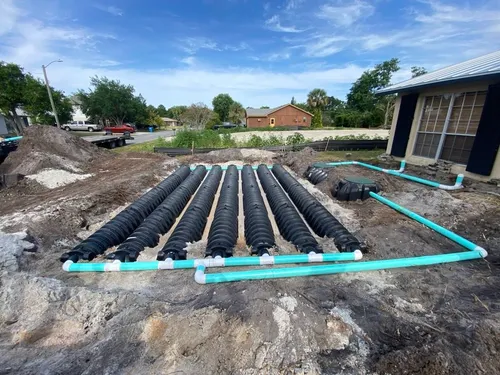
Drainage Solutions Inc
1908 N Forsyth Rd, Orlando, FL 32807
Drainage Solutions Inc is a drain field repair and replacement contractor based in Orlando, FL. They provide services related to drain field evaluation, repair, and replacement, working efficiently with existing permits and coordinating with county inspectors to complete projects promptly. The company is noted for its inclusive approach and responsiveness in scheduling and project execution.
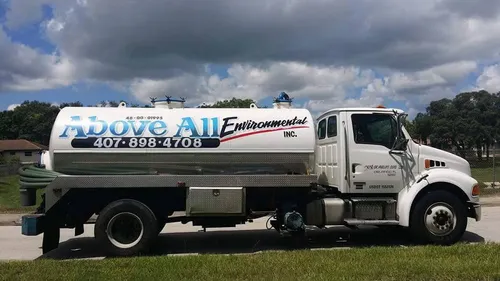
Above All Environmental Inc
Orlando, FL
Above All Environmental Inc is a septic tank pumping and repair company serving the Orlando, FL area. They provide septic system maintenance, grease trap pumping, drain field repair, and pump replacement services. With over 15 years of professional experience, their licensed and insured team handles a variety of septic and drainage needs. The company offers complete septic tank pump-out services and emergency septic tank repairs.
Understanding Your Septic System's Drain Field
Often called a leach field or absorption field, the drain field is the final and most critical stage of a septic system. After solids settle in the tank, liquid effluent flows into a network of perforated pipes buried in trenches filled with gravel. This effluent slowly percolates through the soil, where natural processes provide final treatment before it rejoins the groundwater. When this area fails, wastewater cannot be properly absorbed, leading to system backups and surface pooling.
In Winter Garden and across Central Florida, common causes of drain field failure include:
- Soil Saturation: High water tables, especially during the rainy season, can flood the drain field, preventing proper absorption.
- Clogging: Over time, a biomat (a layer of bacteria and organic material) can form around the trenches, or solids from an un-pumped tank can clog the pipes.
- Physical Damage: Compaction from driving or parking vehicles over the field, or root intrusion from nearby trees, can crush pipes and disrupt the soil structure.
- Aging: Like any component, drain fields have a finite lifespan, typically 20-30 years, after which the soil's absorption capacity diminishes.
Winter Garden's Unique Environmental and Regulatory Landscape
Successfully addressing drain field issues here requires working within specific local challenges.
High Water Tables and Sandy Soils
Central Florida's geology presents distinct hurdles. The seasonal high water table is often very close to the surface. State code requires a minimum 24-inch separation between the bottom of the drain field and the high water table. In many Winter Garden properties, this necessitates constructing an elevated or mounded drain field, where suitable soil and sand are brought in to create an above-ground absorption area. Furthermore, the region's prevalent sandy soils, while initially good for drainage, require precise sizing and design to prevent effluent from moving too quickly without adequate treatment.
Florida's Permitting and Code Requirements
All septic system work, including drain field repair and replacement, is strictly regulated by the Florida Department of Health (DOH) under Chapter 64E-6 of the Florida Administrative Code, which governs Onsite Sewage Treatment and Disposal Systems (OSTDS).
Key regulatory steps for Winter Garden homeowners include:
- Site Evaluation: A licensed professional must conduct a thorough evaluation, including a soil analysis and percolation (perc) test, to determine the soil's absorption rate and the seasonal high water table level 1 2.
- Permit Application: A detailed site plan must be submitted to the Orange County DOH for approval before any work begins. This plan must account for strict setbacks from wells, property lines, buildings, and water bodies 3.
- Reserve Area: Florida law requires that a 50% reserve area-equivalent to half the size of the initial drain field-be set aside on your property for potential future repairs or expansion 4.
- Nutrient Reduction Rules: If your property is within a state-designated Basin Management Action Plan (BMAP) area to protect impaired waterways, you may be legally required to install an Enhanced Nutrient Reducing (ENR) system during any major repair or replacement 5.
The Repair vs. Replacement Decision
A professional inspection is essential to diagnose the problem and recommend the correct solution. The choice between repair and a full replacement depends on the extent of the damage and the condition of the soil.
When Drain Field Repair is Possible
Repairs are typically less invasive and more affordable, suitable for localized issues. Common repair strategies include:
- Jet Cleaning: Using high-pressure water to clear minor clogs in the distribution pipes.
- Distribution Box (D-Box) Replacement: Replacing a broken or malfunctioning box that unevenly distributes effluent.
- Adding Additional Lines: Expanding the existing field into a portion of the required reserve area if the original field is only partially failed.
- Chemical or Biological Treatments: Using specific additives to reduce the biomat layer clogging the trenches, though this is often a temporary solution.
When Full Drain Field Replacement is Necessary
A complete replacement is required when the soil absorption capacity is permanently compromised, the entire field is saturated, or the system is very old. This process involves:
- System Shutdown: Halting all wastewater flow to the area.
- Excavation: Carefully removing the old gravel, pipes, and often the contaminated soil.
- New Installation: Constructing new trenches with clean gravel and perforated pipes in a new location (often the designated reserve area) or building an engineered mound system.
- Final Inspection: The DOH or an authorized agent must inspect the installation before the trenches are covered with soil and sod 6.
Find the perfect drain field repair companies for your needs
Get personalized recommendations and expert advice
Cost Factors for Drain Field Work in Winter Garden
Costs can vary widely based on the scope of work and site-specific conditions. The following ranges are based on typical projects in the Central Florida area 7 8 9:
- Minor Repairs: $1,000 - $3,000
- Partial Replacement or Major Repair: $3,000 - $7,000
- Complete Drain Field Replacement: $8,000 - $15,000+
Several key factors influence the final price:
- System Size: Determined by your home's number of bedrooms, which dictates the required drain field size.
- Soil Conditions and Water Table: Sandy soil may require larger fields. A high water table that necessitates a mounded system will significantly increase costs due to the need for additional fill dirt and specialized construction.
- Permitting and Design: Fees for site evaluation, perc testing, and the permit application itself.
- Accessibility: Ease of access for heavy equipment like excavators and dump trucks.
- Landscaping: Costs to remove and later restore trees, shrubs, or hardscaping.
Maintaining Your New or Repaired Drain Field
Protecting your investment is key to a long system life. Consistent maintenance can prevent premature failure:
- Regular Pumping: Have your septic tank pumped every 3-5 years by a licensed professional to prevent solids from washing out and clogging the drain field 10 11. This is the single most important maintenance task.
- Mind the Surface: Never drive, park, or place heavy structures (like sheds or pools) on your drain field. The weight compacts the soil, crushing pipes and reducing its ability to breathe.
- Control Water Flow: Redirect roof drains, gutter downspouts, and surface runoff away from the drain field area to prevent saturation.
- Be Careful What You Flush: Only human waste and toilet paper should go into the system. Avoid chemicals, grease, wipes, and excessive use of garbage disposals.
Frequently asked questions
Sources
Footnotes
-
Florida Well and Septic System Placement Regulations for New ... - https://flengineeringllc.com/florida-well-septic-placement-2025/ ↩
-
Septic Inspections Made Easy: What Every Contractor Needs ... - https://flengineeringllc.com/septic-inspections-guide-contractors-2025/ ↩
-
Septic Permits in Florida: Do You Need One? (2025 Guide) - Land Perc - https://landperc.com/do-i-need-a-permit-for-a-septic-system-in-florida/ ↩
-
Septic Drainfield Design 101: A Complete Guide - Land Perc - https://landperc.com/septic-drainfield-design-guide/ ↩
-
Florida New Septic System Law: What Homeowners Need to Know - https://rooterone.com/florida-homeowners-new-septic-system-law/ ↩
-
Florida Septic Tank Requirements | Onsite Sewage Treatment ... - https://www.ntotank.com/blog/florida-septic-tank-requirements ↩
-
Fixing Septic Drain Fields: What Florida Homeowners Should Know - https://mathisandsonsseptic.com/mathis-sons-septic-blog-orlando-fl/septic-drain-fields-what-florida-homeowners-should-know/ ↩
-
How Much Does it Cost to Upgrade a Septic System in Florida? - https://mathisandsonsseptic.com/mathis-sons-septic-blog-orlando-fl/a-florida-homeowners-guide-to-septic-system-maintenance-costs/ ↩
-
Answering Top Questions About Drain Field Replacement - https://tampabayseptic.com/blog/answering-top-questions-about-drain-field-replacement/ ↩
-
Septic Drain Field Issues Every Homeowner Should Watch For - https://septicservicescfl.com/septic-drain-field-issues-every-homeowner-should-watch-for/ ↩
-
Septic Tank Plans: A Complete Homeowner's Guide - https://landperc.com/septic-tank-plans-guide/ ↩