Find the Best Drain Field Repair Companies for Your Business
No obligation • Fast responses • Nationwide coverage

Why you can trust Septic Spot
Septic Spot is a leading United States resource for understanding and comparing septic services. Our editors review providers using consistent criteria and verify key business details. Listings and scores are independent, and companies cannot pay to influence our content.
Search providers near you
Top Drain Field Repair Companies in Winter Haven, Florida Ranked
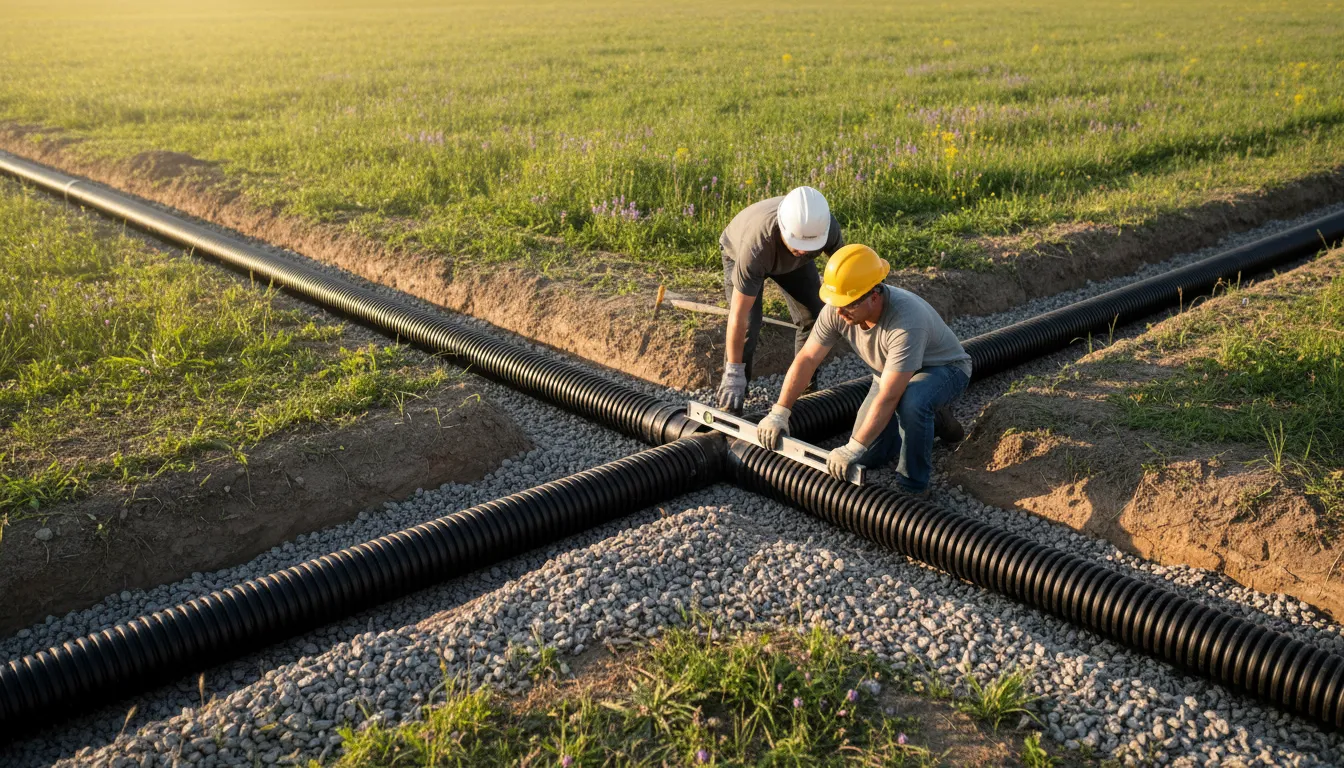
A failing septic drain field, also known as a leach field or absorption field, is a serious issue for any Florida homeowner. When this critical component stops properly dispersing treated wastewater into the soil, it can lead to soggy yards, foul odors, and even sewage backups into your home. In Winter Haven, with its unique soil conditions and high water tables, addressing drain field problems promptly and correctly is essential. This guide explains what you need to know about septic drain field repair and replacement, from recognizing the warning signs to navigating Florida's permitting process, so you can make informed decisions about maintaining your property's wastewater system.
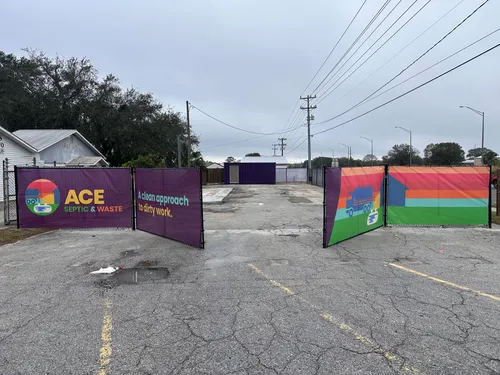
ACE Septic & Waste
3151 Bartow Rd, Lakeland, FL 33803
ACE Septic & Waste is a full-service septic and wastewater company serving Lakeland, FL, and the broader Tampa Bay and Central Florida regions. They provide a wide range of services including septic tank pumping, system installation, drainfield repair, lift station maintenance, and certified septic inspections for residential, commercial, and municipal clients. The company is uniquely licensed in plumbing, electrical, septic, and general contracting, allowing them to manage all aspects of wastewater projects in-house, from permitting to installation and maintenance. ACE Septic & Waste also offers advanced solutions like aerobic treatment units and low-pressure sewer systems, meeting Florida's environmental standards. Their emergency response team is available 24/7 to handle urgent wastewater issues.
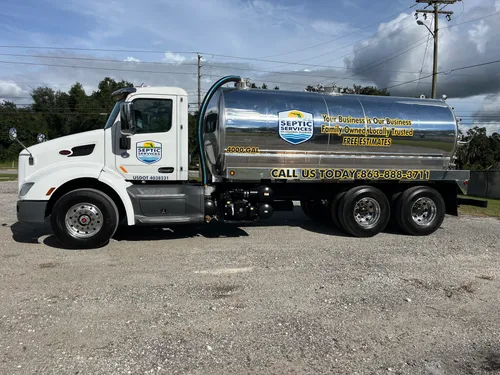
Septic Services of Central Florida
2301 US-17, Bartow, FL 33830
Septic Services of Central Florida is a family-owned company based in Tampa, FL, offering residential and commercial septic system services. They provide a full range of septic care including pumping, inspections, repairs, installations, and drainfield replacements. The company specializes in Advanced Treatment Units for enhanced wastewater management and handles everything from site evaluation to permitting and installation. With over 35 years of combined experience, they offer an industry-leading 8-year warranty and emergency services to address urgent septic issues.

Eco Septic Tank Pumping Lakeland
Tampa, FL
Eco Septic Tank Pumping Lakeland provides comprehensive septic services in Tampa, FL, including septic tank pumping, inspection, repair, and installation. They handle routine cleaning to prevent system blockages and offer emergency septic sewer cleaning when urgent issues arise. Their services also include septic system repairs, drain field replacement, and biological treatments to maintain microbial balance. The company follows a detailed pumping process and ensures proper waste disposal in compliance with environmental regulations. They serve multiple areas around Tampa and offer 24/7 emergency septic services.
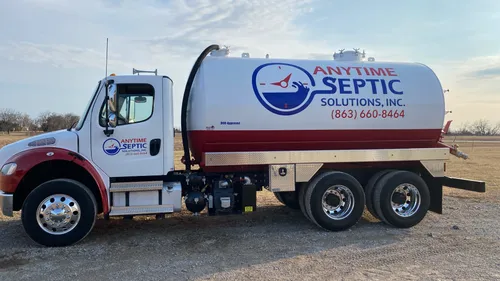
Anytime Septic Solutions
2615 D R Bryant Rd, Lakeland, FL 33810
Anytime Septic Solutions is a licensed septic contractor based in Lakeland, Florida, serving Tampa, FL, and surrounding areas including Polk County. The company offers a range of services such as septic tank pumping, system inspections, repairs, new installations, and drain field maintenance. They use modern vacuum trucks and professional-grade equipment to ensure thorough septic tank pumping and handle drain field repair and replacement to maintain system performance. With over 15 years of family-run experience and a nearly 100-year history in the septic and wastewater industry, Anytime Septic Solutions provides knowledgeable service tailored to local soil conditions and system requirements.
True Plumbers & AC
4000 N Frontage Rd, Plant City, FL 33565
True Plumbers & AC is a drain field repair and replacement contractor serving Lakeland, FL, and surrounding Central Florida communities including Plant City, Winter Haven, and Tampa. They provide a range of plumbing services such as leak detection, repiping, slab leak repairs, and drain field services. With over 12 years in the construction business, True Plumbers & AC has experience in handling both residential and commercial plumbing needs. The company also offers 24-hour emergency plumbing services, ensuring availability for urgent repairs.
Recognizing a Failing Drain Field
The drain field is the final stage of your onsite sewage treatment and disposal system. After solids settle in the septic tank, liquid effluent flows into a network of perforated pipes buried in trenches, where it slowly percolates into the soil. A failure occurs when the soil can no longer absorb the liquid. Common signs every Winter Haven homeowner should watch for include:
- Persistently soggy or spongy ground over the drain field area, even during dry weather.
- Slow drains and gurgling sounds in household plumbing fixtures.
- Sewage odors in the yard or near the drain field.
- Unusually lush, green grass growing over the drain field compared to the rest of the lawn.
- Standing water or sewage effluent surfacing in your yard.
If you notice any of these symptoms, it's time for a professional inspection. Ignoring them can lead to environmental contamination, property damage, and violations of Florida health codes.
Why Winter Haven Presents Unique Challenges
The geology and climate of Central Florida, and Winter Haven specifically, create distinct considerations for septic system performance and repair.
- High Water Table: Florida regulations mandate a minimum of 24 inches of vertical separation between the bottom of the drain field trenches and the seasonal high water table 1. In many parts of Polk County, the water table is naturally high, especially during the rainy season. This can limit where a conventional drain field can be installed and may necessitate an engineered, mounded system to achieve the required separation.
- Soil Composition: The area features a mix of sandy soils, which drain well, and dense clay soils, which have very poor percolation rates. A proper site evaluation, often including a percolation test, is required to determine the soil's absorption capability. Clay soils may require a larger drain field area or specialized design.
- System Setbacks: State and local codes enforce strict setbacks from wells, property lines, building foundations, surface water, and other structures. These must be carefully maintained during any repair or replacement project 2.
The Florida Permitting Process: A Non-Negotiable Step
One of the most critical aspects of any septic work in Florida is the permitting process. All drain field repairs, modifications, or full replacements require a permit from the Florida Department of Health (DOH) under Florida Administrative Code 64E-6. This is not a mere formality; it's a legal requirement designed to protect public health and groundwater.
- Initial Assessment: A state-licensed septic contractor or plumber must inspect your system to diagnose the problem and determine the necessary scope of work 3.
- Plan Submission: Your contractor will prepare and submit the repair or replacement plans to the Polk County DOH for review and permitting.
- Construction: Once the permit is issued, the licensed professional can begin the onsite work.
- Final Inspection: Before the new or repaired drain field is covered with soil, a DOH inspector must visit the site to verify the work complies with the approved plans and all state regulations. Only after this inspection passes can the system be put back into service.
Attempting to repair or replace a drain field without a permit can result in significant fines, orders to remove the unpermitted work, and complications when selling your property.
Repair vs. Replacement: Understanding Your Options
The solution for your drain field problem depends on the extent of the failure.
Minor Repairs ($1,000 - $3,000): Not all issues require a full overhaul. Sometimes, the problem is localized. Repairs in this range might involve:
- Jetting or cleaning to remove bioclogging from the distribution pipes.
- Replacing a damaged section of header pipe or lateral line.
- Addressing minor settlement or root intrusion.
Partial or Full Replacement ($3,000 - $15,000+): When a significant portion of the field has failed due to soil saturation, crushed pipes, or age, replacement is often the only viable long-term solution. Costs vary widely based on:
- System Size: The capacity needed for your household.
- Site Conditions: High water tables or poor soil may require more expensive engineered systems like mounded or aerobic treatment units (ATUs).
- Site Access: Difficult access for heavy machinery can increase labor costs.
- Scope of Work: This includes permitting fees, soil analysis, removal/abandonment of the old field, installation of new trenches and piping, and final inspection 4 5 6.
Find the perfect drain field repair companies for your needs
Get personalized recommendations and expert advice
The Drain Field Service Process: From Diagnosis to Completion
When you hire a professional for drain field work in Winter Haven, a standard process ensures the job is done correctly and legally.
- Comprehensive System Assessment: The contractor will perform a thorough inspection, which may include locating the tank and field, checking for sludge levels, and using a probe to assess soil saturation. This diagnosis determines whether repair or replacement is needed 7 8.
- Design and Permitting: For replacements, a new drain field design is created based on soil evaluation and household needs. Your contractor handles all paperwork and interactions with the Polk County DOH to secure the necessary permit 9 10.
- Site Preparation and Excavation: The area over the existing drain field is carefully excavated. Old gravel and perforated pipes may be removed, or in some cases, the old field is properly abandoned in place according to code.
- New System Installation: New trenches are dug to the specified depth and length. Perforated distribution pipes are laid on a bed of gravel, connected to the distribution box, and covered with more gravel and a protective geotextile fabric before being backfilled with soil 11.
- Final Approval and Restoration: After the DOH inspection passes, the area is graded and seeded or sodded to restore your landscape. You will receive documentation of the permit and final inspection for your records 12.
Maintaining Your New or Repaired Drain Field
Protecting your investment is key. Proper maintenance can significantly extend the life of your drain field.
- Regular Pumping: Have your septic tank pumped every 3-5 years (or as recommended) to prevent solids from flowing into and clogging the drain field. In Winter Haven, pumping costs average between $340 and $446 13.
- Conserve Water: Spread out laundry loads and fix leaky fixtures to avoid hydraulically overloading the system.
- Mind What You Flush: Only human waste and toilet paper should go down the drain. Avoid chemicals, grease, wipes, and other non-biodegradables.
- Protect the Area: Never drive or park heavy vehicles over the drain field, and avoid planting trees with deep roots nearby.
Frequently asked questions
Sources
Footnotes
-
Septic Drain Field Issues Every Homeowner Should Watch For - https://septicservicescfl.com/septic-drain-field-issues-every-homeowner-should-watch-for/ ↩
-
Florida Well and Septic System Placement Regulations for New ... - https://flengineeringllc.com/florida-well-septic-placement-2025/ ↩
-
Septic Contracting Frequently Asked Questions - https://floridadep.gov/water/onsite-sewage/content/septic-contracting-frequently-asked-questions ↩
-
Fixing Septic Drain Fields: What Florida Homeowners Should Know - https://mathisandsonsseptic.com/mathis-sons-septic-blog-orlando-fl/septic-drain-fields-what-florida-homeowners-should-know/ ↩
-
How Much Does it Cost to Upgrade a Septic System in Florida? - https://mathisandsonsseptic.com/mathis-sons-septic-blog-orlando-fl/a-florida-homeowners-guide-to-septic-system-maintenance-costs/ ↩
-
Drain Field Replacement, Winter Haven, FL - William Dustin Septic - https://williamdustinseptic.com/drain-field-services-winter-haven/drain-field-replacement/ ↩
-
Drain Field Replacement & Repair In Winter Haven, FL - https://lakelandsepticcompany.com/winter-haven-fl-drain-field-repair/ ↩
-
Drain Field Repair, Winter Haven, FL - Lee Kirk & Sons Septic - https://leekirkseptic.com/septic-services-winter-haven/drain-field-repair/ ↩
-
Septic Permits in Florida: Do You Need One? (2025 Guide) - Land Perc - https://landperc.com/do-i-need-a-permit-for-a-septic-system-in-florida/ ↩
-
Fla. Admin. Code Ann. R. 62-6.015 - Permitting and Construction of ... - https://www.law.cornell.edu/regulations/florida/Fla-Admin-Code-Ann-R-62-6-015 ↩
-
Septic Drainfield Design 101: A Complete Guide - Land Perc - https://landperc.com/septic-drainfield-design-guide/ ↩
-
Florida Septic Tank Requirements | Onsite Sewage Treatment and ... - https://www.ntotank.com/blog/florida-septic-tank-requirements ↩
-
Septic Pumping in Winter Haven, FL - Costs 02 / 2026 - Homeyou - https://www.homeyou.com/fl/septic-pumping-winter-haven-costs ↩