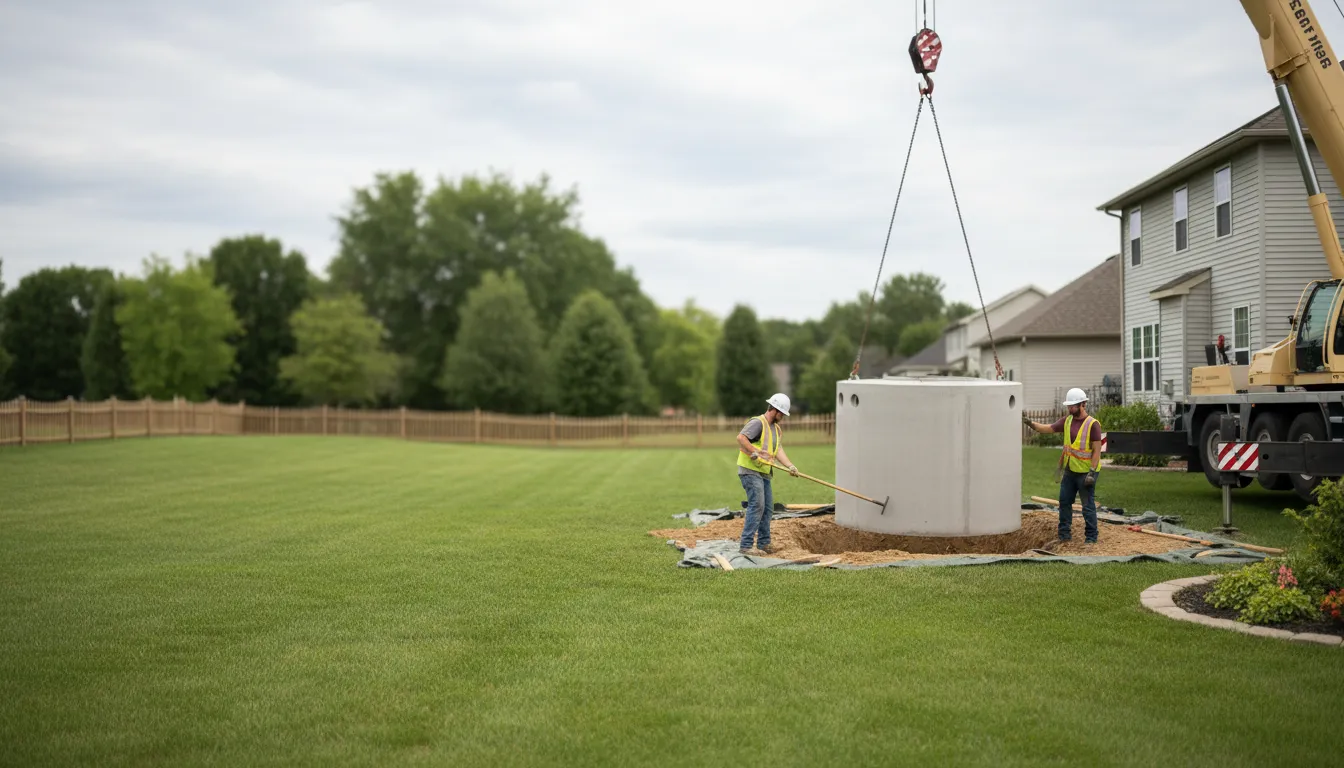
Find the Best Septic Tank Installation & Replacement Contractors for Your Business
No obligation • Fast responses • Nationwide coverage

Why you can trust Septic Spot
Septic Spot is a leading United States resource for understanding and comparing septic services. Our editors review providers using consistent criteria and verify key business details. Listings and scores are independent, and companies cannot pay to influence our content.
Search providers near you
Top Septic Tank Installation & Replacement Contractors in Alameda, California Ranked
Installing or replacing a septic system is a significant home improvement project that ensures the safe and effective treatment of household wastewater. In Alameda, this process is governed by strict local and state regulations designed to protect public health and groundwater quality. This guide explains the key steps, requirements, and considerations for septic system installation and replacement, helping you understand what to expect and how to navigate the process with local professionals.
PICHANGA PUMPING SERVICE LLC
901 N Rengstorff Ave, Mountain View, CA 94043
PICHANGA PUMPING SERVICE LLC is a family-owned business with over 10 years of experience, serving San Jose, CA. They provide septic tank pumping, inspection, repair, and installation services. The company uses specialized equipment for camera inspections and locating issues within pipes and sewer lines. They also offer restroom rentals. Pichanga Pumping Service provides after-hours and emergency services for added convenience.
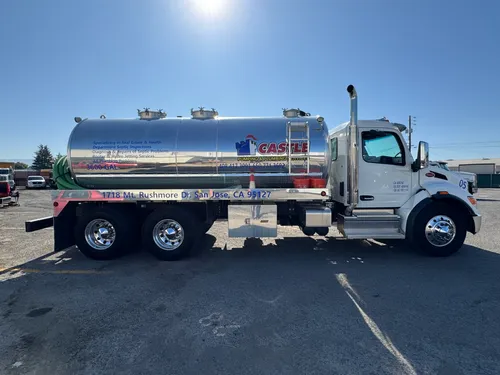
Castle Pumping and Plumbing Services
San Jose, CA
Castle Pumping and Plumbing Services is a locally owned company based in San Jose, CA, offering comprehensive septic system services including pumping, inspections, repairs, and installations. With over 32 years of experience, they serve residential and commercial properties in the San Jose area. Their expertise includes locating septic tanks, performing detailed inspections of tank components, and specialized outflow line exploration to diagnose backups without unnecessary replacements. The company uses advanced equipment and techniques to maintain and repair septic systems, ensuring long-lasting functionality.
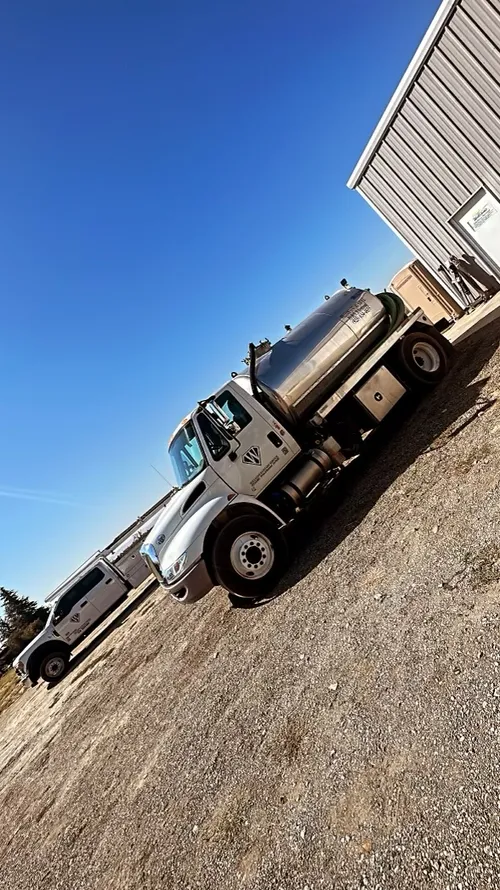
Williams Sanitary Service Inc
Oakland, CA
Williams Sanitary Service Inc is a family-owned septic system company serving Oakland, CA, and surrounding areas since 1950. They provide a full range of septic services including pumping, inspection, repair, and installation for both residential and commercial clients. The company also offers general plumbing services such as drain cleaning and water heater repair. Williams Sanitary Service Inc is equipped to handle all sizes of septic jobs across Contra Costa and Alameda Counties and offers 24/7 service availability.
Understanding Alameda County's Regulatory Framework
All new installations and replacements of Onsite Wastewater Treatment Systems (OWTS) in Alameda County fall under the jurisdiction of the Department of Environmental Health (DEH). The process is guided by the County's own ordinances, specifically Chapter 15.18, and must also comply with standards set by the California State Water Resources Control Board 1. A critical first point to understand is that you cannot obtain a general building or site development permit until your septic system design has been approved by the DEH. This underscores the foundational importance of the septic plan in any property development.
The regulations are particularly stringent regarding system location. The septic system must be situated on the same property as the dwelling it serves and cannot be placed in flood-prone areas. It must also adhere to strict minimum setback distances from structures, property lines, water bodies, and wells 2. Furthermore, if an existing system fails and cannot be repaired, any replacement must be upgraded to meet all current code standards-you cannot simply install a like-for-like system if it doesn't comply with modern requirements 3.
The Critical First Step: Site Evaluation and Soil Testing
Before any design work can begin, a thorough site evaluation is mandatory. This evaluation determines the suitability of your property for a septic leach field. The cornerstone of this assessment is a professional soil percolation test, commonly called a "perc" test.
A qualified professional, such as a licensed engineer or geologist, must perform this test to measure the rate at which water drains through your soil 4 5. For a system to be approved in Alameda County, the soil must demonstrate a percolation rate between 1 and 12 inches per hour 4 6. Soil that drains too quickly (sandy) or too slowly (clay-heavy) can pose significant challenges and may require a more advanced, and costly, system design. This test also helps determine the depth to groundwater; regulations typically require a minimum of 5 feet of separation between the bottom of the leach field trenches and the seasonal high groundwater table 7 8.
System Design and Key Requirements
Once the site evaluation is complete, a system can be designed. A standard requirement for new systems in the county is the inclusion of a dual leach field. This design features two separate absorption areas, allowing one field to "rest" while the other is in use, which can significantly extend the lifespan of the entire system.
The design must also account for specific soil depth. Regulations often call for at least 3 feet of suitable soil below the proposed trench depth. All these factors-perc rate, groundwater depth, soil depth, and property layout-are synthesized into a detailed plan. This plan, created by a qualified designer or engineer, must be submitted to the DEH for review and approval before any construction permit is issued.
The Permit and Installation Process
The formal process follows a series of defined steps:
- Submit Application: The property owner or their agent submits the completed OWTS application, the engineered design plans, and the required fees to the Alameda County DEH 9.
- Permit Issuance: After the DEH reviews and approves the plans, a construction permit is issued. It's important to note that this permit typically expires three years after issuance if work has not begun or been completed.
- Construction & Inspections: Installation proceeds in stages, each requiring inspection by the DEH:
- Initial Inspection: Verification of the site before major work begins.
- Critical Construction Inspection: This is perhaps the most important inspection. The DEH inspector must examine the installed septic tank and, crucially, the open trench dispersal system (leach field) before it is backfilled with soil 10. This ensures the materials, dimensions, and placement match the approved design.
- Final Inspection: Once the system is fully installed and backfilled, a final inspection checks the finished work, including the tank and all inspection ports, to ensure full compliance.
- Final Approval: After passing the final inspection and submitting any required "as-built" drawings, the DEH grants final approval for the system to be placed into service 11.
Find the perfect septic tank installation & replacement contractors for your needs
Get personalized recommendations and expert advice
Understanding Costs for Septic System Work
The cost for a new septic system or a major replacement in Alameda can vary dramatically based on the system type, soil conditions, property accessibility, and the complexity of the design required to meet code. While basic septic system installations in some parts of California may range from $3,000 to $10,000, homeowners in Alameda should be prepared for costs that can be substantially higher due to the stringent local requirements, potential need for advanced treatment systems, and the high cost of living and construction in the Bay Area 12. A complex replacement or a new installation on a challenging site can easily reach into the tens of thousands of dollars. The investment in proper professional design, permitting, and installation is critical for long-term system reliability and compliance.
Choosing the Right Professional for the Job
Given the technical and regulatory complexity, selecting the right team is essential. You will need to work with several licensed professionals:
- Soil Scientist/Geotechnical Engineer: To conduct the official percolation test and site evaluation.
- Septic Designer/Engineer: To create the system plans that will be submitted for permit approval.
- Licensed Installation Contractor: To excavate and install the tank and leach field according to the approved plans.
Look for contractors with extensive local experience in Alameda County. They will be most familiar with the DEH inspectors, common local soil challenges, and the nuances of the county ordinance. Always verify licenses and ask for references from recent, similar projects.
Maintenance Considerations Post-Installation
A new or replacement system is a major investment that should last for decades with proper care. Modern systems, especially those with dual leach fields, require a specific maintenance schedule to function optimally. This typically includes regular pumping of the septic tank (every 3-5 years, depending on usage) and alternating the use of the dual leach fields as prescribed by the designer. Keeping detailed records of all maintenance, inspections, and pumping is not only good practice but may also be required for compliance with local operating permits.
Frequently asked questions
Sources
Footnotes
-
CHAPTER 15.18 County of Alameda Onsite Wastewater Treatment ... - https://www.waterboards.ca.gov/sanfranciscobay/board_info/agendas/2018/April/LAMP/2_AC_Revised_Ordinance.pdf ↩
-
chapter 15.18 - Alameda County - http://www.acgov.org/board/bos_calendar/documents/DocsAgendaReg_05_10_16/HEALTH%20CARE%20SERVICES/Consent%20Calendar/ENVHLTH_231352.pdf ↩
-
ORDINANCE NO - Alameda County - http://www.acgov.org/uninc/documents/OWTS-Draft-Ordinance.pdf ↩
-
California Septic Tank Requirements | Onsite Wastewater ... - https://www.ntotank.com/blog/california-septic-tank-requirements ↩ ↩2
-
Geotechnical and Percolation Soil Testing in California - https://alluvialsoillab.com/pages/geotechnical ↩
-
ONSITE SYSTEMS MANUAL - San Mateo County Health - https://www.smchealth.org/sites/main/files/file-attachments/201601_osm_complete.pdf ↩
-
The Californian's Guide To Septic Tanks - https://cacciaplumbing.com/blog/california-septic-tank-guide/ ↩
-
OWTS Manual - Alameda DEH Home - https://deh.acgov.org/landwater-assets/docs/OWTS-Manual.pdf ↩
-
Pleading Wizard - https://rivcocob.org/sites/g/files/aldnop311/files/migrated/wp-content-uploads-2023-02-650.7.pdf ↩
-
Septic Tank Testing & Inspection | What to Expect Guide | Blog - https://www.blueribbonseptic.com/blog/septic-tank-testing-and-inspection ↩
-
res_79-5.pdf - California State Water Resources Control Board - https://www.waterboards.ca.gov/rwqcb2/water_issues/programs/planningtmdls/basinplan/web/res/res_79-5.pdf ↩
-
Septic Tank Replacement and Drain Field Cost in California - https://www.lanikseptic.com/how-much-does-it-cost-to-replace-a-septic-tank-and-drain-field-in-california/ ↩