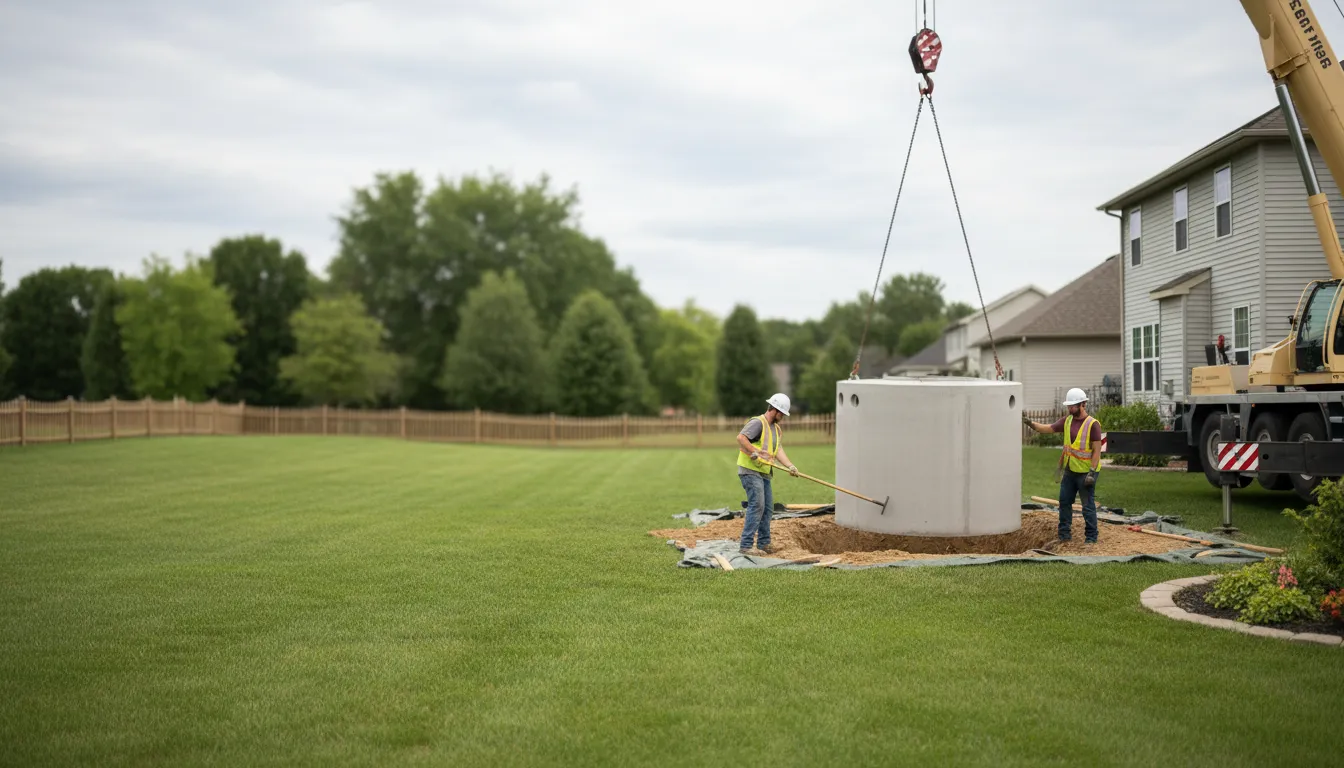
Find the Best Septic Tank Installation & Replacement Contractors for Your Business
No obligation • Fast responses • Nationwide coverage

Why you can trust Septic Spot
Septic Spot is a leading United States resource for understanding and comparing septic services. Our editors review providers using consistent criteria and verify key business details. Listings and scores are independent, and companies cannot pay to influence our content.
Search providers near you
Top Septic Tank Installation & Replacement Contractors in Los Angeles, California Ranked
Installing or replacing a septic system is a significant undertaking for any Los Angeles property owner. This process involves designing an onsite wastewater treatment system that safely processes household waste for homes not connected to a public sewer line. It's a regulated procedure that ensures environmental protection and public health. For homeowners in LA County, navigating the permit process, soil evaluations, and installation requirements is essential. This guide provides a detailed overview to help you understand the steps, costs, and regulations involved in septic tank installation and system replacement locally.
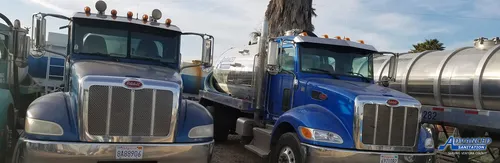
Advanced Sanitation - Septic Tank Pumping, Installation & Repair Ventura County
3379 Somis Rd Unit E, Somis, CA 93066
Advanced Sanitation - Septic Tank Pumping, Installation & Repair Ventura County provides septic system services in Los Angeles, CA, and surrounding areas including Ventura County and nearby cities. They offer septic tank pumping, installation, inspection, and repairs, as well as grease trap maintenance. The company uses modern equipment such as advanced camera technology for system inspections and works with registered geological engineers for septic system design and installation. With over 30 years of experience, Advanced Sanitation serves both residential and commercial clients and offers flexible hours to accommodate business schedules.
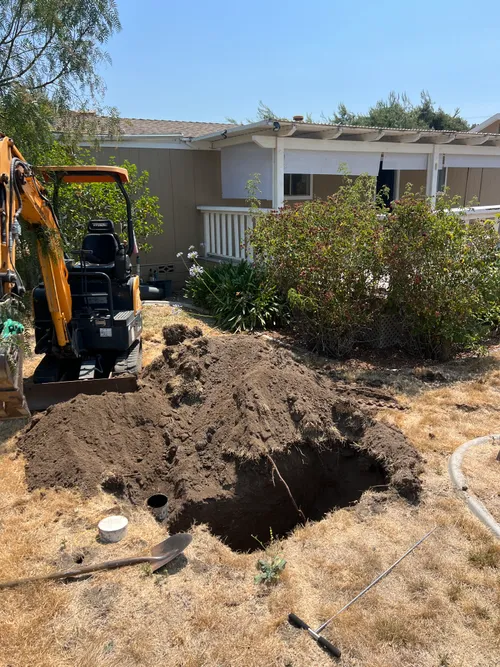
CertifiedSeptic.com
41700 Ivy St STE C, Murrieta, CA 92562
CertifiedSeptic.com provides septic tank pumping, inspection, installation, and maintenance services in Los Angeles, CA. Their offerings include septic pumping, certification inspections, system locating using ground-penetrating radar, sewer line video scoping, and hydro-jetting to clear clogs and buildup. The company designs and installs new septic systems following local regulations to ensure long-term functionality. Hydro-jetting is a key capability, using high-pressure water to clean pipes effectively and eco-friendly.
Sewer Man Septic Tank Pumping
16065 Foothill Blvd # B, Sylmar, CA 91342
Sewer Man Septic Tank Pumping provides septic tank pumping, cleaning, inspection, repair, and installation services in Los Angeles, CA. They use specialized equipment such as vacuum trucks and high-pressure water jets to maintain and clean septic systems, helping prevent backups and slow drainage. The company offers emergency septic pumping services for urgent needs and serves a wide range of nearby communities. Sewer Man Septic Tank Pumping is experienced in handling various septic system maintenance tasks to support property owners in the Los Angeles area.
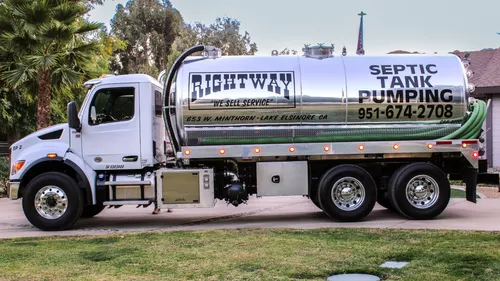
Rightway Septic Tank Pumping
653 W Minthorn St, Lake Elsinore, CA 92530
Rightway Septic Tank Pumping is a family-owned septic service provider based in Lake Elsinore, serving the Inland Empire area including Los Angeles, CA. They offer a range of services such as septic tank pumping, repairs, installations, wastewater treatment maintenance, seepage pit drilling, and septic system locating for both residential and commercial properties. With over 75 years of experience, Rightway is C-42 certified, ensuring compliance with industry standards and regulations. Their capabilities include septic tank pumping and maintenance using advanced equipment and techniques to maintain system efficiency.
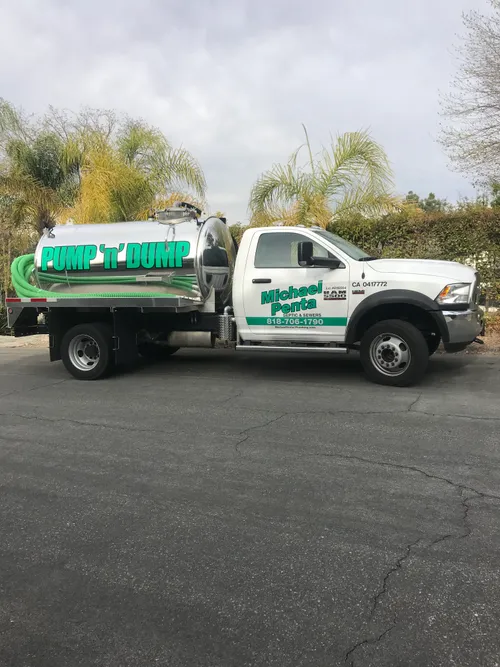
Michael Penta Septic Tank Pumping
Los Angeles, CA
Michael Penta Septic Tank Pumping provides a range of septic services in Los Angeles, CA, including septic tank pumping, installation, inspection, and repair. The company also handles drain field repairs, sewage ejection pump services, and sewer line replacements. Their expertise includes advanced capabilities such as camera inspections for leaks and cracks, soil analysis for leach line repair, and installation of micro septic systems that treat wastewater to a higher quality. They ensure compliance with local regulations and offer comprehensive maintenance to extend the life of septic systems.
Understanding Septic System Basics in Los Angeles
A septic system, or onsite wastewater treatment system (OWTS), is a self-contained sewage treatment solution for properties. In Los Angeles County, these systems are necessary for homes in areas where public sewer lines are not available or accessible. The core components are a watertight septic tank, which separates solids from liquids, and a drain field (or leach field), where the treated liquid effluent is dispersed into the soil for final purification.
The need for a new septic system installation or a full system replacement typically arises in two scenarios: new construction on undeveloped land, or when an existing, failing system can no longer be repaired. Given the environmental sensitivity and dense population in parts of Southern California, local regulations are strict to prevent groundwater contamination and public health risks.
LA County Regulations and Permit Authority
All septic system work in Los Angeles requires approval from the local health department. The primary permitting authority is the LA County Department of Public Health, Environmental Health Division. However, if your property is within an incorporated city like the City of Los Angeles, you may need to work with that city's specific building department (e.g., LA City Department of Building and Safety) in conjunction with county health officials 1.
A critical regulation is the "sewer requirement." If a public sewer line is within 200 feet of your property line, connection to that public sewer is typically mandated by law instead of installing or replacing a private septic tank. This rule aims to phase out decentralized systems where centralized infrastructure exists. For system replacements, this means you must check sewer availability before proceeding with any plans for a new septic tank.
Furthermore, systems are strictly limited to serving only the property they are on. Their capacity is generally capped at 3,500 gallons per day, which is more than sufficient for a single-family home but requires careful planning for larger estates.
The First Step: Site Evaluation and Soil Testing
Before any design can be created, a professional site evaluation is mandatory. This assessment examines soil type, depth to groundwater, lot size, slope, and proximity to water bodies. The most crucial test is the soil percolation test (often called a "perc test").
A licensed professional, such as a soil engineer or septic contractor, must conduct this test. The process involves digging multiple holes in the proposed drain field area, saturating them with water overnight, and then measuring how quickly the water level drops (the percolation rate). Soil must absorb water at a rate typically between 1 and 12 inches per hour to be suitable for a conventional drain field 2 3 4.
Properties with steep slopes (over 20%), high groundwater, or poor soil percolation will require a more complex, engineered septic system. These systems, such as mound systems or aerobic treatment units (ATUs), are designed to overcome site limitations but come at a significantly higher cost 5 6.
The Permit Application and Design Process
Once a site is deemed suitable, the next phase is system design and permit submission. A qualified engineer or designer will create plans that specify the tank size, drain field layout, and all components based on the home's size (number of bedrooms) and the soil test results.
The permit application package, including these detailed plans and the soil report, is submitted to the LA County Department of Public Health for review. Permit fees for this process in Los Angeles County generally range from $320 to $1,880. The design and engineering work for the plan itself can cost an additional $2,000 to $5,000. Approval times can vary, but you cannot proceed with any excavation until you have the permit in hand.
Find the perfect septic tank installation & replacement contractors for your needs
Get personalized recommendations and expert advice
Installation and Inspection Timeline
A professional septic installation contractor will manage the multi-stage process, which is closely monitored by health department inspectors.
- Pre-Installation Inspection: After the permit is issued and before any tank or trenches are placed, an inspector may visit to verify the staking of the system and the suitability of the exposed soil at the bottom of the excavated drain field trenches 7.
- Tank Set Inspection: Once the septic tank is placed in the ground and leveled, an inspection ensures it is watertight, structurally sound, and properly positioned according to the approved plans 8.
- Pipe and Distribution Box Installation: The network of pipes and the distribution box that carries effluent from the tank to the drain field are installed and inspected for proper grade and connection.
- Final Inspection: After the drain field is covered with gravel and soil, a final inspection evaluates the entire system before it is backfilled and the landscape is restored. Passing this inspection is required to close the permit 9.
Cost Breakdown for Septic System Installation
The total cost for a septic system in Los Angeles varies dramatically based on system type, soil conditions, and property characteristics.
- Conventional Gravity System: For a property with good soil and minimal slope, installing a standard system can cost between $5,000 and $10,000+. This includes the tank, drain field, labor, and permitting.
- Engineered or Alternative System: If your property requires a mound system, aerobic unit, or other advanced treatment technology due to poor soil or space constraints, costs can easily exceed $20,000 to $30,000+ 10 11.
- System Replacement: Replacing a failed tank and drain field follows the same cost structure as a new installation, as it involves complete removal of the old system and installation of a new one that meets current codes.
These figures generally do not include costs for landscaping restoration, driveway repairs, or any additional engineering reports that might be required.
Maintaining Your New Septic System
After your new onsite wastewater system is installed, proper maintenance is key to its longevity. The LA County Department of Public Health recommends pumping the septic tank every 3 to 5 years, depending on household size and usage. Avoid flushing harmful chemicals, non-biodegradable materials, and excessive grease. Protect your drain field by not driving or parking heavy vehicles over it and by diverting roof drains and surface water away from the area.
Frequently asked questions
Sources
Footnotes
-
ONSITE WASTEWATER TREATMENT SYSTEM (OWTS) - https://dbs.lacity.gov/sites/default/files/efs/forms/pc17/IB-P-BC-2023-027-OWTS-.pdf ↩
-
California Septic Tank Requirements | Onsite Wastewater ... - https://www.ntotank.com/blog/california-septic-tank-requirements ↩
-
Los Angeles Residential Percolation Test - West Coast Sanitation - https://westcoastsanitationinc.com/los-angeles-residential-percolation-test/ ↩
-
Engineered Septic System Design: A Complete Guide - Land Perc - https://landperc.com/engineered-septic-system-design/ ↩
-
The Californian's Guide To Septic Tanks - https://cacciaplumbing.com/blog/california-septic-tank-guide/ ↩
-
Onsite Wastewater Treatment System in Los Angeles County - http://www.publichealth.lacounty.gov/eh/business/septic-systems.htm ↩
-
Septic Tank Testing & Inspection | What to Expect Guide | Blog - https://www.blueribbonseptic.com/blog/septic-tank-testing-and-inspection ↩
-
The SoCal Guide to Septic Tank Installation - https://www.lanikseptic.com/socal-guide-septic-tank-installation/ ↩
-
Septic System Install Timeline - https://www.rciseptic.com/complete-step-by-step-timeline-septic-system-installation-from-permit-to-finish ↩
-
Septic Tank Replacement and Drain Field Cost in California - https://www.lanikseptic.com/how-much-does-it-cost-to-replace-a-septic-tank-and-drain-field-in-california/ ↩
-
Breaking down expenses: How much does a septic system cost? - https://point.com/blog/how-much-does-a-septic-system-cost ↩