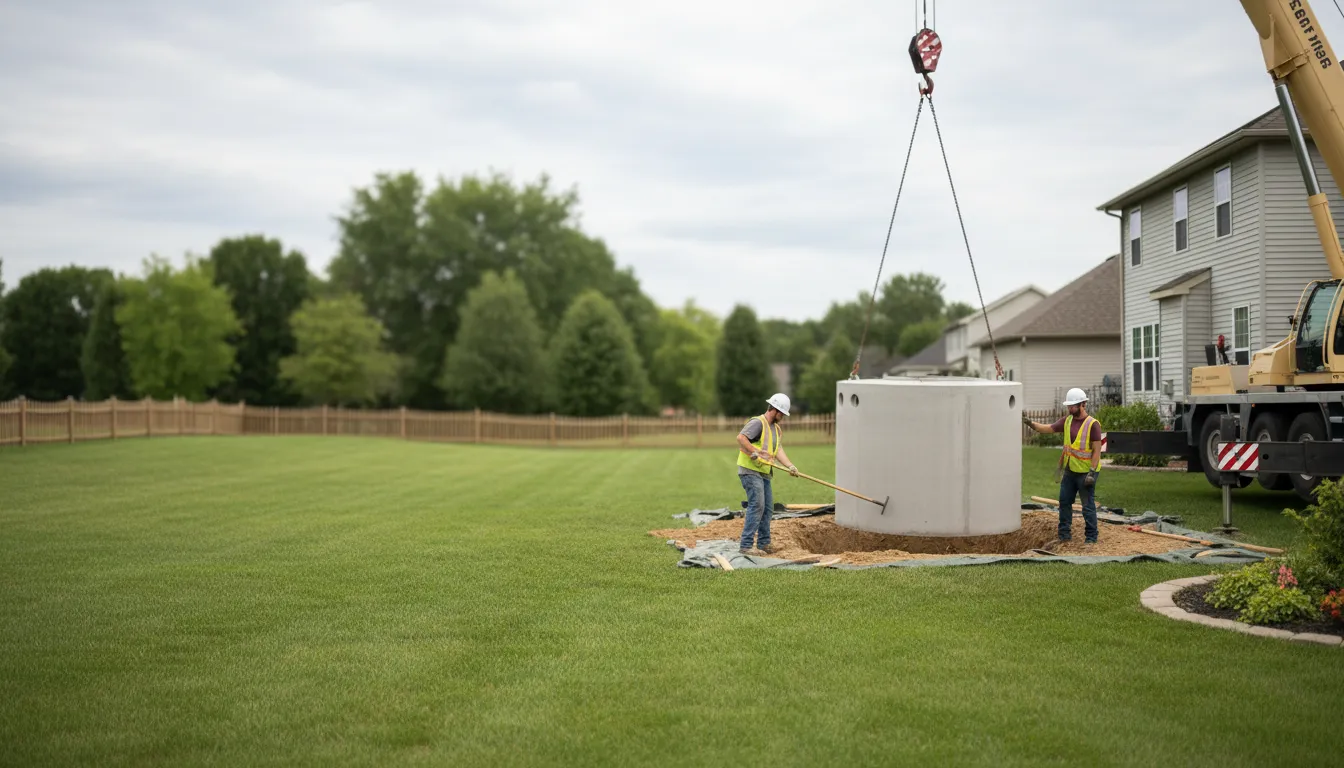
Find the Best Septic Tank Installation & Replacement Contractors for Your Business
No obligation • Fast responses • Nationwide coverage

Why you can trust Septic Spot
Septic Spot is a leading United States resource for understanding and comparing septic services. Our editors review providers using consistent criteria and verify key business details. Listings and scores are independent, and companies cannot pay to influence our content.
Search providers near you
Top Septic Tank Installation & Replacement Contractors in Irvine, California Ranked
Installing or replacing a septic system is a significant home improvement project that requires careful planning, professional expertise, and strict adherence to local regulations. For Irvine homeowners, this process is governed by Orange County's specific environmental health standards to protect groundwater and public safety. This guide explains the key steps, costs, and regulatory requirements for septic system installation and replacement in Irvine, helping you understand what to expect and how to connect with qualified local professionals for your project.
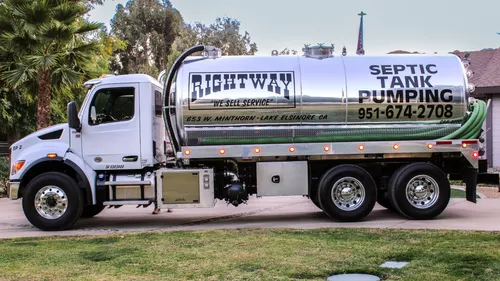
Rightway Septic Tank Pumping
653 W Minthorn St, Lake Elsinore, CA 92530
Rightway Septic Tank Pumping is a family-owned septic service provider based in Lake Elsinore, serving the Inland Empire area including Los Angeles, CA. They offer a range of services such as septic tank pumping, repairs, installations, wastewater treatment maintenance, seepage pit drilling, and septic system locating for both residential and commercial properties. With over 75 years of experience, Rightway is C-42 certified, ensuring compliance with industry standards and regulations. Their capabilities include septic tank pumping and maintenance using advanced equipment and techniques to maintain system efficiency.
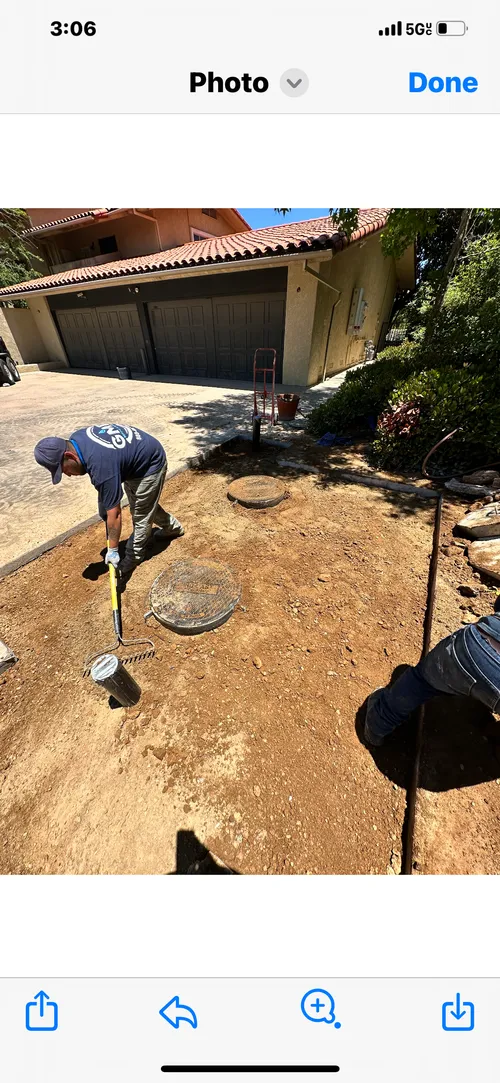
GMP Septic And Sewer
20 Surrey Ln, Rancho Palos Verdes, CA 90275
GMP Septic And Sewer provides a full range of septic services in Los Angeles, CA, including septic tank pumping, cleaning, inspections, repairs, installations, and system upgrades. They handle new construction, remodels, and replacements, ensuring systems are tailored to property needs. The company offers 24/7 emergency services for urgent septic system repairs. Their expertise covers diagnosing leaks, replacing damaged components, and maintaining system performance through regular maintenance and thorough inspections.
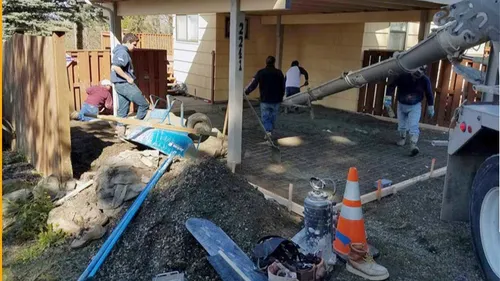
Honey Doo Wagon Septic Pumping
Irvine, CA
Honey Doo Wagon Septic Pumping is a full-service septic company serving Irvine, CA. They offer septic tank pumping, inspections, repairs, installations, replacements, and maintenance. With over 18 years of experience, the company provides a wide range of septic services backed by a commitment to professionalism and integrity.
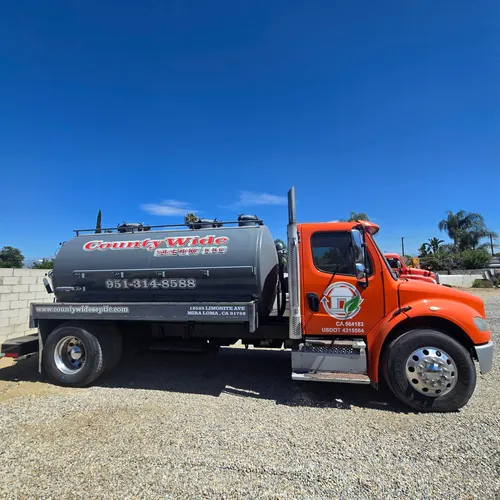
Countywide Septic Pumping LLC
5290 Capella Ct, Jurupa Valley, CA 91752
Countywide Septic Pumping LLC provides septic tank installation, pumping, inspection, and repair services in Los Angeles, CA, and surrounding counties including Riverside, Orange, and San Bernardino. They serve both residential and commercial clients, handling everything from soil sampling and permit acquisition to system maintenance and emergency repairs. The company offers 24-hour emergency septic tank pumping and repair services to address urgent needs promptly. Countywide Septic Pumping uses updated equipment to ensure effective septic system performance and safe installation, supporting properties where municipal water and sewage services are unavailable.
West-End Pumping Company
8130 Arcadia St, Corona, CA 92881
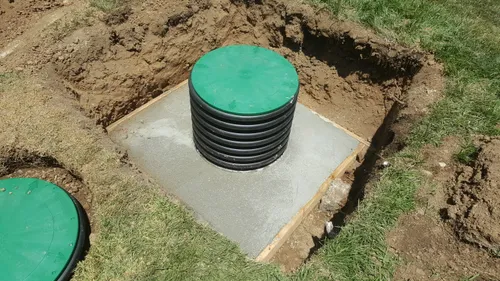
West-End Pumping Company provides septic tank pumping, inspection, repair, and installation services in Los Angeles, CA. They handle septic system excavation and hauling, offering solutions for both residential and commercial properties. The company has been serving customers since 2006, covering areas including Riverside County, Corona, and Eastvale. Their capabilities include emergency septic pumping with response times typically ranging from one to two hours depending on truck availability.
Understanding the Regulatory Landscape in Orange County
In Irvine, all on-site wastewater treatment systems (OWTS), commonly known as septic systems, fall under the jurisdiction of Orange County Development Services (OCDS). You cannot begin any excavation or installation without first obtaining the necessary permits from this agency. The state of California, through the Water Resources Control Board, sets minimum guidelines that all counties must follow, and Orange County has its own specific implementation rules 1.
The permit process is designed to ensure that a septic system is appropriate for your property's specific conditions and will function safely for years to come. A critical rule is the requirement for a primary disposal area and a reserve area of equal size. The reserve area must be kept undisturbed for potential future use if the primary system fails or the home is expanded 2 3. This land-use requirement significantly impacts property planning.
The First Step: Site Evaluation and Soil Testing
Before any design work can start, a thorough site evaluation must be conducted. This is not a simple visual inspection. A qualified professional, such as a Registered Civil Engineer or County Sanitarian, must assess your property's soil profiles, topography, and groundwater depth. The most crucial component of this evaluation is the percolation test (often called a "perc test").
A certified percolation tester performs this test by digging a series of holes in the proposed drain field area, saturating them with water, and then measuring the rate at which the water drains into the soil 4 5. The results determine the soil's absorption capacity, which directly dictates the size of the leach field needed. If the soil percolates too slowly (indicating dense clay) or too quickly (indicating sandy or gravelly soil), a standard conventional septic system may not be approved 6 7. High groundwater levels or bedrock close to the surface can also disqualify a site for a traditional system, potentially requiring a more advanced (and costly) alternative treatment technology.
Designing Your Septic System
Once the site evaluation and perc test are complete, a system can be designed. The design must be completed by a qualified professional and submitted to OCDS for review. The design will specify:
- Tank Size and Type: Typically based on the number of bedrooms in the home (e.g., a 1,000-gallon tank for a 3-bedroom home). Materials include concrete, fiberglass, or polyethylene.
- Leach Field Layout: The size and configuration are calculated from the perc test results. This includes the piping network that distributes effluent from the tank into the soil.
- System Technology: For most properties with suitable soil, a conventional gravity-fed system is designed. For challenging sites, engineered options like mound systems or aerobic treatment units (ATUs) may be necessary.
The design package submitted for permit approval must include the site plan, soil test report, and detailed construction specifications 8.
Navigating the Permit Process
With a completed design in hand, you can apply for the required permits. The main permit is the Private Sewage System Permit from Orange County. According to the City of Irvine's fee schedule, the base fee for this permit is approximately $146.60 9. Be aware that additional fees apply for extra components, such as additional tanks or disposal fields (around $35.16 each) 9. It is essential to verify all current fees directly with OCDS before applying.
The permit review process ensures your proposed system complies with all health and safety codes. After permits are issued, the work can be scheduled, but it is subject to mandatory inspections.
Mandatory Inspections During Installation
You cannot simply install a system and cover it up. County inspectors must approve the work at key stages 10 11:
- Pre-construction/Initial Inspection: This occurs after the excavation for the tank and drain field is complete but before any components are placed. The inspector verifies the dimensions and conditions of the excavated site.
- Final Inspection: This happens after the septic tank, distribution box, and all leach field piping are installed and connected, but before the entire system is backfilled with soil. The inspector checks for proper installation, watertight connections, and overall adherence to the approved plans.
Passing these inspections is mandatory for final approval and system operation.
Find the perfect septic tank installation & replacement contractors for your needs
Get personalized recommendations and expert advice
Understanding the Costs of Installation and Replacement
The cost for a new septic system or a full system replacement in Irvine can vary widely. While average figures for California often range from $3,000 to over $10,000, your final cost is highly dependent on your specific site conditions and system requirements 12 13.
Key factors influencing cost include:
- Site Conditions: Rocky soil, high clay content, or a high water table can drastically increase excavation difficulty and cost.
- System Size and Type: A larger home requires a larger tank and drain field. A conventional system is less expensive than an advanced treatment system needed for difficult soils.
- Scope of Work: Are you installing a brand-new system on vacant land, or replacing a failed tank and leach field on an existing property? A simple tank swap is less expensive than a full leach field replacement.
- Permitting and Design Fees: Include costs for soil testing, engineering design, and county permit fees in your total budget.
Getting multiple detailed quotes from licensed contractors is the best way to understand the potential investment for your property.
Choosing a Qualified Installation Professional
This is not a DIY project. Selecting the right contractor is critical. Look for a licensed septic system installer with extensive experience in Orange County and Irvine specifically. They should be intimately familiar with OCDS procedures, local inspectors, and the unique soil conditions in the area. A reputable professional will handle the permit application process, coordinate inspections, and ensure every phase of the installation meets code. They should provide a detailed written contract outlining the scope of work, materials to be used, timeline, payment schedule, and warranty information.
Long-Term Considerations After Installation
Once your new system is installed and approved, proper maintenance is key to its longevity. This includes regular pumping of the tank (typically every 3-5 years), conserving water to avoid overloading the system, and never planting deep-rooted trees near the drain field. Remember to keep your property records, including the "as-built" diagram of your system's location, in a safe place for future reference and for any potential property sale.
Frequently asked questions
Sources
Footnotes
-
Minimum Guidelines - California State Water Resources Control Board - https://www.waterboards.ca.gov/rwqcb2/water_issues/programs/planningtmdls/basinplan/web/res/res_79-5.pdf ↩
-
On-Site Sewage Guidelines - OC Development Services - https://ocds.ocpublicworks.com/sites/ocpwocds/files/2021-06/On-Site%20Sewage%20Guidelines.pdf ↩
-
Septic System Regulations in Southern California: What You ... - https://www.lanikseptic.com/socal-septic-regulations/ ↩
-
The Californian's Guide To Septic Tanks - https://cacciaplumbing.com/blog/california-septic-tank-guide/ ↩
-
Residential Percolation Test - West Coast Sanitation - https://westcoastsanitationinc.com/residential-percolation-test/ ↩
-
private sewage disposal systems - https://www.waterboards.ca.gov/water_issues/programs/owts/docs/appdxk_ch7ta1401.pdf ↩
-
How to Know if You Need a Septic System Permit - Pippin Home Designs - https://www.pippinhomedesigns.com/septic-system-permit/ ↩
-
What Septic Professionals Look For When Assessing Your Property for Installation - https://www.septiccheck.com/post/what-septic-professionals-look-for-when-assessing-your-property-for-installation ↩
-
BUILDING AND SAFETY - City of Irvine Website - https://legacy.cityofirvine.org/civica/filebank/blobdload.asp?BlobID=25098 ↩ ↩2
-
California Septic Tank Requirements | Onsite Wastewater ... - https://www.ntotank.com/blog/california-septic-tank-requirements ↩
-
Septic System Inspections in Orange County, CA | SewerMan - https://sewerman.com/orange-county/services/oil-to-gas-conversions/ ↩
-
Septic Tank Replacement and Drain Field Cost in California - https://www.lanikseptic.com/how-much-does-it-cost-to-replace-a-septic-tank-and-drain-field-in-california/ ↩
-
Septic Installation Sacramento County | Step-by-Step Guide | Blog - https://www.blueribbonseptic.com/blog/septic-installation-sacramento-county ↩