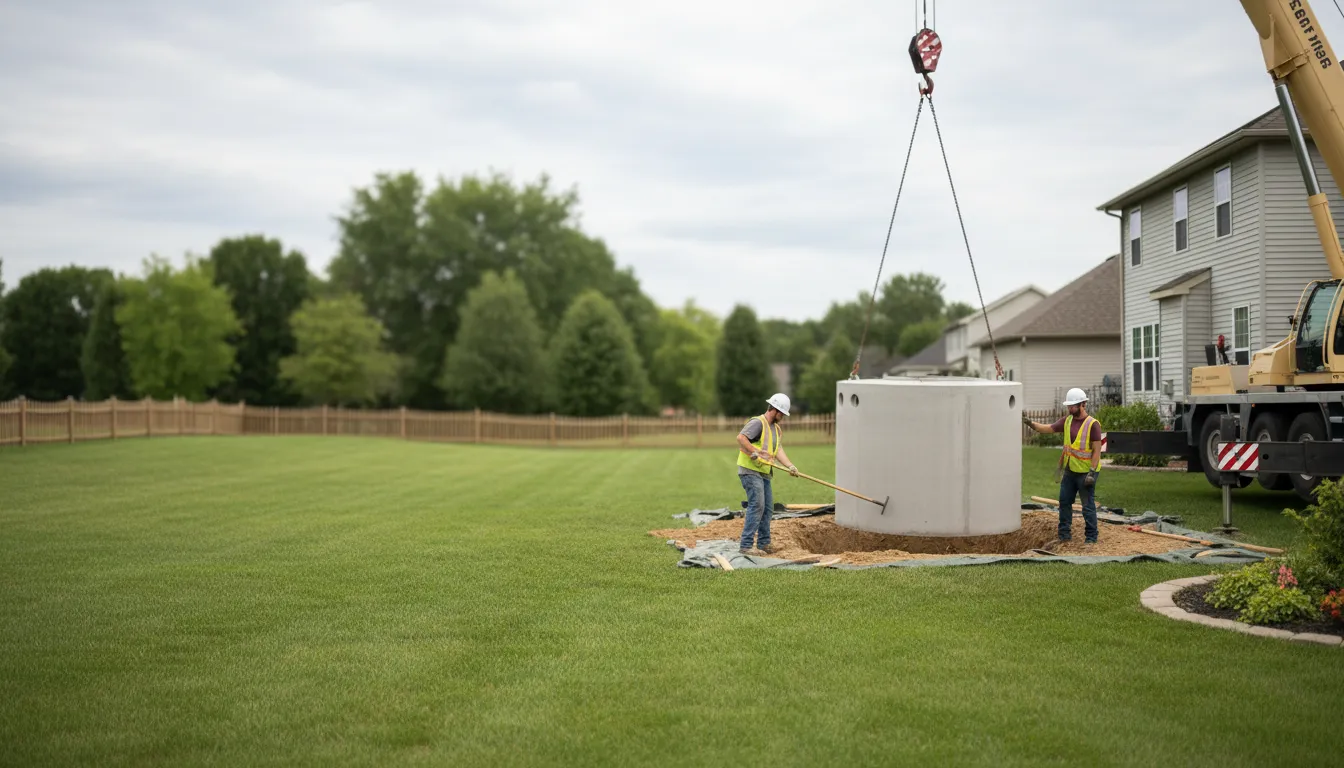
Find the Best Septic Tank Installation & Replacement Contractors for Your Business
No obligation • Fast responses • Nationwide coverage

Why you can trust Septic Spot
Septic Spot is a leading United States resource for understanding and comparing septic services. Our editors review providers using consistent criteria and verify key business details. Listings and scores are independent, and companies cannot pay to influence our content.
Search providers near you
Top Septic Tank Installation & Replacement Contractors in San Diego, California Ranked
Installing or replacing a septic system is a significant project that requires careful planning, professional expertise, and strict adherence to local regulations. In San Diego County, this process is overseen by the Department of Environmental Health and Quality (DEHQ) to protect public health and groundwater quality. Whether you're building a new home, replacing a failing system, or adding an Accessory Dwelling Unit (ADU), understanding the steps, costs, and requirements is crucial. This guide provides a detailed overview of the septic system installation and replacement process specific to San Diego, helping you navigate the journey from initial soil testing to final inspection.
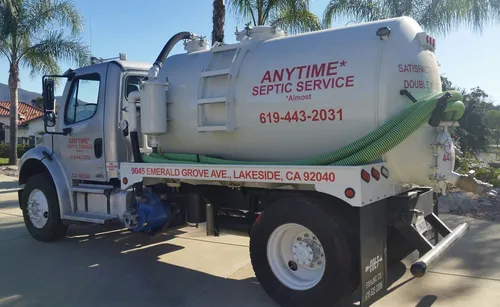
Anytime Septic Service
8867 Gardena Rd, Lakeside, CA 92040
Anytime Septic Service is a family-owned company serving San Diego, CA, with over 55 years of experience in septic system care. They provide septic tank pumping, inspection, repairs, and installation across multiple local communities including El Cajon, Lakeside, La Mesa, and others. The team uses modern techniques and equipment to ensure septic systems function properly, offering thorough visual inspections and detailed explanations of their findings. They also provide after-hours emergency service for urgent septic needs.
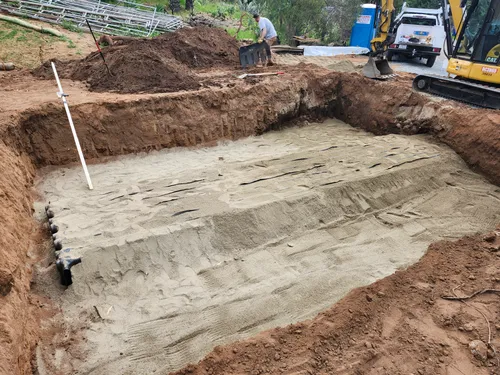
Solid State Septic
Escondido, CA
Solid State Septic is a septic system repair and installation company serving Escondido, CA. They provide septic solutions for both homes and businesses throughout San Diego County. Their services include new septic tank installations and repairs, focusing on meeting community needs with reliable septic system care.
North County Backhoe Service
Murrieta, CA
North County Backhoe Service is a septic system repair and installation company serving Murrieta, CA, and surrounding areas. With 50 years of experience, they handle septic tank repairs and installations, addressing issues such as sewage backups and clogs. The company is known for its knowledgeable team and prompt response to septic problems.

Center Septic
San Diego, CA
Center Septic is a family-owned septic service provider based in San Diego, CA, serving North San Diego County including Valley Center and surrounding areas. The company offers septic tank pumping, cleaning, inspections, repairs, new system installations, and drain field diagnosis and repairs. Center Septic holds a C42 license through the California State Contractor License Board and has been operating since 1995, providing a range of septic system services with trained and knowledgeable staff.
USA Septic
1317 Simpson Way Suite B, Escondido, CA 92029
USA Septic is a septic tank pumping, inspection, repair, and installation company serving San Diego, CA. They provide services including septic system construction, pumping, drain cleaning, and certifications. Their expertise covers drain field repair and replacement, helping maintain and protect septic systems. USA Septic offers guidance on septic system ownership to help customers care for their systems properly.
Understanding the San Diego County Regulatory Framework
Before any shovels hit the ground, the first step is understanding the regulatory body in charge. In San Diego County, the DEHQ is responsible for permitting and inspecting all onsite wastewater treatment systems (OWTS), commonly known as septic systems. Their primary goal is to ensure systems are designed and installed to function properly without contaminating the environment. The county has specific design criteria and procedural manuals that govern everything from tank size to leach field layout. Working with a licensed professional who is familiar with these local codes is not just recommended-it's a requirement for obtaining the necessary permits.
The Critical First Step: Site and Soil Evaluation
The feasibility and design of your entire septic system hinge on the conditions of your property. This is determined through a formal site and soil evaluation, which includes percolation tests and soil profile analysis.
- Percolation Test: This test measures how quickly water drains through the soil in your proposed leach field area. A registered civil engineer, geologist, or environmental health specialist must conduct these tests. The county typically requires a minimum of three test holes in the primary dispersal area and three in the reserve area.
- Soil Profile and Deep Boring: Alongside percolation tests, a deep soil boring is required to determine the depth to seasonal high groundwater or bedrock. San Diego County mandates a minimum separation between the bottom of the leach lines and these restrictive layers to prevent contamination 1.
- Permit for Testing: You must file a Percolation Test Permit Application with the DEHQ before this evaluation can begin 2. The results of these tests will dictate the size, type, and layout of your system.
Designing Your System and the Permit Process
Once the soil evaluation is complete, a system can be designed. The design must comply with San Diego County's Septic System Design Criteria. Key design requirements include:
- Tank Standards: Septic tanks must be IAPMO-approved and are typically at least 1,500 gallons for a standard residential home 3 4.
- Dispersal Area: New installations generally require both a primary leach field and a 100% reserve dispersal area. This reserve area must remain undisturbed for future use if the primary field fails 5 6.
- System Plan Submission: A detailed plan, based on the soil evaluation, must be submitted to the DEHQ for review. This plan includes the tank location, leach line layout, and all construction specifications.
Only after the DEHQ approves the design can you obtain the construction permit. Permit fees vary based on the scope of the project but generally range from $320 to $1,880.
Breakdown of Installation and Replacement Costs
The cost for a new septic system or a full system replacement in San Diego County is highly variable. While basic, smaller systems might start around $3,000, a standard, code-compliant residential installation typically ranges between $5,000 and $10,000 or more. Complex sites with difficult soil, slope, or access issues can drive costs significantly higher. The major cost components include:
- Engineering & Soil Testing: $1,500 - $4,000.
- County Permit Fees: $320 - $1,880 7.
- Excavation, Tank, & Materials: This is the largest variable, covering the concrete or plastic tank, piping, gravel, and leach field construction.
- Labor: Costs for the licensed installer's crew.
It's important to note that adding an Accessory Dwelling Unit (ADU) may trigger a requirement for a full septic system upgrade or expansion, which can substantially increase the overall project budget 8.
Find the perfect septic tank installation & replacement contractors for your needs
Get personalized recommendations and expert advice
The Installation Phase: What to Expect
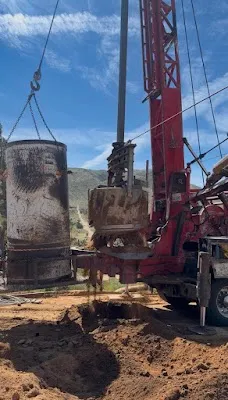
With permits in hand, the physical installation begins. This phase involves coordinated work between excavators, the septic installer, and county inspectors.
- Excavation: The tank hole and leach field trenches are dug according to the approved plan.
- Tank Placement: The IAPMO-approved tank is set in place and leveled. All inlet and outlet pipes are connected.
- Leach Field Construction: Perforated distribution pipes are laid in the trenches on a bed of gravel, then covered with more gravel and a protective barrier fabric before being backfilled with soil.
- System Integration: The system is connected to the home's plumbing waste line.
Mandatory Inspections for Approval
The DEHQ conducts critical inspections at various stages to ensure compliance. Failing an inspection can lead to costly rework, so it's essential your installer schedules these at the correct times 9.
- Site/Soil Evaluation Review: Confirmation of the test results and proposed design 10.
- Open Trench Inspection: This is a crucial inspection that occurs before the leach lines or tank are covered. The inspector checks for proper pipe material, spacing, depth, gravel quality, and overall construction against the approved plan 11.
- Final Inspection: Once the entire system is installed and backfilled, a final inspection is conducted. Approval from this inspection is required for the system to be legally placed into operation 12.
Choosing a Licensed Septic Professional in San Diego
Given the technical and regulatory complexity, selecting the right contractor is the most important decision you'll make. Look for a licensed septic system installer with a strong track record in San Diego County. They should be intimately familiar with DEHQ processes, local soil conditions, and the latest system technologies. Ask for references, verify their license is current, and ensure they handle the permit application and inspection scheduling as part of their service. A reputable professional will guide you through each step, ensuring your new wastewater system is reliable, efficient, and fully permitted.
Frequently asked questions
Sources
Footnotes
-
Percolation Test and Vertical Pit Capacity ... - SanDiegoCounty.gov - https://www.sandiegocounty.gov/content/dam/sdc/deh/lwqd/Percolation_Test_and_Vertical_Pit_Capacity_Test_Procedures_Guidance_Document.pdf ↩
-
percolation test/soil profile permit application - County of San Diego - https://www.sandiegocounty.gov/content/dam/sdc/deh/lwqd/Percolation_Test_Permit_Application_FILLABLE.pdf ↩
-
Design Manual for Onsite Wastewater Treatment Systems - https://www.sandiegocounty.gov/content/dam/sdc/pds/ceqa/Soitec-Documents/Final-EIR-Files/references/rtcref/ch3.1.9/2014-12-19_DEH2010.pdf ↩
-
ordinance no. 10136 (ns) - County of San Diego - https://www.sandiegocounty.gov/content/dam/sdc/pds/ceqa/JVR/AdminRecord/IncorporatedByReference/Section-2-5---Geology--Soils-and-Seismicity-References/County%20of%20San%20Diego%202011d_Ord10136.pdf ↩
-
Septic System Design Criteria - County of San Diego - https://www.sandiegocounty.gov/content/dam/sdc/deh/lwqd/Septic_System_Design_Criteria_3-22-10.pdf ↩
-
Frequently Asked Questions on Septic Systems - County of San Diego - https://www.sandiegocounty.gov/content/sdc/deh/lwqd/lu_septic_systems/lu_septic_faqs_page.html ↩
-
Septic Tank Replacement and Drain Field Cost in California - https://www.lanikseptic.com/how-much-does-it-cost-to-replace-a-septic-tank-and-drain-field-in-california/ ↩
-
California Septic System Requirements for ADU Construction - https://www.facebook.com/groups/howtoadu/posts/2769400236548732/ ↩
-
A Guide to Septic System Permits and Regulations | Express Septic - https://septicsystempumping.com/a-guide-to-septic-system-permits-and-regulations/ ↩
-
Septic Systems - County of San Diego - https://www.sandiegocounty.gov/content/sdc/deh/lwqd/lu_septic_systems.html ↩
-
Septic Installer Refresher Course - https://phd5.idaho.gov/Documents/Environmental-Health/Septic-Installer/2025_Installer_Course.pdf ↩
-
What to Expect During a Septic System Replacement - Townes Septic Service - https://www.townesseptic.com/blog/what-to-expect-during-a-septic-system-replacement ↩