
Find the Best Septic Tank Installation & Replacement Contractors for Your Business
No obligation • Fast responses • Nationwide coverage

Why you can trust Septic Spot
Septic Spot is a leading United States resource for understanding and comparing septic services. Our editors review providers using consistent criteria and verify key business details. Listings and scores are independent, and companies cannot pay to influence our content.
Search providers near you
Top Septic Tank Installation & Replacement Contractors in Santa Rosa, California Ranked
Installing or replacing a septic system is a significant investment in your property's infrastructure and environmental health. In Santa Rosa, this process is governed by specific local regulations to protect groundwater and public safety. This guide explains the key steps, costs, and regulatory requirements for septic system installation and replacement in Sonoma County, helping you navigate the process from initial planning to final inspection.
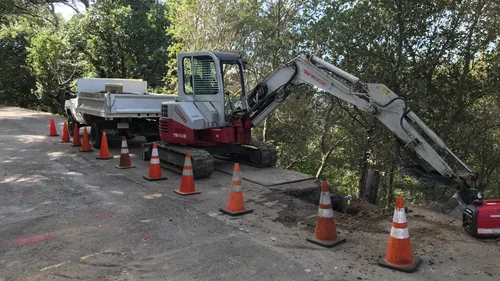
Howie Excavating & Grading
1090 Rubicon Way, Santa Rosa, CA 95401
Howie Excavating & Grading is a contractor based in Santa Rosa, CA, specializing in septic system installation and repair along with a range of excavation and grading services. They offer underground utility installation, drainage design, sewer line repair and replacement, and concrete foundation work. Their capabilities include septic tank installation and septic system repair, serving residential and commercial needs in the Santa Rosa area. The company operates Monday through Saturday and provides a variety of site preparation and construction services.
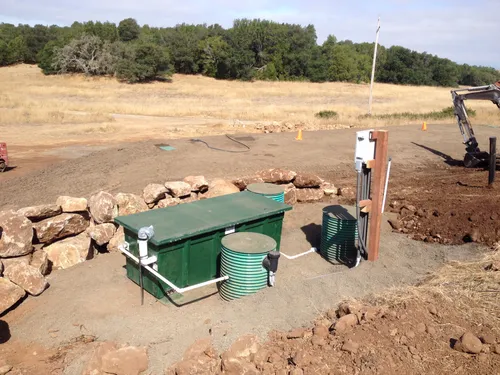
C&C Contracting
Santa Rosa, CA
C&C Contracting is a licensed and insured septic system repair and installation company serving Santa Rosa, CA. They provide services to homeowners in Sonoma County and Marin County, specializing in septic system installation and repairs. With over 23 years of experience, they ensure systems are installed according to local codes and offer guidance on proper maintenance.
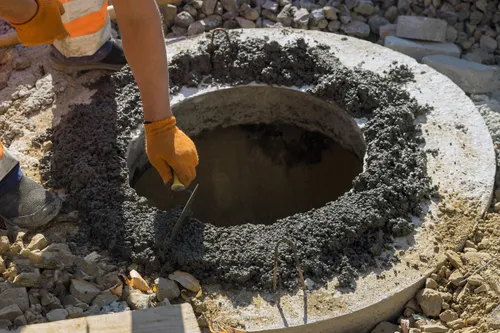
NorCal Superior Systems
Santa Rosa, CA
NorCal Superior Systems is a septic tank inspection, repair, and installation company serving Santa Rosa, CA, and the surrounding Napa, Sonoma, and Marin counties. With over 20 years of experience, the company offers services including septic system installations, repairs, hydrojet septic line cleaning, and inspections using advanced technology like borescopes for precise diagnostics. As a licensed, bonded, and insured contractor, NorCal Superior Systems handles both commercial and residential projects with a focus on safety and quality.
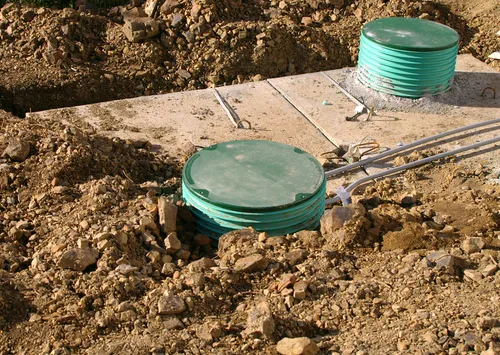
Joe's Farmer Septic & Grease Service, INC
Santa Rosa, CA
Joe's Farmer Septic & Grease Service, INC provides septic tank installation, inspection, pumping, and repair services in Santa Rosa, CA. They serve both residential and commercial clients, handling all aspects from soil sampling to system installation while managing permits and building code requirements. Their licensed team uses updated equipment to maintain septic systems, ensuring proper wastewater treatment and drainage. The company also offers emergency septic system inspections for urgent issues.
Understanding the Regulatory Landscape in Sonoma County
All septic system work in Santa Rosa and the surrounding unincorporated areas of Sonoma County is regulated by Permit Sonoma, the county's planning, building, and permitting agency. Their primary goal is to ensure that onsite wastewater treatment systems (OWTS) are designed and installed to safely treat household effluent without contaminating the environment. The rules are detailed in the Sonoma County Code, specifically Chapter 15-28 on Private Sewage Systems.
Whether you're building a new home on a parcel without sewer access or replacing a failing system, your project must comply with current standards. These standards have evolved to be more stringent, especially concerning groundwater protection. A system that was legal when originally installed decades ago may not meet today's code for a replacement, which is a critical point for homeowners to understand before beginning.
The Step-by-Step Process for a New or Replacement System
Navigating the septic permitting process involves several defined stages. Permit Sonoma provides a helpful flowchart for new or replacement system permits, which outlines the journey.
1. Hire a Qualified Consultant: Your first step is to engage a licensed septic system designer, engineer, or consultant. This professional will guide you through the technical requirements.
2. Site Evaluation and Percolation Testing: A County Sanitarian will typically perform a preliminary site inspection to identify potential locations for the septic tank and drain field. The most critical technical step is the percolation test (often called a "perc test"). This test, which must often be conducted under wet weather conditions to simulate the worst-case scenario, measures how quickly water drains through your soil. The results determine the soil's absorption rate and identify limiting factors like high clay content, shallow bedrock, or a high groundwater table.
3. System Design and Plan Submission: Your consultant uses the site evaluation and perc test data to design a system that meets the calculated wastewater flow and site constraints. This design plan is then submitted to Permit Sonoma for review 1.
4. Permit Acquisition: Once the design is approved, you can obtain the necessary construction permit. It's crucial not to begin any excavation or installation work before this permit is in hand.
5. Installation and Inspection: A licensed contractor installs the system according to the approved plans. Permit Sonoma inspectors will monitor critical stages of the installation, including the placement of the septic tank, piping, and the dispersal (leach) field, to ensure compliance 2.
6. Final Approval: A final inspection is required to receive approval for the system to be placed into operation.
The Critical Role of Wet Weather Percolation Testing
In Sonoma County, standard percolation testing often isn't enough. Due to seasonal groundwater levels, wet weather testing is frequently mandated 3. This means the test pits are dug and saturated during the rainy season (generally November through April) to prove the soil can adequately absorb effluent even when the ground is at its wettest 4.
The procedure involves digging test holes to the proposed depth of the drain field, presoaking them for a set period, and then measuring how long it takes for water to drop a specific distance. A slow percolation rate may require a larger drain field or a more advanced, engineered system 5. This requirement underscores the county's focus on preventing system failure and groundwater pollution during the wettest months.
Types of Systems and Operational Permits
Most homes in suitable soils can use a conventional gravity system, which is often the most cost-effective. However, challenging sites with poor drainage, high groundwater, or small lot sizes may require an alternative or engineered system. These can include pressurized drip dispersal, sand filters, or aerobic treatment units (ATUs).
A key regulatory difference is that non-standard systems require an Operational Permit (OPR) from Permit Sonoma. This permit mandates that the homeowner enters into a maintenance contract with a qualified service provider and submits biennial monitoring reports to the county to ensure the system continues to function as designed. This long-term oversight is essential for the performance of more complex technologies.
Find the perfect septic tank installation & replacement contractors for your needs
Get personalized recommendations and expert advice
Understanding the Costs Involved
The total cost for a new septic system installation or a full system replacement in Santa Rosa is highly variable, but planning for a significant investment is wise. Costs are broken down into several categories:
- Permit Fees: Permit Sonoma fees for land permits related to septic systems generally range from $320 to $1,880, depending on the complexity and type of system.
- Soil Testing and Design: The site evaluation, percolation testing, and engineering design work by your consultant can cost several thousand dollars 6.
- Equipment and Materials: The septic tank itself is a major component. A standard 1,000-gallon concrete tank can cost between $500 and $900, with prices increasing for larger sizes or different materials like plastic or fiberglass 7.
- Installation Labor: This is typically the largest expense, covering excavation, tank placement, pipe laying, and drain field construction.
When combined, a standard residential gravity system can often range from $3,000 to over $10,000 for a complete installation 8. The final price is influenced by system complexity (e.g., a conventional system vs. an engineered alternative), site accessibility, soil conditions, and local labor rates. A full septic tank and drain field replacement in California tends to fall on the higher end of this spectrum due to the extensive excavation and material costs involved 8 9.
Replacing an Existing or Failing System
Replacing a failing septic system follows the same permit process as a new installation, but with an added urgency. It's crucial to know that replacement systems must comply with current Sonoma County Code and Regional Water Board regulations, not the codes in effect when the original system was built 10 11. This means your replacement system may need to be a different type or located in a different area of your property than the old one.
Signs of failure include sewage backups, foul odors, soggy ground or lush grass over the drain field, and slow-draining fixtures. If you suspect a failure, contact a licensed septic professional for an inspection 12. Proactively replacing an aging system before it fails catastrophically can prevent property damage and environmental health issues.
Final Inspections and Long-Term Responsibility
After installation, the final county inspection is mandatory to receive approval to use the system 13. Passing this inspection confirms the work was done to code. For homeowners, the responsibility then shifts to proper long-term maintenance, including regular pumping of the septic tank (typically every 3-5 years) and careful water usage. For systems with an Operational Permit, adhering to the mandated maintenance and reporting schedule is a legal requirement 14.
Frequently asked questions
Sources
Footnotes
-
New or Replacement Septic Permit Flowchart - https://permitsonoma.org/divisions/engineeringandconstruction/wellandsepticsystems/septicsystems/septicsystemflowcharts/neworreplacementsepticpermitflowchart ↩
-
The Californian's Guide To Septic Tanks - Caccia Home Services - https://cacciaplumbing.com/blog/california-septic-tank-guide/ ↩
-
Chapter 15-28: PRIVATE SEWAGE SYSTEMS - eCode360 - https://ecode360.com/42965393 ↩
-
Percolation Testing for Septic Development - Sonoma County - https://www.bcengineeringgroup.com/blog/percolation-testing-for-septic-development-sonoma-county ↩
-
Residential Percolation Test - West Coast Sanitation - https://westcoastsanitationinc.com/residential-percolation-test/ ↩
-
Septic systems in Sonoma County: costs explained - https://www.modernlivingsonoma.com/2022/09/26/a-guide-to-septic-systems-in-sonoma-county/ ↩
-
Residential Septic Tank Pricing | Homeowner's Guide to Costs - https://www.ntotank.com/blog/residential-septic-tank-pricing ↩
-
Septic Tank Replacement and Drain Field Cost in California - https://www.lanikseptic.com/how-much-does-it-cost-to-replace-a-septic-tank-and-drain-field-in-california/ ↩ ↩2
-
Breaking down expenses: How much does a septic system cost? - https://point.com/blog/how-much-does-a-septic-system-cost ↩
-
Well and Septic Systems - Permit Sonoma - https://permitsonoma.org/divisions/engineeringandconstruction/wellandsepticsystems ↩
-
California Septic Tank Requirements | Onsite Wastewater ... - https://www.ntotank.com/blog/california-septic-tank-requirements ↩
-
Inspect Septic System | Santa Rosa, CA - https://www.bdksepticservice.com/septic-inspections ↩
-
Wastewater Discharge Permits | Santa Rosa, CA - SRCity.org - https://www.srcity.org/1239/Wastewater-Discharge-Permits ↩
-
Septic Systems - https://permitsonoma.org/divisions/engineeringandconstruction/wellandsepticsystems/septicsystems ↩