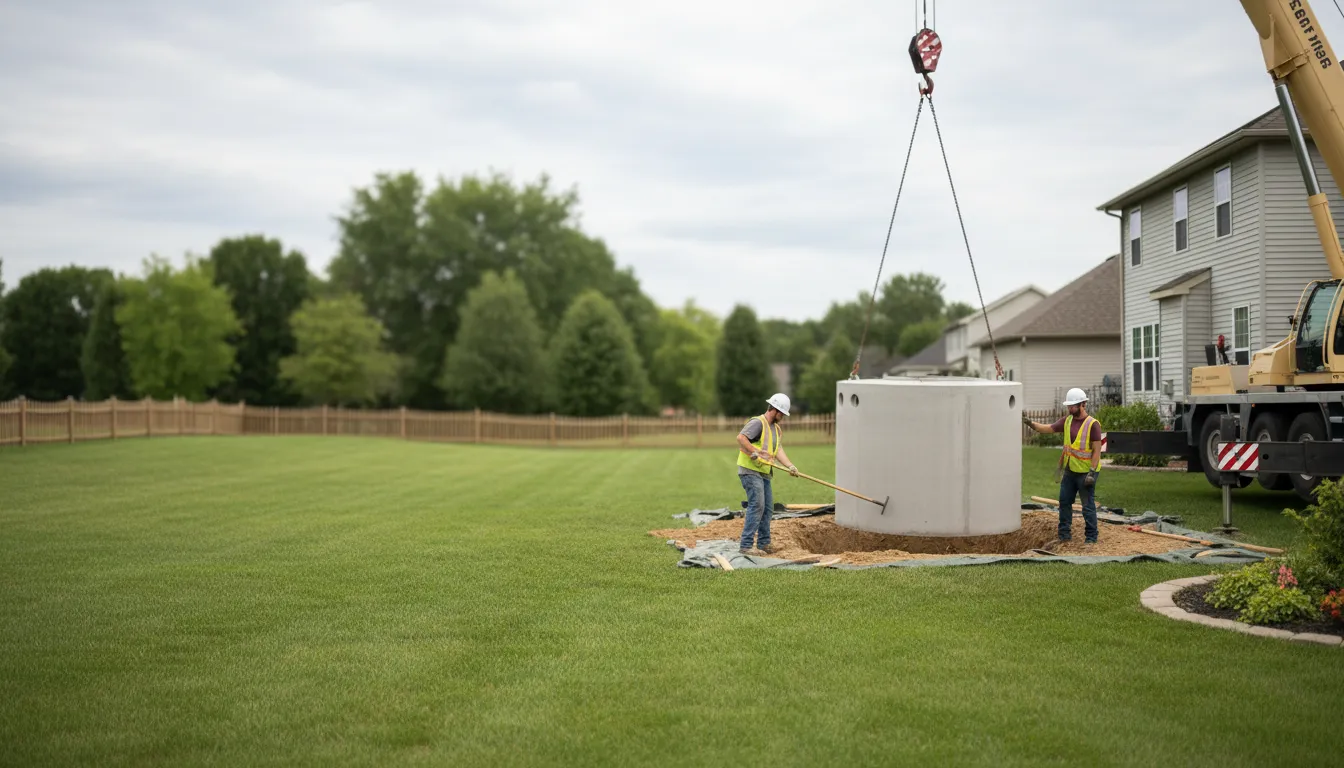
Find the Best Septic Tank Installation & Replacement Contractors for Your Business
No obligation • Fast responses • Nationwide coverage

Why you can trust Septic Spot
Septic Spot is a leading United States resource for understanding and comparing septic services. Our editors review providers using consistent criteria and verify key business details. Listings and scores are independent, and companies cannot pay to influence our content.
Search providers near you
Top Septic Tank Installation & Replacement Contractors in Long Beach, California Ranked
Installing or replacing a septic system is a significant project that requires careful planning, professional expertise, and strict adherence to local regulations. For Long Beach homeowners, this process is governed by the Los Angeles County Department of Public Health and California's Onsite Wastewater Treatment Systems (OWTS) policy. A properly designed and permitted system protects your property value, public health, and the local environment. This guide outlines the key steps, costs, and regulations to help you understand what's involved in septic system installation and replacement in Long Beach, so you can make informed decisions when selecting a qualified local provider.
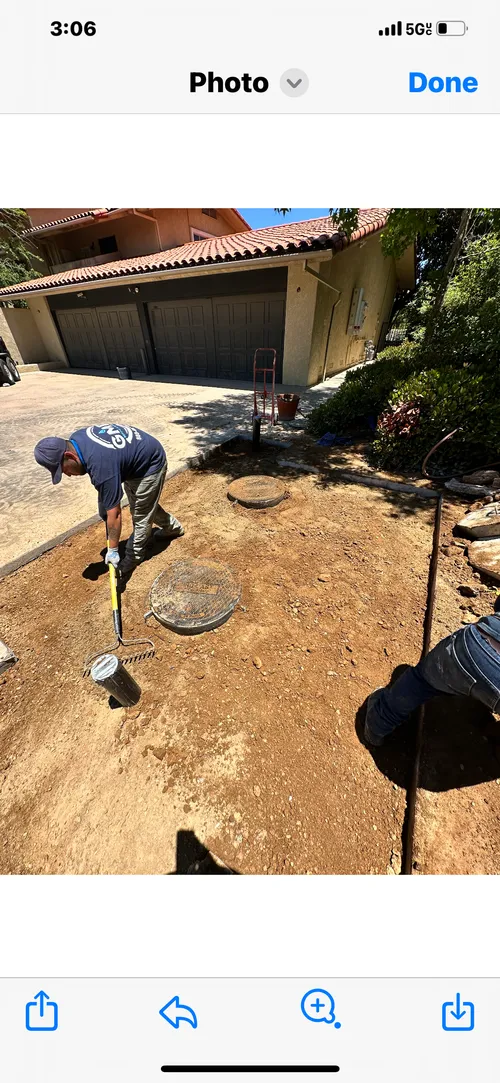
GMP Septic And Sewer
20 Surrey Ln, Rancho Palos Verdes, CA 90275
GMP Septic And Sewer provides a full range of septic services in Los Angeles, CA, including septic tank pumping, cleaning, inspections, repairs, installations, and system upgrades. They handle new construction, remodels, and replacements, ensuring systems are tailored to property needs. The company offers 24/7 emergency services for urgent septic system repairs. Their expertise covers diagnosing leaks, replacing damaged components, and maintaining system performance through regular maintenance and thorough inspections.
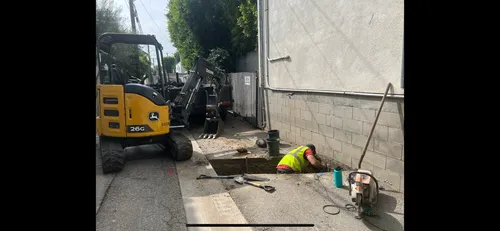
Just Sewers, INC
Los Angeles, CA
Just Sewers, INC is a sewer and septic service provider based in Los Angeles, CA. They offer a wide range of services including septic tank pumping, inspection, and installation, as well as sewer line cleaning, repair, replacement, and trenchless sewer solutions. Serving Los Angeles and surrounding communities such as Pasadena, Hollywood, Beverly Hills, and Santa Monica, they utilize advanced tools like video inspections and hydro jetting to address plumbing issues efficiently. The company operates 24/7 to handle emergencies and routine maintenance, helping to prevent costly backups and system failures.
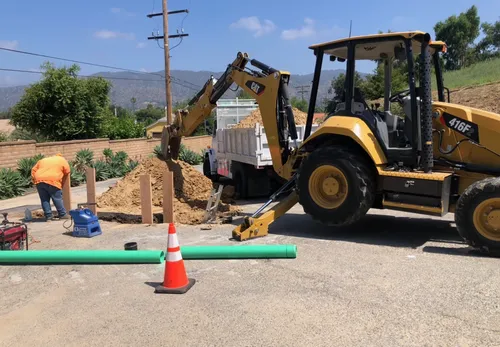
Carter Sanitation Sewer & Septic
4266 Elton St, Baldwin Park, CA 91706
Carter Sanitation Sewer & Septic provides septic and sewer services in Los Angeles, CA, with a focus on the San Gabriel Valley. The company offers septic system installation, pumping, repair, sewer line services, trenchless sewer solutions, street excavation, and drain cleaning for residential, commercial, industrial, and municipal properties. Established in 1969, Carter Sanitation brings over 50 years of experience to its work, emphasizing environmental responsibility and customer satisfaction.
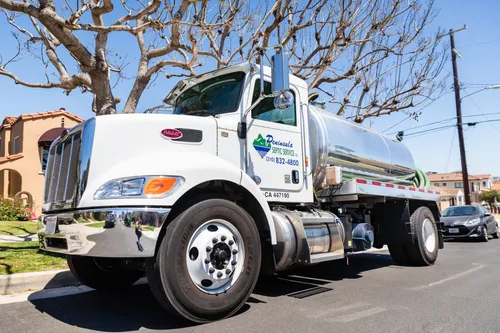
Peninsula Septic Service
Long Beach, CA
Peninsula Septic Service is a local, family-owned company serving Long Beach, CA, and the surrounding South Bay area. With over 30 years of experience, they specialize in septic system repair, maintenance, and installation for both residential and commercial properties. Their team includes NAWT-certified and California on-site wastewater-certified professionals who handle jobs of any scale. Peninsula Septic Service offers 24/7 emergency services, responding within two hours, and provides multi-tank and commercial discounts.

J. F. Prieto Engineering Construction Inc.
5180 Alhambra Ave, Los Angeles, CA 90032
J. F. Prieto Engineering Construction Inc. is a family-owned general engineering contractor based in Los Angeles, CA. The company has served the greater Los Angeles County area for over 50 years, specializing in septic system repair and septic tank installation. Their services include wastewater repairs, restorations, and new installations for sewer and septic applications, as well as concrete and asphalt work such as foundations, retaining walls, and street restoration. They also handle underground utilities including electrical conduit and water connections.
Understanding the Permit Process in Los Angeles County
Before any work begins, you must secure the proper permits from the Los Angeles County Department of Public Health. This is a non-negotiable first step for any new construction, repair, or full replacement of a septic system. The permit application process ensures your project meets all state and county health codes designed to prevent groundwater contamination.
The county's Environmental Health Services Division will review your submitted plans. For specific cases, especially when rebuilding after a disaster, it's crucial to check directly with this division for the most current requirements 1. Attempting to install a septic tank or drain field without the required permits can result in significant fines and the order to remove the non-compliant system.
Critical First Steps: Site Evaluation and Soil Testing
A successful septic system installation hinges on the property's soil and site conditions. A qualified professional, such as a licensed soil engineer or an approved evaluator, must perform a comprehensive site analysis.
Key components of the evaluation include:
- Soil Profile Analysis: A deep soil pit is dug to examine the soil layers (profile) down to the required depth, identifying textures like sand, silt, or clay.
- Percolation Test: This test measures how quickly water drains through the soil. In California, soils with percolation rates slower than 60 minutes per inch often require specially engineered systems or encounter permitting issues.
- Topography and Slope: The slope of your land is critical. Generally, no septic system construction can occur on slopes greater than 30% 2.
- Groundwater Assessment: The evaluator determines the seasonal high groundwater level to ensure the system's drain field has adequate separation from saturated soil.
These tests directly determine the size and type of system your property can support. For instance, soils with high clay content have poor absorption and typically require a much larger leaching field-often as much as 120 square feet per 100 gallons of wastewater per day 3.
Designing Your Septic System: Plans and Reserve Area
Once the site evaluation is complete, a licensed civil or sanitary engineer must design the system. The design plans must comply with the California Plumbing Code and all Los Angeles County standards before they can be submitted for permit approval.
A crucial and often overlooked requirement for new construction or major replacements is the 100% reserve area 4 5. You must demonstrate that your property has enough suitable space for a completely separate, second leach field. This reserve area cannot be built upon, paved over, or otherwise compromised, as it is meant for future expansion or replacement if the primary field ever fails.
The Installation Timeline and Key Inspections
A standard septic system installation follows a defined sequence, punctuated by mandatory inspections. The timeline from permit to completion can vary from several weeks to months, depending on soil conditions, design complexity, and inspector scheduling 6.
- Site Inspection: After permits are issued, an initial inspection verifies the staking and layout of the proposed system components against the approved plans.
- Excavation and Tank Placement: The septic tank and leach field trenches are excavated. The tank is carefully set and leveled.
- Open Trench Inspection: This is a critical milestone. Before any pipe or gravel is placed in the leach field trenches, a county inspector must verify the trench depth, width, and bottom condition.
- System Assembly: After the open trench passes inspection, perforated distribution pipes are laid in the trenches on a bed of gravel, connected to the tank, and covered.
- Final Inspection: Once all components are installed and buried, a final inspection is conducted to ensure everything complies with the approved design. Only after this inspection passes can the system be put into operation 7 8.
Find the perfect septic tank installation & replacement contractors for your needs
Get personalized recommendations and expert advice
Cost Factors for Septic Systems in Long Beach
The cost of a new septic system or a full septic tank and drain field replacement in California typically ranges between $3,000 and $10,000 for a conventional gravity-fed system 9 10. However, in Long Beach and surrounding Southern California areas, several factors can push costs significantly higher.
Primary cost drivers include:
- Soil Conditions: Poor-draining clay soils or sites with high groundwater often require larger drain fields or more expensive alternative technologies, increasing material and labor costs.
- System Type: If a conventional system isn't viable, an Alternative Treatment Unit (ATU) or other engineered system may be needed, which can double or triple the total project cost 11.
- Property Accessibility: Difficult site access for heavy machinery can increase excavation time and cost.
- Permitting and Design Fees: Fees for soil testing, engineering design, and county permit applications are separate from the physical installation costs.
For a precise estimate, it's essential to get detailed quotes from licensed, insured contractors who include all permitting, design, and inspection fees in their proposals.
Choosing the Right Contractor for Your Project
Selecting a qualified professional is the most important decision you'll make. Look for a contractor with extensive local experience in Long Beach and Los Angeles County. They should be intimately familiar with the county's specific inspectors, permit processors, and common soil challenges.
Verify that they are licensed, bonded, and insured. Ask for references from recent projects and examples of approved system designs they have handled. A reputable contractor will handle the entire process-from initial site evaluation and engineering design to pulling permits and scheduling inspections-providing you with a single point of contact and responsibility.
Maintaining Your New Septic System
Once your new system is operational, proper maintenance is key to a long lifespan. This includes having the septic tank pumped regularly (typically every 3-5 years), conserving water to avoid overloading the drain field, and never flushing harmful chemicals or non-biodegradable materials. Protect your investment by avoiding planting deep-rooted trees near the drain field and never driving or building over any part of the system or its reserve area.
Frequently asked questions
Sources
Footnotes
-
Conventional and Non-Conventional Onsite Wastewater Treatment ... - http://ph.lacounty.gov/eh/docs/ep_lu_ProfessionalGuide.pdf ↩
-
Local Agency Management Program (LAMP) for Onsite Wastewater ... - https://www.sandiegocounty.gov/content/dam/sdc/deh/lwqd/RWQCB%20Approved%20LAMP%20Final%202-24-15.pdf ↩
-
Site Evaluation and Testing Procedures - https://scceh.com/Portals/6/Env_Health/LAMP/AppFSITEEvalandTestingProcedures.pdf ↩
-
The SoCal Guide to Septic Tank Installation - https://www.lanikseptic.com/socal-guide-septic-tank-installation/ ↩
-
Septic Services - Long Beach, CA | Quick Fix Septic - https://www.septicservicelongbeach.com/ ↩
-
Septic System Install Timeline | RCI Septic Service - https://www.rciseptic.com/complete-step-by-step-timeline-septic-system-installation-from-permit-to-finish ↩
-
California Septic Tank Requirements | Onsite Wastewater Treatment Systems - https://www.ntotank.com/blog/california-septic-tank-requirements ↩
-
Septic Tank Testing & Inspection | What to Expect Guide | Blog - https://www.blueribbonseptic.com/blog/septic-tank-testing-and-inspection ↩
-
Septic Tank Replacement and Drain Field Cost in California - https://www.lanikseptic.com/how-much-does-it-cost-to-replace-a-septic-tank-and-drain-field-in-california/ ↩
-
Understanding Septic System Cost: A Complete Guide - https://ky-pd.com/blog/septic-system-cost-breakdown/ ↩
-
How Much Does a Septic System & Septic Tank Cost - https://www.nexgenseptics.com/septic-system-cost/ ↩