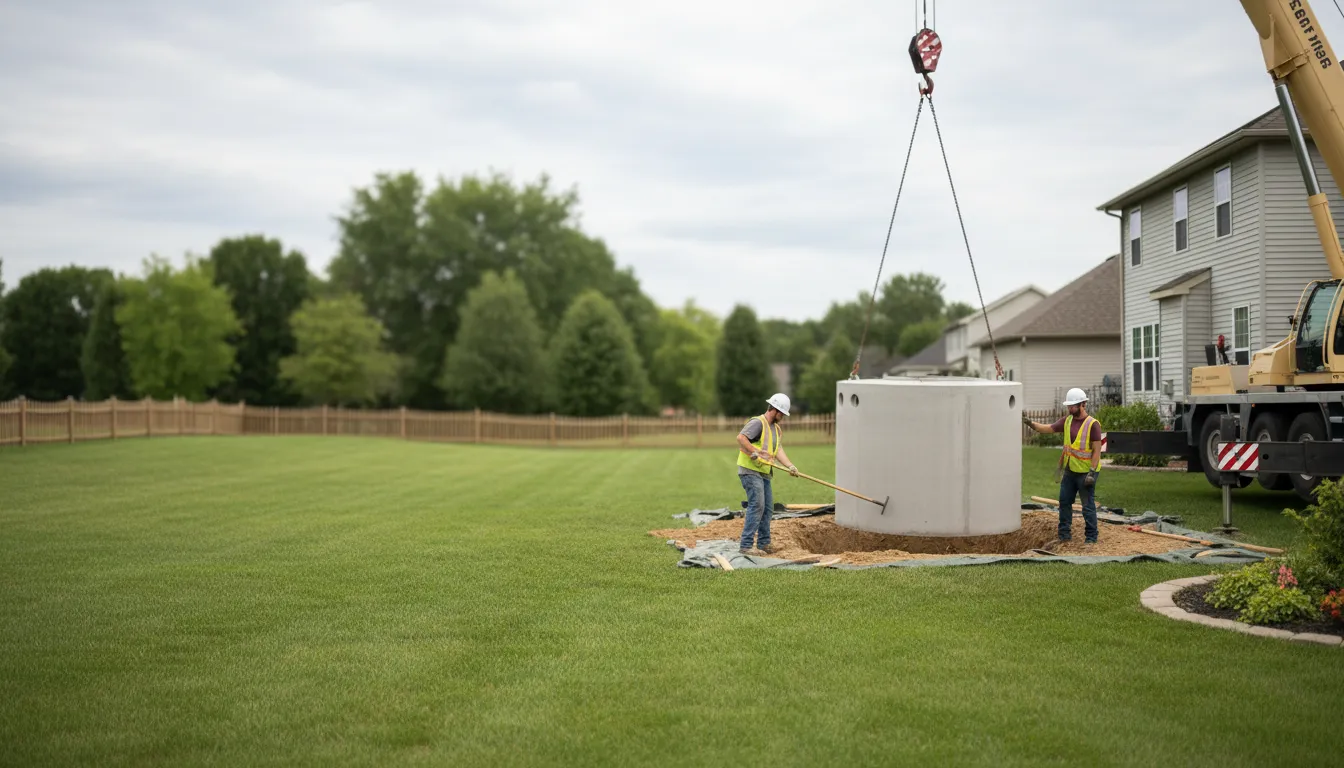
Find the Best Septic Tank Installation & Replacement Contractors for Your Business
No obligation • Fast responses • Nationwide coverage

Why you can trust Septic Spot
Septic Spot is a leading United States resource for understanding and comparing septic services. Our editors review providers using consistent criteria and verify key business details. Listings and scores are independent, and companies cannot pay to influence our content.
Search providers near you
Top Septic Tank Installation & Replacement Contractors in Santa Maria, California Ranked
Installing or replacing a septic system is a significant home infrastructure project that ensures safe, long-term wastewater treatment for properties not connected to a municipal sewer line. In Santa Maria, this process is governed by specific local and regional regulations to protect public health and the environment. This guide explains the key steps, requirements, and considerations for septic system installation and septic tank replacement in Santa Maria, helping you understand what to expect and how to connect with qualified local professionals.
E W Rice Construction
Santa Maria, CA
E W Rice Construction is a general engineering contractor based in Santa Maria, CA, specializing in excavation, demolition, grading, and utilities. They provide septic system and sewer line installation and repair services, including new system installations and repairs or replacements of existing systems. The company also offers water tank installation and solar well pump conversion services, allowing clients to switch between electric and solar energy for their well pumps.
Standard Septic Company
Santa Maria, CA
Standard Septic Company provides septic system design and installation services in Santa Maria, CA, and the surrounding Central Coast area. They serve residential and commercial properties across San Luis Obispo and Santa Barbara Counties. With nearly a decade of experience, the company offers expert consultation, soil suitability assessment, and custom septic system installations that comply with environmental standards. Standard Septic Company is led by a Registered Environmental Health Specialist and a licensed plumber, emphasizing environmental safety and long-term property protection.
Understanding Local Regulations and Permits
In Santa Maria, all septic system installations and replacements require permits from the Santa Barbara County Environmental Health Services (EHS) Division and must comply with regulations set by the Central Coast Regional Water Quality Control Board 1. This dual oversight ensures systems protect both groundwater and surface water quality in the region.
The permitting process is not a simple formality; it's a structured review to ensure your property and proposed system meet all health and safety codes. You cannot begin any excavation or construction before receiving permit approval. For system replacements-often triggered by a failure or when adding an accessory dwelling unit (ADU)-the new installation must typically meet all current, modern standards, which can be more stringent than those in place when the original system was built2 3.
The Critical Role of Site Evaluation and Soil Testing
Before a system can even be designed, a thorough site evaluation is mandatory. This is the foundational step that determines if your Santa Maria property can support a conventional septic system and what type of system is suitable.
A qualified professional, such as a licensed geologist or engineer, must conduct this evaluation. The most crucial component is the percolation test (often called a "perc test"), which measures how quickly water drains through your soil. For a conventional system to be viable, the soil must allow water to percolate at a rate between 1 and 12 inches per hour. Soil that drains too quickly or too slowly will not properly treat wastewater and may require an alternative, engineered system design.
Other site factors include:
- Slope: Land with a slope over 35% is generally prohibited for a standard septic system. Slopes between 20% and 35% require a detailed geotechnical report and special design considerations4.
- Setbacks: Strict distance requirements protect water sources. For example, septic tanks and leach fields must generally be at least 100 feet from watercourses, wells, or springs 5. Setbacks from property lines, structures, and easements are also enforced.
The Installation Process: From Design to Final Inspection
Once a site is deemed suitable and a design is approved, the physical installation of your septic tank and wastewater treatment system follows a multi-stage process with required inspections at key points.
- System Design & Permit Approval: A licensed contractor or engineer creates a system plan based on the site evaluation, home size (number of bedrooms), and local code. This plan is submitted to Santa Barbara County EHS for permit approval.
- Excavation & Tank Placement: After the permit is issued, excavation begins. The septic tank-often concrete, though other materials are available-is carefully placed according to the plan's specifications for depth and location.
- Open Trench Inspection: Before the leach field trenches are backfilled, a county inspector will visit to ensure the piping, gravel, and other components are installed correctly6 7. This critical inspection verifies the system is built to the approved design.
- Final Inspection: After the entire system is installed and covered, a final inspection is conducted by the Environmental Health Department. Passing this inspection confirms the installation complies with all codes and the permit can be closed, allowing the system to be put into service.
Find the perfect septic tank installation & replacement contractors for your needs
Get personalized recommendations and expert advice
Choosing a Qualified Installation Contractor
This is not a DIY project. California law requires that septic system installation and major repair work be performed by a contractor with the appropriate license. In Santa Maria, you should look for a contractor holding one of the following state licenses:
- General Engineering Contractor (Class A)
- Sanitation System Contractor (C-42)
- Plumbing Contractor (C-36)8
Always verify the contractor's license is current and in good standing with the California Contractors State License Board (CSLB). A reputable local contractor will be familiar with Santa Barbara County's specific permit process, inspectors, and common soil conditions in the Santa Maria Valley, which can streamline your project.
Cost Factors for Septic Systems in Santa Maria
The cost of a new septic system or a full septic tank replacement in Santa Maria varies widely based on site-specific conditions. It's one of the most significant factors homeowners consider.
- Permit Fees: Santa Barbara County charges land permit fees for septic systems, which can range approximately from $320 to over $1,800, depending on the complexity and type of system9.
- Standard System Costs: For a property with favorable soil and a straightforward design, installing a conventional system with a 1,000-gallon tank can range from $10,000 to over $30,000 10. This typically includes the tank, leach field, and all labor.
- Factors That Increase Cost:
- Poor Soil or Slope: If your site requires an engineered alternative system (like a mound, drip irrigation, or aerobic treatment unit), costs can rise significantly, sometimes reaching $40,000 or more11 12.
- Home Size: Systems designed for larger homes (more than 3 bedrooms) require greater capacity and larger drain fields, increasing material and labor costs.
- Accessibility: Difficult site access for heavy machinery can add to the expense.
- Tank Material: While concrete is standard, other materials like fiberglass or plastic may have different price points.
Maintaining Your New Septic Investment
After the installation is complete and approved, proper maintenance is essential for the long-term functionality and longevity of your septic system. Regular pumping (typically every 3-5 years), mindful water usage, and avoiding flushing harmful chemicals or non-biodegradable materials will protect your investment. Keep detailed records of inspections, pumping, and any repairs for future reference and for potential home sales.
Frequently asked questions
Sources
Footnotes
-
Septic System (Onsite Wastewater Treatment Systems, OWTS ... - https://www.waterboards.ca.gov/centralcoast/water_issues/programs/septics/permits.html ↩
-
California Septic System Requirements for ADU Construction - https://www.facebook.com/groups/howtoadu/posts/2769400236548732/ ↩
-
Onsite Wastewater Information (Septic Systems) - https://www.waterboards.ca.gov/centralcoast/water_issues/programs/septics/ ↩
-
The Californian's Guide To Septic Tanks - https://cacciaplumbing.com/blog/california-septic-tank-guide/ ↩
-
Septic Repair Cost in California: Complete Breakdown of Pricing Factors and Variations - https://www.lanikseptic.com/septic-repair-cost/ ↩
-
Design Manual for Onsite Wastewater Treatment Systems - https://www.sandiegocounty.gov/content/dam/sdc/pds/ceqa/Soitec-Documents/Final-EIR-Files/references/rtcref/ch3.1.9/2014-12-19_DEH2010.pdf ↩
-
Understanding the Permitting Process for Septic Tanks in ... - https://www.youtube.com/watch?v=ZieDCTW0Kbg ↩
-
California Septic Tank Requirements | Onsite Wastewater ... - https://www.ntotank.com/blog/california-septic-tank-requirements ↩
-
Expert Septic System Setup - Santa Maria Septic - https://santamariaseptic.com/septic-system-setup-santa-maria-ca ↩
-
How Much Does a Septic System & Septic Tank Cost - https://www.nexgenseptics.com/septic-system-cost/ ↩
-
Residential Septic Tank Pricing | Homeowner's Guide to Costs - https://www.ntotank.com/blog/residential-septic-tank-pricing ↩
-
Breaking down expenses: How much does a septic system cost? - https://point.com/blog/how-much-does-a-septic-system-cost ↩