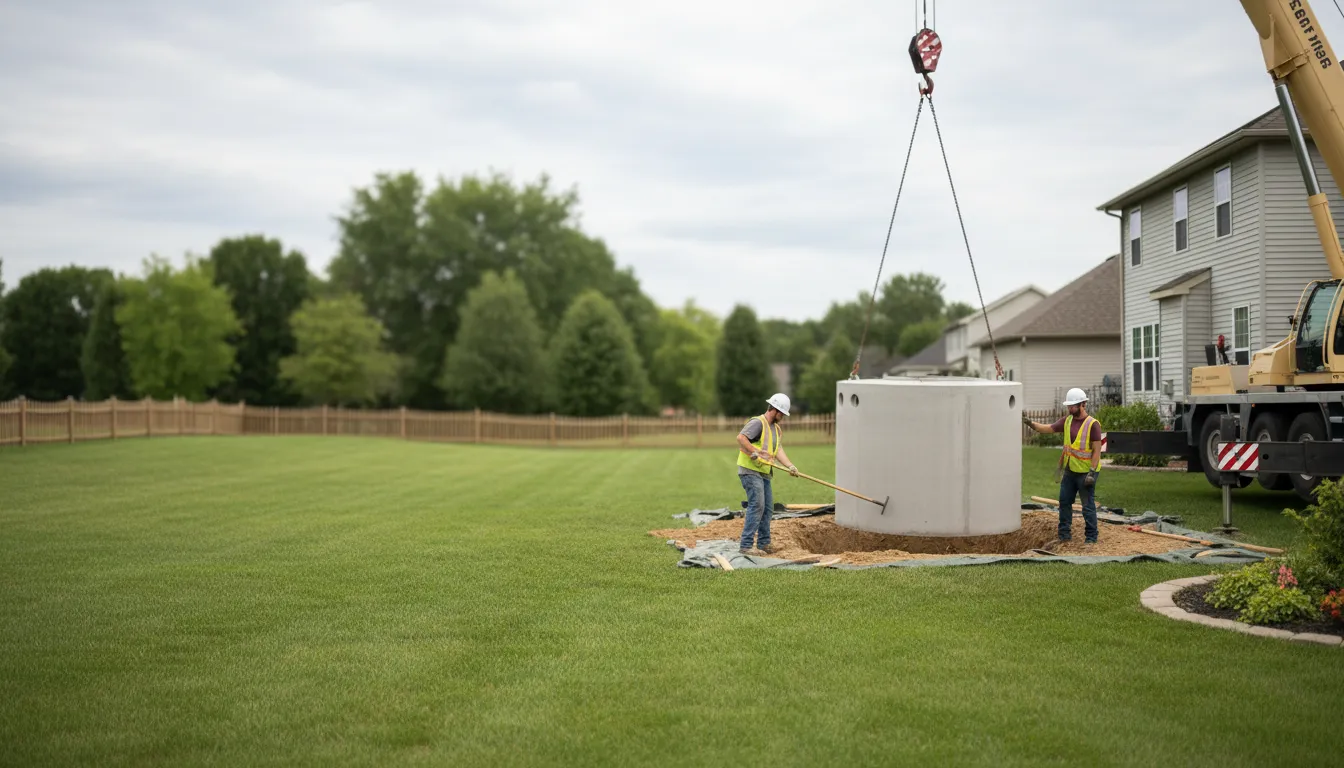
Find the Best Septic Tank Installation & Replacement Contractors for Your Business
No obligation • Fast responses • Nationwide coverage

Why you can trust Septic Spot
Septic Spot is a leading United States resource for understanding and comparing septic services. Our editors review providers using consistent criteria and verify key business details. Listings and scores are independent, and companies cannot pay to influence our content.
Search providers near you
Top Septic Tank Installation & Replacement Contractors in Fontana, California Ranked
Installing or replacing a septic system is a significant project that ensures your property has a safe, long-term wastewater treatment solution. In Fontana, this process is governed by specific county regulations designed to protect public health and groundwater. This guide explains the key steps, from permits and soil testing to final inspection, helping you understand what to expect and how to connect with qualified local professionals for your septic system project.
Mr. Rooter Plumbing of San Bernardino
410 W Valley Blvd, Colton, CA 92324
Mr. Rooter Plumbing of San Bernardino offers a wide range of plumbing services including septic tank pumping, repair, and installation in Riverside, CA. The company serves San Bernardino and surrounding areas with expertise in plumbing repairs, drain cleaning, sewer line services, and septic system solutions. They use advanced tools such as trenchless technology and video camera inspections to address plumbing issues efficiently. Mr. Rooter Plumbing provides 24/7 emergency plumbing services backed by the Neighborly Done Right Promise®, ensuring quality workmanship and customer satisfaction.
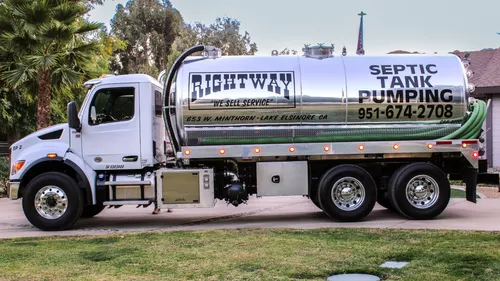
Rightway Septic Tank Pumping
653 W Minthorn St, Lake Elsinore, CA 92530
Rightway Septic Tank Pumping is a family-owned septic service provider based in Lake Elsinore, serving the Inland Empire area including Los Angeles, CA. They offer a range of services such as septic tank pumping, repairs, installations, wastewater treatment maintenance, seepage pit drilling, and septic system locating for both residential and commercial properties. With over 75 years of experience, Rightway is C-42 certified, ensuring compliance with industry standards and regulations. Their capabilities include septic tank pumping and maintenance using advanced equipment and techniques to maintain system efficiency.
Foureverfresh Septic & Sewer Solutions
Los Angeles, CA
Foureverfresh Septic & Sewer Solutions provides a range of septic system services in Los Angeles, CA. Their offerings include septic tank pumping, inspections, repairs, installations, and sewer line repairs. They use advanced diagnostic tools like video inspections and leak detection to address issues such as tree root intrusion and blockages efficiently. With over 20 years of experience, the company emphasizes eco-friendly practices and customer satisfaction in their work.
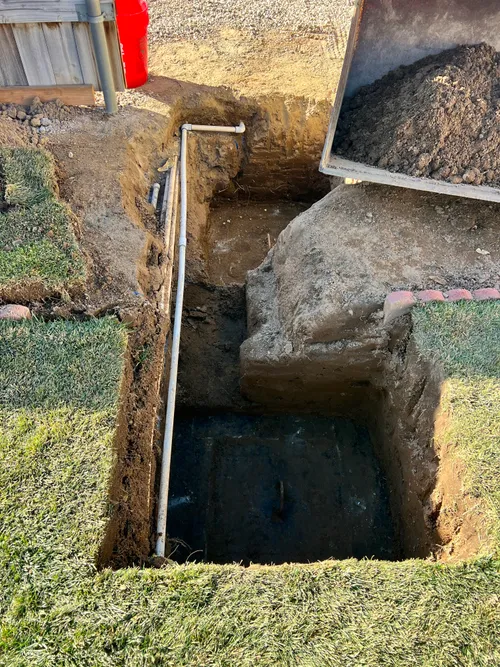
Alpha Omega Plumbing & Septic Services
11755 Santa Fe Ave E, Hesperia, CA 92345
Alpha Omega Plumbing & Septic Services has been providing septic system repair, installation, and maintenance since 1984. Based near Los Angeles, CA, they serve the High Desert area with expertise in septic tanks, leach lines, seepage pits, and grease trap maintenance. Their team follows environmentally safe practices to help protect the environment while handling a wide range of plumbing and septic needs.
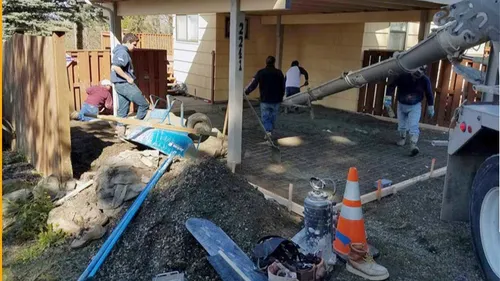
Honey Doo Wagon Septic Pumping
Irvine, CA
Honey Doo Wagon Septic Pumping is a full-service septic company serving Irvine, CA. They offer septic tank pumping, inspections, repairs, installations, replacements, and maintenance. With over 18 years of experience, the company provides a wide range of septic services backed by a commitment to professionalism and integrity.
Understanding Septic System Basics
A septic system, or onsite wastewater treatment system (OWTS), is a self-contained underground system that treats household sewage. The primary components are a septic tank, which separates solids from liquids, and a drain field (or leach field), where the treated liquid effluent is dispersed into the soil. In Fontana, where not all areas are connected to municipal sewer lines, a properly functioning septic system is essential for property sanitation and environmental safety. Whether you're building a new home or replacing a failing system, understanding the installation process is the first step toward compliance and peace of mind.
Fontana's Regulatory Landscape: San Bernardino County
All septic work in Fontana falls under the jurisdiction of San Bernardino County. The county's Environmental Health Services (EHS) division is the primary authority for approving system designs and ensuring compliance with state and local wastewater codes. Before any digging begins, you must navigate a clear permitting pathway. A new installation or a full system replacement requires both a building permit from the County Land Use Services and design approval from EHS. These regulations are in place to prevent groundwater contamination, which is a critical concern for the entire community.
The Critical Role of Soil Evaluation
The most important factor determining your system's design and cost is your property's soil. San Bernardino County mandates a professional soil percolation test (often called a "perc test") for any new septic installation 1 2. This test measures how quickly water drains through the soil at your proposed leach field site. The results directly influence the size and type of system required.
A qualified professional, such as a soils engineer or registered environmental health specialist, must conduct this test. The standard procedure involves digging a minimum of two test holes within the proposed drain field area and performing a series of measurements. The resulting report documents not just percolation rates, but also soil conditions, groundwater depth, and site topography. This report is submitted to County EHS and forms the scientific basis for your approved system design.
Step-by-Step Installation and Replacement Process
Navigating a septic project involves a series of defined stages, each requiring county oversight.
1. Site Evaluation and System Design
This initial phase combines the mandatory soil percolation test with the creation of a custom system design. Based on the soil report, a designer or engineer will draft plans that specify the tank size, leach field layout, and any special components needed for challenging soil conditions. These plans are submitted to San Bernardino County EHS for formal review and approval.
2. Securing Permits
With approved plans in hand, you can apply for the necessary building permits from the County Land Use Services. This step officially authorizes the construction work to begin. It's crucial to have all permits in place before any excavation starts to avoid fines and work stoppages 3.
3. Construction and Installation
The physical installation begins with careful excavation for the septic tank and the extensive leach field. Modern tanks, typically made of concrete or heavy-duty plastic, are set in place and connected to the home's plumbing and the distribution lines for the drain field. Precision during this phase is key to long-term system performance.
Find the perfect septic tank installation & replacement contractors for your needs
Get personalized recommendations and expert advice
4. Inspections: Ensuring Every Step Meets Code
County inspections are required at multiple points. A construction inspection occurs after the tank is set and the leach field trenches are dug but before they are backfilled. This allows the inspector to verify materials, placement, and overall workmanship 4 5. Finally, a final inspection is conducted once everything is installed. Only after the county inspector grants final approval can the system be covered and put into operation 4 5.
Factors Influencing Cost and System Type
The cost for septic tank installation or replacement in Fontana is not a fixed number; it varies based on several key factors. The soil condition is the primary driver-poorly draining soil may require a more expensive engineered system, such as a mound or drip irrigation system, compared to a standard gravity-fed system 6. Tank size (based on home occupancy) and system complexity also significantly impact the final price. In Southern California, the overall investment reflects the stringent regulations and often challenging soil conditions that necessitate professional design and precise installation.
Choosing a Professional for Your Project
Given the technical and regulatory complexity, selecting an experienced, licensed contractor is paramount. Look for professionals who are intimately familiar with San Bernardino County's permit process and soil requirements. They should handle the entire process, from coordinating the perc test and designing the system to pulling permits and managing county inspections. A reputable installer will provide clear contracts, detailed cost breakdowns, and proof of insurance and bonding.
Maintaining Your New Septic System
Once your new system is operational, protecting your investment through proper maintenance is essential. This includes regular pumping of the septic tank (typically every 3-5 years), conserving water to avoid overloading the system, and avoiding flushing harmful chemicals or non-biodegradable materials. A well-maintained system installed to code can serve your property reliably for decades.
Frequently asked questions
Sources
Footnotes
-
Percolation Testing and Reporting Standards for Onsite Wastewater Treatment Systems - San Bernardino County ↩
-
LAND USE SERVICES Building and Safety Division - San Bernardino County ↩
-
The Ultimate Guide to Septic System Installation Process - Septic911 ↩ ↩2
-
California Septic Tank Requirements | Onsite Wastewater Treatment Systems - NTO Tank ↩ ↩2
-
The SoCal Guide to Septic Tank Installation - Lanik Septic Service ↩