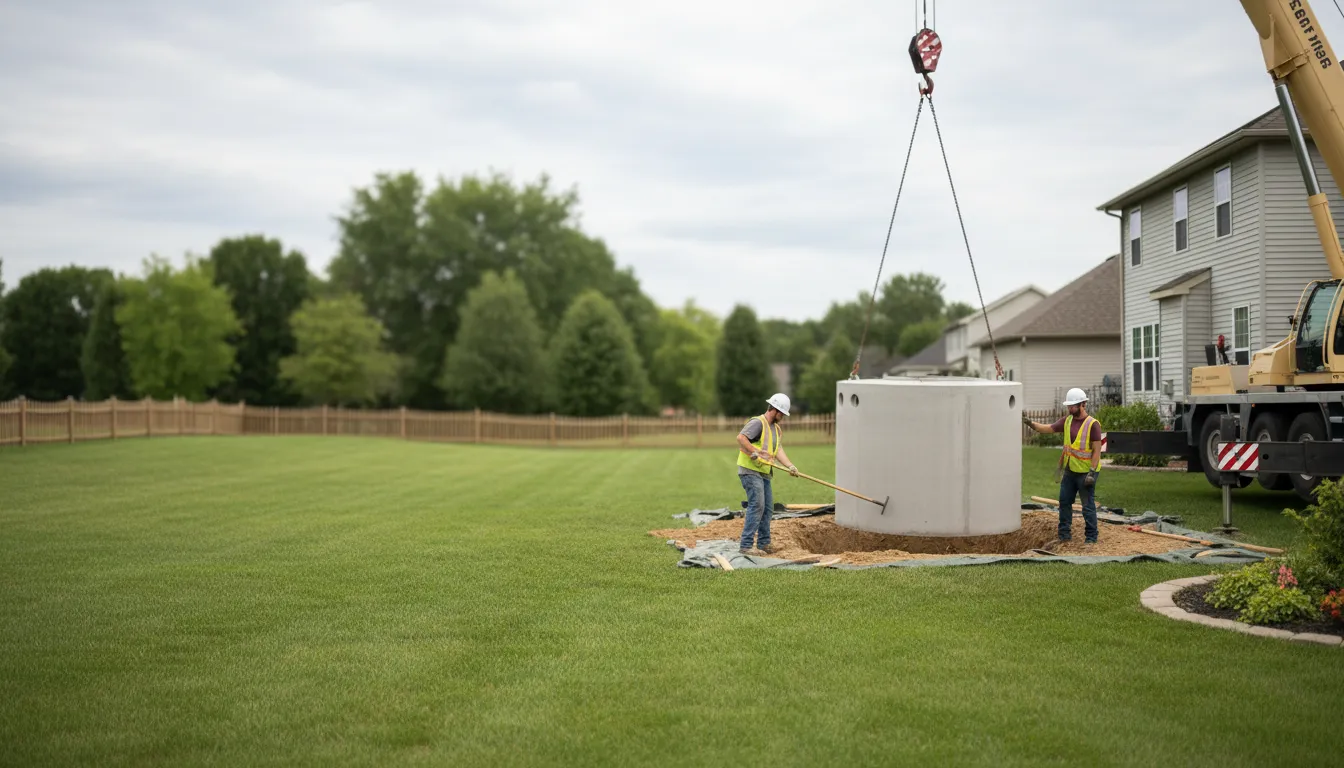
Find the Best Septic Tank Installation & Replacement Contractors for Your Business
No obligation • Fast responses • Nationwide coverage

Why you can trust Septic Spot
Septic Spot is a leading United States resource for understanding and comparing septic services. Our editors review providers using consistent criteria and verify key business details. Listings and scores are independent, and companies cannot pay to influence our content.
Search providers near you
Top Septic Tank Installation & Replacement Contractors in Anaheim, California Ranked
Installing or replacing a septic system is a significant home improvement project that ensures the safe and efficient treatment of household wastewater. In Anaheim, this process is governed by strict local and state regulations designed to protect public health and groundwater quality. This guide explains the key steps, costs, and regulatory requirements for septic system installation and replacement in Anaheim, helping you understand what to expect and how to connect with qualified local professionals for your project.
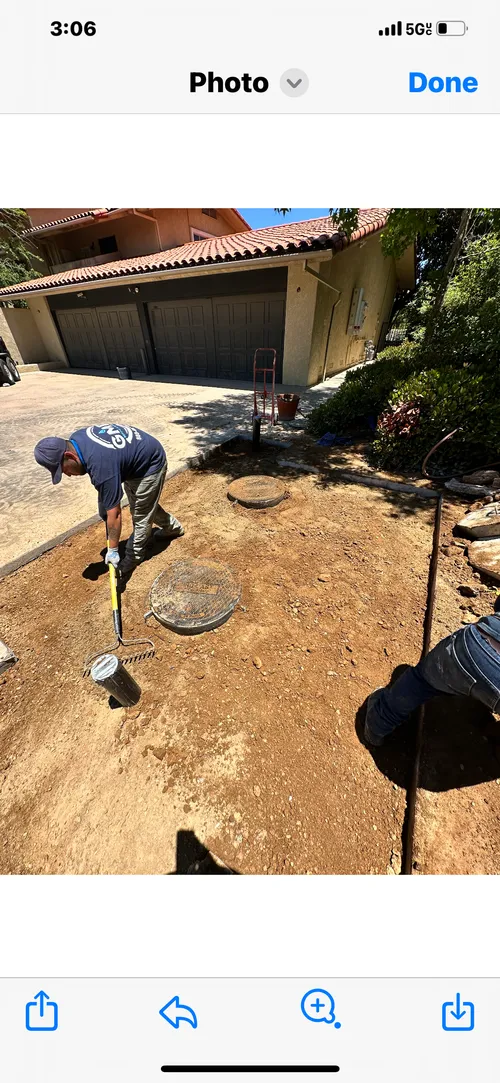
GMP Septic And Sewer
20 Surrey Ln, Rancho Palos Verdes, CA 90275
GMP Septic And Sewer provides a full range of septic services in Los Angeles, CA, including septic tank pumping, cleaning, inspections, repairs, installations, and system upgrades. They handle new construction, remodels, and replacements, ensuring systems are tailored to property needs. The company offers 24/7 emergency services for urgent septic system repairs. Their expertise covers diagnosing leaks, replacing damaged components, and maintaining system performance through regular maintenance and thorough inspections.
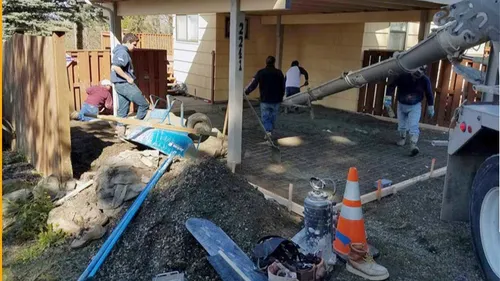
Honey Doo Wagon Septic Pumping
Irvine, CA
Honey Doo Wagon Septic Pumping is a full-service septic company serving Irvine, CA. They offer septic tank pumping, inspections, repairs, installations, replacements, and maintenance. With over 18 years of experience, the company provides a wide range of septic services backed by a commitment to professionalism and integrity.
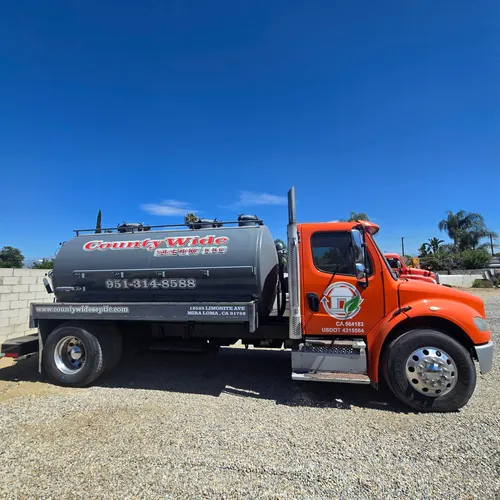
Countywide Septic Pumping LLC
5290 Capella Ct, Jurupa Valley, CA 91752
Countywide Septic Pumping LLC provides septic tank installation, pumping, inspection, and repair services in Los Angeles, CA, and surrounding counties including Riverside, Orange, and San Bernardino. They serve both residential and commercial clients, handling everything from soil sampling and permit acquisition to system maintenance and emergency repairs. The company offers 24-hour emergency septic tank pumping and repair services to address urgent needs promptly. Countywide Septic Pumping uses updated equipment to ensure effective septic system performance and safe installation, supporting properties where municipal water and sewage services are unavailable.
West-End Pumping Company
8130 Arcadia St, Corona, CA 92881
West-End Pumping Company provides septic tank pumping, inspection, repair, and installation services in Los Angeles, CA. They handle septic system excavation and hauling, offering solutions for both residential and commercial properties. The company has been serving customers since 2006, covering areas including Riverside County, Corona, and Eastvale. Their capabilities include emergency septic pumping with response times typically ranging from one to two hours depending on truck availability.
Just Sewers, INC
Los Angeles, CA
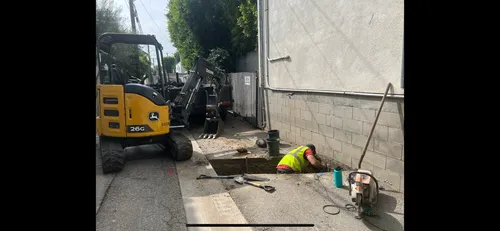
Just Sewers, INC is a sewer and septic service provider based in Los Angeles, CA. They offer a wide range of services including septic tank pumping, inspection, and installation, as well as sewer line cleaning, repair, replacement, and trenchless sewer solutions. Serving Los Angeles and surrounding communities such as Pasadena, Hollywood, Beverly Hills, and Santa Monica, they utilize advanced tools like video inspections and hydro jetting to address plumbing issues efficiently. The company operates 24/7 to handle emergencies and routine maintenance, helping to prevent costly backups and system failures.
Understanding Anaheim's Septic System Regulations
All onsite wastewater treatment system (OWTS) work in Anaheim falls under the jurisdiction of Orange County and the State of California. The primary regulatory frameworks are the Orange County On-site Wastewater Treatment System guidelines and the California Plumbing Code. These rules are administered through local building and environmental health departments. The goal is to ensure systems are designed and installed to function properly without contaminating soil or water sources. Before any digging begins, you must secure the proper permits, which require a detailed site evaluation and professional engineering plans.
Key regulatory points for Anaheim include:
- Permitting Authority: Permits are obtained through Anaheim and Orange County building departments, often starting with a preliminary site evaluation.
- Professional Design: System designs must be prepared by a qualified professional, such a licensed engineer or geologist, and include detailed site plans, groundwater depth, and soil characteristics.
- Dual Leach Fields: California regulations frequently mandate dual (alternating) leach fields for new systems. This allows one field to "rest" while the other is in use, extending the system's lifespan and improving treatment 1.
- Setbacks: Strict minimum distances must be maintained between the septic system components and property lines, wells, streams, and structures 2.
The Step-by-Step Installation Process
A successful septic system project follows a defined sequence from planning to final inspection. Skipping or rushing any step can lead to permit denials, system failure, or costly corrections.
1. Site Evaluation and Soil Testing
The first technical step is a comprehensive site evaluation. A professional will assess the topography, groundwater level, and intended location for the drain field. The most critical component of this phase is the soil percolation (perc) test.
- Purpose: This test measures the soil's absorption rate, which directly determines the size of the required leach field.
- Procedure: Certified professionals conduct the test in the proposed disposal area. Regulations typically require at least six tests for trench systems or one for seepage pits.
- Outcome: The results dictate the system's design. Slow-absorbing soils require a larger leach field, which increases project costs and space requirements.
2. System Design and Permitting
With perc test results in hand, a qualified engineer or designer creates the official system plans. This design package, which must include the site plan and engineering specifics, is submitted to the Orange County permitting authorities for review and approval 3 4. This stage also involves paying permit fees and ensuring the design meets all Anaheim and California code requirements for setbacks and construction standards.
3. Excavation and Installation
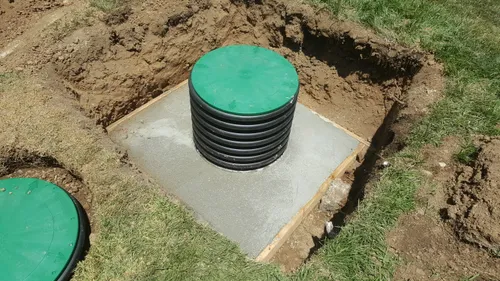
Once permits are issued, physical installation can begin. Crews will excavate the area for the septic tank and the leach field. The tank, typically made of concrete, fiberglass, or polyethylene, is set in place and leveled. Piping is run from the house to the tank and from the tank to the distribution box, which evenly disperses effluent into the leach field lines.
Find the perfect septic tank installation & replacement contractors for your needs
Get personalized recommendations and expert advice
4. Critical Inspections
Inspections by county officials are mandatory at key points to ensure the work complies with the approved plans. Do not backfill trenches before these inspections are passed.
- Open Trench Inspection: Occurs after the leach field trenches are dug but before pipe and gravel are installed. The inspector verifies dimensions, depth, and soil conditions 5.
- Final Inspection: After the tank, piping, and distribution box are installed (but still exposed), the inspector checks everything for proper placement and connection before the system is covered with soil 6.
Cost Factors for Septic System Installation in Anaheim
The total cost for a new septic system or a full system replacement in Anaheim can vary widely. National and regional averages for complete system installation range from $3,615 to over $12,400, with complex projects costing significantly more 7 8. Several local factors influence the final price:
- Soil Conditions: As mentioned, poor perc test results (slow absorption) necessitate a larger drain field, which is the single biggest driver of increased cost 9.
- Site Slope and Accessibility: Steep or difficult-to-access lots require more complex engineering and labor.
- Tank Material and Size: Concrete tanks are generally more expensive than fiberglass or plastic. Larger tanks for bigger homes also cost more.
- Engineering and Permits: The site assessment, professional design work, and permit fees can add several thousand dollars to the project total.
- System Type: A standard gravity-fed system is most common, but properties with challenging soils may require advanced, engineered systems like mound systems or aerobic treatment units (ATUs), which are more expensive to install.
When is Septic System Replacement Necessary?
Understanding when to repair versus replace your existing onsite wastewater system is crucial. Replacement is a major investment, but it's sometimes unavoidable. Common signs that point toward the need for a full replacement include:
- Persistent Drain Field Failure: If the soil in the leach field has become clogged (a condition called "biomat" saturation) and cannot be rehabilitated, a new field in a different location is needed.
- Structural Damage to the Tank: Cracks, collapses, or severe deterioration of an old concrete tank compromise the entire system's integrity.
- Changes in Home Use: Adding bedrooms or significantly increasing water usage may overload an existing system that is too small.
- System Age: Many older systems were built to less stringent standards and may be nearing the end of their functional lifespan (typically 20-40 years).
- Property Expansion: Building an addition or pool where the current drain field is located may require relocating the entire system.
If you suspect your system is failing, the first step is to hire a qualified professional for a thorough inspection and assessment. They can determine if repairs can solve the issue or if replacement is the only viable long-term solution.
Choosing a Qualified Installation Professional
Given the technical and regulatory complexity, selecting the right contractor is paramount. Look for a licensed septic system installer with extensive experience in Orange County and Anaheim specifically. They should be intimately familiar with local permit processes, inspection requirements, and common soil conditions. Always verify their license, ask for references from recent projects in the area, and ensure they provide detailed, written estimates that break down costs for materials, labor, engineering, and permits. A reputable professional will handle the entire process, from the initial site evaluation and permit paperwork to coordinating inspections and final grading.
Frequently asked questions
Sources
Footnotes
-
California Septic Tank Requirements | Onsite Wastewater Treatment ... - https://www.ntotank.com/blog/california-septic-tank-requirements ↩
-
res_79-5.pdf - California State Water Resources Control Board - https://www.waterboards.ca.gov/rwqcb2/water_issues/programs/planningtmdls/basinplan/web/res/res_79-5.pdf ↩
-
On-Site Sewage Guidelines - OC Development Services - https://ocds.ocpublicworks.com/sites/ocpwocds/files/2021-06/On-Site%20Sewage%20Guidelines.pdf ↩
-
How to plan a Septic System Project | Installation Septique System O - https://dboexpert.com/en/septic-system-project-plan/ ↩
-
California Septic Tank Requirements | Onsite Wastewater ... - https://www.ntotank.com/blog/california-septic-tank-requirements ↩
-
July 1, 2025: New Virginia Law Sets Standards for Septic System Inspections in Real Estate Transactions - https://mrwilliamsburg.com/july-1-2025-new-virginia-law-sets-standards-for-septic-system-inspections-in-real-estate-transactions/ ↩
-
The SoCal Guide to Septic Tank Installation - https://www.lanikseptic.com/socal-guide-septic-tank-installation/ ↩
-
How Much Does a Septic Tank Cost? - NerdWallet - https://www.nerdwallet.com/home-ownership/home-improvement/learn/septic-tank-cost ↩
-
The Californian's Guide To Septic Tanks - https://cacciaplumbing.com/blog/california-septic-tank-guide/ ↩