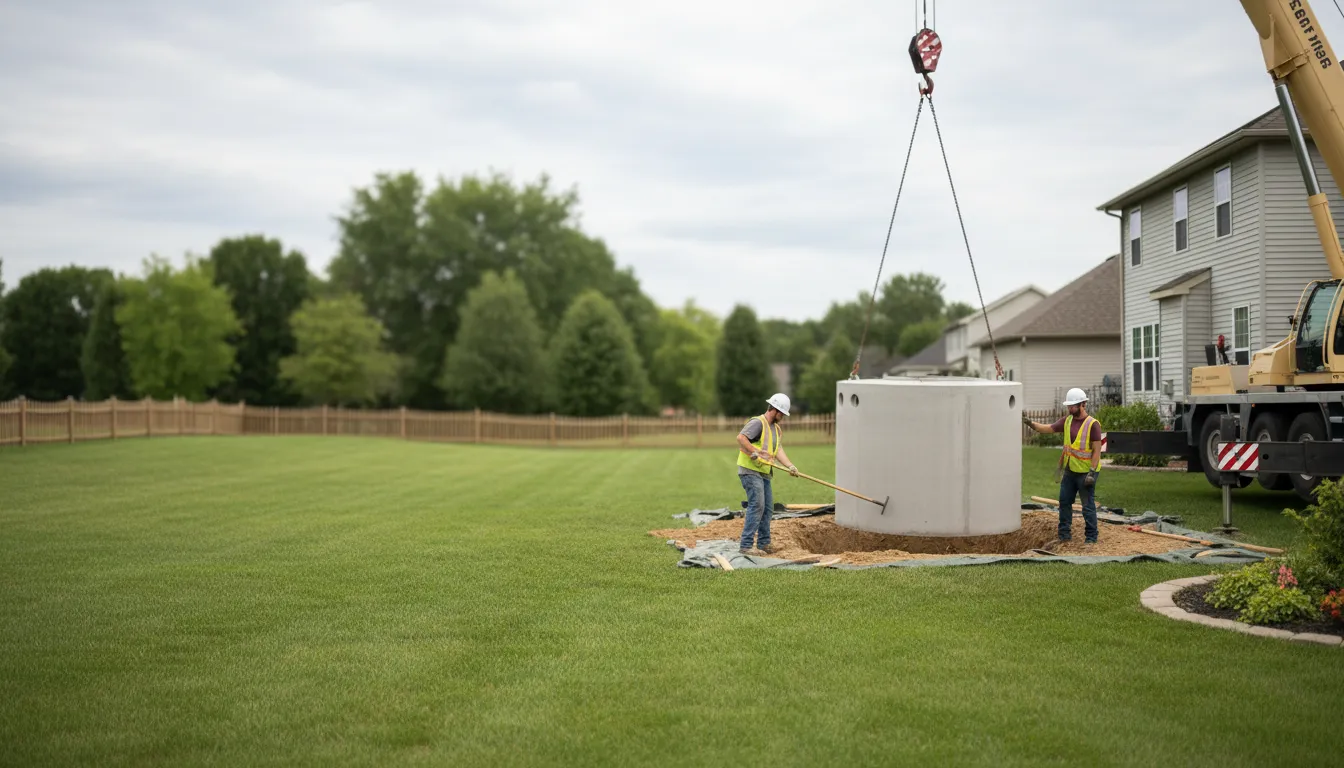
Find the Best Septic Tank Installation & Replacement Contractors for Your Business
No obligation • Fast responses • Nationwide coverage

Why you can trust Septic Spot
Septic Spot is a leading United States resource for understanding and comparing septic services. Our editors review providers using consistent criteria and verify key business details. Listings and scores are independent, and companies cannot pay to influence our content.
Search providers near you
Top Septic Tank Installation & Replacement Contractors in Antioch, California Ranked
Installing or replacing a septic system is a significant home improvement project that ensures the safe and effective treatment of household wastewater. In Antioch, this process is strictly regulated to protect public health and the local environment, including the nearby San Joaquin River Delta. This guide explains the local requirements, steps, and considerations for a new or replacement septic system, helping you understand what to expect and how to connect with qualified local professionals for your project.
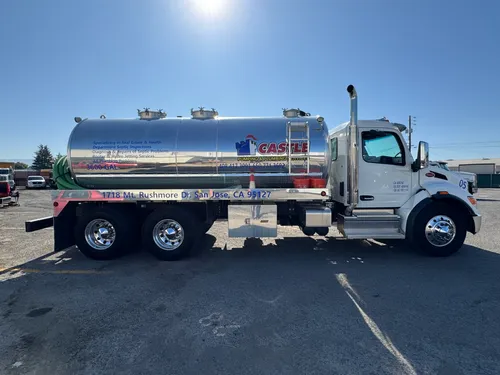
Castle Pumping and Plumbing Services
San Jose, CA
Castle Pumping and Plumbing Services is a locally owned company based in San Jose, CA, offering comprehensive septic system services including pumping, inspections, repairs, and installations. With over 32 years of experience, they serve residential and commercial properties in the San Jose area. Their expertise includes locating septic tanks, performing detailed inspections of tank components, and specialized outflow line exploration to diagnose backups without unnecessary replacements. The company uses advanced equipment and techniques to maintain and repair septic systems, ensuring long-lasting functionality.
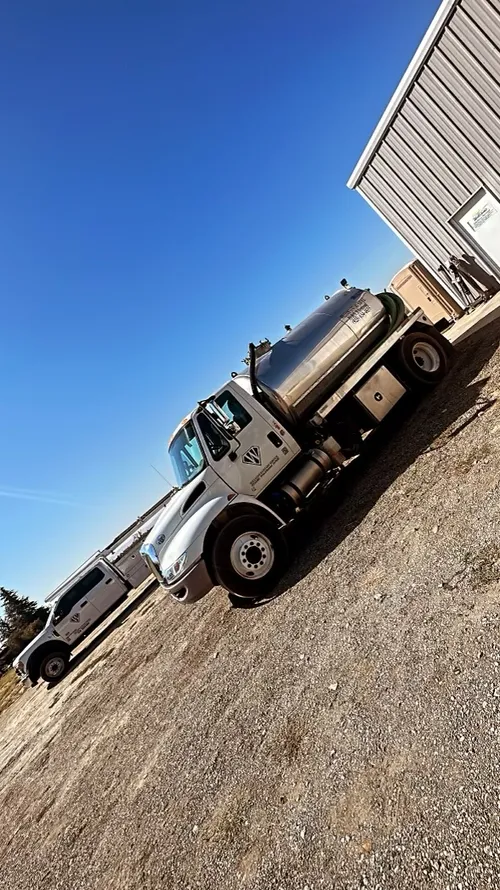
Williams Sanitary Service Inc
Oakland, CA
Williams Sanitary Service Inc is a family-owned septic system company serving Oakland, CA, and surrounding areas since 1950. They provide a full range of septic services including pumping, inspection, repair, and installation for both residential and commercial clients. The company also offers general plumbing services such as drain cleaning and water heater repair. Williams Sanitary Service Inc is equipped to handle all sizes of septic jobs across Contra Costa and Alameda Counties and offers 24/7 service availability.
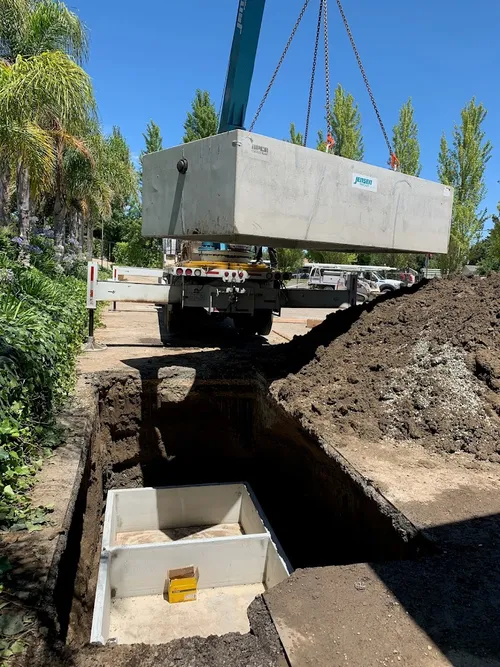
Central Valley Septic Backhoe & Drilling
3746 Fourteen Mile Dr, Stockton, CA 95219
Central Valley Septic Backhoe & Drilling is a septic system contractor serving Stockton, CA, and the surrounding Northern California region. Established in 1992, the company provides residential and commercial septic services including tank installation, pumping, inspection, system repair, and leach line repair. They also offer foundation drilling and backhoe services for various construction needs. Their expertise includes designing and installing septic systems that comply with San Joaquin and Sacramento county codes as well as California state regulations.
Delatorre Septic and Trucking LLC
7000 Leisure Town Rd, Vacaville, CA 95688
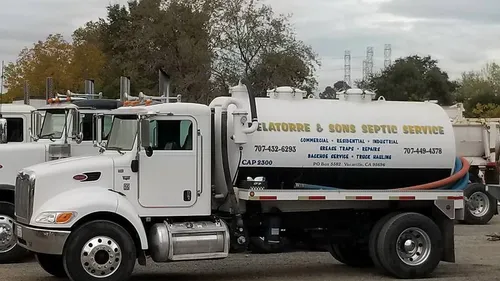
Delatorre Septic and Trucking LLC is a family-owned business providing septic system services in Fairfield, CA, and surrounding areas including Napa, Yolo, and Solano Counties. They offer septic tank pumping, inspection, repair, and installation for both residential and commercial customers. Established in 1992 initially as a trucking company, they have expanded to specialize in septic services and provide 24/7 emergency support. Their trucks can hold up to 2,600 gallons, enabling efficient waste removal for septic systems.
Understanding Antioch's Septic System Regulations
All work involving a septic tank or onsite wastewater treatment system (OWTS) in Antioch requires oversight from Contra Costa Health Services (CCHS) Land Use Program. The county enforces state and local codes to ensure systems are designed and built correctly for specific soil and site conditions. A critical rule is that a septic system cannot be installed if a public sewer line is available within 300 feet of the property line 1. The entire process, from initial testing to final inspection, is permit-driven and must be performed by or under the supervision of licensed contractors and qualified professionals.
The First Step: Site Evaluation and Soil Testing
Before any design can be created, a professional site evaluation is mandatory. This assessment determines if your property can support a conventional septic system and dictates its size and design.
- Percolation Test: Often called a "perc test," this measures how quickly water drains through your soil. A qualified professional-such as a civil engineer, geologist, or soil classifier-must conduct this test 2. The process involves digging several holes (typically four or more), pre-saturating them for several hours, and then measuring the rate of water drop2. The results, given in minutes per inch, directly determine the size of the required leach field.
- Soil Analysis: The evaluator also examines soil depth, texture, and structure. There must be at least four feet of suitable soil between the bottom of the proposed leach field trenches and any limiting layer, such as bedrock or high groundwater 3. This separation is crucial for proper wastewater treatment before it reaches groundwater.
These tests are the foundation of your system's design and are required for the permit application 4.
Designing Your Septic System
With a successful site evaluation, the next phase is engineering the system itself. A standard conventional system includes a septic tank and a subsurface leach field. However, if soil conditions are poor (e.g., slow-draining clay, high groundwater, or shallow bedrock), an alternative or engineered system-which may include pumps, sand filters, or advanced treatment components-might be necessary 5.
The design must include a 100% replacement area 6. This is a designated space on your property, equal in size to the initial leach field, that must remain undisturbed and available for future use if the original field ever fails. The design plans, prepared by a qualified professional, are submitted to CCHS for review and approval before a construction permit is issued7 8.
The Installation Process and Required Inspections
Once permits are secured, installation by a licensed septic contractor can begin. The process is broken into stages, each requiring a county inspection before proceeding.
- Pre-Construction Inspection: An inspector may visit to verify the staked location of the system components before digging begins.
- Open Trench Inspection: This is one of the most critical inspections. After the septic tank is set and the leach field trenches are dug, but before any gravel or piping is placed, the county inspector examines the trench depth, width, and soil conditions.
- Final Inspection: After the entire system is installed, piped, and backfilled, a final inspection is conducted. Once passed, the county grants formal approval for the system to be placed into service 9.
Find the perfect septic tank installation & replacement contractors for your needs
Get personalized recommendations and expert advice
Cost Considerations for Installation and Replacement
The cost of a septic system installation in Antioch is highly variable and largely dependent on your site's specific conditions. You should budget for several distinct cost categories:
- Permits and Design: This includes the site evaluation (perc test), engineering design work, and county permit fees. This phase typically ranges from $1,500 to over $5,000 10.
- Installation Labor and Materials: For a standard conventional system for a 3-bedroom home, installation costs often range from $15,000 to $30,000 or more11 12. Factors that increase cost include poor soil (requiring a larger leach field), difficult site access, a high groundwater table, or the need for an alternative system.
- System Replacement: Replacing a failed system can be more expensive than a new installation. Costs include dismantling the old system, potential upgrades to meet current code (which is stricter than when the original system was installed), and the new installation itself13.
Maintaining Your New Septic System
After your new onsite wastewater system is installed, proper maintenance is essential for its longevity. This includes regular pumping of the septic tank (typically every 3-5 years), conserving water to avoid overloading the system, and avoiding flushing harmful chemicals or materials. Protecting the leach field area from vehicle traffic and deep-rooted plants is also crucial. A well-maintained system can last for decades.
Frequently asked questions
Sources
Footnotes
-
Frequent Questions on Septic Systems | US EPA - https://www.epa.gov/septic/frequent-questions-septic-systems ↩
-
Percolation Test Requirements | Kern County, CA - https://www.kernpublichealth.com/permitting-compliance/waste/septic-systems/percolation-test-requirements ↩ ↩2
-
Geotechnical and Percolation Soil Testing in California - https://alluvialsoillab.com/pages/geotechnical ↩
-
Santa Clara County Onsite Systems Manual - California Water Boards - https://www.waterboards.ca.gov/sanfranciscobay/board_info/agendas/2016/January/SantaClaraOWTS/SCC_OWTS_B_Onsite_Systems_Manual.pdf ↩
-
onsite-wastewater-treatment-system-requirements-procedures.pdf - http://www.publichealth.lacounty.gov/eh/docs/permit/onsite-wastewater-treatment-system-requirements-procedures.pdf ↩
-
How to Know if You Need a Septic System Permit - Pippin Home Designs - https://www.pippinhomedesigns.com/septic-system-permit/ ↩
-
Land Use Program | Contra Costa Health - https://www.cchealth.org/health-and-safety-information/orders-and-regulations/land-use-program ↩
-
Construction Guide for On-Site Sewage Disposal Systems - https://monohealth.com/sites/default/files/fileattachments/environmental_health/page/29328/constr_guide_conv08-2.pdf ↩
-
Private Sewage Disposal System Ordinance - El Dorado County - https://www.eldoradocounty.ca.gov/County-Government/County-Departments/Environmental-Management/Environmental-Health/Septic-System-Components/Private-Sewage-Disposal-System-Ordinance ↩
-
guidelines and procedures to obtain a permit to construct, alter or - https://www.alpinecountyca.gov/DocumentCenter/View/125 ↩
-
California Septic Tank Requirements | Onsite Wastewater ... - https://www.ntotank.com/blog/california-septic-tank-requirements ↩
-
Septic System Installation Cost | New Septic System Cost - https://www.fixr.com/costs/install-septic-tank-system ↩
-
Septic System Installation: Essential Steps for a Reliable Setup - https://www.bridgewaterenviro.com/septic-system-installation/ ↩