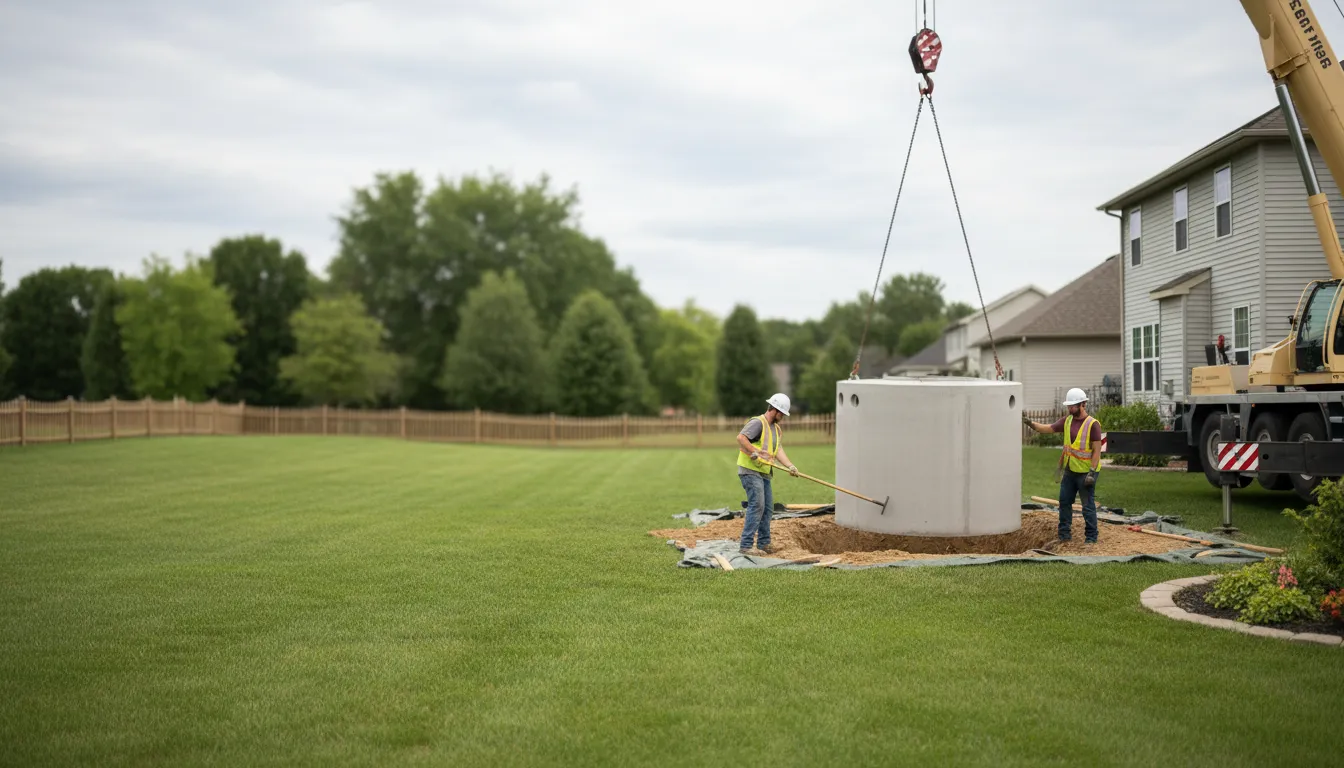
Find the Best Septic Tank Installation & Replacement Contractors for Your Business
No obligation • Fast responses • Nationwide coverage

Why you can trust Septic Spot
Septic Spot is a leading United States resource for understanding and comparing septic services. Our editors review providers using consistent criteria and verify key business details. Listings and scores are independent, and companies cannot pay to influence our content.
Search providers near you
Top Septic Tank Installation & Replacement Contractors in Azusa, California Ranked
Installing or replacing a septic system is a significant investment in your property's infrastructure and environmental health. For Azusa homeowners, this process involves navigating specific local regulations, soil conditions, and engineering requirements to ensure a safe, effective, and long-lasting wastewater treatment solution. This guide explains the key steps, costs, and local considerations for septic system installation and replacement, helping you understand what to expect and how to connect with qualified local professionals for your project.
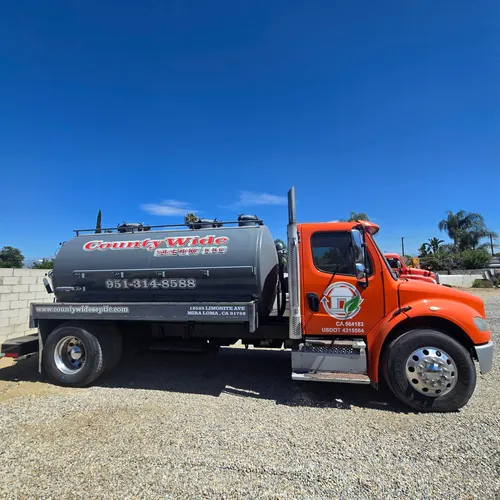
Countywide Septic Pumping LLC
5290 Capella Ct, Jurupa Valley, CA 91752
Countywide Septic Pumping LLC provides septic tank installation, pumping, inspection, and repair services in Los Angeles, CA, and surrounding counties including Riverside, Orange, and San Bernardino. They serve both residential and commercial clients, handling everything from soil sampling and permit acquisition to system maintenance and emergency repairs. The company offers 24-hour emergency septic tank pumping and repair services to address urgent needs promptly. Countywide Septic Pumping uses updated equipment to ensure effective septic system performance and safe installation, supporting properties where municipal water and sewage services are unavailable.
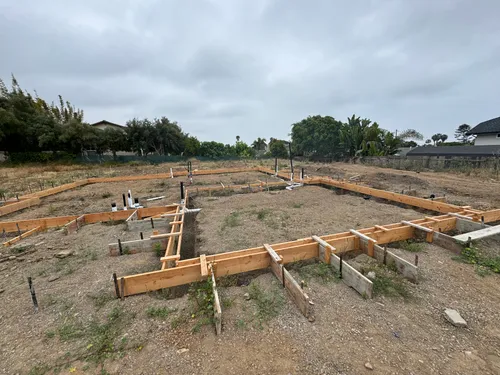
Dreyfuss Grading
Oceanside, CA
Dreyfuss Grading is a construction company based in Oceanside, CA, offering a wide range of services including septic system installation, grading, excavation, concrete foundations, and public works projects. They serve residential, commercial, and municipal clients throughout the San Diego area. The company uses advanced technology such as 3D GPS for precise site preparation and specializes in earthmoving, trenching, and foundation digging. Their expertise also extends to retaining walls, utility line installation, and ADU construction. Dreyfuss Grading emphasizes transparent communication and competitive rates in their work.
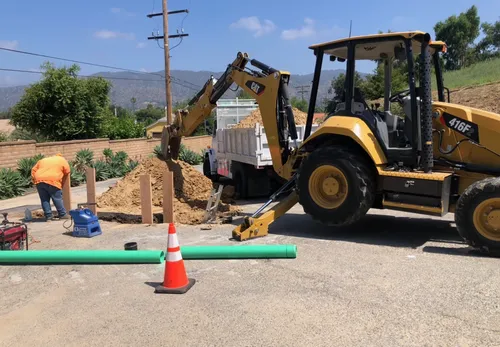
Carter Sanitation Sewer & Septic
4266 Elton St, Baldwin Park, CA 91706
Carter Sanitation Sewer & Septic provides septic and sewer services in Los Angeles, CA, with a focus on the San Gabriel Valley. The company offers septic system installation, pumping, repair, sewer line services, trenchless sewer solutions, street excavation, and drain cleaning for residential, commercial, industrial, and municipal properties. Established in 1969, Carter Sanitation brings over 50 years of experience to its work, emphasizing environmental responsibility and customer satisfaction.

J. F. Prieto Engineering Construction Inc.
5180 Alhambra Ave, Los Angeles, CA 90032
J. F. Prieto Engineering Construction Inc. is a family-owned general engineering contractor based in Los Angeles, CA. The company has served the greater Los Angeles County area for over 50 years, specializing in septic system repair and septic tank installation. Their services include wastewater repairs, restorations, and new installations for sewer and septic applications, as well as concrete and asphalt work such as foundations, retaining walls, and street restoration. They also handle underground utilities including electrical conduit and water connections.
Understanding Septic Systems in Azusa
A septic system, or onsite wastewater treatment system (OWTS), is a private sewage treatment plant for properties not connected to a municipal sewer line. In Azusa, these systems are common in more rural or foothill areas. The system typically consists of a large underground tank that separates solids from liquids and a drain field (or leach field) where the treated liquid effluent is safely absorbed into the soil. Proper installation is critical, as a failing system can pose serious health risks and environmental contamination.
The Permit Process with Los Angeles County
All new septic system installations and major replacements in Azusa require a permit from the Los Angeles County Department of Public Health, Environmental Health Division. This is not a simple formality; it's a multi-step review to protect public health and groundwater.
- Application Submission: The process begins with submitting a detailed application, including a site plan of your property.
- Plan Review: County engineers review the proposed system design for compliance with all state and local codes.
- Permit Issuance: Only after plans are approved will a permit be issued, authorizing the construction to begin.
- Inspections: The county will conduct inspections at critical stages, such as after the excavation for the tank and before the drain field is covered, to verify the work matches the approved plans 1.
Attempting to install a system without a permit can result in hefty fines, orders to remove the non-compliant system, and complications when selling your home.
The Critical Site Evaluation: Soil Percolation Tests
The single most important factor determining your system's design and feasibility is your soil. Before any plans are drawn, a licensed professional must conduct a soil percolation test (often called a "perc test") 2.
This test measures how quickly water drains through the soil on your property. The results determine the soil's infiltration capability, which directly dictates the size and type of drain field needed3 4. Slow-draining clay soils common in parts of the region may require a much larger drain field or an advanced, engineered system. The test data is submitted to the county and is a mandatory part of your permit application5.
Designing Your System: Tank Size and Drain Field
Once the soil data is known, a system can be designed. Key design elements include:
- Tank Capacity: California and Los Angeles County have minimum tank size requirements based on the number of bedrooms in your home. For a standard residential system, a 1-2 bedroom home often requires at least a 750-gallon tank, while larger homes typically need a 1000-gallon tank or larger 6. The tank must be watertight and constructed of approved materials like concrete, fiberglass, or polyethylene.
- Drain Field Design: The size and layout of the leach field are calculated based on the perc test results and daily wastewater flow estimates. The design must ensure even distribution of effluent and prevent surfacing or groundwater pollution7.
- Advanced Systems: For sites with poor soil, high groundwater, or limited space, an engineered system may be necessary. These systems use additional components like pumps, sand filters, or aerobic treatment units to provide advanced treatment before dispersal.
Find the perfect septic tank installation & replacement contractors for your needs
Get personalized recommendations and expert advice
Cost Factors for Installation and Replacement
The cost of a new septic system in Azusa varies widely based on system complexity and site conditions. For a standard conventional gravity-fed system, homeowners can expect a range of $3,000 to over $10,0008 9 10. Several factors influence the final price:
- System Type: A conventional system is the most affordable. Mound systems, sand filters, or other alternative/engineered systems can cost significantly more due to added materials, equipment, and engineering.
- Tank Size and Material: Larger tanks and certain materials (like concrete versus fiberglass) affect the price.
- Excavation and Site Work: Difficult terrain, rocky soil, or the need for extensive grading and clearing will increase labor and equipment costs.
- Permit and Design Fees: These include county permit fees, soil testing costs, and fees for a professional to create the engineered site plan.
Replacing an existing system often involves the same costs as a new installation, plus the additional expense of pumping out and properly disposing of the contents of the old tank and, in some cases, removing it.
Choosing a Licensed Contractor
This is not a DIY project. Septic system installation must be performed by a licensed contractor. In California, the appropriate license is typically a C-42 (Sanitation System) or C-36 (Plumbing) contractor's license11. Always verify a contractor's license is current and in good standing with the California Contractors State License Board (CSLB).
A reputable contractor will:
- Handle the permit application and soil testing coordination.
- Provide a detailed written estimate outlining all costs.
- Use approved materials and adhere strictly to the county-approved plans.
- Schedule and be present for all required county inspections.
- Provide a warranty for their workmanship.
Maintaining Your New System
A properly installed system can last for decades with proper care. Key maintenance includes:
- Regular Pumping: Have the tank pumped every 3-5 years by a licensed hauler to prevent solids from overflowing into the drain field.
- Water Conservation: Reducing water use extends the system's life.
- Mindful Flushing: Only human waste and toilet paper should go into the system. Avoid chemicals, grease, and non-biodegradable items.
- Protect the Drain Field: Never drive or park vehicles over it, and keep roof drains and sump pumps directed away from the area.
If you are considering an addition like an Accessory Dwelling Unit (ADU), your existing septic system must be evaluated for adequate capacity, and an upgrade or new system may be required12.
Frequently asked questions
Sources
Footnotes
-
Septic Tank Certification: What California Homeowners Need to Know - https://www.kgriverside.com/trending/septic-tank-certification-what-california-homeowners-need-to-know ↩
-
The Californian's Guide To Septic Tanks - https://cacciaplumbing.com/blog/california-septic-tank-guide/ ↩
-
How to Know if You Need a Septic System Permit - Pippin Home Designs - https://www.pippinhomedesigns.com/septic-system-permit/ ↩
-
The Importance of a Soil Percolation Test for Septic Systems - https://westcoastsanitationinc.com/how-to-do-a-perk-test/ ↩
-
onsite-wastewater-treatment-system-requirements-procedures.pdf - http://www.publichealth.lacounty.gov/eh/docs/permit/onsite-wastewater-treatment-system-requirements-procedures.pdf ↩
-
What Size Septic Tank Do I Need - https://www.ntotank.com/blog/what-size-septic-tank-do-i-need ↩
-
OWTS Policy - California Water Boards - https://www.waterboards.ca.gov/water_issues/programs/owts/docs/owts_policy.pdf ↩
-
California Septic Tank Requirements | Onsite Wastewater ... - https://www.ntotank.com/blog/california-septic-tank-requirements ↩
-
Septic Tank Replacement and Drain Field Cost in California - https://www.lanikseptic.com/how-much-does-it-cost-to-replace-a-septic-tank-and-drain-field-in-california/ ↩
-
How Much Does a Septic System & Septic Tank Cost - https://www.nexgenseptics.com/septic-system-cost/ ↩
-
California Septic License & Certification | 2024 Contractor Guide - https://www.servicetitan.com/licensing/septic/california ↩
-
California Septic System Requirements for ADU Construction - https://www.facebook.com/groups/howtoadu/posts/2769400236548732/ ↩