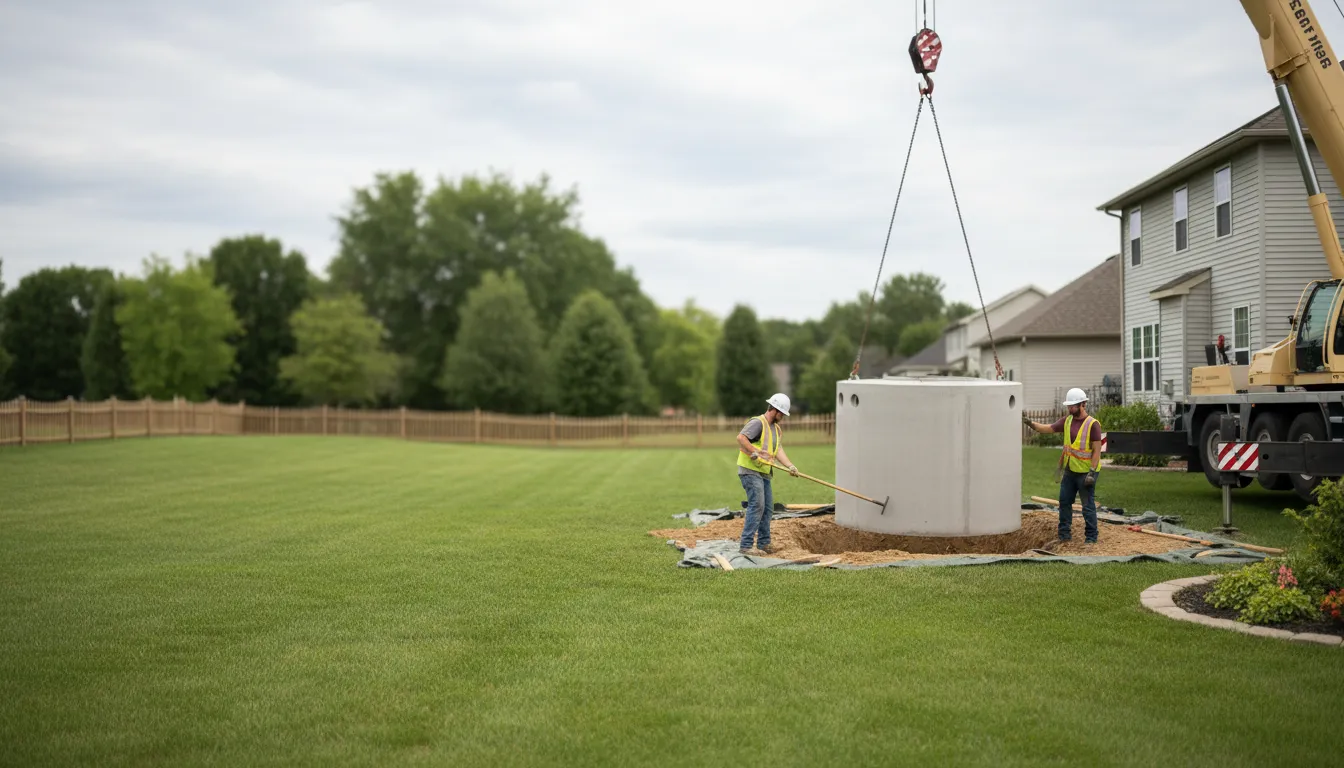
Find the Best Septic Tank Installation & Replacement Contractors for Your Business
No obligation • Fast responses • Nationwide coverage

Why you can trust Septic Spot
Septic Spot is a leading United States resource for understanding and comparing septic services. Our editors review providers using consistent criteria and verify key business details. Listings and scores are independent, and companies cannot pay to influence our content.
Search providers near you
Top Septic Tank Installation & Replacement Contractors in Beaumont, California Ranked
Installing or replacing a septic system in California is a significant project governed by strict state and local regulations. A properly designed and permitted system is crucial for protecting public health, groundwater, and the environment. This guide outlines the key steps, costs, and regulatory requirements for septic system work in California, helping you understand the process and connect with qualified local professionals.
Mr. Rooter Plumbing of San Bernardino
410 W Valley Blvd, Colton, CA 92324
Mr. Rooter Plumbing of San Bernardino offers a wide range of plumbing services including septic tank pumping, repair, and installation in Riverside, CA. The company serves San Bernardino and surrounding areas with expertise in plumbing repairs, drain cleaning, sewer line services, and septic system solutions. They use advanced tools such as trenchless technology and video camera inspections to address plumbing issues efficiently. Mr. Rooter Plumbing provides 24/7 emergency plumbing services backed by the Neighborly Done Right Promise®, ensuring quality workmanship and customer satisfaction.
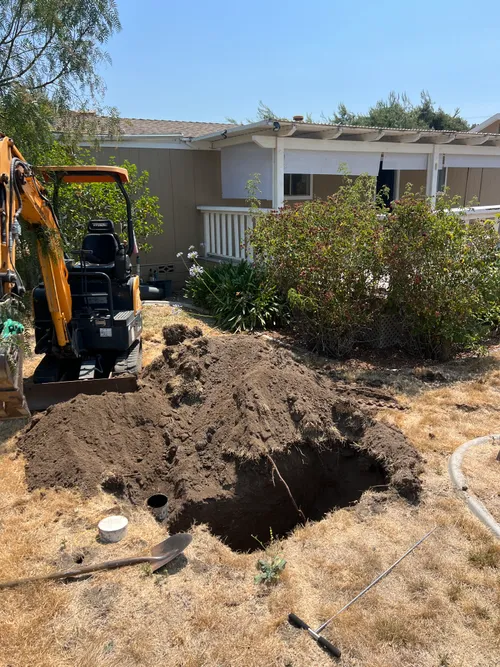
CertifiedSeptic.com
41700 Ivy St STE C, Murrieta, CA 92562
CertifiedSeptic.com provides septic tank pumping, inspection, installation, and maintenance services in Los Angeles, CA. Their offerings include septic pumping, certification inspections, system locating using ground-penetrating radar, sewer line video scoping, and hydro-jetting to clear clogs and buildup. The company designs and installs new septic systems following local regulations to ensure long-term functionality. Hydro-jetting is a key capability, using high-pressure water to clean pipes effectively and eco-friendly.
Rightway Septic Tank Pumping
653 W Minthorn St, Lake Elsinore, CA 92530
Rightway Septic Tank Pumping is a family-owned septic service provider based in Lake Elsinore, serving the Inland Empire area including Los Angeles, CA. They offer a range of services such as septic tank pumping, repairs, installations, wastewater treatment maintenance, seepage pit drilling, and septic system locating for both residential and commercial properties. With over 75 years of experience, Rightway is C-42 certified, ensuring compliance with industry standards and regulations. Their capabilities include septic tank pumping and maintenance using advanced equipment and techniques to maintain system efficiency.
Foureverfresh Septic & Sewer Solutions
Los Angeles, CA
Foureverfresh Septic & Sewer Solutions provides a range of septic system services in Los Angeles, CA. Their offerings include septic tank pumping, inspections, repairs, installations, and sewer line repairs. They use advanced diagnostic tools like video inspections and leak detection to address issues such as tree root intrusion and blockages efficiently. With over 20 years of experience, the company emphasizes eco-friendly practices and customer satisfaction in their work.

Bennett Excavation
290 Spruce Dr, Crestline, CA 92325
Bennett Excavation is a family-owned business based in Fontana, CA, specializing in septic system repair and installation. Serving the Inland Empire, they offer expertise in both repairing existing septic units and installing new systems. With over 30 years of experience, Bennett Excavation is recognized for its thorough and honest approach to septic services.
Understanding California's Regulatory Framework
In California, all septic system installations and major replacements are regulated under the State Water Resources Control Board's Onsite Wastewater Treatment Systems (OWTS) Policy. This policy provides a baseline, but the primary permitting and enforcement authority lies with your local county environmental health department or a regional water quality control board.
You cannot legally begin construction without obtaining the proper permits from this local agency. The process ensures your system is sized correctly for your household, suitable for your property's soil conditions, and located with proper setbacks from wells, waterways, property lines, and buildings.
The Permitting Process: A Step-by-Step Overview
Navigating the permit process is the first and most critical phase of your project. It typically involves several sequential steps:
- Application and Site Evaluation: You or your contractor will submit an application to the local health department. This almost always requires a site evaluation, including soil tests (like percolation or "perc" tests) to determine the absorption rate and depth to seasonal groundwater. This evaluation determines what type of system your land can support.
- System Design and Plan Submission: Based on the site evaluation, a qualified professional (like a licensed engineer, architect, or contractor) must prepare detailed design plans. These engineered plans specify the tank, drainfield, and all components 1.
- Permit Issuance: Once your plans are approved, the agency will issue a construction permit. This permit is your legal authorization to build the system according to the approved plans.
- Inspections: The local inspector will conduct multiple checks during construction, including a pre-construction inspection, an inspection of the open trench and tank before backfilling, and a final inspection upon completion2. Only after passing the final inspection is your system approved for use.
Key Design and Sizing Requirements
California has specific technical requirements that your system must meet:
- Tank Sizing: Tank capacity is based on the number of bedrooms in the home, not the number of occupants. Common minimum requirements are:
- 1,000 gallons for a 1-3 bedroom home.
- 1,200 gallons for a 4 bedroom home.
- 1,500 gallons for a 5-6 bedroom home.
- Setbacks: Your system must be installed a minimum distance from various features. While these vary by county, typical examples include distances from water wells (often 100 feet), buildings (10 feet), property lines (5-10 feet), and streams or lakes (50-100 feet)3 4 5.
- Soil and Groundwater: There must generally be a minimum of 5 feet of vertical separation between the bottom of the drainfield trench and the highest level of seasonal groundwater. Insufficient separation is a primary reason a conventional system may not be allowed.
Types of Septic Systems Used in California
The type of system you need depends entirely on your site's conditions.
- Conventional Gravity System: The most common and least expensive type, if soil conditions allow. It relies on gravity to move effluent from the tank to a series of perforated pipes in a drainfield.
- Engineered or Alternative Systems: Required when a conventional system is not viable due to poor soil, high groundwater, or limited space. These are more complex and costly. Types include:
- Pressure Distribution Systems: Use a pump to evenly distribute effluent across the drainfield.
- Mound Systems: An above-ground drainfield built with imported sand, used where soil depth is shallow.
Find the perfect septic tank installation & replacement contractors for your needs
Get personalized recommendations and expert advice
Cost Breakdown for Installation and Replacement
The total cost for a new septic system in California is highly variable, primarily driven by system type and site conditions. Always get multiple detailed quotes from licensed contractors.
- Simple Repair or Tank-Only Replacement: $5,000 - $10,000. This range applies if only the tank needs replacement and the existing drainfield is in good condition 8.
- Complete Conventional System Installation: $10,000 - $20,000. This is a typical range for a standard gravity-fed system on a property with suitable soil.
- Engineered or Alternative System Installation: $20,000 - $30,000+. Systems requiring pumps, advanced treatment, or special construction (like mounds) due to challenging site conditions fall into this higher cost bracket9 10 11.
These costs generally include permits, design, excavation, materials (tank, piping, gravel), labor, and inspection fees. Remember that costs in remote areas or regions with difficult access can be significantly higher.
Special Considerations for California Homeowners
- Sewer Availability: California's OWTS Policy includes a "sewer connection" provision. If your property is within 300 feet of an available public sewer line, you may be legally required to connect to it instead of installing or repairing a septic system12 13.
- Adding an Accessory Dwelling Unit (ADU): If you're building an ADU, the existing septic system must be evaluated for adequate capacity. If it's insufficient, you will need to expand or replace the entire system, which requires a new permit and must meet all current codes14.
- System Failure and Replacement: If your existing system fails (e.g., surfacing sewage, drainfield saturation), the health department will require repair or replacement. The replacement system must be designed to current standards, which may necessitate an alternative, more expensive system if the original one no longer meets code15 16.
Choosing a Qualified Contractor
This is not a DIY project. Selecting the right professional is essential for a compliant and long-lasting system.
- Verify Licenses: Ensure the contractor holds a current C-42 or C-36 California contractor's license for septic system work.
- Check Experience: Ask for references and examples of similar projects completed in your county. Familiarity with your local health department's inspectors and processes is a major advantage.
- Review the Contract: A detailed contract should outline the scope of work, system specifications, a payment schedule tied to inspection milestones, and who is responsible for obtaining permits and scheduling inspections.
Maintenance: Protecting Your Investment
A new system is a major investment. Protect it with proper care:
- Pump the Tank Regularly: Typically every 3-5 years, depending on usage and tank size.
- Conserve Water: Reduce strain on the system by fixing leaks and using water-efficient fixtures.
- Mind What You Flush: Only human waste and toilet paper should go into the system. Avoid chemicals, grease, wipes, and food scraps.
- Protect the Drainfield: Never drive or park on it, and keep roof drains and sump pumps directed away from the area.
Frequently asked questions
Sources
Footnotes
-
Santa Clara County Onsite Systems Manual - California Water Boards - https://www.waterboards.ca.gov/sanfranciscobay/board_info/agendas/2016/January/SantaClaraOWTS/SCC_OWTS_B_Onsite_Systems_Manual.pdf ↩
-
California Septic Tank Requirements | Onsite Wastewater ... - https://www.ntotank.com/blog/california-septic-tank-requirements ↩
-
Septic System Design Criteria - County of San Diego - https://www.sandiegocounty.gov/content/dam/sdc/deh/lwqd/Septic_System_Design_Criteria_3-22-10.pdf ↩
-
Septic Tank Plans: A Complete Homeowner's Guide - https://landperc.com/septic-tank-plans-guide/ ↩
-
Foresignt Engieering | Septic System FAQ | Hawaii - https://www.foresight-hi.com/what-you-need-to-know ↩
-
design, construction, and installation of alternative sewage treatment ... - https://www.napacounty.gov/DocumentCenter/View/3940/ASTS-Standards-PDF ↩
-
Navigating Septic System Regulations: Expert Guidance for New Jersey Property Owners - https://www.mapengineering.net/navigating-septic-system-regulations/ ↩
-
Septic Tank Installation in Mountain View, CA | Pumping Systems - Start 2 Finish - https://www.mountainviewcaplumbing.com/septic-tank-installation ↩
-
Homeowner's Guide to Septic Systems - El Dorado County - https://www.eldoradocounty.ca.gov/files/assets/county/v/1/documents/government/environmental-management/environmental-management/septic-documents/epa_homeowner_septic_guide.pdf ↩
-
Types of Septic Systems Explained: Pros, Cons, and Costs - All Septic & Sewer - Puyallup, WA Septic & Sewer Specialists - https://allsepticandsewer.com/types-of-septic-systems-explained-pros-cons-and-costs/ ↩
-
Septic System Installation Cost | New Septic System Cost - https://www.fixr.com/costs/install-septic-tank-system ↩
-
The Californian's Guide To Septic Tanks - https://cacciaplumbing.com/blog/california-septic-tank-guide/ ↩
-
Septic System (Onsite Wastewater Treatment Systems, OWTS ... - https://www.waterboards.ca.gov/centralcoast/water_issues/programs/septics/permits.html ↩
-
ADU Septic System Requirements in California - https://onestopadu.com/septic-tanks-for-adu/ ↩
-
Septic Systems | Riverside County Department of Environmental ... - https://rivcoeh.org/septic-systems ↩
-
Residential Septic Systems - https://www.inyocounty.us/services/environmental-health/environmental-health-programs/residential-septic-systems ↩