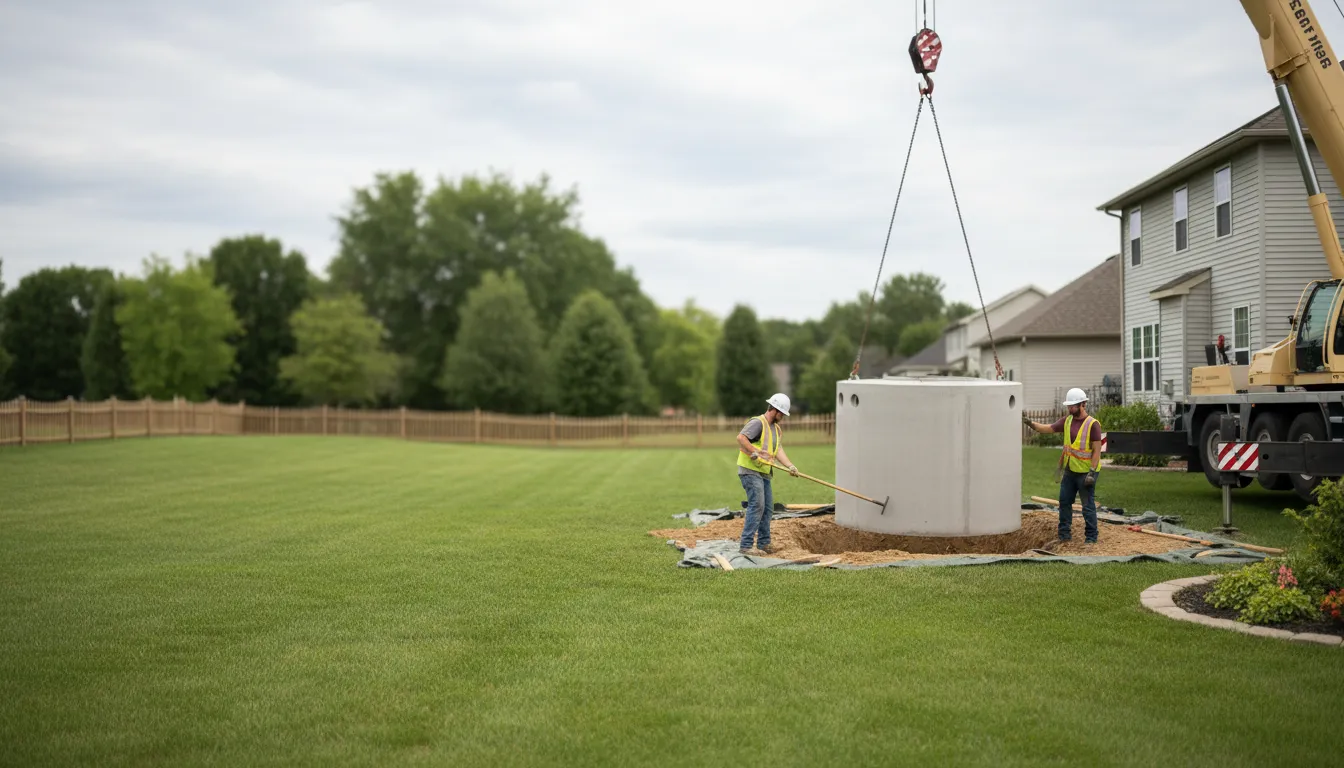
Find the Best Septic Tank Installation & Replacement Contractors for Your Business
No obligation • Fast responses • Nationwide coverage

Why you can trust Septic Spot
Septic Spot is a leading United States resource for understanding and comparing septic services. Our editors review providers using consistent criteria and verify key business details. Listings and scores are independent, and companies cannot pay to influence our content.
Search providers near you
Top Septic Tank Installation & Replacement Contractors in Campbell, California Ranked
Installing or replacing a septic system is a significant investment and a critical component of your property's infrastructure. For homes in Campbell without access to municipal sewer lines, a properly designed and permitted septic system is essential for managing wastewater safely and protecting local groundwater. This guide outlines the key steps, regulations, and considerations for septic system work in Campbell, helping you understand the process and connect with qualified local professionals for your project.
Wade's Plumbing & Septic
San Jose, CA
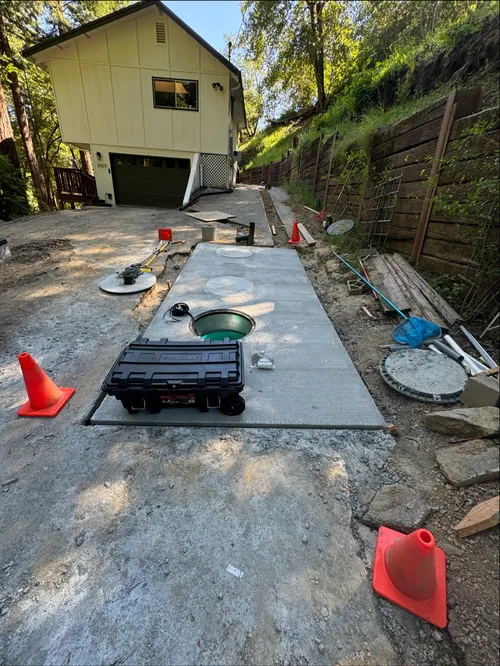
Wade's Plumbing & Septic is a family-owned company serving San Jose, CA, and licensed in California and Georgia. They specialize in septic tank pumping, inspection, repair, and installation, with a focus on enhanced treatment systems designed for challenging sites such as steep slopes, limited space, and environmentally sensitive areas. Their services include plumbing repairs and preventative maintenance, delivered by licensed professionals since 2021. Wade's offers upfront flat-rate pricing and emphasizes honest recommendations without upselling. They operate during regular business hours on weekdays.
PICHANGA PUMPING SERVICE LLC
901 N Rengstorff Ave, Mountain View, CA 94043
PICHANGA PUMPING SERVICE LLC is a family-owned business with over 10 years of experience, serving San Jose, CA. They provide septic tank pumping, inspection, repair, and installation services. The company uses specialized equipment for camera inspections and locating issues within pipes and sewer lines. They also offer restroom rentals. Pichanga Pumping Service provides after-hours and emergency services for added convenience.
The Honey Bucket Man
6116 CA-9 # D, Felton, CA 95018
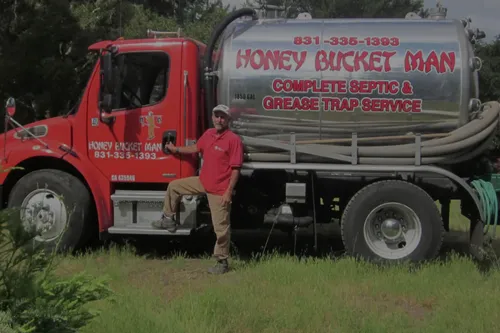
The Honey Bucket Man is a septic service provider located in San Jose, CA. They offer septic system cleaning, minor repairs, tank locating and uncovering, real estate inspections, and installation of new lids. Their services cover a range of septic system needs, including troubleshooting common problems to maintain system function.
Morton Septic Service Inc
905 Lena Ave, Gilroy, CA 95020
Morton Septic Service Inc is a septic system repair and installation company serving San Jose, CA, and nearby areas including South San Jose, San Martin, Gilroy, and Morgan Hill. The company offers a variety of septic services such as repairs and installations. With over 49 years of experience, Morton Septic Service Inc has developed extensive expertise in handling septic systems.
Understanding Local Regulations and Permit Requirements
In Campbell, all new septic system installations, full replacements, and major repairs require permits from the Santa Clara County Department of Environmental Health (DEH). A septic system is only permitted if a connection to the public sewer is not available; specifically, if the municipal sewer line is more than 300 feet from the property line. The regulatory framework is designed to ensure systems are safe and effective, preventing contamination.
The permitting process is multi-stage and begins with a professional site evaluation. Key regulatory requirements include:
- Property Lines: All system components must be located within your property boundaries.
- Setbacks: Tanks and drainfields must maintain minimum distances from property lines, buildings, wells, and other water sources.
- Soil and Groundwater: A minimum of 3 feet of suitable soil is required below dispersal trenches, and the seasonal high groundwater table must be at least 5 feet below the trench bottom.
The Critical First Step: Soil Percolation Testing
Before any design work can begin, a soil percolation test (often called a "perc test") is mandatory. This test measures how quickly water drains through the soil in the proposed drainfield area, which determines the system's size and design.
A licensed professional will dig several test holes, saturate them with water, and then measure the absorption rate. For a system to be approved in Santa Clara County, the soil must allow water to percolate at a rate between 1 and 12 inches per hour 1. This test is so crucial that it must often be witnessed by a county official. The cost for a professional percolation test typically ranges from $400 to $1,2002 3.
The Step-by-Step Installation Process
A full septic system installation is a coordinated project involving designers, contractors, and county inspectors. Understanding the timeline-which averages 6 to 8 weeks from start to finish-can help set proper expectations4.
1. Site Evaluation & System Design (2-3 Weeks)
Following a successful perc test, a detailed site plan is created. A qualified engineer or designer uses the soil data to determine the best type of system for your property, whether it's a standard gravity-fed system or a more complex pressurized or advanced treatment system needed for challenging sites.
2. Permit Application & Approval (2-3 Weeks)
The completed design plans are submitted to the Santa Clara County DEH for review. This phase includes paying associated permit fees. The county reviews the plans for compliance with all health and environmental codes before issuing the installation permit.
3. Excavation and Installation (1-2 Weeks)
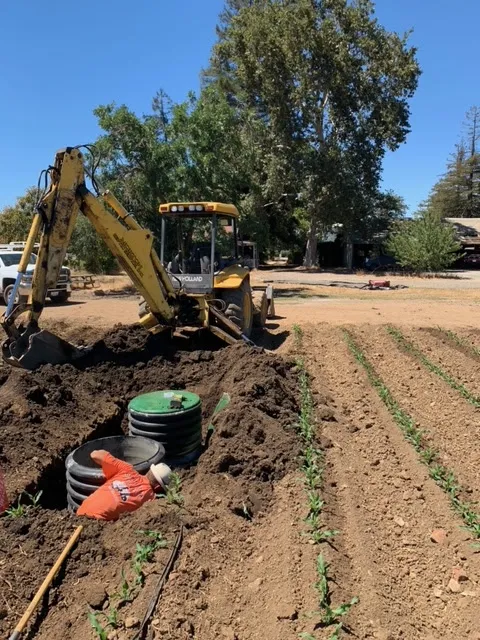
Once permitted, licensed excavation and septic contractors begin the physical work. This involves:
- Excavating the area for the septic tank and drainfield trenches.
- Carefully setting the tank (often concrete or plastic) and connecting inlet/outlet pipes.
- Installing the distribution box and laying the perforated pipes in the gravel-filled drainfield trenches.
4. The Crucial Inspection
Before the drainfield trenches are covered, a mandatory inspection by the DEH must occur. The inspector will verify that the tank is level, pipes are properly graded, and the entire installation matches the approved plans. This is a critical checkpoint; covering the system before it passes inspection can lead to failed approvals and costly rework.
5. Final Backfill and System Activation
After passing inspection, the system is backfilled. The installer will provide guidance on proper startup procedures and long-term maintenance requirements to ensure the system's longevity.
Find the perfect septic tank installation & replacement contractors for your needs
Get personalized recommendations and expert advice
Cost Factors for Septic Systems in Campbell
The total cost for a septic system installation or replacement in Campbell varies widely based on soil conditions, system type, and property specifics. It's important to budget for both hard construction costs and soft costs like design and permits.
- Standard Gravity Systems: For properties with suitable soil, a conventional system typically costs between $15,000 and $30,000 5.
- Complex Systems: If your site requires a pump, a pressure-dosed drainfield, or an advanced treatment system (like an aerobic treatment unit), costs can easily exceed $50,0006.
- Design and Testing Fees: The upfront costs for soil testing, engineering, and design can add $800 to $2,500 or more to the total project cost7 8.
Choosing Between Repair and Full Replacement
Not all system failures require a complete replacement. A qualified professional can diagnose issues like drainfield failure, tank structural problems, or clogged inlet/outlet baffles. A major repair, such as replacing a drainfield section or the tank itself, still requires a county permit9. Often, the decision comes down to the age of the system, the extent of the failure, and a cost-benefit analysis provided by your contractor.
Maintaining Your New Septic System
Protecting your investment starts as soon as the system is active. Regular pumping (typically every 3-5 years), mindful water usage, and avoiding flushing harmful chemicals or non-biodegradable materials are essential. Keeping detailed records of inspections, pumping, and any repairs will be valuable for both maintenance and if you ever decide to sell your property.
Disclaimer: Regulations and processes can change. Always confirm current requirements directly with the Santa Clara County Department of Environmental Health before beginning any project.
Frequently asked questions
Sources
Footnotes
-
The Californian's Guide To Septic Tanks - https://cacciaplumbing.com/blog/california-septic-tank-guide/ ↩
-
The SoCal Guide to Septic Tank Installation - https://www.lanikseptic.com/socal-guide-septic-tank-installation/ ↩
-
Residential Percolation Test - West Coast Sanitation - https://westcoastsanitationinc.com/residential-percolation-test/ ↩
-
Septic System Install Timeline | RCI Septic Service - https://www.rciseptic.com/complete-step-by-step-timeline-septic-system-installation-from-permit-to-finish ↩
-
How Much Does a Septic System & Septic Tank Cost - https://www.nexgenseptics.com/septic-system-cost/ ↩
-
The Ultimate Guide to Septic System Installation Process - https://septic911.com/septic-system-installation-process/ ↩
-
Geotechnical and Percolation Soil Testing in California - https://alluvialsoillab.com/pages/geotechnical ↩
-
The Real Cost of a Class 4 Septic System in Ontario (2026 Estimates) - https://buildersontario.com/septic-system-cost-in-ontario/ ↩
-
ONSITE SYSTEMS MANUAL - California Water Boards - https://www.waterboards.ca.gov/sanfranciscobay/board_info/agendas/2016/January/SantaClaraOWTS/SCC_OWTS_B_Onsite_Systems_Manual.pdf ↩