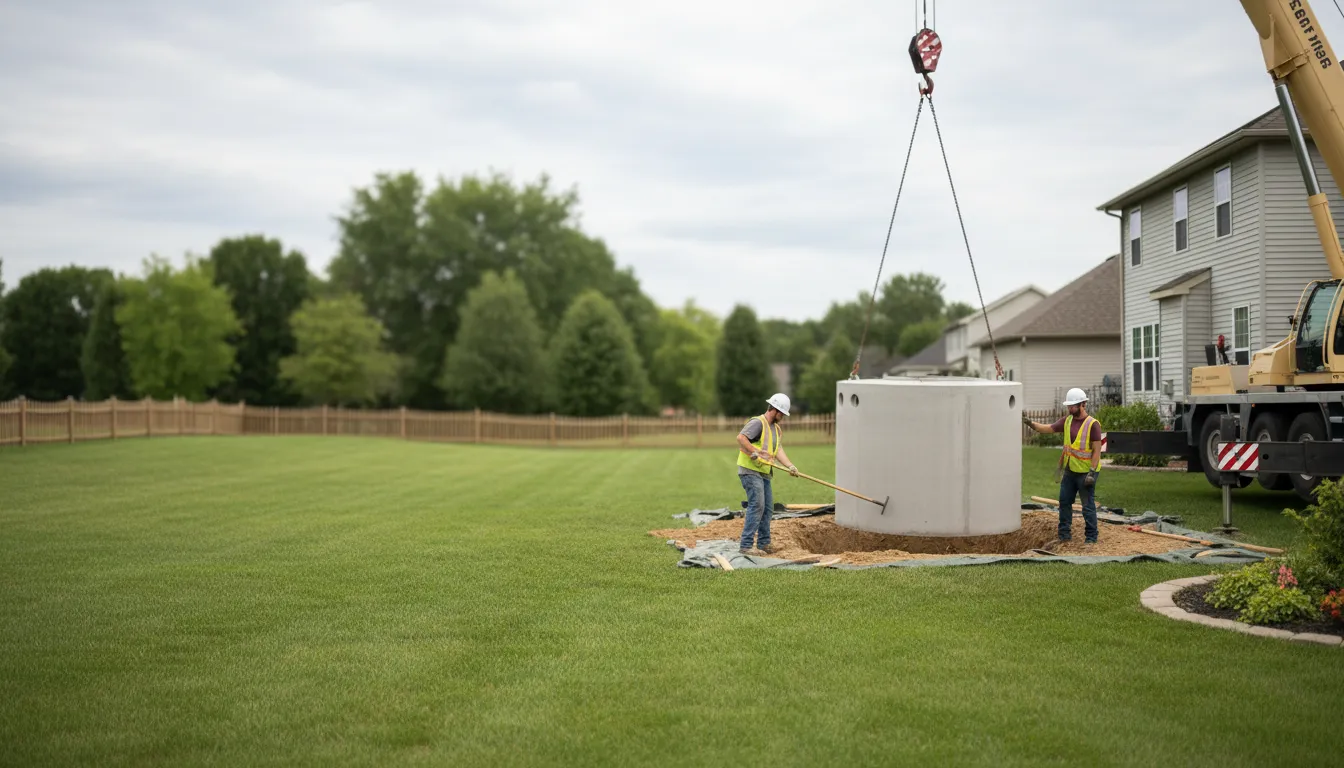
Find the Best Septic Tank Installation & Replacement Contractors for Your Business
No obligation • Fast responses • Nationwide coverage

Why you can trust Septic Spot
Septic Spot is a leading United States resource for understanding and comparing septic services. Our editors review providers using consistent criteria and verify key business details. Listings and scores are independent, and companies cannot pay to influence our content.
Search providers near you
Top Septic Tank Installation & Replacement Contractors in Chino Hills, California Ranked
Installing or replacing a septic system is a significant home infrastructure project that requires careful planning, professional expertise, and strict adherence to local regulations. For homeowners in Chino Hills, this process is governed by San Bernardino County's environmental health codes and California's statewide policies for Onsite Wastewater Treatment Systems (OWTS). This guide explains the key steps, costs, and regulatory requirements for septic system installation and septic tank replacement in Chino Hills, helping you understand what to expect and how to connect with qualified local professionals for your project.
Mr. Rooter Plumbing of San Bernardino
410 W Valley Blvd, Colton, CA 92324
Mr. Rooter Plumbing of San Bernardino offers a wide range of plumbing services including septic tank pumping, repair, and installation in Riverside, CA. The company serves San Bernardino and surrounding areas with expertise in plumbing repairs, drain cleaning, sewer line services, and septic system solutions. They use advanced tools such as trenchless technology and video camera inspections to address plumbing issues efficiently. Mr. Rooter Plumbing provides 24/7 emergency plumbing services backed by the Neighborly Done Right Promise®, ensuring quality workmanship and customer satisfaction.
Foureverfresh Septic & Sewer Solutions
Los Angeles, CA
Foureverfresh Septic & Sewer Solutions provides a range of septic system services in Los Angeles, CA. Their offerings include septic tank pumping, inspections, repairs, installations, and sewer line repairs. They use advanced diagnostic tools like video inspections and leak detection to address issues such as tree root intrusion and blockages efficiently. With over 20 years of experience, the company emphasizes eco-friendly practices and customer satisfaction in their work.
Honey Doo Wagon Septic Pumping
Irvine, CA
Honey Doo Wagon Septic Pumping is a full-service septic company serving Irvine, CA. They offer septic tank pumping, inspections, repairs, installations, replacements, and maintenance. With over 18 years of experience, the company provides a wide range of septic services backed by a commitment to professionalism and integrity.
Countywide Septic Pumping LLC
5290 Capella Ct, Jurupa Valley, CA 91752
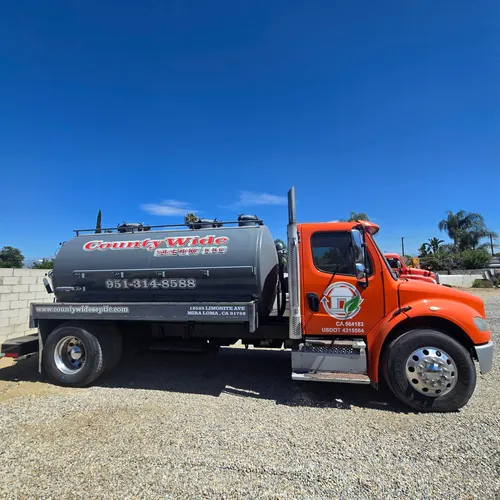
Countywide Septic Pumping LLC provides septic tank installation, pumping, inspection, and repair services in Los Angeles, CA, and surrounding counties including Riverside, Orange, and San Bernardino. They serve both residential and commercial clients, handling everything from soil sampling and permit acquisition to system maintenance and emergency repairs. The company offers 24-hour emergency septic tank pumping and repair services to address urgent needs promptly. Countywide Septic Pumping uses updated equipment to ensure effective septic system performance and safe installation, supporting properties where municipal water and sewage services are unavailable.
West-End Pumping Company
8130 Arcadia St, Corona, CA 92881
West-End Pumping Company provides septic tank pumping, inspection, repair, and installation services in Los Angeles, CA. They handle septic system excavation and hauling, offering solutions for both residential and commercial properties. The company has been serving customers since 2006, covering areas including Riverside County, Corona, and Eastvale. Their capabilities include emergency septic pumping with response times typically ranging from one to two hours depending on truck availability.
Understanding the Regulatory Landscape in San Bernardino County
All new installations and replacements of septic systems, also known as onsite wastewater systems, in Chino Hills fall under the jurisdiction of the San Bernardino County Department of Environmental Health Services (DEHS). A permit from DEHS is mandatory for any new system or if you are replacing an existing failing system, provided your property is not connected to a municipal sewer line (typically if you are more than 300 feet away from one).
The entire process is designed to ensure that wastewater is treated safely without contaminating groundwater or creating a public health nuisance. Systems must comply with both the San Bernardino County Code and the California State Water Resources Control Board's OWTS Policy. This dual layer of regulation means working with professionals familiar with both county-specific and state-level requirements is crucial.
The First Critical Step: Site Evaluation & Soil Testing
Before any design work can begin, a thorough site evaluation must be conducted. This assessment looks at the property's topography, soil profiles, and the highest expected groundwater level. The most critical component of this phase is the soil percolation test (often called a "perc test").
Percolation Test Requirements
- Certified Professional: The test must be performed by a certified professional, such as a licensed engineer, geologist, or qualified soil tester.
- Procedure: Test holes are presaturated and then measured for the rate at which water drains (percolates) through the soil at the depth of the proposed leaching component 1.
- Acceptable Rate: For a system to be approved, the soil must have an absorption rate between 1 and 60 minutes per inch (MPI) 2 3. Soil that drains too quickly or too slowly may require a more advanced (and costly) system design or may not support a conventional septic system at all.
- Notification: DEHS requires at least two working days' notice before a percolation test is conducted.
A successful perc test report is a foundational document for your permit application and system design.
Designing Your Septic System & Securing Permits
With a favorable site evaluation and perc test in hand, the next step is to create a detailed design plan. This plan determines the size and type of system needed for your home.
System Sizing & Design
The size of the septic tank and the drain field (or seepage pit) is primarily based on the number of bedrooms in the home, which estimates daily wastewater flow. The design must account for the specific soil conditions revealed in the testing. A professional-often a civil or sanitation engineer-will prepare this plan, which includes detailed drawings of the tank, distribution box, and leaching area.
Permit Application Package
To apply for a construction permit from San Bernardino County DEHS, you will typically need to submit:
- A completed permit application with the required fees.
- The official Percolation Test Report.
- Three sets of detailed, scaled construction plans signed by the professional of record (engineer, architect, etc.).
- A scaled floor plan of the residence.
The county reviews these documents to ensure the proposed onsite sewage system meets all health and safety standards before issuing a permit to proceed with construction.
Find the perfect septic tank installation & replacement contractors for your needs
Get personalized recommendations and expert advice
The Installation & Construction Process
Once permits are secured, physical work can begin. This phase involves careful excavation, placement of the septic tank and distribution components, and construction of the leach field or seepage pits.
Key Construction Inspections
San Bernardino County mandates specific inspections during construction to ensure the work matches the approved plans:
- Pre-Construction/Stakeout: Verifying the location of system components.
- Tank Placement & Leach Field Construction: Inspecting the septic tank before it is buried and the trenches or pits before they are filled with gravel and soil.
- Final Construction Inspection: This is a mandatory inspection that must occur before the system is covered. A county inspector will check the entire installation for compliance.
Only after passing the final inspection will the system be approved for use. This final approval is often necessary for obtaining a certificate of occupancy for a new home 4.
Cost Factors for Septic System Installation in Chino Hills
The cost of a septic system is highly variable and depends on your specific site conditions and home size. For a standard residential system in our region, homeowners can expect a typical range from $10,000 to over $30,000 5 6 7 8.
Several key factors influence where your project falls in this range:
- Soil Conditions: Poor percolation rates may require a larger drain field or a more expensive alternative system like a mound or aerobic treatment unit (ATU).
- Excavation Difficulty: Rocky soil, steep slopes, or limited access can increase labor and equipment costs.
- System Size & Type: A larger home requires a larger tank and drain field. Conventional gravity systems are generally less expensive than pressurized or advanced treatment systems.
- Permitting & Design Fees: These include county permit fees, soil testing costs, and engineering design fees.
Special Considerations for System Replacement
Replacing an old or failing septic system follows a similar but distinct path. You cannot simply install a new tank in the old hole. California law requires that any replacement system be brought up to current code standards 9 10 11 12.
This often means:
- Conducting a new, current site evaluation and percolation test, as soil conditions can change over decades.
- Designing a new system that meets today's stricter environmental and public health regulations, which may require a different location or a larger footprint than the original system.
- Properly abandoning the old septic tank and drain field in accordance with county procedures.
Replacement projects underscore the importance of working with experienced local contractors who understand the evolution of local codes and can navigate the specific requirements for upgrading an existing property.
Maintaining Your New Septic System
After your new onsite wastewater system is installed and approved, proper maintenance is key to its longevity and performance. This includes regular pumping of the septic tank (typically every 3-5 years), conserving water to avoid overloading the system, and avoiding flushing harmful chemicals or non-biodegradable materials. A well-maintained system can last for decades, protecting your investment and the local environment.
Note: You should confirm all specific requirements, procedures, and fees directly with the San Bernardino County Department of Environmental Health Services, as regulations can be updated.
Frequently asked questions
Sources
Footnotes
-
On-Site Sewage Guidelines - OC Development Services - https://ocds.ocpublicworks.com/sites/ocpwocds/files/2021-06/On-Site%20Sewage%20Guidelines.pdf ↩
-
On-Site Waste Water Disposal System - San Bernardino County - https://wp.sbcounty.gov/wp-content/uploads/sites/7/2017/10/Perc-Test-09-27-17.pdf ↩
-
Site Evaluation and Testing Procedures - https://scceh.com/Portals/6/Env_Health/LAMP/AppF-SITEEvalandTestingProcedures6-7-21.pdf ↩
-
Chapter 6.4 SEWAGE STANDARDS - General Code - https://www.codepublishing.com/CA/SolanoCounty/html/SolanoCounty0604.html ↩
-
The Californian's Guide To Septic Tanks - https://cacciaplumbing.com/blog/california-septic-tank-guide/ ↩
-
The SoCal Guide to Septic Tank Installation - https://www.lanikseptic.com/socal-guide-septic-tank-installation/ ↩
-
Septic Health: Small Steps to Avoid Costly Problems - https://www.youtube.com/watch?v=wkBLYJXfLLE ↩
-
How Much Does a Septic System & Septic Tank Cost - https://www.nexgenseptics.com/septic-system-cost/ ↩
-
Santa Clara County Onsite Systems Manual - California Water Boards - https://www.waterboards.ca.gov/sanfranciscobay/board_info/agendas/2016/January/SantaClaraOWTS/SCC_OWTS_B_Onsite_Systems_Manual.pdf ↩
-
Septic Systems | Riverside County Department of Environmental ... - https://rivcoeh.org/septic-systems ↩
-
Septic System (Onsite Wastewater Treatment Systems, OWTS ... - https://www.waterboards.ca.gov/centralcoast/water_issues/programs/septics/permits.html ↩
-
Chapter 6.4 SEWAGE STANDARDS - https://www.codepublishing.com/CA/SolanoCounty/html/SolanoCounty0604.html ↩