Find the Best Septic Tank Installation & Replacement Contractors for Your Business
No obligation • Fast responses • Nationwide coverage

Why you can trust Septic Spot
Septic Spot is a leading United States resource for understanding and comparing septic services. Our editors review providers using consistent criteria and verify key business details. Listings and scores are independent, and companies cannot pay to influence our content.
Search providers near you
Top Septic Tank Installation & Replacement Contractors in Compton, California Ranked
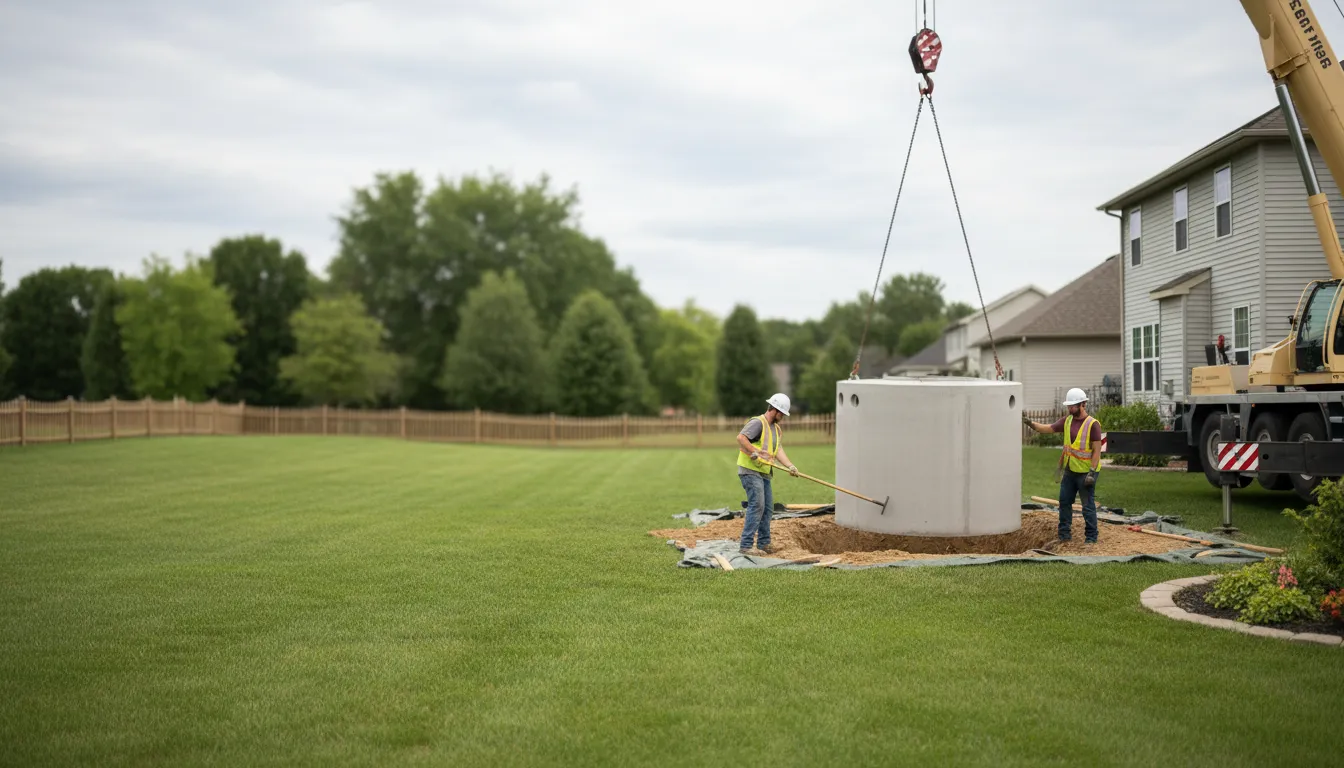
Installing or replacing a septic system is a significant home infrastructure project that requires careful planning and professional expertise. In Compton, this process is governed by strict local and state regulations designed to protect public health and groundwater quality. This guide explains the key steps, costs, and regulatory requirements for septic system installation and replacement, helping you understand what to expect and how to connect with qualified local professionals for your project.
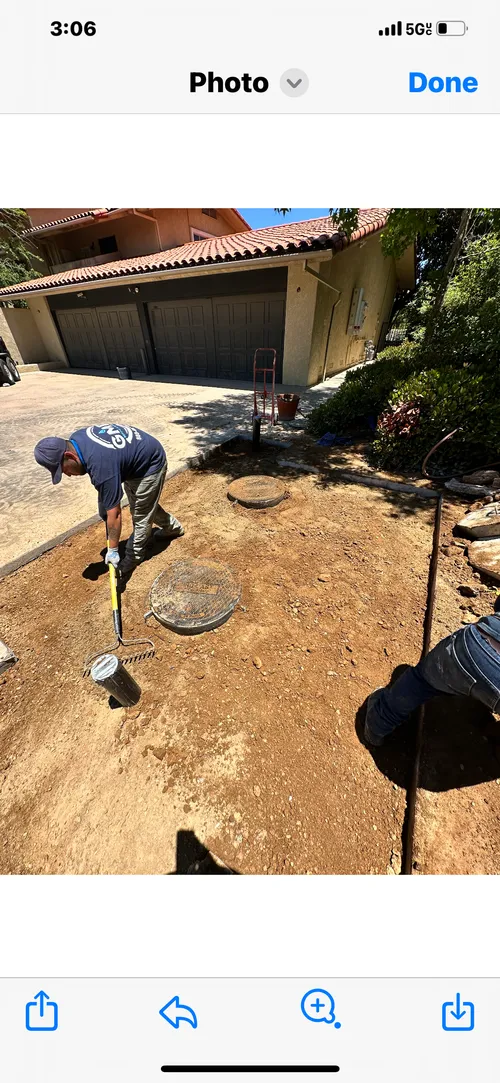
GMP Septic And Sewer
20 Surrey Ln, Rancho Palos Verdes, CA 90275
GMP Septic And Sewer provides a full range of septic services in Los Angeles, CA, including septic tank pumping, cleaning, inspections, repairs, installations, and system upgrades. They handle new construction, remodels, and replacements, ensuring systems are tailored to property needs. The company offers 24/7 emergency services for urgent septic system repairs. Their expertise covers diagnosing leaks, replacing damaged components, and maintaining system performance through regular maintenance and thorough inspections.
Just Sewers, INC
Los Angeles, CA
Just Sewers, INC is a sewer and septic service provider based in Los Angeles, CA. They offer a wide range of services including septic tank pumping, inspection, and installation, as well as sewer line cleaning, repair, replacement, and trenchless sewer solutions. Serving Los Angeles and surrounding communities such as Pasadena, Hollywood, Beverly Hills, and Santa Monica, they utilize advanced tools like video inspections and hydro jetting to address plumbing issues efficiently. The company operates 24/7 to handle emergencies and routine maintenance, helping to prevent costly backups and system failures.
Carter Sanitation Sewer & Septic
4266 Elton St, Baldwin Park, CA 91706
Carter Sanitation Sewer & Septic provides septic and sewer services in Los Angeles, CA, with a focus on the San Gabriel Valley. The company offers septic system installation, pumping, repair, sewer line services, trenchless sewer solutions, street excavation, and drain cleaning for residential, commercial, industrial, and municipal properties. Established in 1969, Carter Sanitation brings over 50 years of experience to its work, emphasizing environmental responsibility and customer satisfaction.
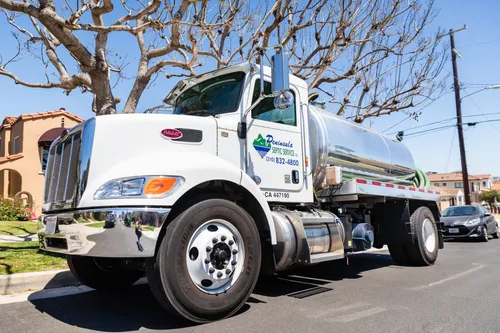
Peninsula Septic Service
Long Beach, CA
Peninsula Septic Service is a local, family-owned company serving Long Beach, CA, and the surrounding South Bay area. With over 30 years of experience, they specialize in septic system repair, maintenance, and installation for both residential and commercial properties. Their team includes NAWT-certified and California on-site wastewater-certified professionals who handle jobs of any scale. Peninsula Septic Service offers 24/7 emergency services, responding within two hours, and provides multi-tank and commercial discounts.
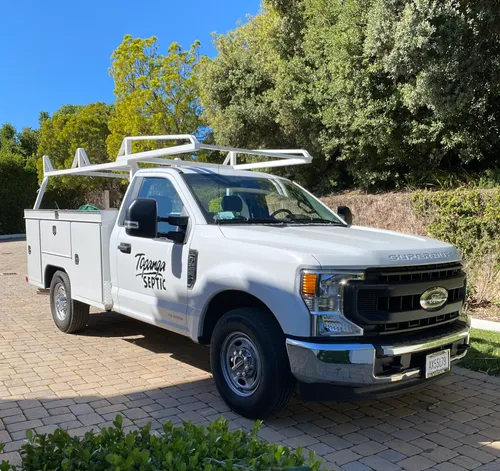
Topanga Septic
22028 Ventura Blvd Ste. 101, Woodland Hills, CA 91364
Topanga Septic is a septic tank service provider located in Los Angeles, CA. They offer a range of services including septic tank pumping, inspections, repairs, installations, and drain field repair or replacement. Their capabilities include excavation, grading, and advanced system monitoring to support system upgrades and maintenance in compliance with new regulations. The company is licensed, bonded, and insured, with certifications from COWA and NAWT. They serve Topanga Canyon, Malibu, and the Greater Los Angeles Area, focusing on preserving natural surroundings during their work.
Understanding the Permit Process in Los Angeles County
Before any shovel hits the ground for a new septic tank installation or a system replacement in Compton, you must secure the proper permits. All onsite wastewater treatment systems (OWTS) fall under the jurisdiction of the Los Angeles County Department of Public Health 1. A septic tank permit is mandatory for any construction, modification, or replacement activity 1.
The permit process ensures your system is designed and built to meet the California Water Boards' statewide OWTS policy, which sets the baseline for protecting water quality 2. It's crucial to note a key local rule: if a public sewer line is available within 200 linear feet of your property line, connection to the municipal sewer is typically required instead of installing or replacing a septic system. Furthermore, if you are rebuilding a home or adding bedrooms, existing cesspools must be upgraded to modern septic systems that meet current standards.
The Critical Role of Site Evaluation and Soil Testing
A successful septic system hinges on the property's soil conditions. The cornerstone of this assessment is the percolation test (often called a "perc test"). This test determines the soil's absorption rate, which dictates the size and design of the leach field.
A qualified professional, such as a licensed engineer or soil evaluator, must perform this test. It involves digging a minimum of two test holes and measuring how quickly water drains through the soil 3 4. The results, usually expressed in minutes per inch, must fall within an acceptable range (often between 1 and 60+ minutes per inch) to proceed with a conventional system design 3 5. Poor percolation results may require a more advanced, and costly, engineered system.
Design and Planning: Working with Professionals
Once you have favorable soil test results, the next step is system design. This is not a DIY project. You will need to work with a qualified professional-a licensed septic designer, engineer, or an experienced installation contractor-to create a site plan. This plan must detail the tank location, leach field layout, pipe slopes, and all components.
The design must adhere to strict setback distances from structures, property lines, wells, and waterways to prevent contamination 6 7. A critical design parameter is maintaining a minimum 5-foot separation between the bottom of the leach field trenches and the seasonal high groundwater table 6 7. Your designer will submit this plan, along with the percolation test results, to the LA County Health Department for a formal plan check and approval before a permit is issued 6.
Find the perfect septic tank installation & replacement contractors for your needs
Get personalized recommendations and expert advice
The Installation Process and Required Inspections
With permit in hand, installation can begin. This process is closely monitored through a series of mandatory inspections conducted by a county sewer inspector to ensure compliance with the approved plans and health codes 8.
Key inspection stages include:
- Tank Inspection: After the septic tank is set in the ground but before it is buried, an inspector will verify its proper placement, structural integrity, and watertight construction 9.
- Leach Field Inspection: Before the distribution pipes and gravel in the leach field trenches are covered, an inspection ensures correct depth, materials, and layout 10.
- Final Inspection: A complete walkthrough of the entire installed system is performed to grant final approval.
Failing an inspection can lead to costly corrections and delays, so working with a reputable installer who understands local inspection protocols is essential.
Cost Factors for Septic System Installation and Replacement
The total cost for a full septic system installation or replacement in Compton can vary widely. For a standard residential system, you can expect a range from $3,000 to over $10,000, with complex projects costing significantly more 11 12.
Several primary factors influence the final price:
- System Size and Capacity: Larger tanks and drain fields for homes with more bedrooms cost more.
- Soil and Site Conditions: Difficult soil, high groundwater, or sloping land may require a more expensive engineered system.
- Site Accessibility: Tight lots or difficult terrain can increase equipment and labor costs.
- System Type: Replacing an old cesspool or installing a system with a pump or advanced treatment components adds to the cost 13.
Maintaining Your New Onsite Wastewater System
After your new system is installed and approved, proper maintenance is key to its longevity and function. This includes regular septic tank pumping (typically every 3-5 years), conserving water to avoid overloading the drain field, and avoiding flushing harmful chemicals or non-biodegradable materials. Protecting the area over your leach field from heavy vehicles or deep-rooted plants is also crucial. A well-maintained system can serve your property reliably for decades.
Frequently asked questions
Sources
Footnotes
-
Onsite Wastewater Treatment System in Los Angeles County - http://www.publichealth.lacounty.gov/eh/business/septic-systems.htm ↩ ↩2
-
Septic System (Onsite Wastewater Treatment Systems, OWTS ... - https://www.waterboards.ca.gov/centralcoast/water_issues/programs/septics/permits.html ↩
-
Percolation Test Requirements | Kern County, CA - https://www.kernpublichealth.com/permitting-compliance/waste/septic-systems/percolation-test-requirements ↩ ↩2
-
Site Evaluation and Testing Procedures - https://scceh.com/Portals/6/Env_Health/LAMP/AppFSITEEvalandTestingProcedures.pdf ↩
-
Percolation Test | Sim Sanitation, Inc. | Tehachapi - https://www.simsanitation.com/percolation-test ↩
-
The Californian's Guide To Septic Tanks - https://cacciaplumbing.com/blog/california-septic-tank-guide/ ↩ ↩2 ↩3
-
Septic System Zoning Laws and What They Mean for You | Express - https://septicsystempumping.com/septic-system-zoning-laws-and-what-they-mean-for-you/ ↩ ↩2
-
Chapter 23: Sewer and Water - City of Compton, CA - eCode360 - https://ecode360.com/35619452 ↩
-
ADU Septic System Requirements in California: Your Essential Guide - https://onestopadu.com/septic-tanks-for-adu/ ↩
-
STATE OF CALIFORNIA CALIFORNIA REGIONAL WATER QUALITY CONTROL BOARD LOS ANGELES REGION ORDER NO. R4-2004-0146 GENERAL WASTE DISC - https://www.waterboards.ca.gov/rwqcb4/board_decisions/adopted_orders/general_orders/r4-2004-0146/r4-2004-0146_wdr.pdf ↩
-
Septic Tank Replacement and Drain Field Cost in California - https://www.lanikseptic.com/how-much-does-it-cost-to-replace-a-septic-tank-and-drain-field-in-california/ ↩
-
How to Know if You Need a Septic System Permit - Pippin Home Designs - https://www.pippinhomedesigns.com/septic-system-permit/ ↩
-
STP Commissioning Guide: Step-by-Step Process for Engineers - https://susbio.in/how-to-commission-stp-plants-guide-for-engineers/ ↩