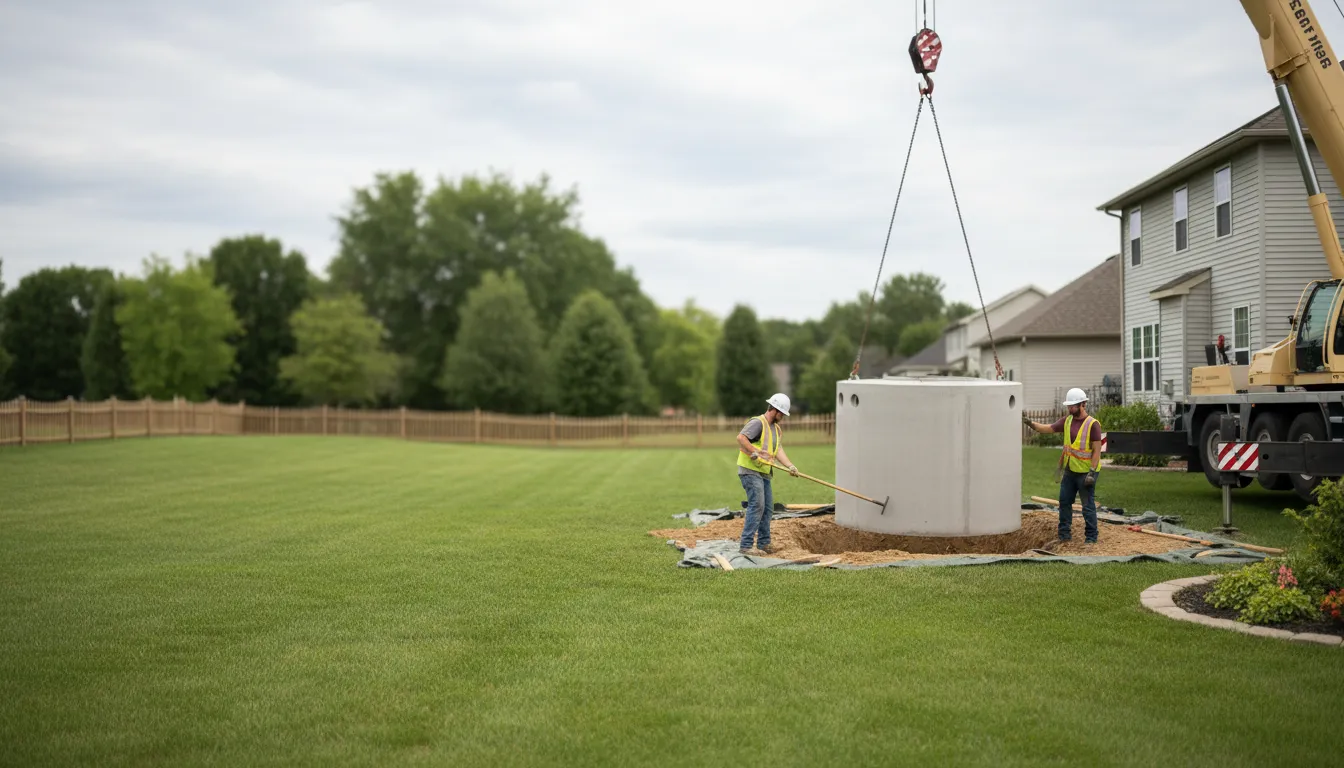
Find the Best Septic Tank Installation & Replacement Contractors for Your Business
No obligation • Fast responses • Nationwide coverage

Why you can trust Septic Spot
Septic Spot is a leading United States resource for understanding and comparing septic services. Our editors review providers using consistent criteria and verify key business details. Listings and scores are independent, and companies cannot pay to influence our content.
Search providers near you
Top Septic Tank Installation & Replacement Contractors in Costa Mesa, California Ranked
Installing or replacing a septic system is a significant home improvement project that ensures the safe and effective treatment of household wastewater. For properties in Costa Mesa not connected to the municipal sewer, a properly designed and permitted onsite wastewater treatment system (OWTS) is essential for environmental protection and public health. This guide outlines the key steps, local regulations, and costs to help you navigate the process of finding qualified professionals for your septic system installation or replacement.
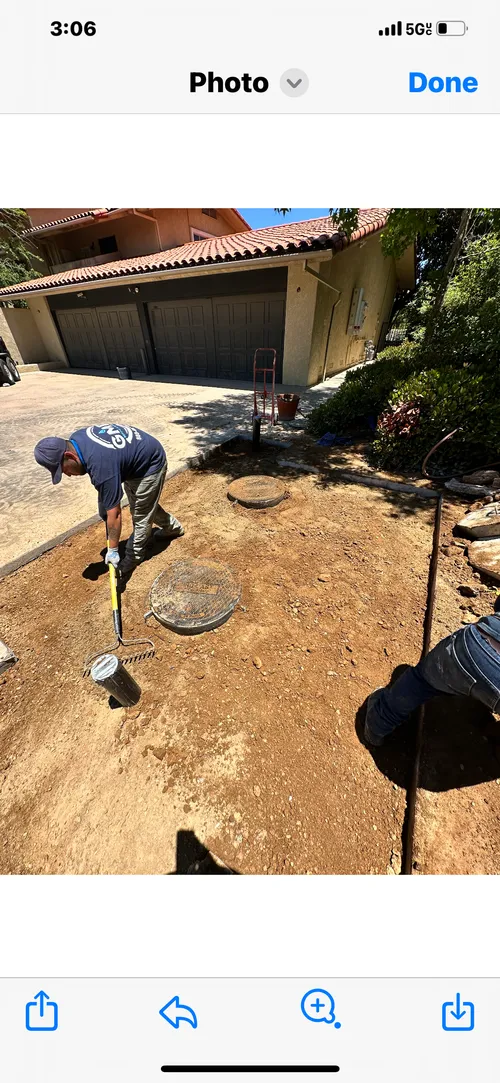
GMP Septic And Sewer
20 Surrey Ln, Rancho Palos Verdes, CA 90275
GMP Septic And Sewer provides a full range of septic services in Los Angeles, CA, including septic tank pumping, cleaning, inspections, repairs, installations, and system upgrades. They handle new construction, remodels, and replacements, ensuring systems are tailored to property needs. The company offers 24/7 emergency services for urgent septic system repairs. Their expertise covers diagnosing leaks, replacing damaged components, and maintaining system performance through regular maintenance and thorough inspections.
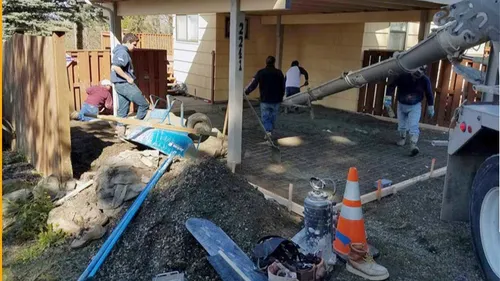
Honey Doo Wagon Septic Pumping
Irvine, CA
Honey Doo Wagon Septic Pumping is a full-service septic company serving Irvine, CA. They offer septic tank pumping, inspections, repairs, installations, replacements, and maintenance. With over 18 years of experience, the company provides a wide range of septic services backed by a commitment to professionalism and integrity.
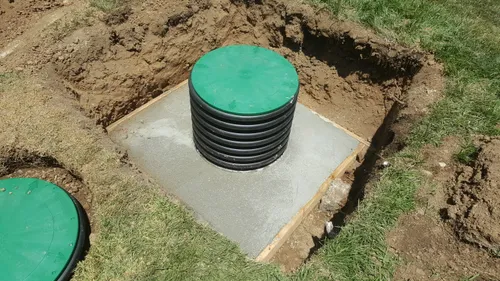
West-End Pumping Company
8130 Arcadia St, Corona, CA 92881
West-End Pumping Company provides septic tank pumping, inspection, repair, and installation services in Los Angeles, CA. They handle septic system excavation and hauling, offering solutions for both residential and commercial properties. The company has been serving customers since 2006, covering areas including Riverside County, Corona, and Eastvale. Their capabilities include emergency septic pumping with response times typically ranging from one to two hours depending on truck availability.
Just Sewers, INC
Los Angeles, CA
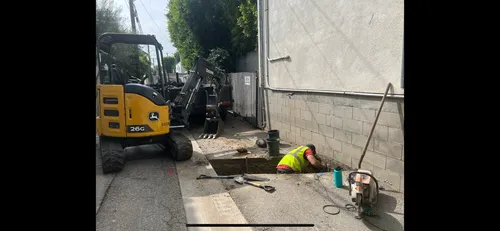
Just Sewers, INC is a sewer and septic service provider based in Los Angeles, CA. They offer a wide range of services including septic tank pumping, inspection, and installation, as well as sewer line cleaning, repair, replacement, and trenchless sewer solutions. Serving Los Angeles and surrounding communities such as Pasadena, Hollywood, Beverly Hills, and Santa Monica, they utilize advanced tools like video inspections and hydro jetting to address plumbing issues efficiently. The company operates 24/7 to handle emergencies and routine maintenance, helping to prevent costly backups and system failures.
Carter Sanitation Sewer & Septic
4266 Elton St, Baldwin Park, CA 91706
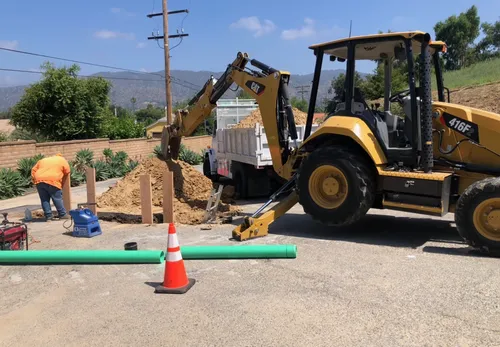
Carter Sanitation Sewer & Septic provides septic and sewer services in Los Angeles, CA, with a focus on the San Gabriel Valley. The company offers septic system installation, pumping, repair, sewer line services, trenchless sewer solutions, street excavation, and drain cleaning for residential, commercial, industrial, and municipal properties. Established in 1969, Carter Sanitation brings over 50 years of experience to its work, emphasizing environmental responsibility and customer satisfaction.
Understanding Local Septic System Regulations
In Costa Mesa, septic system work is governed by both the Costa Mesa Sanitary District (CMSD) and Orange County Development Services. Any new installation or full system replacement requires permits and must adhere to the county's On-Site Sewage Guidelines 1 2. These regulations are designed to protect groundwater quality, which is a critical concern in Southern California. The rules specify everything from system design and soil suitability to mandatory setbacks from property lines, wells, and waterways. Working with a licensed installer who is familiar with these local codes is the first step toward a successful project.
The Critical Role of Soil and Site Evaluation
Before any design can be finalized or a permit approved, a thorough site evaluation must be conducted. This is arguably the most important phase, as the soil's ability to absorb and treat effluent determines the type and size of system you can install.
- Percolation Testing: A certified professional must conduct at least six percolation tests ("perc tests") for a standard trench system 3. These tests involve pre-soaking holes, often overnight, and then measuring how quickly water drains into the soil. For a system to be approved, the soil must demonstrate a percolation rate between 1 and 2 inches per hour 4.
- Exploratory Borings: At least one soil boring is required to determine the depth to groundwater and to identify any impervious layers, like hardpan or clay 5. Regulations typically require a minimum of 5 feet of separation between the bottom of the drain field and the seasonal high groundwater table.
- Site Suitability: The system must be located on stable, natural ground. It cannot be placed in filled land, and there must be at least 3 feet of suitable soil below the proposed drain field 6. The evaluation will also confirm the site meets all required setbacks from structures and property lines.
Navigating the Permit Process
The permitting process for a septic tank installation or replacement in Costa Mesa is multi-step and involves several inspections.
- Application Submission: Your installer will submit a professional design plan, along with the site evaluation and soil test results, to the CMSD for permit processing through their Cityworks system.
- Preliminary Inspection: Once a permit is issued, an initial site inspection is conducted to verify the layout and setback compliance before digging begins.
- Installation Inspection: During construction, an inspector will examine the septic tank and piping materials before they are buried to ensure they meet code specifications.
- Final Inspection: After installation, a final operation check is performed. This may include loading the system with a substantial amount of water (often 180+ gallons) to test for proper function, leaks, or odors before the system is approved for use 7 8.
Cost Factors for Installation and Replacement
The cost of a new septic system in Southern California varies widely based on several factors. Typical complete installations, including tank and drain field, often range from $3,000 to $10,000 or more 9 10. Key variables that influence the final price include:
- Tank Size and Material: Larger tanks or those made from concrete versus plastic have different price points.
- Soil Conditions and System Complexity: Poor soil (slow percolation, high groundwater) may require a more complex and expensive engineered system, such as a mound or drip irrigation system, rather than a standard gravity-fed trench.
- Site Accessibility: Difficult sites that require specialized equipment or extensive excavation will increase labor costs.
- Permit and Design Fees: These are separate from installation costs and are paid to the local authority and the design professional.
Find the perfect septic tank installation & replacement contractors for your needs
Get personalized recommendations and expert advice
Types of Septic Systems Used in Costa Mesa
The type of system installed depends entirely on the results of the site and soil evaluation.
- Conventional Gravity Systems: The most common and least expensive type, used when soil conditions are ideal. Wastewater flows by gravity from the home to the tank and then out to a subsurface drain field.
- Pressure-Dosed Systems: Used when the drain field is at a higher elevation than the septic tank. A pump chamber and pump are added to distribute effluent evenly.
- Engineered Systems: Required for challenging sites with high groundwater, shallow soil, or poor percolation. These include mound systems, sand filters, or advanced treatment units, which significantly increase project costs.
Choosing a Qualified Installation Professional
Selecting the right contractor is crucial for a compliant and long-lasting system. Look for a licensed septic system installer or onsite wastewater treatment system contractor with specific experience in Orange County. They should handle the entire process, from soil testing and permit acquisition to installation and final inspection. Verify their license with the California State License Board and ask for references from recent projects in the area. A reputable professional will provide a detailed written estimate that breaks down all costs, including permits, design, materials, and labor.
Maintaining Your New Septic System
Once your new system is installed, proper maintenance is key to its longevity. This includes regular pumping of the tank (typically every 3-5 years), conserving water to avoid overloading the drain field, and avoiding flushing harmful chemicals or non-biodegradable materials. Your installer should provide you with a detailed "as-built" diagram of your system's location and specific maintenance recommendations.
Frequently asked questions
Sources
Footnotes
-
On-Site Sewage Guidelines - OC Development Services - https://ocds.ocpublicworks.com/sites/ocpwocds/files/2021-06/On-Site%20Sewage%20Guidelines.pdf ↩
-
Permits - Costa Mesa Sanitary District - https://www.cmsdca.gov/sewer/permits.php ↩
-
Residential Percolation Test - West Coast Sanitation - https://westcoastsanitationinc.com/residential-percolation-test/ ↩
-
The Californian's Guide To Septic Tanks - https://cacciaplumbing.com/blog/california-septic-tank-guide/ ↩
-
On-Site Sewage Guidelines - OC Development Services - https://ocds.ocpublicworks.com/sites/ocpwocds/files/2024-10/On-Site%20Sewage%20Absorption%20System%20Guidelines.pdf ↩
-
Septic System (Onsite Wastewater Treatment Systems, OWTS ... - https://www.waterboards.ca.gov/centralcoast/water_issues/programs/septics/permits.html ↩
-
California Septic Tank Requirements | Onsite Wastewater Treatment Systems - https://www.ntotank.com/blog/california-septic-tank-requirements ↩
-
Septic System Inspections in Orange County, CA | SewerMan - https://sewerman.com/orange-county/services/oil-to-gas-conversions/ ↩
-
Septic Tank Replacement and Drain Field Cost in California - https://www.lanikseptic.com/how-much-does-it-cost-to-replace-a-septic-tank-and-drain-field-in-california/ ↩
-
Septic System Installation: Essential Steps for a Reliable Setup - https://www.bridgewaterenviro.com/septic-system-installation/ ↩