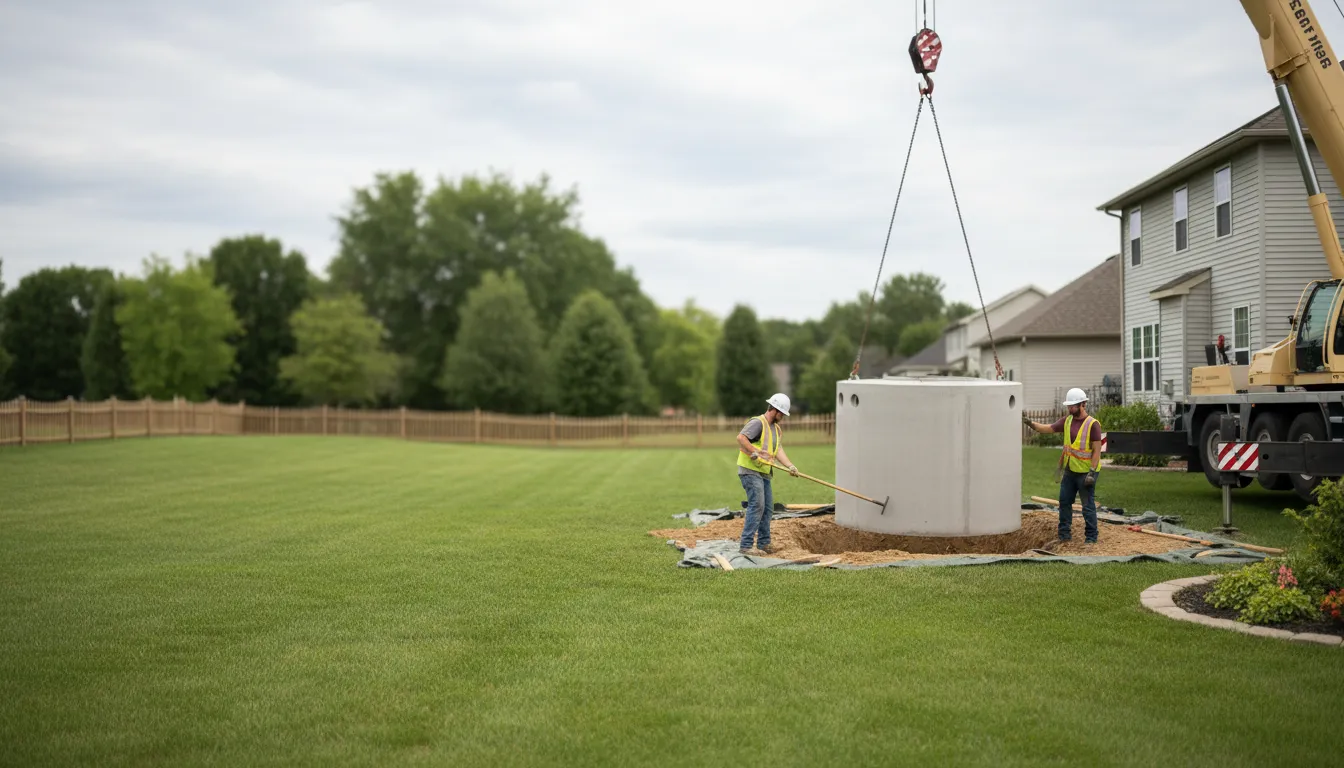
Find the Best Septic Tank Installation & Replacement Contractors for Your Business
No obligation • Fast responses • Nationwide coverage

Why you can trust Septic Spot
Septic Spot is a leading United States resource for understanding and comparing septic services. Our editors review providers using consistent criteria and verify key business details. Listings and scores are independent, and companies cannot pay to influence our content.
Search providers near you
Top Septic Tank Installation & Replacement Contractors in Cypress, California Ranked
Installing or replacing a septic system is a significant investment in your property's long-term functionality and environmental health. For Cypress homeowners, this process is governed by specific local and state regulations designed to protect groundwater and public safety. This guide explains the essential steps, from permitting to final inspection, and helps you understand what to look for when selecting a qualified professional for your onsite wastewater treatment system.
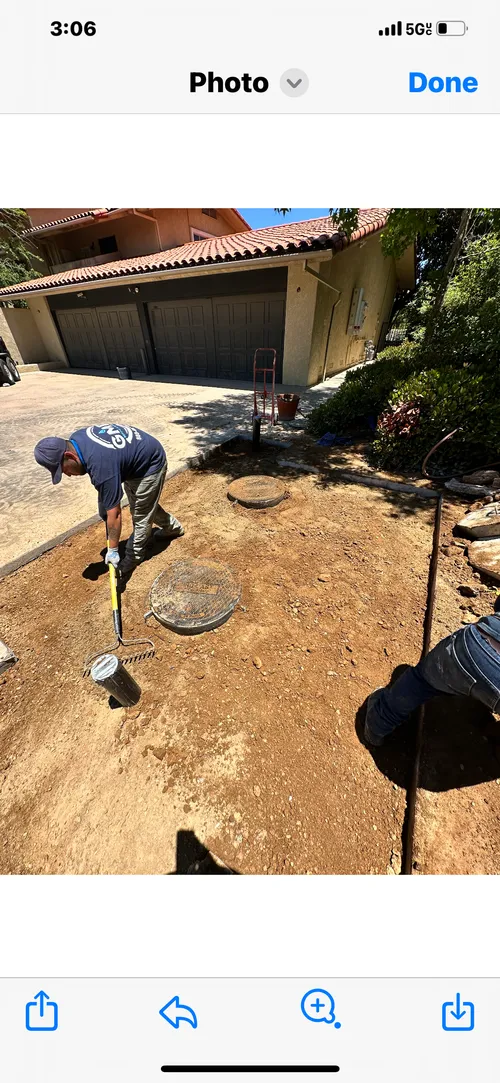
GMP Septic And Sewer
20 Surrey Ln, Rancho Palos Verdes, CA 90275
GMP Septic And Sewer provides a full range of septic services in Los Angeles, CA, including septic tank pumping, cleaning, inspections, repairs, installations, and system upgrades. They handle new construction, remodels, and replacements, ensuring systems are tailored to property needs. The company offers 24/7 emergency services for urgent septic system repairs. Their expertise covers diagnosing leaks, replacing damaged components, and maintaining system performance through regular maintenance and thorough inspections.
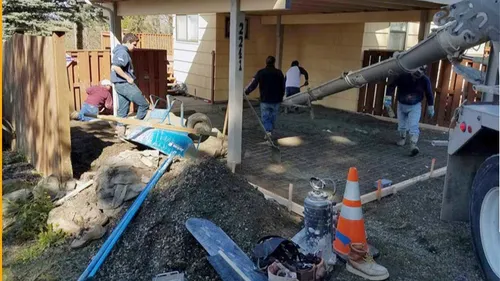
Honey Doo Wagon Septic Pumping
Irvine, CA
Honey Doo Wagon Septic Pumping is a full-service septic company serving Irvine, CA. They offer septic tank pumping, inspections, repairs, installations, replacements, and maintenance. With over 18 years of experience, the company provides a wide range of septic services backed by a commitment to professionalism and integrity.
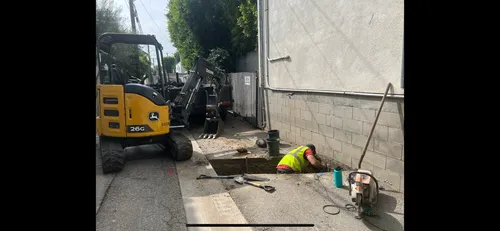
Just Sewers, INC
Los Angeles, CA
Just Sewers, INC is a sewer and septic service provider based in Los Angeles, CA. They offer a wide range of services including septic tank pumping, inspection, and installation, as well as sewer line cleaning, repair, replacement, and trenchless sewer solutions. Serving Los Angeles and surrounding communities such as Pasadena, Hollywood, Beverly Hills, and Santa Monica, they utilize advanced tools like video inspections and hydro jetting to address plumbing issues efficiently. The company operates 24/7 to handle emergencies and routine maintenance, helping to prevent costly backups and system failures.
Dreyfuss Grading
Oceanside, CA
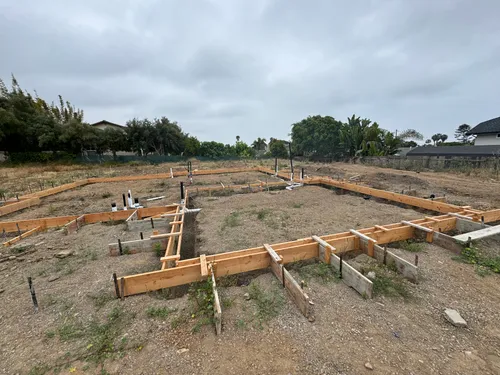
Dreyfuss Grading is a construction company based in Oceanside, CA, offering a wide range of services including septic system installation, grading, excavation, concrete foundations, and public works projects. They serve residential, commercial, and municipal clients throughout the San Diego area. The company uses advanced technology such as 3D GPS for precise site preparation and specializes in earthmoving, trenching, and foundation digging. Their expertise also extends to retaining walls, utility line installation, and ADU construction. Dreyfuss Grading emphasizes transparent communication and competitive rates in their work.
Carter Sanitation Sewer & Septic
4266 Elton St, Baldwin Park, CA 91706
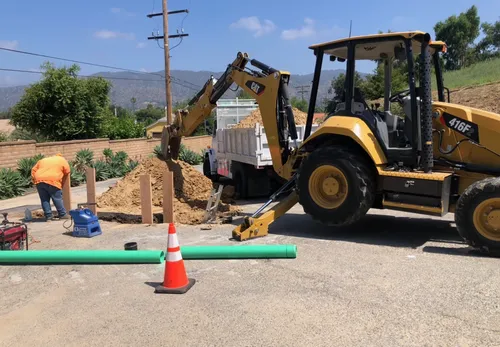
Carter Sanitation Sewer & Septic provides septic and sewer services in Los Angeles, CA, with a focus on the San Gabriel Valley. The company offers septic system installation, pumping, repair, sewer line services, trenchless sewer solutions, street excavation, and drain cleaning for residential, commercial, industrial, and municipal properties. Established in 1969, Carter Sanitation brings over 50 years of experience to its work, emphasizing environmental responsibility and customer satisfaction.
Understanding the Regulatory Landscape in Orange County
All septic system work in Cypress falls under the jurisdiction of Orange County Environmental Health. This agency is responsible for issuing permits and ensuring that all installations and replacements comply with the California Water Boards' Onsite Wastewater Treatment Systems (OWTS) Policy 1. The state's policy sets the baseline, but local authorities like Orange County enforce it and may have additional requirements. The goal of these regulations is to ensure that wastewater is treated effectively before it re-enters the environment, preventing contamination of local water sources.
Before any shovel hits the ground, you must secure the proper permits. Attempting to install or replace a septic tank without following this process can result in costly fines, orders to remove non-compliant work, and potential legal liability. The permitting process is your assurance that the system is designed and built to last and to protect your property value.
The Critical First Steps: Site Evaluation and Soil Testing
The feasibility and design of your septic system are entirely dependent on your property's soil conditions. This makes the initial site evaluation and percolation test the most critical phase of the project.
- Site Evaluation: A qualified professional, such as a soil engineer or licensed contractor, will assess your property's topography, soil structure, and groundwater depth. They determine the best location for the drain field and identify any potential challenges like high water tables or dense clay.
- Percolation ("Perc") Test: This test measures how quickly water drains through your soil. It involves digging test holes, saturating them, and then timing the drop in water level. The results, measured in minutes per inch, determine the soil's absorption rate and directly influence the size and type of leach field required2 3. A failed perc test doesn't necessarily mean you can't have a system, but it may require a more advanced (and costly) engineered solution.
These tests are non-negotiable for permit approval. The data collected is used to create the official system design plans that must be submitted to Orange County Environmental Health 4.
Designing Your System: Plans and Requirements
With soil data in hand, a system design can be created. In California, and specifically for Cypress, this design must be prepared by a qualified professional-often a licensed engineer or a contractor certified in septic system design.
Key design requirements often include:
- Dual Leach Fields: It is common for systems in our region to be designed with two separate leach fields or absorption areas. This allows you to alternate their use, giving one field a "rest" period to recover and extend the overall life of your system.
- Tank Sizing: The tank must be appropriately sized for your household. For a typical residential home, a minimum tank capacity of 1,000 to 1,500 gallons is standard, but larger homes or those with garbage disposals may require a bigger tank 5.
- Component Specifications: The design plan will detail the type of tank (concrete is most common), the layout and depth of distribution lines, and the materials to be used.
Once the design is complete and approved by the county, you have the green light to proceed with installation.
The Installation Process: From Excavation to Inspection
Professional septic system installation is a multi-stage construction project.
- Excavation: The approved tank and leach field areas are carefully excavated using heavy machinery.
- Open Trench Inspection: Before the tank or pipes are placed, an inspector from Orange County will typically visit the site to verify the excavation depth, soil conditions in the trench walls, and overall layout compliance with the approved plans 6.
- Tank and Pipe Placement: The septic tank is lowered into place and leveled. The network of perforated pipes for the leach field is laid out in the trenches on a bed of gravel.
- Final Inspection: After all components are connected-including the inlet and outlet plumbing on the tank-but before the system is backfilled with soil, a final inspection is conducted. The inspector checks for proper tank integrity, pipe slopes, and overall construction quality 7.
- Backfilling and Restoration: Once the system passes final inspection, the trenches and tank area are carefully backfilled. The site is then graded and restored as much as possible to its original condition.
Find the perfect septic tank installation & replacement contractors for your needs
Get personalized recommendations and expert advice
Cost Considerations for Septic System Projects
The cost of a new septic system or a full replacement in Cypress can vary widely based on your property's specific conditions. It's important to view this as a long-term capital investment in your property.
- Standard System Range: For a conventional gravity-fed system on a property with favorable soil, homeowners can expect costs generally ranging from $10,000 to over $30,0008 9 10. This includes design, permits, materials, labor, and equipment.
- Factors That Increase Cost: Several factors can push costs toward the higher end of the range or beyond $40,000:
- Complex Soil or Site Conditions: If your soil fails a standard perc test, you may need an engineered alternative like a mound system, sand filter, or aerobic treatment unit (ATU).
- System Size and Material: Larger tanks or specialized materials cost more.
- Site Access and Clearing: Difficult access for machinery or the need for extensive tree/brush removal adds to labor time.
- Full System Replacement: Replacing an old system often includes the additional cost of pumping out and properly abandoning the old tank and field.
Always get detailed, written estimates from multiple licensed contractors that break down all anticipated costs, including permits and engineering fees.
Choosing the Right Professional for the Job
Selecting your installer is one of the most important decisions you'll make. Look for a contractor with:
- Current Licensing: Ensure they hold a valid California contractor's license (C-42 or related classification) and are specifically experienced in septic systems.
- Local Knowledge: Choose a professional familiar with Orange County inspectors, permit processors, and common local soil conditions.
- Strong References: Ask for and contact references from recent jobs similar to yours.
- Comprehensive Service: Ideally, the company can manage the entire process-from soil testing and permit pulling to installation and final inspection coordination.
- Clear Contracts: The contract should detail the scope of work, total cost, payment schedule, and warranties on both labor and materials.
A reputable professional will guide you through the regulatory process and ensure your new wastewater treatment system is built to code and designed for decades of reliable service.
Maintaining Your New Septic System
Once installed, proper maintenance is key to protecting your investment. This includes regular pumping of the tank (typically every 3-5 years), conserving water to avoid overloading the system, and avoiding flushing harmful chemicals or non-biodegradable materials. Remember that the leach field is a living ecosystem; driving or building over it can cause irreparable damage.
Disclaimer: Septic regulations and processes can change. This guide provides a general overview, but you must always confirm the current requirements and procedures directly with Orange County Environmental Health before beginning any project.
Frequently asked questions
Sources
Footnotes
-
Septic System (Onsite Wastewater Treatment Systems, OWTS ... - https://www.waterboards.ca.gov/centralcoast/water_issues/programs/septics/permits.html ↩
-
res_79-5.pdf - California State Water Resources Control Board - https://www.waterboards.ca.gov/rwqcb2/water_issues/programs/planningtmdls/basinplan/web/res/res_79-5.pdf ↩
-
Los Angeles Residential Percolation Test - West Coast Sanitation - https://westcoastsanitationinc.com/los-angeles-residential-percolation-test/ ↩
-
Septic System Regulations in Southern California: What You ... - https://www.lanikseptic.com/socal-septic-regulations/ ↩
-
Owning a Property with A Septic System in Santa Cruz County: What you Need to Know. - https://schneiderestates.com/owning-a-property-with-a-septic-system-in-santa-cruz-county-what-you-need-to-know/ ↩
-
The Californian's Guide To Septic Tanks - https://cacciaplumbing.com/blog/california-septic-tank-guide/ ↩
-
The SoCal Guide to Septic Tank Installation - https://www.lanikseptic.com/socal-guide-septic-tank-installation/ ↩
-
California Septic Tank Requirements | Onsite Wastewater ... - https://www.ntotank.com/blog/california-septic-tank-requirements ↩
-
Septic Tank Installation in California: The Essential Guide - https://www.8aundergroundpipeline.net/septic-tank-installation-in-california-the-essential-guide ↩
-
What Size Septic Tank Do I Need - https://www.ntotank.com/blog/what-size-septic-tank-do-i-need ↩