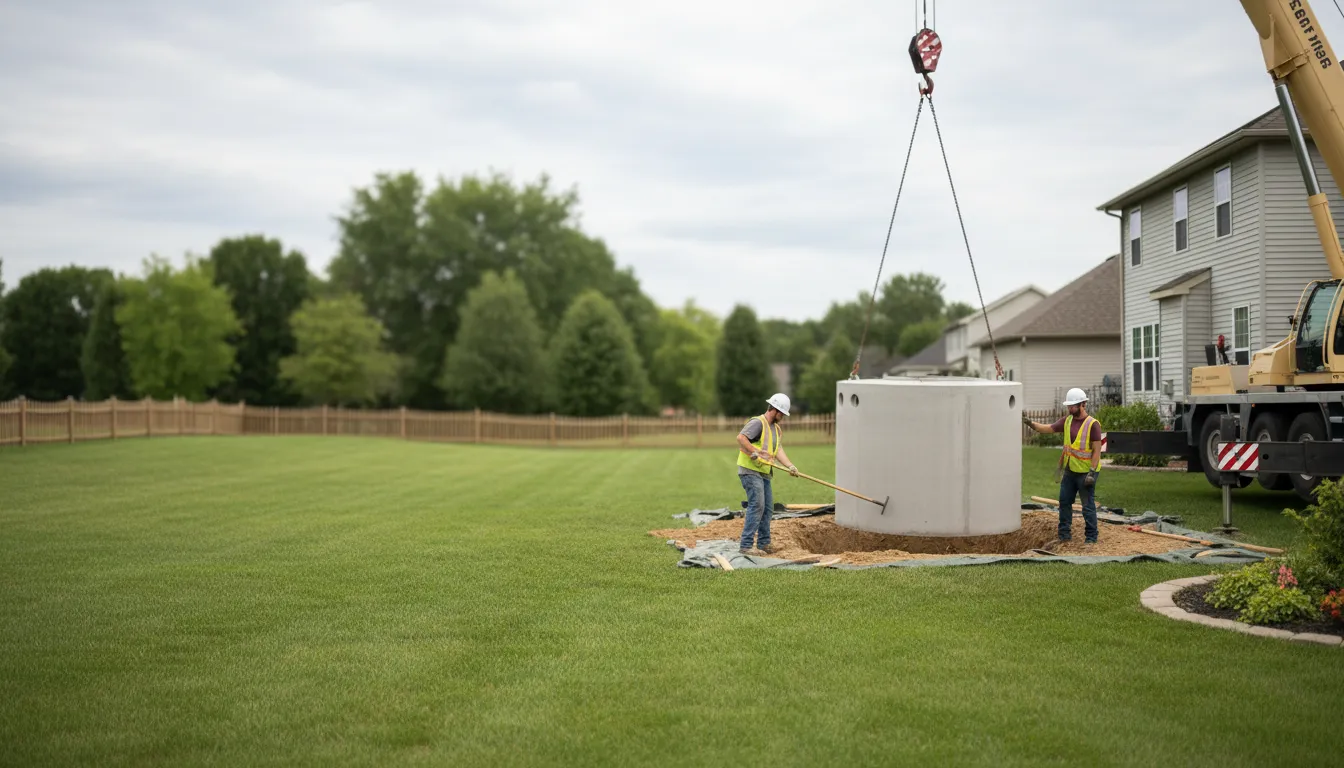
Find the Best Septic Tank Installation & Replacement Contractors for Your Business
No obligation • Fast responses • Nationwide coverage

Why you can trust Septic Spot
Septic Spot is a leading United States resource for understanding and comparing septic services. Our editors review providers using consistent criteria and verify key business details. Listings and scores are independent, and companies cannot pay to influence our content.
Search providers near you
Top Septic Tank Installation & Replacement Contractors in Danville, California Ranked
Installing or replacing a septic system is a significant investment in your property's long-term functionality and environmental health. For homes and businesses in Danville not connected to municipal sewer lines, a properly designed and permitted onsite sewage system is essential. This guide explains the local process, regulations, and key considerations for septic system installation and replacement, helping you understand the steps to find qualified local professionals for your project.
PICHANGA PUMPING SERVICE LLC
901 N Rengstorff Ave, Mountain View, CA 94043
PICHANGA PUMPING SERVICE LLC is a family-owned business with over 10 years of experience, serving San Jose, CA. They provide septic tank pumping, inspection, repair, and installation services. The company uses specialized equipment for camera inspections and locating issues within pipes and sewer lines. They also offer restroom rentals. Pichanga Pumping Service provides after-hours and emergency services for added convenience.
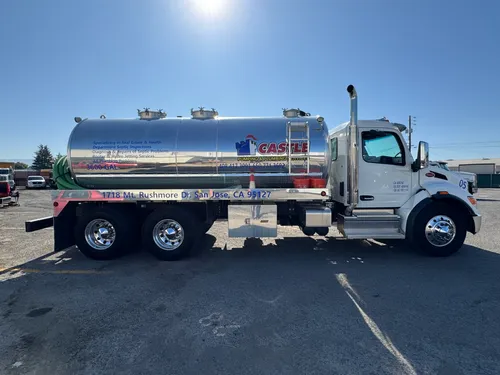
Castle Pumping and Plumbing Services
San Jose, CA
Castle Pumping and Plumbing Services is a locally owned company based in San Jose, CA, offering comprehensive septic system services including pumping, inspections, repairs, and installations. With over 32 years of experience, they serve residential and commercial properties in the San Jose area. Their expertise includes locating septic tanks, performing detailed inspections of tank components, and specialized outflow line exploration to diagnose backups without unnecessary replacements. The company uses advanced equipment and techniques to maintain and repair septic systems, ensuring long-lasting functionality.
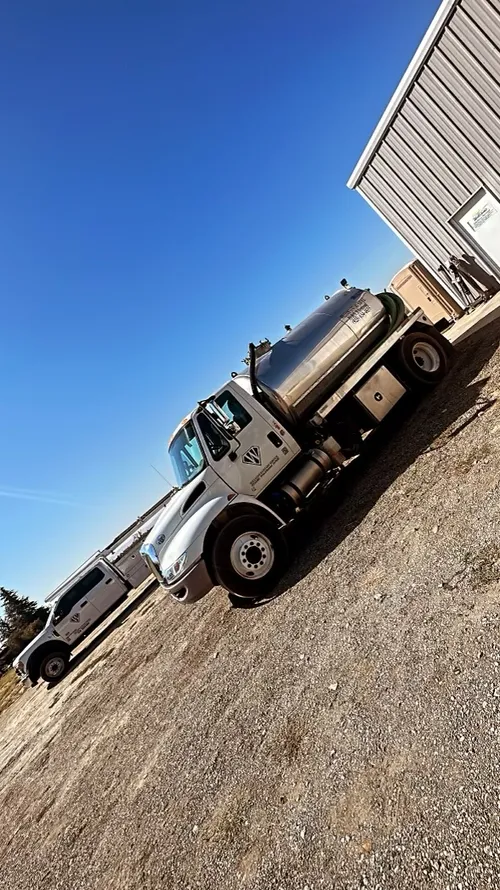
Williams Sanitary Service Inc
Oakland, CA
Williams Sanitary Service Inc is a family-owned septic system company serving Oakland, CA, and surrounding areas since 1950. They provide a full range of septic services including pumping, inspection, repair, and installation for both residential and commercial clients. The company also offers general plumbing services such as drain cleaning and water heater repair. Williams Sanitary Service Inc is equipped to handle all sizes of septic jobs across Contra Costa and Alameda Counties and offers 24/7 service availability.
Understanding the Septic System Installation Process
The journey to a new septic system in Danville is a multi-stage process governed by state and local health codes. It begins long before any digging starts, with critical planning and evaluation steps. The goal is to ensure the system is safe, effective, and tailored to your specific property conditions.
A successful installation hinges on three pillars: a thorough site evaluation, a professionally engineered design, and proper permitting through the Virginia Department of Health (VDH). Skipping or rushing any of these steps can lead to system failure, environmental contamination, and costly repairs down the line.
Step 1: Site Evaluation and Soil Testing
The first technical step is a comprehensive site evaluation, which includes a percolation (perc) test. This test measures the soil's absorption rate, which directly determines the size and type of drainfield your property can support.
- The Perc Test: A licensed Onsite Soil Evaluator or Professional Engineer conducts this test by digging holes in the proposed drainfield area, saturating the soil, and timing how quickly water drains. The results dictate the system's design.
- Cost & Complexity: A basic perc test in Virginia can start around $200, but costs can rise to $3,000 or more for complex sites requiring extensive excavation and analysis 1. This investment is crucial for a sound design.
- Other Factors: The evaluator also assesses topography, groundwater levels, and proximity to wells or water bodies to ensure the site is suitable.
Step 2: System Design and Engineering
Once the soil data is collected, a detailed septic system design must be created. This is not a DIY task; it requires the expertise of a licensed private-sector consultant, such as a Professional Engineer or qualified soil scientist.
- Design Purpose: The design plan specifies the exact type of system (conventional, alternative, etc.), the tank size, the drainfield layout, and all construction details. It translates soil data into a buildable blueprint.
- Design Costs: In Virginia, professional design services typically range from $1,500 to $5,000, depending on the property's complexity and the type of system required. This fee is separate from installation costs but is essential for permit approval.
Step 3: Permitting with the Health Department
With a completed design in hand, you must apply for a permit through the Pittsylvania/Danville Health Department, which is part of the VDH Southside Health District 2.
- Required Documents: You'll need to submit a formal "Application for Onsite Sewage System" along with a petition for services and the complete, stamped design from your consultant 3.
- Review Process: The VDH reviews the application to ensure it complies with all state regulations, including setbacks, sizing, and environmental protections. Only after they issue a permit can construction legally begin.
Key Regulations and Requirements in Danville
Virginia law sets strict standards for septic work to protect public health and groundwater. Understanding these rules is non-negotiable for any property owner.
- Licensed Installer Mandate: In Virginia, you cannot install your own septic system. State law requires that all installations be performed by a contractor licensed by the Department of Professional and Occupational Regulation (DPOR). This ensures the work meets code.
- Mandatory Inspections: The system must be inspected at multiple stages:
- Construction Inspection: A VDH representative or approved consultant must inspect the system during installation, before any components are covered.
- Final Inspection: A final inspection is required before the system is backfilled and approved for operation 4.
- New Inspection Laws (Effective July 2025): New Virginia legislation has expanded inspection requirements. Inspections must now specifically cover the septic tank, pump tank (if present), distribution devices, and the drainfield to ensure they are constructed according to the permitted design 5 6. This underscores the importance of hiring a meticulous, licensed professional.
Cost Breakdown for Septic System Projects
The total cost of a septic system installation or replacement in the Danville area varies widely based on soil conditions, system type, property size, and local labor rates. It's important to budget for all phases, not just the physical installation.
- Soil Testing & Design: As noted, budget approximately $200 - $3,000+ for perc tests and $1,500 - $5,000 for system design 7 8 9.
- Installation & Materials: This is the largest cost component. For a standard conventional system, total installation costs typically range from $15,000 to over $50,000 10. Complex systems for difficult sites or larger homes can exceed this range.
- Permit Fees: Local health department fees for permit application and inspections are additional.
- Replacement vs. New Installation: Replacing a failed system often costs as much as a new installation, as it involves removing the old system, reevaluating the soil (a new perc test may be required), and installing a new, compliant system.
Find the perfect septic tank installation & replacement contractors for your needs
Get personalized recommendations and expert advice
Choosing Between Repair and Full Replacement
Not all system failures require a complete replacement. A qualified professional can diagnose whether a repair is possible or if replacement is necessary.
- Consider Repair If: The issue is isolated, such as a clogged inlet baffle, a damaged pipe to the drainfield, or a failing pump. If the drainfield itself is still functioning and the tank is structurally sound, repair may be a cost-effective solution.
- Replacement is Likely Needed If: The drainfield has failed (evidenced by surfacing sewage or slow drains that persist after pumping), the tank is cracked or collapsed, or the existing system is an outdated, non-compliant design that cannot be repaired to meet current codes.
Types of Septic Systems Used in Virginia
The right system for your property depends entirely on the results of the site evaluation. Common types include:
- Conventional Gravity Systems: The most common type, used in soils with good percolation. Wastewater flows by gravity from the tank to a series of trenches in the drainfield.
- Pressure-Dosed Systems: Used when elevation or soil conditions require it. A pump tank and pump are used to evenly distribute effluent to the drainfield in controlled doses.
- Alternative Treatment Systems: For sites with poor soil, high groundwater, or limited space. These systems (like aerobic treatment units or sand filters) provide additional treatment before the effluent reaches the drainfield. They are more complex and expensive but enable development on challenging lots.
Maintaining Your New Septic System
A new system is a major investment worth protecting. Proper maintenance is key to longevity.
- Regular Pumping: Have the tank pumped every 3-5 years by a licensed pumper.
- Water Conservation: Spread out water use and fix leaks to avoid overloading the drainfield.
- Mind What You Flush: Only human waste and toilet paper should go in. Avoid chemicals, grease, wipes, and other non-biodegradables.
- Protect the Drainfield: Never drive or park on it, and keep roof drains and sump pumps directed away from the area.
Frequently asked questions
Sources
Footnotes
-
Septic System Install Timeline - https://www.rciseptic.com/complete-step-by-step-timeline-septic-system-installation-from-permit-to-finish ↩
-
Onsite Septic and Well Program - Pittsylvania/Danville - https://www.vdh.virginia.gov/pittsylvania-danville/environmental-health/onsite-program-septic-and-well/ ↩
-
Frequently Asked Environmental Health Questions - VDH.Virginia.gov - https://www.vdh.virginia.gov/content/uploads/sites/84/2017/02/Frequently-Asked-Environmental-Health-Questions_Onsite.pdf ↩
-
Onsite Program (Well and Septic) - Southside Health District - https://www.vdh.virginia.gov/southside/environmental-health-services/onsite-program-well-and-septic/ ↩
-
NEW Septic System Inspection Legislation Coming July 1st - Virginia REALTORS® - https://virginiarealtors.org/2025/05/20/new-septic-inspection-legislation-coming-july-1st/ ↩
-
New Virginia Septic Inspection Requirements - VOWRA Frequently ... - https://dullesarea.com/wp-content/uploads/2025/07/VOWRA-FAQs-V3.1-7-7-25.pdf ↩
-
How Much Does A Perc Test Cost In Virginia? - Soils Inc. - https://soils-inc.com/how-much-does-a-perc-test-cost/ ↩
-
How Much Does A Septic Design Cost In Virginia? - https://vaseptic.com/how-much-does-a-septic-design-cost/ ↩
-
Septic System Approval: Percolation Test & Expert Guidance - https://smartsepticpros.com/blog/how-to-do-a-percolation-test/ ↩
-
Can I Put In My Own Septic System in Virginia? A Comprehensive ... - https://rtflandworks.com/can-i-put-in-my-own-septic-system-in-virginia-a-comprehensive-guide/ ↩