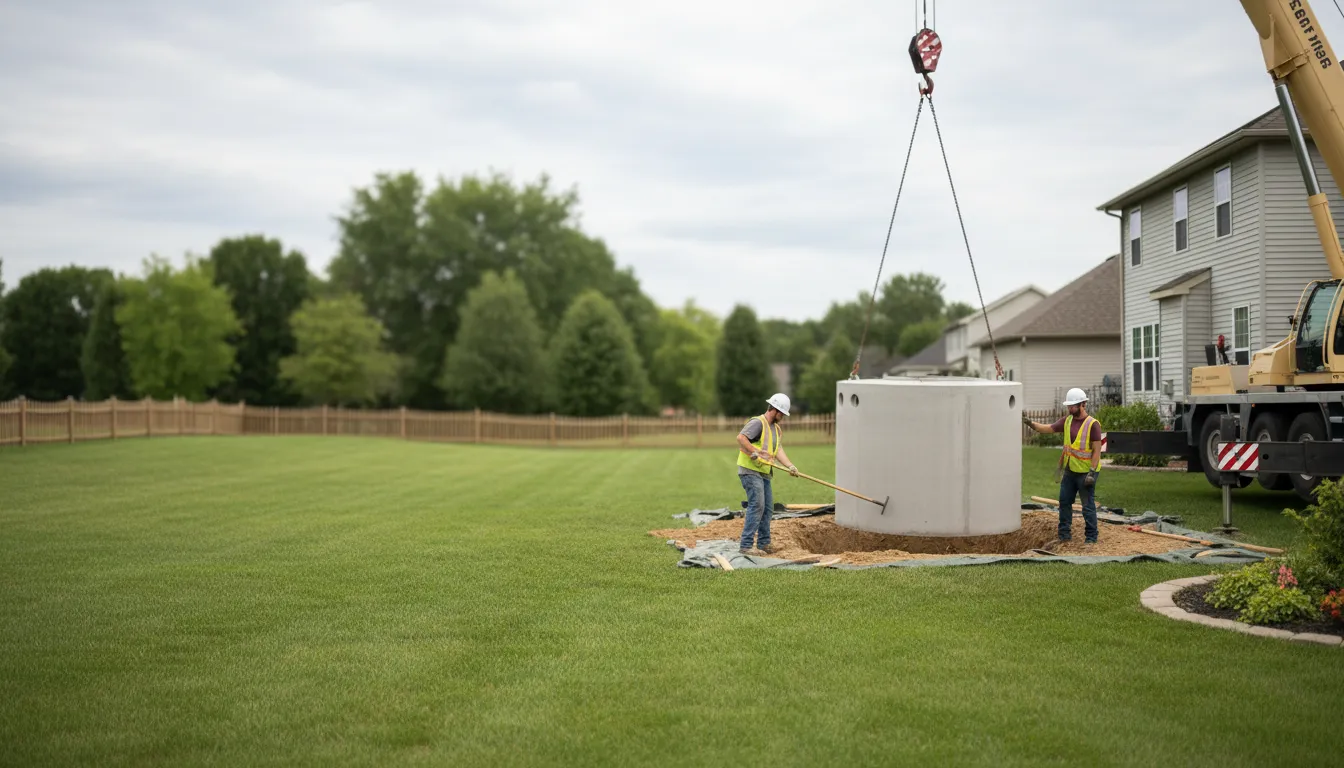
Find the Best Septic Tank Installation & Replacement Contractors for Your Business
No obligation • Fast responses • Nationwide coverage

Why you can trust Septic Spot
Septic Spot is a leading United States resource for understanding and comparing septic services. Our editors review providers using consistent criteria and verify key business details. Listings and scores are independent, and companies cannot pay to influence our content.
Search providers near you
Top Septic Tank Installation & Replacement Contractors in Downey, California Ranked
Installing or replacing a septic system is a significant home improvement project that requires careful planning and adherence to strict local health codes. In Downey, this process is governed by the Los Angeles County Department of Public Health (LACDPH) to protect groundwater and public safety. Whether you're building a new home, adding an accessory dwelling unit (ADU), or replacing a failing system, understanding the regulatory landscape and typical project scope is crucial. This guide outlines the key steps, costs, and requirements to help you navigate the process of finding qualified local professionals for your septic system project.
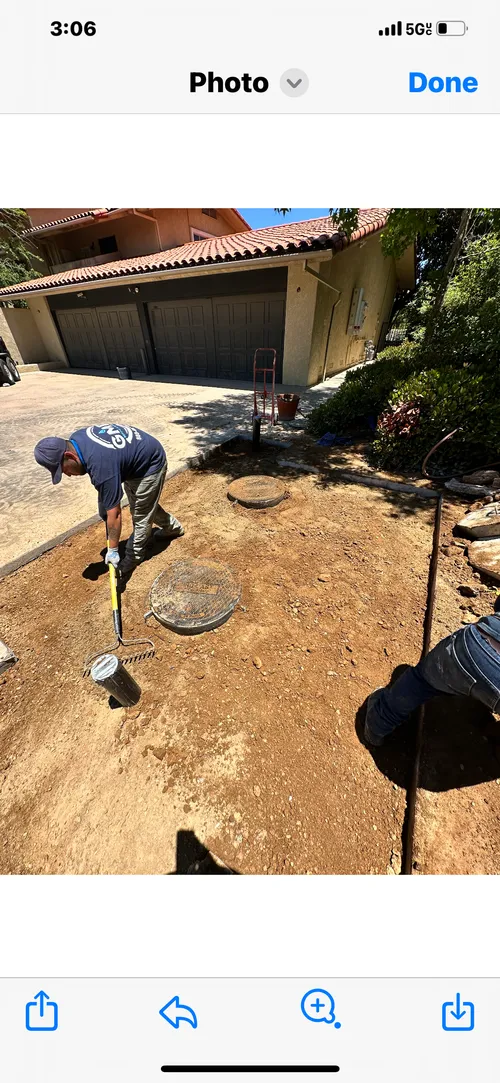
GMP Septic And Sewer
20 Surrey Ln, Rancho Palos Verdes, CA 90275
GMP Septic And Sewer provides a full range of septic services in Los Angeles, CA, including septic tank pumping, cleaning, inspections, repairs, installations, and system upgrades. They handle new construction, remodels, and replacements, ensuring systems are tailored to property needs. The company offers 24/7 emergency services for urgent septic system repairs. Their expertise covers diagnosing leaks, replacing damaged components, and maintaining system performance through regular maintenance and thorough inspections.
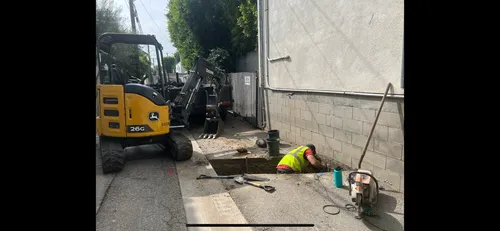
Just Sewers, INC
Los Angeles, CA
Just Sewers, INC is a sewer and septic service provider based in Los Angeles, CA. They offer a wide range of services including septic tank pumping, inspection, and installation, as well as sewer line cleaning, repair, replacement, and trenchless sewer solutions. Serving Los Angeles and surrounding communities such as Pasadena, Hollywood, Beverly Hills, and Santa Monica, they utilize advanced tools like video inspections and hydro jetting to address plumbing issues efficiently. The company operates 24/7 to handle emergencies and routine maintenance, helping to prevent costly backups and system failures.
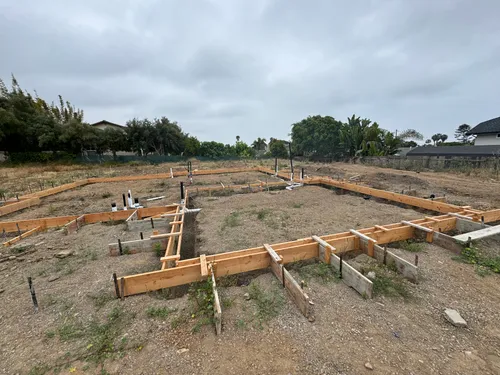
Dreyfuss Grading
Oceanside, CA
Dreyfuss Grading is a construction company based in Oceanside, CA, offering a wide range of services including septic system installation, grading, excavation, concrete foundations, and public works projects. They serve residential, commercial, and municipal clients throughout the San Diego area. The company uses advanced technology such as 3D GPS for precise site preparation and specializes in earthmoving, trenching, and foundation digging. Their expertise also extends to retaining walls, utility line installation, and ADU construction. Dreyfuss Grading emphasizes transparent communication and competitive rates in their work.
Carter Sanitation Sewer & Septic
4266 Elton St, Baldwin Park, CA 91706
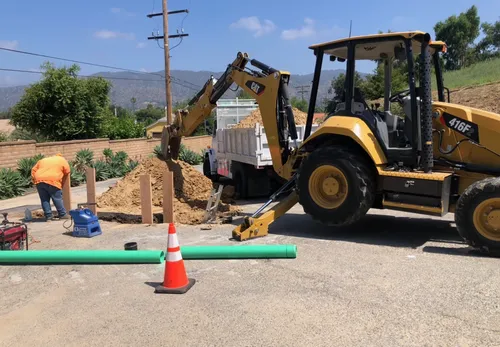
Carter Sanitation Sewer & Septic provides septic and sewer services in Los Angeles, CA, with a focus on the San Gabriel Valley. The company offers septic system installation, pumping, repair, sewer line services, trenchless sewer solutions, street excavation, and drain cleaning for residential, commercial, industrial, and municipal properties. Established in 1969, Carter Sanitation brings over 50 years of experience to its work, emphasizing environmental responsibility and customer satisfaction.
Peninsula Septic Service
Long Beach, CA
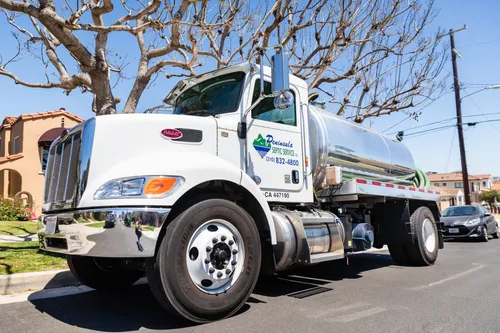
Peninsula Septic Service is a local, family-owned company serving Long Beach, CA, and the surrounding South Bay area. With over 30 years of experience, they specialize in septic system repair, maintenance, and installation for both residential and commercial properties. Their team includes NAWT-certified and California on-site wastewater-certified professionals who handle jobs of any scale. Peninsula Septic Service offers 24/7 emergency services, responding within two hours, and provides multi-tank and commercial discounts.
Understanding the Regulatory Framework in Los Angeles County
All septic system work in Downey falls under the jurisdiction of the Los Angeles County Department of Public Health. The county operates under a Local Agency Management Program (LAMP), which sets the standards for the design, installation, and maintenance of onsite wastewater treatment systems (OWTS). The primary goal is to ensure systems function properly without contaminating soil or water sources.
The entire permit application process is managed electronically through the EPIC-LA online system 1. You or your contractor will submit all required documents here for review and approval. It's important to note that regulations are based on LA County Code Titles 11 and 28, and these rules are strictly enforced 2. For homeowners replacing an existing system, a critical rule is that a new 100% expansion area for the leach field must be tested and identified if it wasn't designated during the original installation 1 3.
The Step-by-Step Process for Installation or Replacement
1. Initial Site Evaluation and Soil Testing
Before any design work can begin, a certified soil percolation tester must evaluate your property. This test determines the soil's ability to absorb and treat wastewater by measuring how quickly water drains through a test hole. The results, known as a percolation or "perc" rate, directly dictate the size and type of leach field required. Soils with high clay content, which drain slowly, may necessitate a much larger drainage field or even a more advanced, engineered treatment system.
A professional will also conduct a site evaluation inspection, assessing topography, drainage patterns, and groundwater depth to identify the optimal location for the tank and leach field.
2. System Design and Permit Application
With soil data in hand, a qualified designer (often a civil engineer or specialized contractor) will create the system plans. The permit application package submitted to EPIC-LA must include:
- A detailed site plan signed by a licensed professional.
- A floor plan of the home showing the number of bedrooms and bathrooms (which determines wastewater flow estimates).
- The official soil percolation report.
If you are replacing a system, the design must account for the mandatory new expansion area. For new construction or adding an ADU, the system must be sized to handle the projected wastewater flow from the completed property 4.
3. Securing Approvals and Permits
Once submitted via EPIC-LA, county health officials will review the plans for compliance with LAMP standards. Permit fees are required and can vary. In addition to county fees, the City of Downey charges for specialized inspections; recent fee schedules show costs around $350 or more per required inspection 5. It is essential to obtain all permits before breaking ground.
4. Installation and Critical Inspections
During installation, county inspectors must approve the work at specific stages:
- Open Trench/System Inspection: This occurs after the septic tank and leach line trenches are dug but before they are backfilled. The inspector verifies proper placement, materials, and construction techniques 6.
- Final Inspection: Once the entire system is installed and connected, a final inspection is conducted for overall approval 7.
Passing these inspections is mandatory for the system to be legally operational.
Find the perfect septic tank installation & replacement contractors for your needs
Get personalized recommendations and expert advice
Cost Considerations for Septic Projects in Downey
The total cost for septic system installation or septic tank replacement in Downey is highly variable, depending on system size, soil conditions, and project complexity. Based on available data and local expert discussions, homeowners can expect the following ranges:
- Basic Tank Replacement: If only the tank needs swapping and the existing leach field is sound, costs may start around $10,000 8.
- Complete New System Installation: For a full installation-including both tank and leach field-costs typically begin at $20,000 and can easily exceed $40,000 for larger homes or challenging sites with poor soil 9 10.
- Advanced Treatment Systems: If soil conditions require an engineered alternative to a conventional system (like an aerobic treatment unit or mound system), costs can be significantly higher.
These figures generally include materials, labor, and permitting, but it's vital to get detailed, written estimates from licensed contractors that break down all anticipated costs.
Choosing the Right Professional for the Job
Given the technical and regulatory complexity, selecting an experienced local contractor is paramount. Look for professionals who are intimately familiar with the Los Angeles County LAMP standards and the EPIC-LA submission process. They should be able to provide references for similar projects in the area and clearly explain the steps from soil testing to final inspection. A reputable contractor will handle the permit process, coordinate with county inspectors, and ensure the system is built to last.
Maintenance and Long-Term Care
A new or replacement system is a major investment. Protecting it requires proper maintenance, including regular pumping of the tank (typically every 3-5 years), water conservation, and avoiding flushing harmful chemicals or materials. Proper care extends the life of your leach field and prevents costly premature failures.
Disclaimer: Regulations and fees are subject to change. Always confirm current requirements directly with the LA County Department of Public Health and the City of Downey Building Department before commencing any project.
Frequently asked questions
Sources
Footnotes
-
Onsite Wastewater Treatment System in Los Angeles County - http://www.publichealth.lacounty.gov/eh/business/septic-systems.htm ↩ ↩2
-
Conventional and Non-Conventional Onsite Wastewater Treatment ... - http://ph.lacounty.gov/eh/docs/ep_lu_ProfessionalGuide.pdf ↩
-
Los Angeles County Local Agency Management Program (LAMP) - http://publichealth.lacounty.gov/eh/docs/about/lac-local-agency-management-program.pdf ↩
-
Rebuilding a Home with an Existing Septic System - https://recovery.lacounty.gov/rebuilding/septic-systems/ ↩
-
Resolution No. 25-8303 - Adopting Fees and Charges for ... - https://lf.downeyca.org/WebLink/DocView.aspx?id=1050999&dbid=0&repo=Downey ↩
-
The Californian's Guide To Septic Tanks - https://cacciaplumbing.com/blog/california-septic-tank-guide/ ↩
-
The SoCal Guide to Septic Tank Installation - https://www.lanikseptic.com/socal-guide-septic-tank-installation/ ↩
-
Septic Inspections: What is Involved & Costs - Transactly - https://blog.transactly.com/septic-inspections ↩
-
California Septic Tank Requirements | Onsite Wastewater ... - https://www.ntotank.com/blog/california-septic-tank-requirements ↩
-
California Septic System Requirements for ADU Construction - https://www.facebook.com/groups/howtoadu/posts/2769400236548732/ ↩