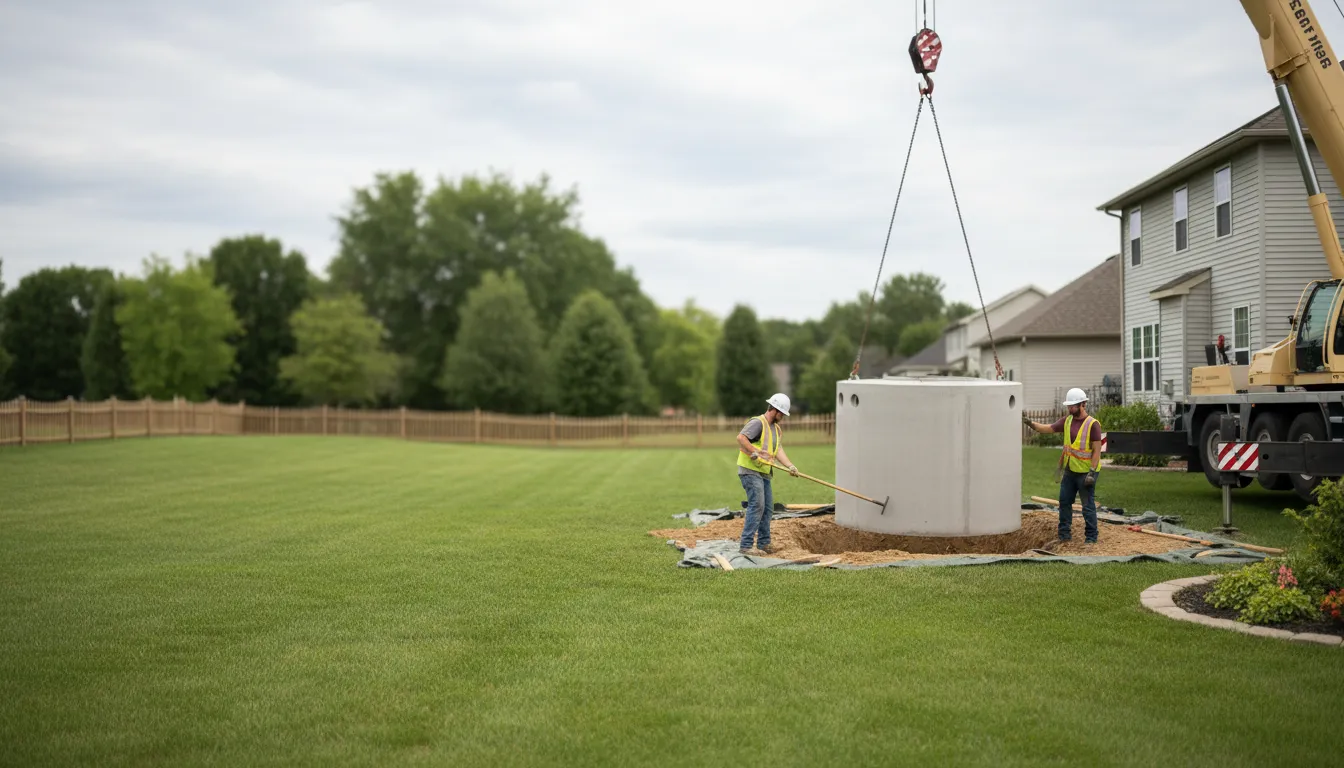
Find the Best Septic Tank Installation & Replacement Contractors for Your Business
No obligation • Fast responses • Nationwide coverage

Why you can trust Septic Spot
Septic Spot is a leading United States resource for understanding and comparing septic services. Our editors review providers using consistent criteria and verify key business details. Listings and scores are independent, and companies cannot pay to influence our content.
Search providers near you
Top Septic Tank Installation & Replacement Contractors in Elk Grove, California Ranked
Installing or replacing a septic system is a significant investment in your property's infrastructure and environmental health. In Elk Grove, this process is carefully regulated to protect groundwater and public safety, requiring permits, professional design, and strict inspections. This guide explains the local requirements, steps, and considerations for septic system installation and replacement, helping you understand what to expect and how to connect with qualified local professionals for your project.
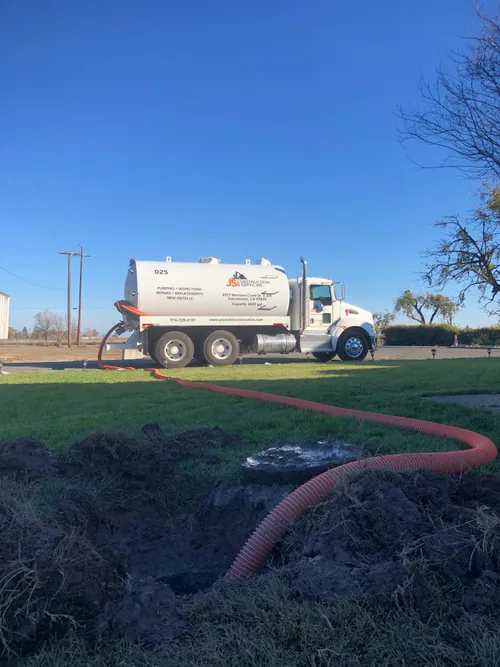
JS Construction & Septic, Inc.
8577 Morrison Creek Dr #200, Sacramento, CA 95828
JS Construction & Septic, Inc. is a family-owned company based in Sacramento, CA, offering full-service septic solutions for residential and commercial properties. Since 2008, they have provided septic system design, installation, repairs, and pumping, as well as specialized drilling services to support septic systems, foundations, and utilities. Their team works closely with local health departments to ensure compliance with regulations and uses modern equipment and quality materials to handle even challenging sites with precision. Serving Elk Grove and surrounding communities throughout Sacramento and San Joaquin County, they provide local expertise and comprehensive septic and drilling services.
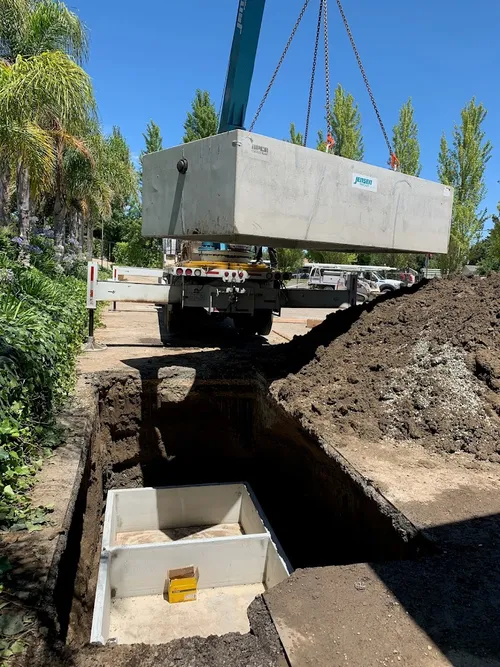
Central Valley Septic Backhoe & Drilling
3746 Fourteen Mile Dr, Stockton, CA 95219
Central Valley Septic Backhoe & Drilling is a septic system contractor serving Stockton, CA, and the surrounding Northern California region. Established in 1992, the company provides residential and commercial septic services including tank installation, pumping, inspection, system repair, and leach line repair. They also offer foundation drilling and backhoe services for various construction needs. Their expertise includes designing and installing septic systems that comply with San Joaquin and Sacramento county codes as well as California state regulations.
Parrish & Sons Inc
4698 Waterloo Rd, Stockton, CA 95215
Parrish & Sons Inc is a full-service septic and construction company based in Stockton, CA, serving San Joaquin and Sacramento Counties. They offer septic system pumping, installation, repair, and maintenance along with foundation drilling, backhoe services, and leach line repair. With over 80 years of experience since 1942, they provide expert solutions for residential and commercial septic needs, including soil testing and site preparation to ensure system efficiency and durability.
Understanding Local Regulations and Permits
In Elk Grove, septic system work falls under the jurisdiction of both the Sacramento County Environmental Management Department (EMD) and the City of Elk Grove's building services 1. You cannot simply hire an excavator and begin digging; a formal permit process is mandatory for any new installation or full system replacement. The EMD is the primary agency that reviews and issues these permits, ensuring that every onsite wastewater treatment system meets current health and environmental codes.
A critical first step is determining if your property requires a standard permit or falls within a "test-drill area." The EMD provides a Sacramento County Test Drill Map to help make this determination, which influences the type of site evaluation needed. Furthermore, Elk Grove and Sacramento County enforce strict setback distances, mandating minimum separations between the septic system components and your home, property lines, wells, and other water sources 2. These rules are non-negotiable and are designed to prevent contamination.
The Role of Licensed Professionals
A key regulation is that only a licensed contractor can typically apply for and install a septic system. This requirement is in place to guarantee that the work adheres to the approved design and all local building and health codes. The process begins with a qualified professional-often a civil engineer, geologist, or certified septic specialist-who must conduct the necessary site evaluations and create the system design that will be submitted for the permit. Attempting to bypass this requirement can result in failed inspections, fines, and an unusable system.
The Critical Site Evaluation and Percolation Test
Before any design can be finalized, a professional must perform a site evaluation. This assessment examines your property's soil type, topography, and groundwater depth to determine its suitability for a septic system. The most well-known component of this evaluation is the percolation (perc) test.
A percolation test measures the soil's absorption rate. It's essential because soil that drains too slowly will cause the system to fail and back up, while soil that drains too quickly can allow untreated wastewater to pollute the groundwater 3 4. In California, these tests must be performed by a qualified professional within 35 feet of the proposed leaching area and usually require at least two test holes to accurately size the drainage field 3 5. The results directly dictate the design and size of your leaching field.
Step-by-Step: The Installation & Replacement Process
Navigating a septic installation or replacement involves a multi-stage process with several checkpoints. Here's a typical pathway for Elk Grove homeowners:
- Initial Site Assessment: Verify your property's status (standard vs. test-drill area) and hire a qualified professional to begin the evaluation.
- Soil Testing & System Design: The professional performs the perc test and other evaluations, then designs a system tailored to your property's specific conditions and your household's needs.
- Permit Application: Your licensed contractor submits the permit application, plot plan, and engineered system design to the Sacramento County EMD for review 6.
- Permit Issuance: The EMD reviews the submission for compliance with all regulations. Once approved, they issue the permit to proceed with installation.
- Installation: The licensed contractor excavates and installs the septic tank and leaching field according to the approved plans.
Find the perfect septic tank installation & replacement contractors for your needs
Get personalized recommendations and expert advice
- Mandatory Inspections: This is a crucial phase. The county requires a pre-cover inspection where an EMD inspector must examine the installed tank and leaching lines before they are backfilled with soil 7. A final inspection follows to ensure the entire system is complete and matches the permitted design.
Understanding Costs for Septic Work
The cost of septic system work in the Elk Grove area varies widely based on system complexity, tank size, soil conditions, and site accessibility. While prices can fluctuate, general ranges based on common California projects include:
- Repair or Component Replacement: Starting from around $3,000.
- Standard System Replacement: Often between $5,000 and $10,000+.
- Complex or Alternative System Installation: Can range from $10,000 to $20,000 or more.
Alternative systems, which may include pumps, filters, or advanced treatment components, are required for challenging sites with poor soil or high groundwater and are a significant factor in higher costs 8. It's essential to get detailed, written estimates from multiple licensed contractors that break down all costs, including permits, design, excavation, materials, and inspection fees.
Choosing the Right System and Maintaining It
The goal of the design phase is to select the most effective and compliant system for your property. Beyond conventional gravity-fed systems, options include pressure distribution systems, aerobic treatment units (ATUs), and sand filter systems. Your design professional will recommend the best type based on the site evaluation results and local code requirements 9 10.
Once your new system is installed and approved, proper maintenance is key to its longevity. This includes regular pumping (typically every 3-5 years), conserving water to avoid overloading the drain field, and avoiding flushing harmful chemicals or non-biodegradable materials. A well-maintained system can function effectively for decades, protecting your investment and the local environment.
Frequently asked questions
Sources
Footnotes
-
Building Safety, Inspection and Permits - City of Elk Grove - https://elkgrove.gov/departments-and-divisions/building-safety-inspection-and-permits ↩
-
The Californian's Guide To Septic Tanks - https://cacciaplumbing.com/blog/california-septic-tank-guide/ ↩
-
Percolation Test Requirements | Kern County, CA - https://www.kernpublichealth.com/permitting-compliance/waste/septic-systems/percolation-test-requirements ↩ ↩2
-
The SoCal Guide to Septic Tank Installation: What Every Homeowner Needs to Know - https://www.lanikseptic.com/socal-guide-septic-tank-installation/ ↩
-
Site Evaluation and Testing Procedures - https://scceh.com/Portals/6/Env_Health/LAMP/AppFSITEEvalandTestingProcedures.pdf ↩
-
Septic System Permit Process - Environmental Management - https://emd.saccounty.net/EC/Pages/SepticPermitProcess.aspx ↩
-
Sacramento Septic Permits & Inspection Requirements | Guide | Blog - https://www.blueribbonseptic.com/blog/sacramento-septic-permits-requirements-inspections ↩
-
Septic Tank Replacement and Drain Field Cost in California - https://www.lanikseptic.com/how-much-does-it-cost-to-replace-a-septic-tank-and-drain-field-in-california/ ↩
-
California Septic Tank Requirements | Onsite Wastewater Treatment Systems - https://www.ntotank.com/blog/california-septic-tank-requirements ↩
-
Southern California Septic System Regulations: What You Need to ... - https://www.lanikseptic.com/socal-septic-regulations/ ↩