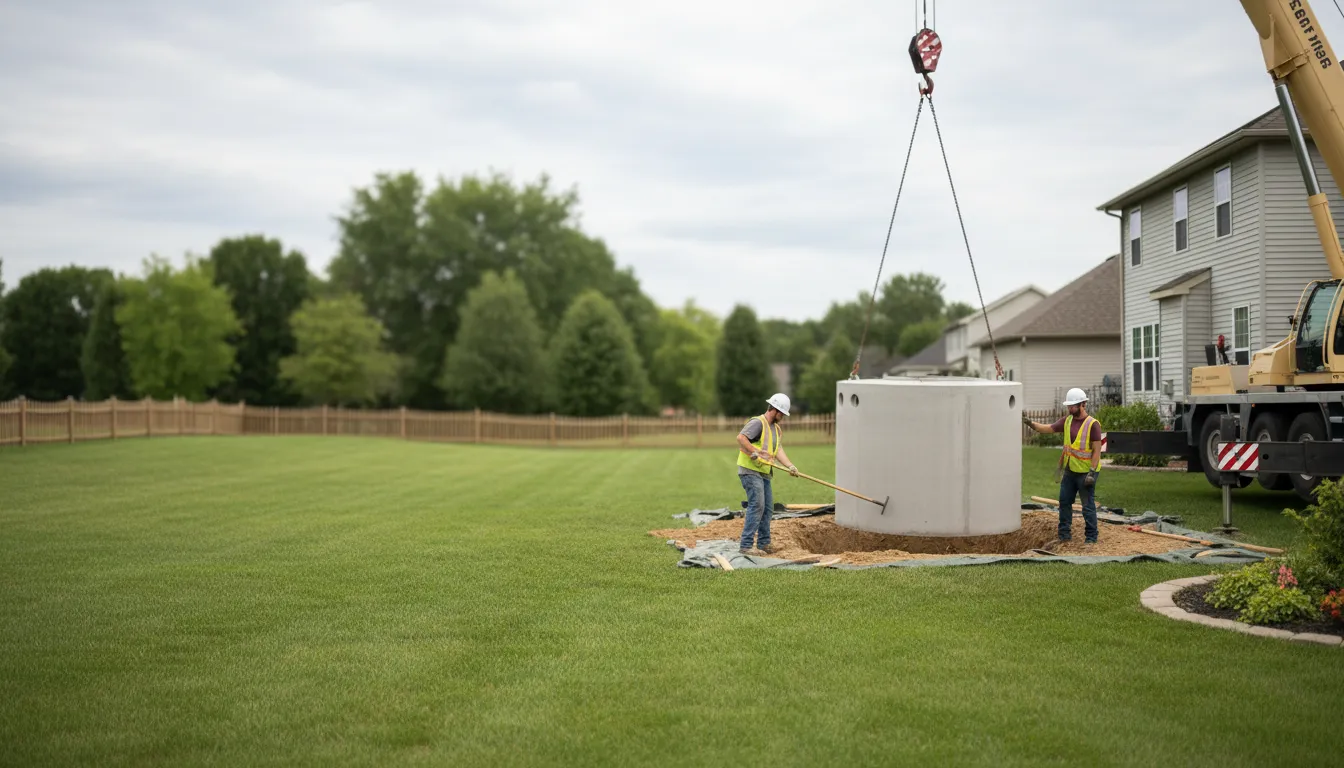
Find the Best Septic Tank Installation & Replacement Contractors for Your Business
No obligation • Fast responses • Nationwide coverage

Why you can trust Septic Spot
Septic Spot is a leading United States resource for understanding and comparing septic services. Our editors review providers using consistent criteria and verify key business details. Listings and scores are independent, and companies cannot pay to influence our content.
Search providers near you
Top Septic Tank Installation & Replacement Contractors in Folsom, California Ranked
Installing or replacing a septic system is a significant investment in your property's long-term functionality and environmental safety. A properly designed and permitted onsite wastewater treatment system ensures the safe disposal of household sewage, protecting both your home and the local groundwater. For Folsom homeowners, navigating Sacramento County's specific regulations is a critical part of the process. This guide outlines the key steps, costs, and considerations for septic system work, helping you understand what to expect and how to connect with qualified local professionals.
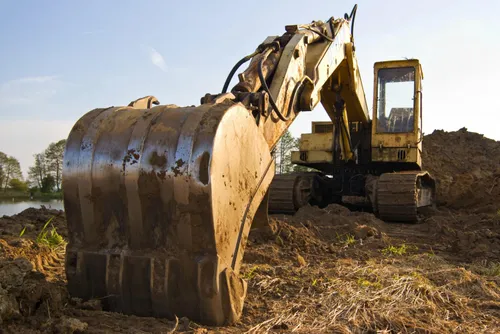
Patriot River Excavating
Sacramento, CA
Patriot River Excavating is a veteran-owned excavation contractor serving Sacramento, CA, and nearby areas. With over 24 years of experience from its founder, the company offers a range of services including septic system installation, repair, and maintenance, as well as drainage, site preparation, paving, concrete work, and demolition. They are fully licensed and insured, providing comprehensive septic system services that include locating, exposing, inspecting, and pumping septic tanks. Their expertise extends to managing challenging excavation projects, ensuring solid foundations and effective water management solutions.
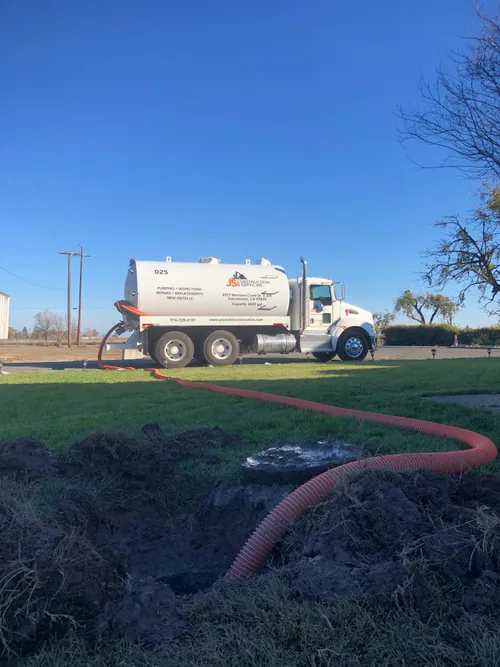
JS Construction & Septic, Inc.
8577 Morrison Creek Dr #200, Sacramento, CA 95828
JS Construction & Septic, Inc. is a family-owned company based in Sacramento, CA, offering full-service septic solutions for residential and commercial properties. Since 2008, they have provided septic system design, installation, repairs, and pumping, as well as specialized drilling services to support septic systems, foundations, and utilities. Their team works closely with local health departments to ensure compliance with regulations and uses modern equipment and quality materials to handle even challenging sites with precision. Serving Elk Grove and surrounding communities throughout Sacramento and San Joaquin County, they provide local expertise and comprehensive septic and drilling services.
Understanding Sacramento County's Septic System Regulations
All new installations and full replacements of septic systems in Folsom require a permit from the Sacramento County Environmental Management Department (EMD). The county enforces strict adherence to the California Plumbing Code and local amendments to ensure systems are designed for public health and environmental protection. The regulatory process is designed to verify that your property's soil can adequately treat wastewater before it re-enters the ecosystem.
A crucial first step is determining if your property can support a conventional system or if an engineered solution is needed. The county's "tiered permitting" approach categorizes systems based on their complexity and potential risk 1. For most residential properties, the goal is to install a standard system, but this is entirely dependent on the results of a professional site evaluation.
The Step-by-Step Installation & Replacement Process
Successfully permitting and installing a septic system involves a series of defined stages, each requiring coordination between you, your septic contractor, and county inspectors.
1. Initial Site Evaluation and Soil Testing
Before any design work begins, a licensed consultant or engineer must perform a comprehensive site evaluation. This assesses topography, slope, and proximity to wells or waterways. The most critical component is the soil percolation test (often called a "perc test").
In Sacramento County, this typically involves drilling a test pit or "test drill area" that is 40 to 50 feet deep and at least 1.5 feet in diameter to evaluate soil absorption rates at various depths 2. The soil conditions revealed here-whether sandy, clay-heavy, or containing shallow groundwater-directly dictate the system's design and ultimate cost. This test alone can cost between $1,500 and $3,000 or more.
2. System Design and Permit Application
Using the soil test data, a designer creates a system plan. For many Folsom homes, a standard residential system involves a minimum 1,200-gallon septic tank paired with deep dry wells or seepage pits that can reach 35-40 feet deep. The design plans, along with the site survey and a completed application, are submitted to the Sacramento County EMD for review.
3. The Inspection Sequence
Once a permit is issued, construction begins and must pass a series of mandatory inspections 3 4:
- Initial Site/Test Pit Inspection: An inspector verifies the soil conditions in the test hole.
- Tank Inspection: After the septic tank is placed in the ground but before it is backfilled, its placement and integrity are checked.
- Leach Field or Seepage Pit Inspection: The absorption trenches or pits are inspected before they are covered.
- Final Inspection: The entire system is reviewed for proper installation, watertightness, and overall functionality.
Find the perfect septic tank installation & replacement contractors for your needs
Get personalized recommendations and expert advice
Key Factors Influencing Your System's Cost
The price for a septic system installation in Folsom is highly variable, primarily driven by soil conditions and system type. It's important to budget for both the physical installation and the required permitting and testing fees.
- Standard Conventional System: For properties with ideal soil that passes percolation tests easily, a standard system might range from $10,000 to $30,000+. This covers a typical tank and leach field or seepage pits.
- Engineered or Alternative System: If your soil has poor percolation, high groundwater, or other complications, you may need an advanced treatment system (like an aerobic treatment unit or mound system). These engineered solutions can easily exceed $50,000 5.
- Permit and Testing Fees: Sacramento County charges separate fees for plan review and inspections, which often amount to several thousand dollars 6 7. Remember to include the cost of the soil percolation test ($1,500-$3,000+) in your overall budget 8.
Maintaining Your New Septic System
After your new onsite wastewater system is installed, proper maintenance is non-negotiable. Regular pumping (typically every 3-5 years), mindful water usage, and avoiding flushing harmful chemicals or materials will extend the system's life for decades. The EPA's Homeowner's Guide to Septic Systems is an excellent resource for understanding long-term care 9. Keeping detailed records of inspections, pumping, and repairs is also crucial for future property transactions.
When is a Full System Replacement Needed?
Understanding when to repair versus replace is key. While issues like a clogged pipe or a faulty baffle can often be fixed, a full septic tank replacement or new drain field is necessary in certain scenarios:
- System Failure: Persistent surfacing of wastewater, sewage backups into the home, or foul odors around the drain field.
- Changes in Property Use: Adding bedrooms or significantly increasing daily wastewater flow that exceeds the existing system's design capacity.
- Major Component Failure: Collapsed tanks or drain fields that are saturated and no longer absorbing effluent.
- Property Remodeling: If construction will impact the existing system location, a redesign and relocation may be required.
Frequently asked questions
Sources
Footnotes
-
Tiered Permitting - https://emd.saccounty.net/EC/CUPA/Pages/TieredPermitting.aspx ↩
-
Percolation Test - CEQAnet - CA.gov - https://ceqanet.lci.ca.gov/2010018266 ↩
-
Septic System Program - Modoc County Environmental Health - https://environmentalhealth.co.modoc.ca.us/nav/septic_system_program/index.php ↩
-
Septic Systems - Placer County - CA.gov - https://www.placer.ca.gov/3300/Septic-Systems ↩
-
How Much Does a Septic Tank System Cost? (2026) - https://homeguide.com/costs/septic-tank-system-cost ↩
-
Septic System Permit Process - Environmental Management - https://emd.saccounty.net/EC/Pages/SepticPermitProcess.aspx ↩
-
California Septic Tank Requirements | Onsite Wastewater ... - https://www.ntotank.com/blog/california-septic-tank-requirements ↩
-
Septic System Permit Guide for Summit County Residents - https://www.andersoneng.com/get-a-septic-system-permit-in-summit-county/ ↩
-
Homeowner's Guide to Septic Systems - El Dorado County - https://www.eldoradocounty.ca.gov/files/assets/county/v/1/documents/government/environmental-management/environmental-management/septic-documents/epa_homeowner_septic_guide.pdf ↩