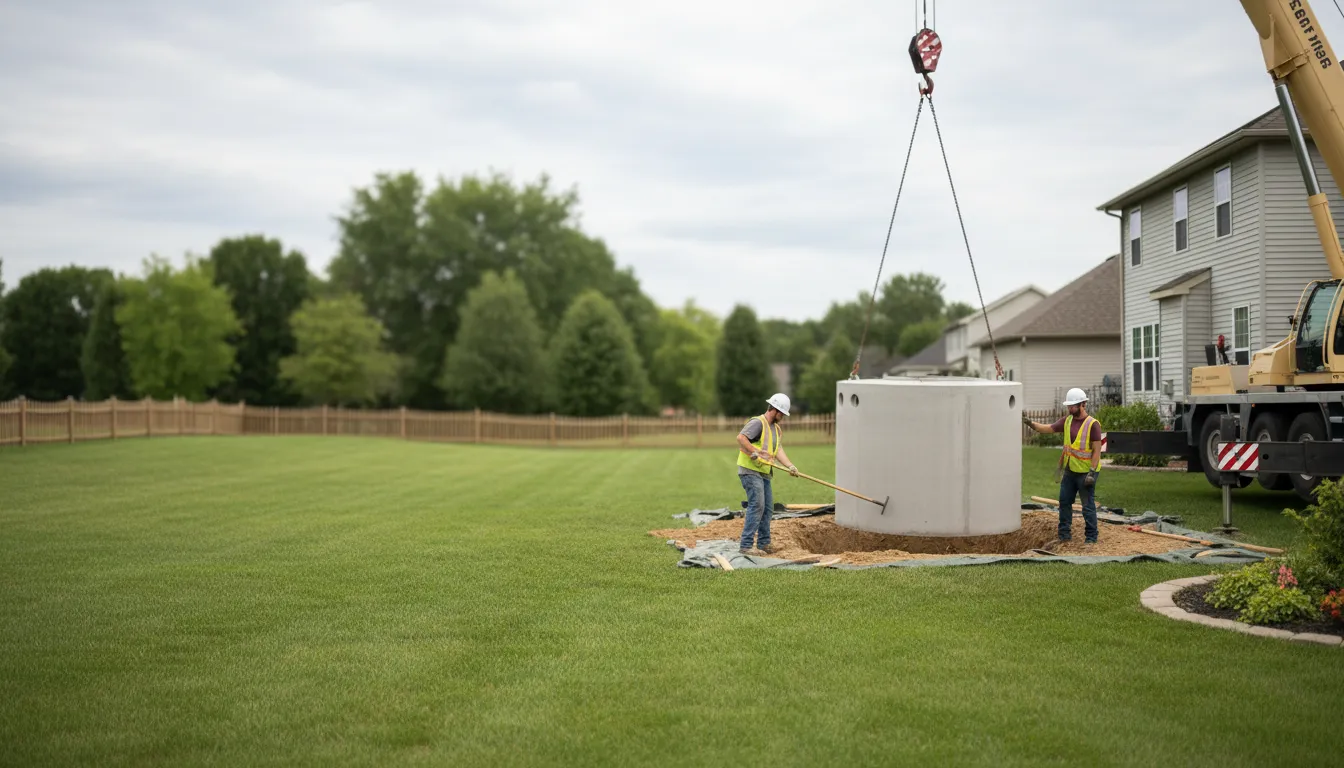
Find the Best Septic Tank Installation & Replacement Contractors for Your Business
No obligation • Fast responses • Nationwide coverage

Why you can trust Septic Spot
Septic Spot is a leading United States resource for understanding and comparing septic services. Our editors review providers using consistent criteria and verify key business details. Listings and scores are independent, and companies cannot pay to influence our content.
Search providers near you
Top Septic Tank Installation & Replacement Contractors in Fremont, California Ranked
Installing or replacing a septic system is a significant home improvement project that ensures the safe and effective treatment of household wastewater. In Fremont, this process is governed by specific local and state regulations designed to protect public health and the environment. Whether you're building a new home on a lot without sewer access or your existing system has failed, understanding the steps, costs, and requirements is crucial. This guide provides the essential information you need to navigate the process and connect with qualified local professionals for your septic system project.
PICHANGA PUMPING SERVICE LLC
901 N Rengstorff Ave, Mountain View, CA 94043
PICHANGA PUMPING SERVICE LLC is a family-owned business with over 10 years of experience, serving San Jose, CA. They provide septic tank pumping, inspection, repair, and installation services. The company uses specialized equipment for camera inspections and locating issues within pipes and sewer lines. They also offer restroom rentals. Pichanga Pumping Service provides after-hours and emergency services for added convenience.
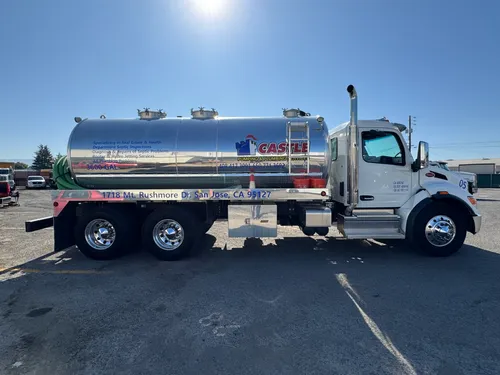
Castle Pumping and Plumbing Services
San Jose, CA
Castle Pumping and Plumbing Services is a locally owned company based in San Jose, CA, offering comprehensive septic system services including pumping, inspections, repairs, and installations. With over 32 years of experience, they serve residential and commercial properties in the San Jose area. Their expertise includes locating septic tanks, performing detailed inspections of tank components, and specialized outflow line exploration to diagnose backups without unnecessary replacements. The company uses advanced equipment and techniques to maintain and repair septic systems, ensuring long-lasting functionality.
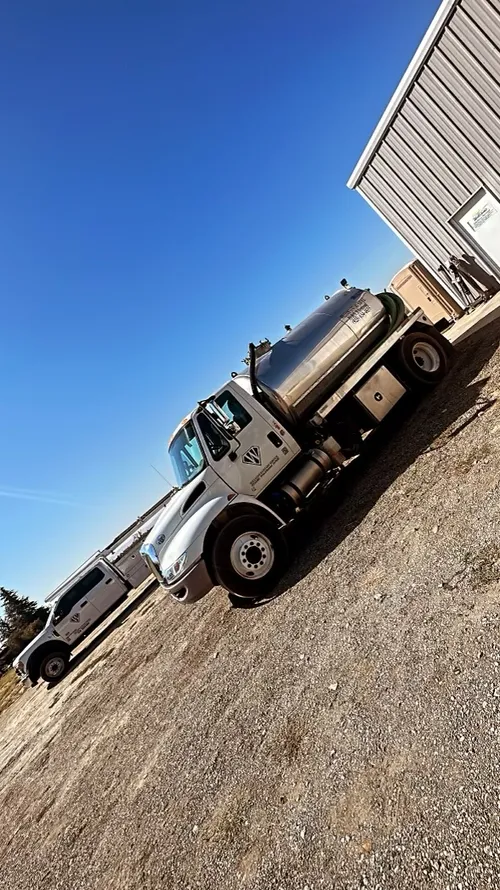
Williams Sanitary Service Inc
Oakland, CA
Williams Sanitary Service Inc is a family-owned septic system company serving Oakland, CA, and surrounding areas since 1950. They provide a full range of septic services including pumping, inspection, repair, and installation for both residential and commercial clients. The company also offers general plumbing services such as drain cleaning and water heater repair. Williams Sanitary Service Inc is equipped to handle all sizes of septic jobs across Contra Costa and Alameda Counties and offers 24/7 service availability.
Understanding Septic Systems in Alameda County
A septic system, formally known as an Onsite Wastewater Treatment System (OWTS), is a self-contained wastewater treatment solution for properties not connected to a municipal sewer line. In Fremont, all OWTS activities are regulated by the Alameda County Department of Environmental Health (ACDEH). The county follows the California Plumbing Code and has its own local OWTS policy, which outlines the rules for new installations, replacements, repairs, and maintenance. The primary goal of these regulations is to prevent groundwater contamination and public health hazards.
It's important to note that if a public sewer line is available within 200 feet of your property line, you may be legally required to connect to it instead of installing or replacing a septic system. This rule prioritizes centralized wastewater treatment where feasible. Your first step should be to verify sewer availability with the City of Fremont or ACDEH before planning any septic work.
The Permit Process: A Step-by-Step Overview
No new or replacement septic system can be installed in Fremont without a permit from ACDEH. The process is multi-stage and requires professional involvement from start to finish.
- Site Evaluation: A qualified professional, such as a registered civil engineer, must conduct a thorough site evaluation. This assessment determines soil conditions, topography, groundwater depth, and the property's overall suitability for a conventional leach field 1 2. A minimum of two test holes is typically required to profile the soil.
- Percolation Test: Often called a "perc test," this is a critical component. It measures how quickly water drains through the soil. In Alameda County, soils must have a percolation rate between 1 and 60 minutes per inch for a conventional system to be approved 3. Some alternative systems may accommodate slower rates, up to 120 minutes per inch, under specific conditions 4. This test must be performed and certified by an authorized professional, and a county inspector often witnesses the procedure 3 5.
- System Design and Plan Submission: Based on the site evaluation and perc test results, an engineered design is created. For simple sites, a standard design may suffice. For complex sites with poor soil or steep slopes, a custom-engineered system design is necessary. These plans are then submitted to ACDEH for review and permit approval 6.
- Installation and Inspections: Once the permit is issued, installation can begin. ACDEH requires inspections at key stages:
- Final Approval: After passing all inspections and confirming the installation matches the approved plans, ACDEH will issue a final approval for the system to be placed into operation.
Find the perfect septic tank installation & replacement contractors for your needs
Get personalized recommendations and expert advice
Key Factors Influencing System Design and Cost
The cost and complexity of your septic system installation in Fremont are directly tied to your property's specific conditions. There is no one-size-fits-all price.
- Soil Conditions: Ideal, well-draining soil supports a standard conventional system, which is the most affordable option. Poorly draining clay soils, high groundwater, or shallow bedrock often require an advanced treatment system or an engineered sand mound, significantly increasing costs 9.
- Lot Topography: Slopes greater than 20% generally necessitate a more complex and expensive system design to manage effluent distribution and prevent surface runoff 10.
- System Type:
- Conventional System: Used for ideal sites. Involves a septic tank and a subsurface leach field.
- Engineered or Alternative System: Required for challenging sites. Includes mound systems, aerobic treatment units (ATUs), or drip irrigation fields. These systems involve more components, advanced technology, and ongoing maintenance requirements.
- Home Size and Water Usage: The system must be sized according to the number of bedrooms in the home, which is a proxy for daily wastewater flow.
Cost Estimates for Fremont
Given the high cost of living and stringent regulations in the Bay Area, septic system costs in Fremont are on the upper end of the state average.
- Simple System Replacement or New Installation: For a standard residential system on a relatively straightforward site, homeowners can expect costs to range from $10,000 to $20,000 11.
- Complex or Engineered System: For properties with poor soil, high slopes, or other complications requiring an advanced design, costs frequently start at $30,000 and can go much higher 12 13.
These figures typically include design, permitting, excavation, tank, materials, and labor, but it's essential to get detailed quotes from local providers.
Choosing a Qualified Installation Professional
Given the technical and regulatory complexity, selecting the right contractor is paramount. Look for a licensed septic system installer with extensive experience in Alameda County. They should be familiar with ACDEH inspectors and the local permit process. A reputable professional will handle the site evaluation, soil testing coordination, design submission, and all required inspections. Always verify their license, ask for references from recent projects in the area, and ensure they pull the proper permits. Never hire a contractor who suggests skipping the permit process-this can lead to massive fines, an unusable system, and problems when you sell your home.
Maintenance: Protecting Your Investment
A new septic system is a major investment. Proper maintenance is required by law and is essential for its longevity. This includes regular pumping of the septic tank (typically every 3-5 years), avoiding flushing harmful chemicals or non-biodegradables, and monitoring water usage. For engineered systems, adherence to a specific maintenance plan, often involving a service contract, is a permit condition 14. Keeping detailed records of all maintenance and inspections is also crucial for future property transactions.
Frequently asked questions
Sources
Footnotes
-
onsite wastewater treatment systems manual - Alameda County - http://www.acgov.org/board/bos_calendar/documents/DocsAgendaReg_06_05_18/HEALTH%20CARE%20SERVICES/Regular%20Calendar/ENVHLTH_265995.pdf ↩
-
California Septic Tank Requirements | Onsite Wastewater ... - https://www.ntotank.com/blog/california-septic-tank-requirements ↩
-
Geotechnical and Percolation Soil Testing in California - https://alluvialsoillab.com/pages/geotechnical ↩ ↩2
-
Percolation Test Requirements | Kern County, CA - https://www.kernpublichealth.com/permitting-compliance/waste/septic-systems/percolation-test-requirements ↩
-
Site Evaluation and Testing Procedures - https://scceh.com/Portals/6/Env_Health/LAMP/AppF-SITEEvalandTestingProcedures6-7-21.pdf ↩
-
chapter 15.18 - Alameda County - http://www.acgov.org/board/bos_calendar/documents/DocsAgendaReg_05_10_16/HEALTH%20CARE%20SERVICES/Consent%20Calendar/ENVHLTH_231352.pdf ↩
-
Fremont County Small Wastewater Regulations - Revize - https://cms9files.revize.com/fremontcounty/Government/Departments/Planning%20Department/Wastewater%20Management/FREMONT%20COUNTY%20SMALL%20WASTEWATER%20REGULATIONS%202020.pdf ↩
-
Inyo County, CA ONSITE WASTEWATER TREATMENT SYSTEMS - https://ecode360.com/44462006 ↩
-
The Californian's Guide To Septic Tanks - https://cacciaplumbing.com/blog/california-septic-tank-guide/ ↩
-
Septic System Installation: Essential Steps for a Reliable Setup - https://www.bridgewaterenviro.com/septic-system-installation/ ↩
-
Septic System Cost Guide: Prices, Factors & Savings - https://landperc.com/septic-system-cost-estimate/ ↩
-
Septic Tank Replacement and Drain Field Cost in California - https://www.lanikseptic.com/how-much-does-it-cost-to-replace-a-septic-tank-and-drain-field-in-california/ ↩
-
Engineered Septic System Design: A Complete Guide - https://landperc.com/engineered-septic-system-design/ ↩
-
Septic System (Onsite Wastewater Treatment Systems, OWTS ... - https://www.waterboards.ca.gov/centralcoast/water_issues/programs/septics/permits.html ↩