
Find the Best Septic Tank Installation & Replacement Contractors for Your Business
No obligation • Fast responses • Nationwide coverage

Why you can trust Septic Spot
Septic Spot is a leading United States resource for understanding and comparing septic services. Our editors review providers using consistent criteria and verify key business details. Listings and scores are independent, and companies cannot pay to influence our content.
Search providers near you
Top Septic Tank Installation & Replacement Contractors in Hanford, California Ranked
Installing or replacing a septic system is a significant home improvement project that ensures the safe and efficient treatment of household wastewater. For homes in Hanford not connected to a municipal sewer line, a properly functioning onsite wastewater treatment system is essential for public health, environmental protection, and property value. This guide provides a detailed overview of the process, regulations, and key considerations for septic system installation and replacement in the Hanford area, helping you connect with qualified local professionals.
PRS Plumber Tulare
Visalia, CA
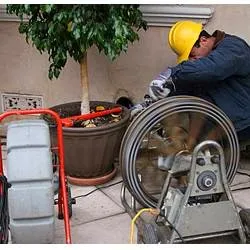
PRS Plumber Tulare provides septic tank pumping, inspection, installation, and repair services in Visalia, CA. They serve residential, commercial, and industrial clients throughout the Central Valley. The company offers specialized capabilities such as trenchless sewer line installation and sewer video inspection to efficiently diagnose and repair plumbing and septic issues. With over 40 years of experience, PRS Plumber Tulare is a family-owned business known for its licensed, bonded, and insured crews. They also provide 24/7 emergency plumbing services to address urgent needs at any time.
Pro Rooter & Septic - Visalia Plumbing
12148 Ave 272, Visalia, CA 93277
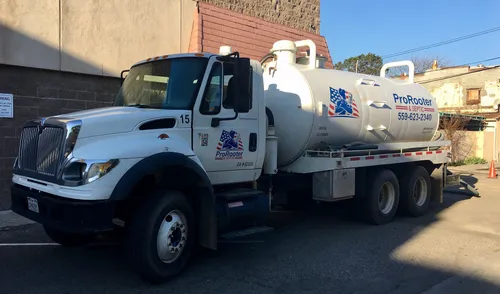
Pro Rooter & Septic - Visalia Plumbing provides septic tank pumping, inspection, repair, and installation services in Visalia, CA. They also handle drain field repair and sewer line services, including trenchless sewer line installation and sewer video inspection. With over 40 years of experience serving the Central Valley, the company is family owned and operated, offering 24/7 availability for plumbing and septic emergencies.
Pro Rooter & Septic
Fresno, CA
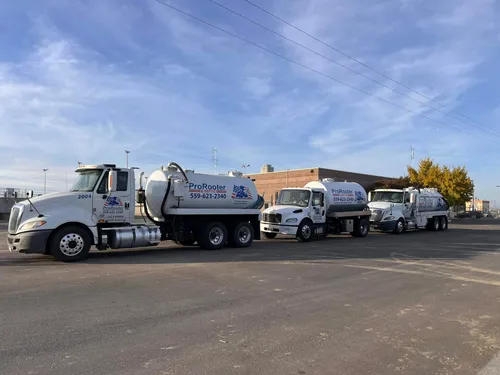
Pro Rooter & Septic is a family-owned plumbing and septic service provider based in Fresno, CA. Serving the Central Valley, they offer septic tank pumping, inspection, installation, and repair services, as well as drain field and sewer line repairs. The company uses modern equipment, including sewer video inspection and trenchless sewer line installation, to address plumbing and septic system needs efficiently. With over 40 years of experience, Pro Rooter & Septic is licensed, bonded, and insured, and provides 24/7 availability for emergencies.
Understanding the Septic System Installation Process
A new septic system installation is a multi-stage project that involves careful planning, design, and execution. It begins long before any digging starts, with a thorough evaluation of your property. The goal is to create a system that safely processes all wastewater from your home, separating solids from liquids and allowing the treated effluent to be absorbed into the soil without contaminating groundwater. The complexity of the process underscores the importance of working with experienced installers who understand local soil conditions and regulatory requirements in Kings County.
The typical timeline for a new septic system can span several weeks to months, depending on permit approval times, soil testing results, and contractor availability. Key phases include the initial site evaluation and soil testing, system design and permitting, the physical construction and installation, and finally, a series of mandatory inspections. Each step must be completed satisfactorily before moving to the next, ensuring the final system is compliant and built to last.
Hanford and Kings County Permit Requirements
Every new or replacement septic system in the Hanford area requires a permit. The permitting authority depends on your location: systems within Hanford city limits are handled by the City of Hanford, while those in the surrounding unincorporated areas of Kings County fall under the Kings County Environmental Health Department 1. You cannot legally begin construction without this permit.
The permit application process is designed to verify that your proposed system meets all health and safety codes. You or your contractor will need to submit a detailed system design plan. This plan is based on the findings from the mandatory site evaluation and soil tests. The permitting authority reviews these documents to ensure the design is appropriate for your property's specific conditions and complies with the California Plumbing Code and regulations from the Central Valley Regional Water Quality Control Board 2.
Who Can Pull a Permit?
In California, a homeowner may obtain a permit to install their own septic system. However, this is a complex undertaking with significant liability. Most homeowners hire a licensed septic system contractor (a C-42 or C-36 contractor in California) who will manage the entire process, including pulling the permit. Using a licensed professional ensures the work meets code standards and often streamlines the inspection process 3.
The Critical Role of Soil and Site Evaluation
The most important factor in designing a septic system is your property's soil. The soil's ability to absorb and treat liquid effluent determines the size and type of system you need. A professional site evaluation is the first technical step. This evaluation assesses the topography, slope, depth to groundwater, and location of wells, property lines, and water bodies.
Following the site evaluation, a percolation (perc) test is conducted. This test measures how quickly water drains through the soil in the proposed leach field area. In Kings County and surrounding regions, the test typically requires a minimum of two test holes, with three percolation tests performed in each hole 4. The results determine the soil's absorption rate, which directly dictates the size of the drain field required. For example, coarse sand and gravel allow for rapid drainage, permitting a smaller leach field, while dense clay soils drain very slowly and require a much larger absorption area or an alternative system type 4.
System Design and Choosing the Right Septic Tank
With soil data in hand, a system can be designed. The design specifies the tank capacity, the leach field layout, and the materials to be used. A key decision is selecting the correct septic tank size. Tank capacity is primarily based on the number of bedrooms in a home, which serves as a proxy for daily wastewater flow. A common minimum for a smaller home is a 1,000-gallon tank, with costs increasing for larger capacities.
For properties with challenging soil conditions-such as high groundwater, shallow bedrock, or poor perc rates-a conventional gravity-fed system may not be viable. In these cases, alternative or engineered systems are necessary. These can include mound systems, aerobic treatment units (ATUs), or drip irrigation systems. While more expensive upfront, they are designed to provide advanced treatment and are often the only solution for difficult sites to meet state and local regulations.
Find the perfect septic tank installation & replacement contractors for your needs
Get personalized recommendations and expert advice
Installation, Inspections, and Final Approval
Once permits are secured, installation begins. This involves excavating for the septic tank and drain field, placing the tank (typically concrete, fiberglass, or polyethylene), connecting inlet and outlet pipes from the house, and constructing the leach field with perforated pipes in gravel-filled trenches. Proper installation is critical; even a well-designed system will fail if not built correctly.
Mandatory inspections are required at key stages to ensure compliance with the approved plans 5 6 7. These generally include:
- Pre-construction Inspection: Verifies the staked location of all system components.
- Construction Inspection: Occurs after the tank and leach field trenches are excavated but before they are backfilled. The inspector checks pipe slopes, tank integrity, and gravel depth.
- Final Inspection: Conducted after the system is fully installed and backfilled. This inspection grants final approval for the system to be placed into operation 8.
Passing these inspections is necessary to close out the permit and obtain a certificate of completion, which is a crucial document for future property sales.
Cost Factors for Septic System Installation in Hanford
The total cost for a new septic system in California, including the Hanford area, is highly variable, typically ranging from approximately $3,000 to over $10,000 9 10. Several factors influence the final price:
- System Type and Size: A conventional system for a 3-bedroom home is on the lower end, while a larger home or one requiring an advanced alternative system can drive costs significantly higher.
- Site Conditions: Difficult soil, rocky terrain, or a need for extensive grading increases labor and equipment costs.
- Tank Material: Concrete tanks are common and durable, while fiberglass or plastic tanks may have different cost points.
- Permit and Design Fees: Fees for soil testing, permit applications, and professional design services add to the overall project cost.
- Local Labor Rates: Contractor costs in the Central Valley will influence the final quote.
For a septic tank replacement, costs can be similar to a new installation if the drain field also needs to be replaced. If only the tank is being swapped out and the existing drain field is sound, the project may be less expensive, though it still requires permits and inspections.
Maintaining Your New Septic System
After installation, proper maintenance is non-negotiable. A new system is a long-term investment that can last for decades with care. Essential maintenance includes having the tank pumped regularly by a professional (typically every 3-5 years, depending on usage), conserving water to avoid overloading the system, and being mindful of what goes down the drains. Avoid flushing chemicals, grease, and non-biodegradable items. Protect the drain field area by not driving or building over it and planting only grass or shallow-rooted vegetation above it.
Frequently asked questions
Sources
Footnotes
-
Septic System (Onsite Wastewater Treatment Systems, OWTS ... - https://www.waterboards.ca.gov/centralcoast/water_issues/programs/septics/permits.html ↩
-
How to Know if You Need a Septic System Permit - Pippin Home Designs - https://www.pippinhomedesigns.com/septic-system-permit/ ↩
-
Complete Guide: Installing a Septic System from Start to Finish - https://www2.parklanejewelry.com/how-to-put-in-a-septic-system/ ↩
-
Percolation Test Requirements | Kern County, CA - https://www.kernpublichealth.com/permitting-compliance/waste/septic-systems/percolation-test-requirements ↩ ↩2
-
The Californian's Guide To Septic Tanks - https://cacciaplumbing.com/blog/california-septic-tank-guide/ ↩
-
California Septic Tank Requirements | Onsite Wastewater Treatment Systems - https://www.ntotank.com/blog/california-septic-tank-requirements ↩
-
Understanding Your Septic System Design and Installation Timeline: A Comprehensive Guide - https://www.mapengineering.net/understanding-your-septic-system-design-and-installation-timeline/ ↩
-
What is Title 5 in Real Estate? - https://beth-hopkins.org/understanding-title-5-regulations-real-estate-septic-system-compliance-property-transfer-inspections/ ↩
-
Septic Tank Replacement and Drain Field Cost in California - https://www.lanikseptic.com/how-much-does-it-cost-to-replace-a-septic-tank-and-drain-field-in-california/ ↩
-
What Size Septic Tank Do I Need - https://www.ntotank.com/blog/what-size-septic-tank-do-i-need ↩