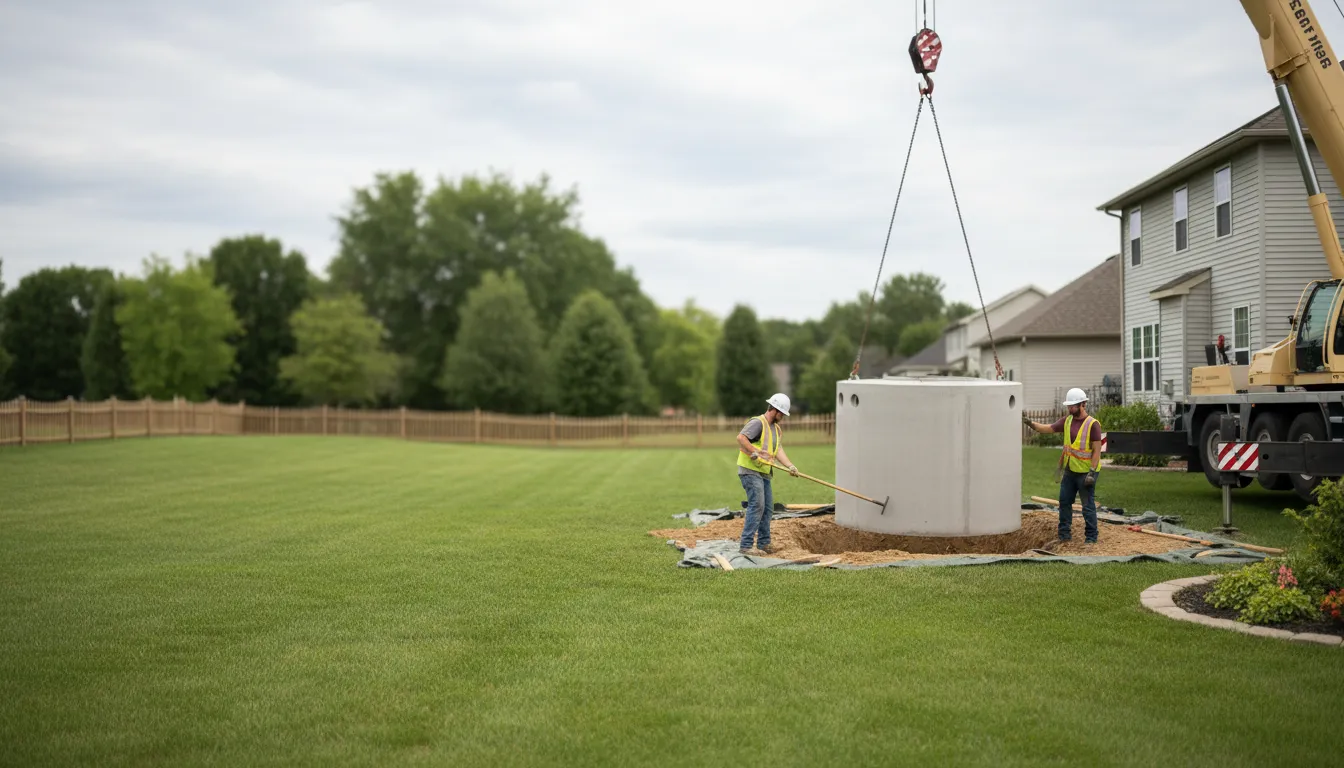
Find the Best Septic Tank Installation & Replacement Contractors for Your Business
No obligation • Fast responses • Nationwide coverage

Why you can trust Septic Spot
Septic Spot is a leading United States resource for understanding and comparing septic services. Our editors review providers using consistent criteria and verify key business details. Listings and scores are independent, and companies cannot pay to influence our content.
Search providers near you
Top Septic Tank Installation & Replacement Contractors in La Mesa, California Ranked
For homeowners in La Mesa without access to municipal sewer lines, a properly functioning septic system is essential for managing household wastewater. Septic tank installation or replacement is a significant project governed by strict local and state regulations to protect public health and groundwater. This guide explains the process, costs, and key considerations for installing or replacing a septic system in La Mesa, helping you understand what's involved in finding qualified local professionals for this critical work.
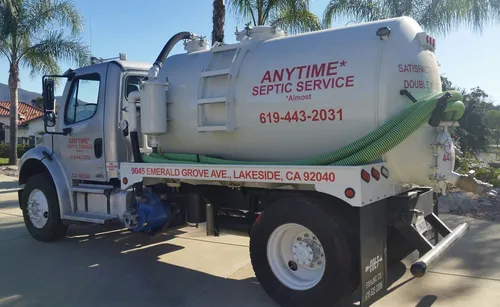
Anytime Septic Service
8867 Gardena Rd, Lakeside, CA 92040
Anytime Septic Service is a family-owned company serving San Diego, CA, with over 55 years of experience in septic system care. They provide septic tank pumping, inspection, repairs, and installation across multiple local communities including El Cajon, Lakeside, La Mesa, and others. The team uses modern techniques and equipment to ensure septic systems function properly, offering thorough visual inspections and detailed explanations of their findings. They also provide after-hours emergency service for urgent septic needs.
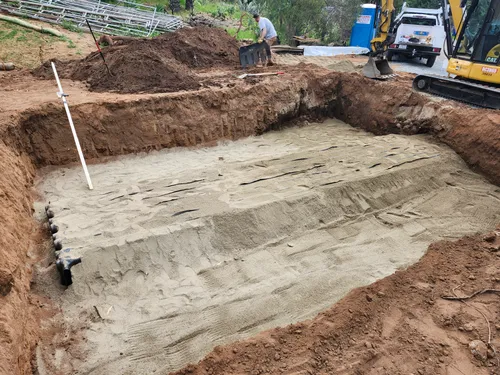
Solid State Septic
Escondido, CA
Solid State Septic is a septic system repair and installation company serving Escondido, CA. They provide septic solutions for both homes and businesses throughout San Diego County. Their services include new septic tank installations and repairs, focusing on meeting community needs with reliable septic system care.
North County Backhoe Service
Murrieta, CA
North County Backhoe Service is a septic system repair and installation company serving Murrieta, CA, and surrounding areas. With 50 years of experience, they handle septic tank repairs and installations, addressing issues such as sewage backups and clogs. The company is known for its knowledgeable team and prompt response to septic problems.
USA Septic
1317 Simpson Way Suite B, Escondido, CA 92029
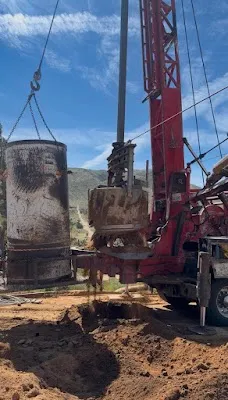
USA Septic is a septic tank pumping, inspection, repair, and installation company serving San Diego, CA. They provide services including septic system construction, pumping, drain cleaning, and certifications. Their expertise covers drain field repair and replacement, helping maintain and protect septic systems. USA Septic offers guidance on septic system ownership to help customers care for their systems properly.
Sludgebusters Septic Service
San Diego, CA
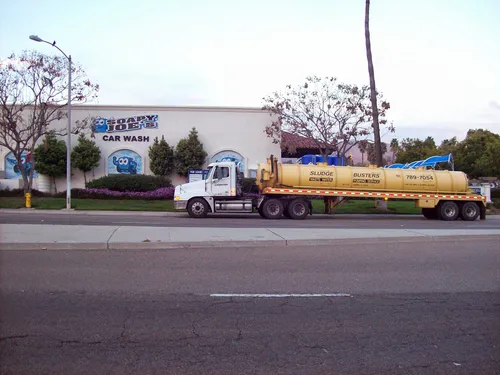
Sludgebusters Septic Service is a family-owned company based in San Diego, CA, providing septic tank pumping, repair, and installation services. Serving Ramona, Escondido, San Marcos, El Cajon, and surrounding areas throughout San Diego County, they specialize in transporting non-hazardous liquid waste with vacuum truck services for residential, commercial, industrial, and municipal clients. With over 40 years of experience, they hold certifications from the National Association of Wastewater Transporters and maintain compliance with local environmental and safety regulations. Sludgebusters offers 24/7 response availability and guidance on treatment storage and disposal site permitting.
Understanding Septic Systems in La Mesa
In areas where connecting to a public sewer is impractical-often when sewer lines are over 300 feet away-a private onsite wastewater treatment system (OWTS), commonly known as a septic system, is required. These systems are regulated by the County of San Diego Department of Environmental Health and Quality (DEHQ). A standard system consists of a watertight septic tank, where solids settle and begin to decompose, and a leach field (or drain field), where treated liquid effluent is dispersed into the soil for final purification.
Replacing an old, failing system or installing a new one for a home addition or new construction is a major undertaking. It requires careful planning, professional site evaluation, and adherence to a multi-step permitting process. Understanding this process is the first step toward a successful project.
The Regulatory and Permitting Process
You cannot simply hire a contractor and start digging. All septic system installations and replacements in La Mesa require permits from the DEHQ. The process is designed to ensure the system is safe, effective, and appropriately sized for your property and household.
- Initial Permit Application: The process begins with obtaining a "Layout Approval," which is the design approval for your system. This requires submitting a detailed site plan and system design, often prepared by a licensed engineer or qualified septic professional, to the DEHQ for review.
- Construction Permit: Once the design is approved, you must obtain a construction permit before any physical work can begin1. Permit fees themselves can range from approximately $320 to $1,880, depending on the scope and complexity of the project 2.
- Critical Regulations: The DEHQ enforces specific design criteria. For instance, septic tanks must be IAPMO-approved and have a minimum capacity: 1,000 gallons for a 1-3 bedroom home, 1,200 gallons for 4 bedrooms, and 1,500 gallons for 5-6 bedrooms3. Systems are prohibited if there is less than 1 foot of soil above the high water table or less than 3 feet of soil over the proposed drainfield area4.
Key Steps: From Site Evaluation to Final Inspection
A successful installation follows a defined sequence of professional assessments and county inspections.
1. Site Evaluation and Soil Testing
This is the most critical phase. A licensed professional-such as a soils engineer or geologist-must conduct a thorough site evaluation. This includes soil percolation tests (often called "perc tests") to determine the soil's absorption rate5. At least two tests are typically required in the proposed leach field area6. The results dictate the size and design of the drain field. The DEHQ will also perform its own site inspection to verify conditions7.
2. System Design and Approval
Using the soil test data, a system is designed to meet your home's wastewater needs and the property's constraints. The design is submitted for Layout Approval, as mentioned in the permitting section.
3. Installation and Inspections
Once permits are in hand, installation can proceed:
- Excavation and Tank Placement: The septic tank and leach field trenches are excavated.
- Open Trench Inspection: Before the leach lines are placed, a county inspector will often visit to verify the trench dimensions and confirm the soil conditions match the percolation test results8.
- System Assembly: The tank is set, piping is connected, and the leach field is constructed with gravel and distribution pipes.
- Final Inspection: After the tank and lines are installed but before they are backfilled, a final inspection by the DEHQ is mandatory 9. This ensures everything is built to code. Only after passing this inspection can the system be covered up.
Find the perfect septic tank installation & replacement contractors for your needs
Get personalized recommendations and expert advice
Cost Factors for Installation and Replacement
The total cost for a septic system installation or full replacement in La Mesa can vary widely. A typical range for a conventional residential system is between $3,000 to over $10,00010 11. Several key factors influence the final price:
- System Type and Size: A larger tank and drain field for a bigger home costs more. Complex systems for challenging sites (like mound systems or alternative technologies) are significantly more expensive than conventional gravity-fed systems.
- Soil and Site Conditions: Difficult soil with slow percolation requires a larger leach field. Properties with high groundwater, steep slopes, or limited space require more complex-and costly-engineering solutions.
- Permitting and Professional Fees: This includes county permit fees, as well as costs for the required soil engineer, system designer, and possibly an archaeologist if the site is sensitive.
- Excavation and Labor: The cost of heavy equipment and labor for digging and installation.
- System Age and Condition: A simple tank replacement may cost less than a full system overhaul if the drain field has also failed.
When is a New System or Replacement Required?
Homeowners should be aware of common triggers that necessitate system work:
- System Failure: Signs include sewage backups, soggy ground or foul odors near the drain field, and unusually green grass over the leach lines.
- Home Improvement Projects: Adding an accessory dwelling unit (ADU), expanding your home, or even adding a swimming pool can trigger a requirement for a system inspection and potential upgrade to handle increased wastewater flow12.
- Age: Systems have a finite lifespan. If your system is over 15-20 years old and you're planning significant work, a comprehensive evaluation is often required.
- Property Transfers or Fire Rebuilds: These events frequently require a certified inspection of the existing septic system.
A crucial warning: Attempting to replace system components without the required permits can result in substantial fines, ranging from $200 to $10,00013. Always work with licensed professionals who will pull the proper permits.
Choosing a Professional in La Mesa
Given the technical and regulatory complexity, selecting the right contractor is paramount. Look for professionals who are:
- Licensed and Insured: They must hold appropriate California contractor licenses for septic work (often a C-42 or related classification).
- Local Experience: Familiarity with DEHQ inspectors, local soils, and county-specific paperwork is invaluable.
- Comprehensive Service Providers: Many reputable companies offer full-service support, from initial site evaluation and permit pulling to installation and final inspection coordination.
- Good Communicators: They should clearly explain the process, costs, timeline, and their role in managing county inspections.
Maintaining Your New Investment
Once your new system is installed, proper maintenance is key to longevity. This includes regular pumping of the septic tank (typically every 3-5 years), conserving water, and avoiding flushing harmful chemicals or non-biodegradable materials. Your installer should provide you with a detailed "as-built" diagram of your system's location for future reference and maintenance.
Frequently asked questions
Sources
Footnotes
-
Frequently Asked Questions on Septic Systems - https://www.sandiegocounty.gov/content/sdc/deh/lwqd/lu_septic_systems/lu_septic_faqs_page.html ↩
-
Breaking down expenses: How much does a septic system cost? - https://point.com/blog/how-much-does-a-septic-system-cost ↩
-
Septic System Design Criteria - County of San Diego - https://www.sandiegocounty.gov/content/dam/sdc/deh/lwqd/Septic_System_Design_Criteria_3-22-10.pdf ↩
-
Construction Guide for On-Site Sewage Disposal Systems - https://monohealth.com/sites/default/files/fileattachments/environmental_health/page/29328/constr_guide_conv08-2.pdf ↩
-
Residential Percolation Test - West Coast Sanitation - https://westcoastsanitationinc.com/residential-percolation-test/ ↩
-
Santa Clara County Onsite Systems Manual - California Water Boards - https://www.waterboards.ca.gov/sanfranciscobay/board_info/agendas/2016/January/SantaClaraOWTS/SCC_OWTS_B_Onsite_Systems_Manual.pdf ↩
-
Septic Systems - County of San Diego - https://www.sandiegocounty.gov/content/sdc/deh/lwqd/lu_septic_systems.html ↩
-
Septic System Install Timeline | RCI Septic Service - https://www.rciseptic.com/complete-step-by-step-timeline-septic-system-installation-from-permit-to-finish ↩
-
Complete Septic System Installation: Process, Permits, And ... - https://www.theseptictankman.com/blog/complete-septic-system-installation-process-permits-and-pitfalls ↩
-
Septic Tank Replacement and Drain Field Cost in California - https://www.lanikseptic.com/how-much-does-it-cost-to-replace-a-septic-tank-and-drain-field-in-california/ ↩
-
Septic System Installation Southern California JTS Plumbing - https://www.jtsplumbinginc.com/septic-system-installation/ ↩
-
Onsite Wastewater Treatment System in Los Angeles County - http://www.publichealth.lacounty.gov/eh/business/septic-systems.htm ↩
-
Septic System Regulations in Southern California: What You ... - https://www.lanikseptic.com/socal-septic-regulations/ ↩