Find the Best Septic Tank Installation & Replacement Contractors for Your Business
No obligation • Fast responses • Nationwide coverage

Why you can trust Septic Spot
Septic Spot is a leading United States resource for understanding and comparing septic services. Our editors review providers using consistent criteria and verify key business details. Listings and scores are independent, and companies cannot pay to influence our content.
Search providers near you
Top Septic Tank Installation & Replacement Contractors in Lancaster, California Ranked
Installing or replacing a septic system is a significant investment in your property's long-term functionality and environmental safety. For homes in Lancaster and the surrounding Antelope Valley that aren't connected to municipal sewer lines, a properly designed and permitted onsite wastewater treatment system is essential. This guide explains the local process, requirements, and considerations for septic tank installation and replacement, helping you understand what to expect and how to connect with qualified local professionals for your project.

Brothers Plumbing And Septic
42552 3rd St E, Lancaster, CA 93535
Brothers Plumbing And Septic is a family-owned business with over 20 years of experience serving Los Angeles, CA, and surrounding areas. They offer a range of septic system services including inspections, maintenance, repairs, and full replacements. The company also handles general plumbing issues and commercial plumbing needs. Their expertise includes diagnosing septic tank problems and providing reliable repairs to protect properties. Brothers Plumbing And Septic provides 24/7 emergency plumbing services to address urgent issues promptly.
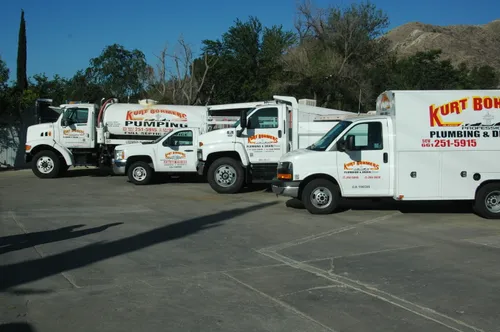
Kurt Bohmer Plumbing Inc.
16743 Sierra Hwy, Canyon Country, CA 91351
Kurt Bohmer Plumbing Inc. is a plumbing and septic service provider based in Los Angeles, CA. They serve the Santa Clarita Valley, Antelope Valley, and Ventura County, offering residential and commercial plumbing solutions. Their services include septic tank pumping, installation, repairs, and complete system design, supported by a fleet of pumping trucks and 24/7 availability for septic tank pumping. They also provide sewer and drain cleaning with high-pressure water jetting and video camera inspections. With over 35 years of experience, Kurt Bohmer Plumbing Inc. has established a long-standing presence in Southern California.
Understanding Septic Systems in the Antelope Valley
A septic system is a self-contained, on-property wastewater treatment solution. In areas like Lancaster where municipal sewer service may not be available, these systems are a common and regulated necessity. The typical residential system consists of two main components: a large, watertight septic tank that separates solids from liquids, and a drain field (or leach field), where the treated liquid effluent is dispersed into the soil for final purification. Given the local desert climate and specific soil conditions, adherence to strict county and state codes is not just a legal formality-it's critical for protecting groundwater and public health.
The Lancaster & Los Angeles County Permitting Process
All new installations and replacements of septic systems in Lancaster fall under the jurisdiction of the Los Angeles County Department of Public Health (LACDPH). You cannot begin any excavation or construction before obtaining the necessary permits. The city of Lancaster confirms that septic system permits are issued through the County.
The approval process typically requires submitting a detailed application package, which includes:
- A Site Plan: A detailed plot plan showing the proposed location of the tank, drain field, and all relevant structures.
- A Floor Plan: This is used to calculate the estimated wastewater flow based on the number of bedrooms in the home, which determines the required system size.
- A Site Evaluation Report: This includes the results of the mandatory soil percolation test and an assessment of the property's topography.
Special considerations apply if you are rebuilding a home, adding an accessory dwelling unit (ADU), or significantly increasing the wastewater load. In these cases, the existing system will likely need to be evaluated and potentially upgraded or replaced to handle the new capacity 1.
The Critical Role of Soil Testing: The Perc Test
Before any system design can be finalized, a soil percolation test (commonly called a "perc test") must be conducted. This test is non-negotiable and determines the soil's ability to absorb and filter wastewater. A qualified professional will dig test holes in the proposed drain field area, saturate the soil, and measure how quickly the water level drops. The result, measured in minutes per inch, indicates the soil's absorption rate 2 3.
California regulations specify acceptable percolation rates, generally between 1 and 12 inches per hour. If the soil perc's too slowly, a standard trench system won't work. If it perc's too quickly, the wastewater may not be adequately treated before reaching groundwater. The results directly influence the engineering of your system-poor soil conditions may require a more complex (and costly) engineered solution, like a mound system 4.
System Design, Sizing, and Setback Requirements
Using the data from the perc test and your home's specifications, a system design is created. For a typical single-family home in Lancaster, a 1,000 to 1,500-gallon septic tank is common. The drain field size is calculated based on the daily wastewater flow and the soil's absorption capacity.
California Water Board rules and county regulations enforce strict setback distances-minimum separations that must be maintained between system components and other features. These are crucial for safety and include distances from:
- Water wells (often 100 feet or more)
- Property lines
- Streams or water bodies
- Building foundations
- Underground utilities Your site plan must demonstrate compliance with all these setbacks to receive permit approval 5.
Installation Steps and Key Inspections
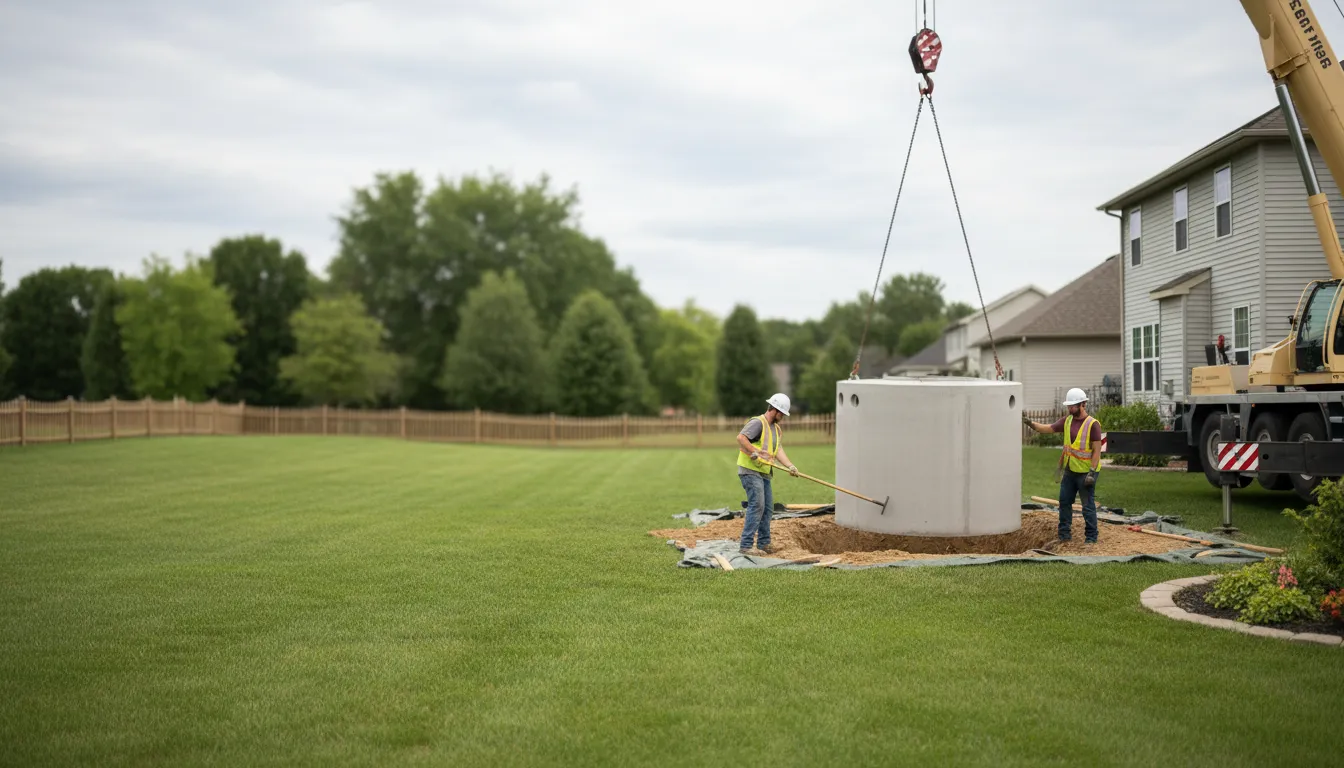
Once permits are in hand, the physical installation begins. This process is closely monitored through a series of mandatory inspections by the LACDPH to ensure code compliance 6.
- Excavation & Site Preparation: The tank and drain field areas are excavated according to the approved plans.
- Open Trench Inspection: Before any distribution pipes or gravel are placed in the drain field trenches, a county inspector must visit to examine the native soil conditions and trench dimensions. This is a critical checkpoint.
- Tank Placement & Plumbing: The septic tank is set, and all inlet/outlet plumbing is connected. Tanks must be watertight and properly leveled.
- Final Inspection: After the drain field is completed, the tank is backfilled, and all components are connected, a final inspection is conducted. The inspector verifies the entire system is installed correctly, functional, and sealed before it can be covered and put into use 7.
Find the perfect septic tank installation & replacement contractors for your needs
Get personalized recommendations and expert advice
Cost Factors for Septic System Installation in Lancaster
The total cost for a new septic system installation or full system replacement in the Lancaster area can vary widely based on site-specific conditions. However, homeowners can expect the following general cost ranges 8 9:
- Design & Permitting Fees: $1,000 - $3,000+. This covers the site evaluation, perc test, engineered design plans, and county permit fees.
- Installation (Labor & Materials): $3,000 - $10,000+. This is for the physical excavation, tank, pipes, gravel, and labor.
- Total Project Cost: A standard system for a 3-4 bedroom home often falls in the $5,000 to $8,000 range in the Antelope Valley. It's important to view this as a ballpark figure.
Costs can increase significantly due to:
- Difficult Site Conditions: Rocky soil, high groundwater, or poor perc test results.
- Larger System Needs: Homes with more bedrooms or higher water usage.
- Advanced System Types: If a standard gravity-fed trench system isn't suitable, an engineered mound system or system with a pump will be more expensive.
- System Replacement: Replacing an old system may involve additional costs for locating, pumping out, and properly abandoning the old tank and field.
Choosing a Provider for Your Septic Project
Given the technical and regulatory complexity, selecting the right contractor is paramount. Look for licensed, experienced professionals who are familiar with Los Angeles County Public Health requirements. They should handle the entire process-from the initial site evaluation and permit application to installation and final inspection. Always verify licenses, ask for references from similar projects in the area, and ensure they obtain all necessary permits. A reputable provider will be transparent about costs, timelines, and the reasons behind their design recommendations 10 11.
Long-Term Care After Installation
A new system is a major investment that should last for decades with proper care. After installation, routine maintenance is key. This includes having the septic tank pumped every 3-5 years by a licensed pumper, conserving water to avoid overloading the drain field, and being mindful of what goes down the drains. Avoid flushing chemicals, grease, or non-biodegradable materials. Protect your drain field by not driving or building over it. Proper maintenance protects your investment and prevents costly failures down the line 12 13.
Frequently asked questions
Sources
Footnotes
-
Permits | City of Lancaster - https://www.cityoflancasterca.org/our-city/departments-services/development-services/city-engineering/building-and-safety/permits ↩
-
Residential Percolation Test - West Coast Sanitation - https://westcoastsanitationinc.com/residential-percolation-test/ ↩
-
The Importance of a Soil Percolation Test for Septic Systems - https://westcoastsanitationinc.com/how-to-do-a-perk-test/ ↩
-
Unlock Septic Success: Obtaining Necessary Permits - https://septic911.com/obtaining-necessary-permits-and-approvals-for-septic-system-installation/ ↩
-
Onsite Wastewater Treatment System in Los Angeles County - http://www.publichealth.lacounty.gov/eh/business/septic-systems.htm ↩
-
How to Know if You Need a Septic System Permit - Pippin Home Designs - https://www.pippinhomedesigns.com/septic-system-permit/ ↩
-
California Septic Tank Requirements | Onsite Wastewater Treatment Systems - https://www.ntotank.com/blog/california-septic-tank-requirements ↩
-
Lancaster Septic Systems Costs & Prices - ProMatcher.com - https://septic-systems.promatcher.com/cost/lancaster-ca-septic-systems-costs-prices.aspx ↩
-
Septic Tank Replacement and Drain Field Cost in California - https://www.lanikseptic.com/how-much-does-it-cost-to-replace-a-septic-tank-and-drain-field-in-california/ ↩
-
The SoCal Guide to Septic Tank Installation - https://www.lanikseptic.com/socal-guide-septic-tank-installation/ ↩
-
Buying Land? Essential Guide to Septic System Installation - https://septic-masters.com/buying-land-septic-system-installation/ ↩
-
The Californian's Guide To Septic Tanks - https://cacciaplumbing.com/blog/california-septic-tank-guide/ ↩
-
Septic Information and Basics - https://acornonsite.com/septic-info-%26-basics ↩