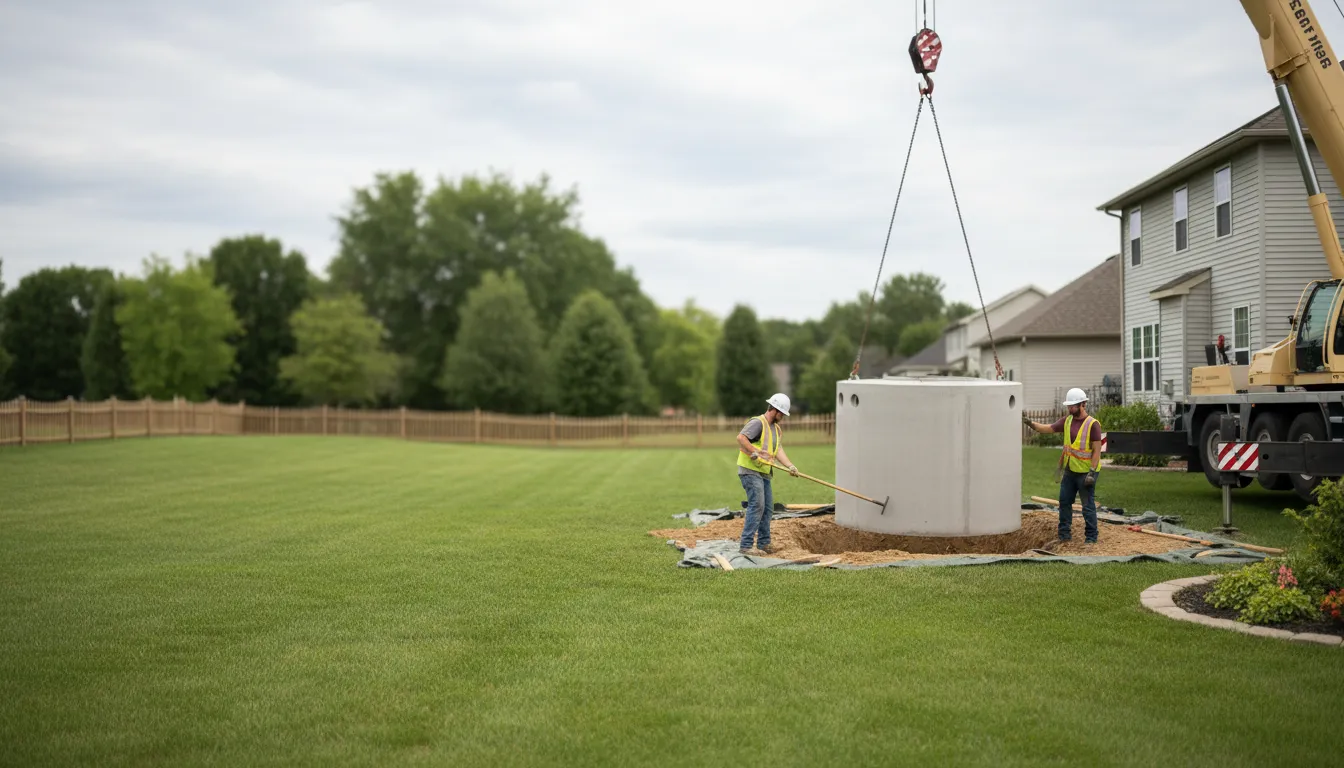
Find the Best Septic Tank Installation & Replacement Contractors for Your Business
No obligation • Fast responses • Nationwide coverage

Why you can trust Septic Spot
Septic Spot is a leading United States resource for understanding and comparing septic services. Our editors review providers using consistent criteria and verify key business details. Listings and scores are independent, and companies cannot pay to influence our content.
Search providers near you
Top Septic Tank Installation & Replacement Contractors in Milpitas, California Ranked
Installing or replacing a septic system is a significant project that requires careful planning, professional expertise, and strict adherence to local regulations. For Milpitas homeowners, this process is overseen by the Santa Clara County Department of Environmental Health (DEH). This guide explains the key steps, costs, and requirements for septic system installation and replacement in Milpitas, helping you understand what to expect and how to connect with qualified local professionals for your project.
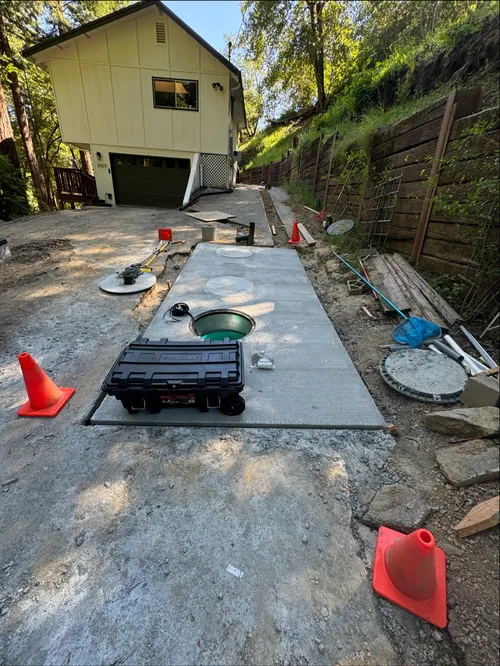
Wade's Plumbing & Septic
San Jose, CA
Wade's Plumbing & Septic is a family-owned company serving San Jose, CA, and licensed in California and Georgia. They specialize in septic tank pumping, inspection, repair, and installation, with a focus on enhanced treatment systems designed for challenging sites such as steep slopes, limited space, and environmentally sensitive areas. Their services include plumbing repairs and preventative maintenance, delivered by licensed professionals since 2021. Wade's offers upfront flat-rate pricing and emphasizes honest recommendations without upselling. They operate during regular business hours on weekdays.
PICHANGA PUMPING SERVICE LLC
901 N Rengstorff Ave, Mountain View, CA 94043
PICHANGA PUMPING SERVICE LLC is a family-owned business with over 10 years of experience, serving San Jose, CA. They provide septic tank pumping, inspection, repair, and installation services. The company uses specialized equipment for camera inspections and locating issues within pipes and sewer lines. They also offer restroom rentals. Pichanga Pumping Service provides after-hours and emergency services for added convenience.
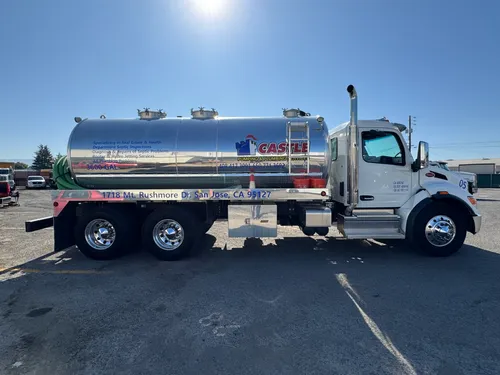
Castle Pumping and Plumbing Services
San Jose, CA
Castle Pumping and Plumbing Services is a locally owned company based in San Jose, CA, offering comprehensive septic system services including pumping, inspections, repairs, and installations. With over 32 years of experience, they serve residential and commercial properties in the San Jose area. Their expertise includes locating septic tanks, performing detailed inspections of tank components, and specialized outflow line exploration to diagnose backups without unnecessary replacements. The company uses advanced equipment and techniques to maintain and repair septic systems, ensuring long-lasting functionality.
Williams Sanitary Service Inc
Oakland, CA
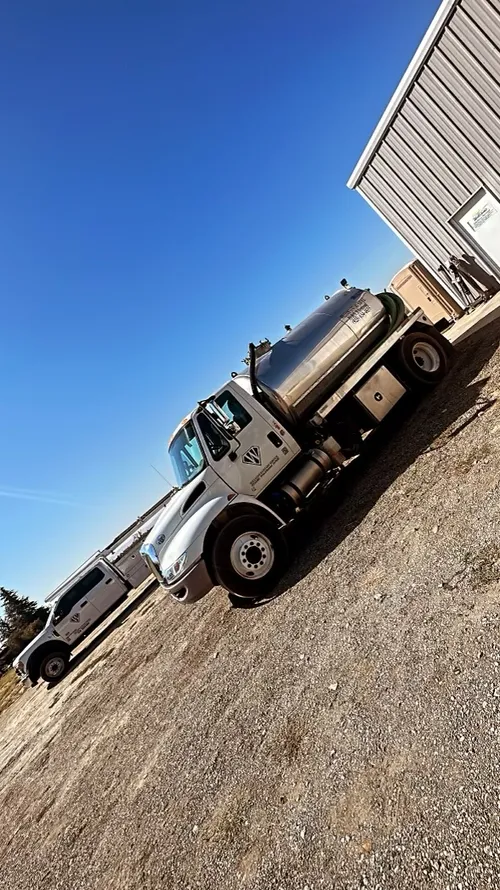
Williams Sanitary Service Inc is a family-owned septic system company serving Oakland, CA, and surrounding areas since 1950. They provide a full range of septic services including pumping, inspection, repair, and installation for both residential and commercial clients. The company also offers general plumbing services such as drain cleaning and water heater repair. Williams Sanitary Service Inc is equipped to handle all sizes of septic jobs across Contra Costa and Alameda Counties and offers 24/7 service availability.
The Honey Bucket Man
6116 CA-9 # D, Felton, CA 95018
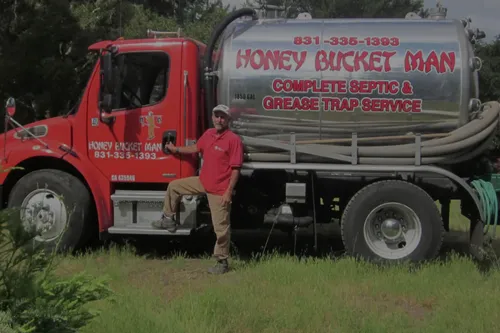
The Honey Bucket Man is a septic service provider located in San Jose, CA. They offer septic system cleaning, minor repairs, tank locating and uncovering, real estate inspections, and installation of new lids. Their services cover a range of septic system needs, including troubleshooting common problems to maintain system function.
Understanding the Milpitas Septic System Permit Process
The first and most critical step for any new septic installation or major replacement in Milpitas is obtaining a permit from the Santa Clara County DEH. A permit is mandatory, and the county will only issue one if a public sewer connection is not available. Specifically, a septic system is typically permitted only when a public sewer main is not within 300 feet of the property line. This rule ensures that municipal sewer service is prioritized where feasible.
The permitting process is designed to protect public health and groundwater quality. It begins with a site evaluation conducted by a qualified professional, such as a licensed engineer or septic designer. This professional will assess your property's soil conditions, topography, and groundwater levels to determine if it can support an onsite wastewater treatment system 1. They will then prepare and submit a detailed design plan to the county for approval. Attempting to bypass this process can result in fines, system failure, and complications when selling your property.
The Critical Role of Site Evaluation and Percolation Tests
A professional site evaluation is non-negotiable. This assessment determines the fundamental feasibility of installing a septic system on your land. The evaluator will look for potential issues like a high groundwater table, unsuitable soil types, or excessive slope that could compromise the system's function.
Following the initial evaluation, a percolation test (often called a "perc test") is usually required. This test measures the soil's absorption rate, which directly dictates the size and design of the necessary drain field. A licensed professional will dig several test holes, saturate them with water, and precisely measure how quickly the water drains. Slow-draining soils require a larger drain field area, while very fast-draining soils may pose contamination risks. The results of this test are submitted as part of your permit application and are essential for designing a system that will function properly for decades.
Step-by-Step: From Approved Plans to Final Inspection
Once your septic system design is approved by the county, the physical installation can begin. This process involves multiple stages, each requiring a specific county inspection to ensure compliance with the approved plans.
- Site/Soil Inspection: Before any digging for the drain field begins, an inspector will visit to verify the conditions match the evaluation, particularly checking test pits for the seasonal high groundwater table 2.
- Open Trench Inspection: Once the trenches for the leach lines are dug, an inspector will evaluate the soil conditions exposed in the trench walls and confirm the drain field's size and configuration 3.
- Tank Installation Inspection: When the septic tank is set in place, an inspector will check its placement, level, and the integrity of the tank itself before it is connected 4.
- Final Inspection: This is the last check before the system is backfilled. The inspector will validate that all components-including baffles, piping, and the tank seal-are installed correctly and that the system is ready for operation 5.
Find the perfect septic tank installation & replacement contractors for your needs
Get personalized recommendations and expert advice
Cost Breakdown for Septic System Projects in Milpitas
The total cost of a septic system installation or replacement in Milpitas varies dramatically based on site conditions, system type, and tank size. It's important to budget for both professional services and county fees. Here's a general breakdown of potential costs 6 7:
- Permit and Design Fees: County permit fees can range from $1,000 to several thousand dollars. The cost for professional site evaluation, perc testing, and system design typically falls between $1,500 and $5,000+.
- Tank Costs: The material cost for a standard 1,000-gallon concrete septic tank is generally between $500 and $900. Larger tanks or those made from alternative materials like plastic or fiberglass will cost more8.
- Total Installation Cost: For a straightforward tank replacement, homeowners might pay $5,000 to $10,000. A completely new conventional septic system installation, including tank, drain field, and all labor, often ranges from $15,000 to over $30,000. Complex sites requiring advanced treatment systems or extensive grading can exceed this range significantly.
Choosing Between Repair, Replacement, and New Installation
Understanding your specific need is crucial.
- Repair: If an inspection reveals isolated issues like a clogged pipe or a damaged baffle, a repair may suffice. This is typically the most cost-effective option.
- Replacement: Full system replacement is necessary when the drain field has failed, the tank is structurally compromised, or the system is too old and undersized for current household use. This involves removing the old components and installing a new system to current code.
- New Installation: This is for properties without an existing system, often new construction on lots not served by public sewer. It involves the complete permit-to-final-inspection process outlined above.
Always consult with a licensed septic professional in Milpitas to get an accurate assessment of your system's condition and a clear recommendation on the best path forward.
Why Professional Installation is Non-Negotiable
Septic system work is not a DIY project. The regulations in Santa Clara County are complex, and mistakes can be extremely costly to rectify. Licensed installers understand the local code, have established relationships with county inspectors, and know how to navigate the permit process efficiently9 10. They also have the equipment and expertise to properly excavate, set the tank, construct the drain field, and ensure the entire system is level and functional. Their work is typically guaranteed, providing you with peace of mind that your wastewater system is safe, legal, and built to last.
Maintaining Your New or Replaced Septic System
Once your new system is installed, proper maintenance is key to its longevity. This includes regular pumping (typically every 3-5 years), conserving water to avoid overloading the drain field, and avoiding flushing harmful chemicals or non-biodegradable materials. A well-maintained conventional system can last 25-30 years or more. Your installer can provide you with a specific maintenance schedule tailored to your system's design.
Frequently asked questions
Sources
Footnotes
-
ONSITE SYSTEMS MANUAL - California Water Boards - https://www.waterboards.ca.gov/sanfranciscobay/board_info/agendas/2016/January/SantaClaraOWTS/SCC_OWTS_B_Onsite_Systems_Manual.pdf ↩
-
Septic Inspections Made Easy: What Every Contractor Needs to Know Before Breaking Ground (2025) - https://flengineeringllc.com/septic-inspections-guide-contractors-2025/ ↩
-
Septic System Install Timeline | RCI Septic Service - https://www.rciseptic.com/complete-step-by-step-timeline-septic-system-installation-from-permit-to-finish ↩
-
Septic Tank Testing & Inspection | What to Expect Guide | Blog - https://www.blueribbonseptic.com/blog/septic-tank-testing-and-inspection ↩
-
Residential Percolation Test - West Coast Sanitation - https://westcoastsanitationinc.com/residential-percolation-test/ ↩
-
How Much Does a Septic System & Septic Tank Cost - https://www.nexgenseptics.com/septic-system-cost/ ↩
-
How To Get A Septic Tank Installed - My Septic Install: Costs, Advice, Details And More - https://thetinylife.com/how-to-get-a-septic-tank-installed-my-septic-install-costs-advice-details-and-more/ ↩
-
Residential Septic Tank Pricing | Homeowner's Guide to Costs - https://www.ntotank.com/blog/residential-septic-tank-pricing ↩
-
California Septic Tank Requirements | Onsite Wastewater ... - https://www.ntotank.com/blog/california-septic-tank-requirements ↩
-
Septic System Permit Guide for Summit County Residents - https://www.andersoneng.com/get-a-septic-system-permit-in-summit-county/ ↩