
Find the Best Septic Tank Installation & Replacement Contractors for Your Business
No obligation • Fast responses • Nationwide coverage

Why you can trust Septic Spot
Septic Spot is a leading United States resource for understanding and comparing septic services. Our editors review providers using consistent criteria and verify key business details. Listings and scores are independent, and companies cannot pay to influence our content.
Search providers near you
Top Septic Tank Installation & Replacement Contractors in Montebello, California Ranked
Installing or replacing a septic system is a significant home improvement project that ensures the safe and efficient treatment of household wastewater. In Montebello, this process is governed by strict state and county regulations designed to protect public health and the environment. This guide explains the key steps, requirements, and considerations for septic system installation and replacement, helping you understand what to expect and how to connect with qualified local professionals for your project.
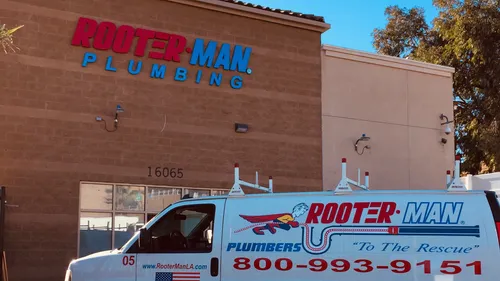
Sewer Man Septic Tank Pumping
16065 Foothill Blvd # B, Sylmar, CA 91342
Sewer Man Septic Tank Pumping provides septic tank pumping, cleaning, inspection, repair, and installation services in Los Angeles, CA. They use specialized equipment such as vacuum trucks and high-pressure water jets to maintain and clean septic systems, helping prevent backups and slow drainage. The company offers emergency septic pumping services for urgent needs and serves a wide range of nearby communities. Sewer Man Septic Tank Pumping is experienced in handling various septic system maintenance tasks to support property owners in the Los Angeles area.
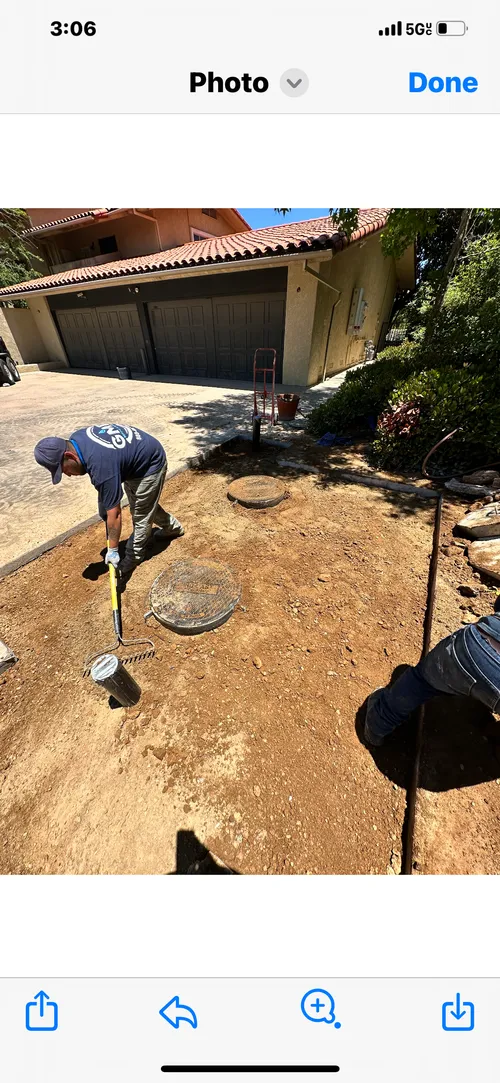
GMP Septic And Sewer
20 Surrey Ln, Rancho Palos Verdes, CA 90275
GMP Septic And Sewer provides a full range of septic services in Los Angeles, CA, including septic tank pumping, cleaning, inspections, repairs, installations, and system upgrades. They handle new construction, remodels, and replacements, ensuring systems are tailored to property needs. The company offers 24/7 emergency services for urgent septic system repairs. Their expertise covers diagnosing leaks, replacing damaged components, and maintaining system performance through regular maintenance and thorough inspections.
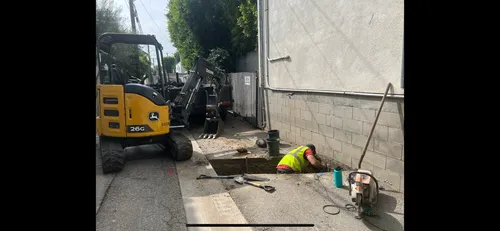
Just Sewers, INC
Los Angeles, CA
Just Sewers, INC is a sewer and septic service provider based in Los Angeles, CA. They offer a wide range of services including septic tank pumping, inspection, and installation, as well as sewer line cleaning, repair, replacement, and trenchless sewer solutions. Serving Los Angeles and surrounding communities such as Pasadena, Hollywood, Beverly Hills, and Santa Monica, they utilize advanced tools like video inspections and hydro jetting to address plumbing issues efficiently. The company operates 24/7 to handle emergencies and routine maintenance, helping to prevent costly backups and system failures.
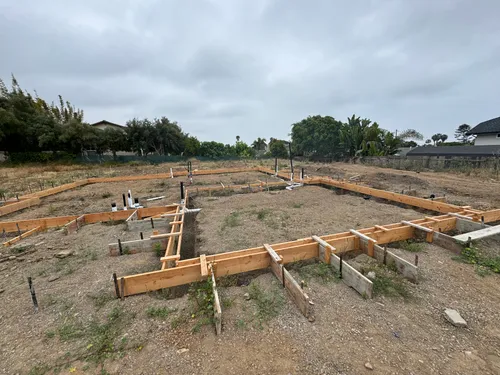
Dreyfuss Grading
Oceanside, CA
Dreyfuss Grading is a construction company based in Oceanside, CA, offering a wide range of services including septic system installation, grading, excavation, concrete foundations, and public works projects. They serve residential, commercial, and municipal clients throughout the San Diego area. The company uses advanced technology such as 3D GPS for precise site preparation and specializes in earthmoving, trenching, and foundation digging. Their expertise also extends to retaining walls, utility line installation, and ADU construction. Dreyfuss Grading emphasizes transparent communication and competitive rates in their work.
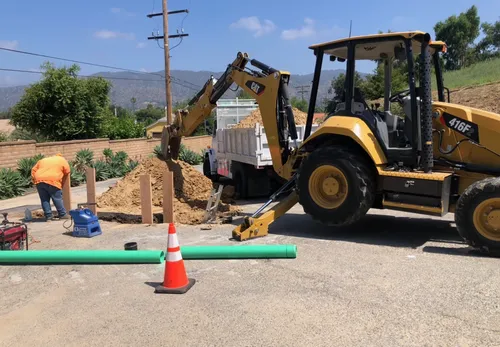
Carter Sanitation Sewer & Septic
4266 Elton St, Baldwin Park, CA 91706
Carter Sanitation Sewer & Septic provides septic and sewer services in Los Angeles, CA, with a focus on the San Gabriel Valley. The company offers septic system installation, pumping, repair, sewer line services, trenchless sewer solutions, street excavation, and drain cleaning for residential, commercial, industrial, and municipal properties. Established in 1969, Carter Sanitation brings over 50 years of experience to its work, emphasizing environmental responsibility and customer satisfaction.
Understanding Septic System Basics
A septic system, or onsite wastewater treatment system (OWTS), is a self-contained underground system that treats sewage from homes not connected to a municipal sewer line. The core components are a watertight septic tank and a soil absorption area, commonly called a drain field or leach field. In Montebello, all new installations and replacements of these systems must comply with the California Water Code and the specific policies enforced by the Los Angeles County Department of Public Health (LACPH).
Proper system function relies on a combination of bacterial action in the tank and natural filtration in the soil. When a system fails-often signaled by soggy ground, sewage odors, or slow drains-it typically requires a full replacement. Upgrading an old system to meet modern standards is not just a repair; it's an investment in your property's value and environmental safety 1.
The Regulatory Landscape in Los Angeles County
The Los Angeles County Department of Public Health is the sole permitting authority for all septic work in Montebello. Their regulations are designed to ensure systems are sited, designed, and built to function properly without contaminating groundwater or creating a nuisance. Key regulatory hurdles include:
- Site Suitability: Not every parcel of land can support a conventional septic system. The county imposes strict limitations based on soil type, slope (typically less than 30-35%), and the depth to groundwater (often requiring a 5-foot or greater separation) 2.
- System Design Standards: All systems must be designed to handle the projected daily wastewater flow from the home, based on the number of bedrooms. Designs must account for local soil conditions and property layout.
- Permit Compliance: You cannot begin any excavation or construction without the proper permits from LACPH. Working without a permit can result in fines and orders to remove non-compliant work.
Navigating these regulations is complex, which is why working with licensed professionals-from the initial site evaluation through final inspection-is not just recommended, it's mandatory.
Step-by-Step: The Installation & Replacement Process
Replacing a failed septic tank or installing a new system follows a multi-stage process with several critical checkpoints.
1. Preliminary Site Evaluation and Soil Testing
The first technical step is a comprehensive site evaluation conducted by a qualified professional, such as a registered civil engineer, geologist, or certified soil evaluator. This evaluation includes a percolation (perc) test, which measures the soil's absorption rate in minutes per inch. The results of this test are the primary factor in determining the size and type of drain field required 3 4. This step answers the fundamental question: Can a conventional system be installed here, or is an advanced treatment system needed?
2. Professional System Design
Based on the soil test results and property characteristics, a registered civil engineer or geologist must prepare the official system design plans. These plans detail the tank specifications, the layout and dimensions of the drain field, and all other components. The design must be stamped and submitted as part of the permit application package to LACPH 5.
3. Permit Application and Approval
With the engineered plans in hand, the homeowner or contractor submits a formal permit application to the Los Angeles County Department of Public Health. The county reviews the plans for compliance with all current OWTS regulations. This review period can vary in length. Only after receiving the approved construction permit can physical work begin 6.
4. Construction and Critical Inspections
A licensed septic contractor performs the excavation and installation. The county mandates two key inspections during construction:
- Open Trench Inspection: Before any gravel or distribution pipes are placed in the drain field trenches, a county inspector must examine the excavation. They verify the depth, leveling, and suitability of the exposed native soil.
- Final Inspection: After the tank is set, the drain field is built, and all components are connected, a final inspection occurs before the system is covered with soil. The inspector ensures everything matches the approved plans 7 8.
Find the perfect septic tank installation & replacement contractors for your needs
Get personalized recommendations and expert advice
5. System Operation and Maintenance
Once the final inspection is passed and the permit is signed off, the system is ready for use. Proper long-term maintenance, including regular septic tank pumping every 3-5 years, is essential to protect your investment and prevent premature system failure.
Cost Considerations for Montebello Homeowners
The cost for a full septic system replacement or new installation in Montebello can vary widely. Typical ranges for a residential system are between $3,000 and over $10,000, with complex sites driving costs higher 9 10. Several key variables influence the final price:
- Tank Size and Material: Larger tanks (e.g., 1,000 to 5,000 gallons) or those made of concrete versus plastic have different costs.
- Soil and Site Conditions: Poor soil (slow percolation) or challenging sites (steep slopes, high groundwater) require larger drain fields or more expensive alternative system technologies.
- Scope of Work: A simple tank-only replacement is less costly than a full system replacement that includes a new drain field. If the existing drain field has failed, a new one must be constructed in a different location, which increases cost and may involve significant landscaping.
- Professional Fees: Fees for the soil consultant, design engineer, county permits, and the licensed installation contractor are all part of the total project cost.
It's crucial to obtain detailed, written estimates from multiple licensed contractors that break down all these components.
Choosing the Right Professionals
Given the technical and regulatory complexity, selecting your team is the most important decision you'll make. Ensure any professional you hire holds the appropriate California state license (such as a C-42 or C-36 contractor's license for septic work) and has extensive experience with the Los Angeles County permit process 11. Your team will likely include:
- A soil evaluator to perform the perc test.
- A civil engineer to design the system.
- A licensed septic contractor to perform the installation.
- The LACPH inspector to approve each stage.
Always verify licenses and ask for references from recent projects in the area. A reputable professional will gladly explain the process, provide a clear contract, and guide you through each county requirement.
Frequently asked questions
Sources
Footnotes
-
The Californian's Guide To Septic Tanks - https://cacciaplumbing.com/blog/california-septic-tank-guide/ ↩
-
onsite-wastewater-treatment-system-requirements-procedures ... - http://www.publichealth.lacounty.gov/eh/docs/permit/onsite-wastewater-treatment-system-requirements-procedures.pdf ↩
-
Land Use Program | Contra Costa Health - https://www.cchealth.org/health-and-safety-information/orders-and-regulations/land-use-program ↩
-
California Septic Tank Requirements | Onsite Wastewater ... - https://www.ntotank.com/blog/california-septic-tank-requirements ↩
-
Liquid Waste Program Septic Approval Procedure - El Dorado County - https://www.eldoradocounty.ca.gov/Public-Safety-Justice/Waste-Disposal/Liquid-Waste-Disposal/New-Sewage-Disposal-System-Approval ↩
-
Draft Professional Guide - County of Los Angeles Public Health - http://ph.lacounty.gov/eh/docs/ep_lu_ProfessionalGuide.pdf ↩
-
Septic System Install Timeline | RCI Septic Service - https://www.rciseptic.com/complete-step-by-step-timeline-septic-system-installation-from-permit-to-finish ↩
-
The Ultimate Guide to Septic System Installation Process - https://septic911.com/septic-system-installation-process/ ↩
-
Septic Tank Replacement and Drain Field Cost in California - https://www.lanikseptic.com/how-much-does-it-cost-to-replace-a-septic-tank-and-drain-field-in-california/ ↩
-
How Much Does Replacing a Septic System Cost - https://www.rismedia.com/2023/12/04/how-much-does-replacing-a-septic-system-cost/ ↩
-
California Septic License & Certification | 2024 Contractor Guide - https://www.servicetitan.com/licensing/septic/california ↩