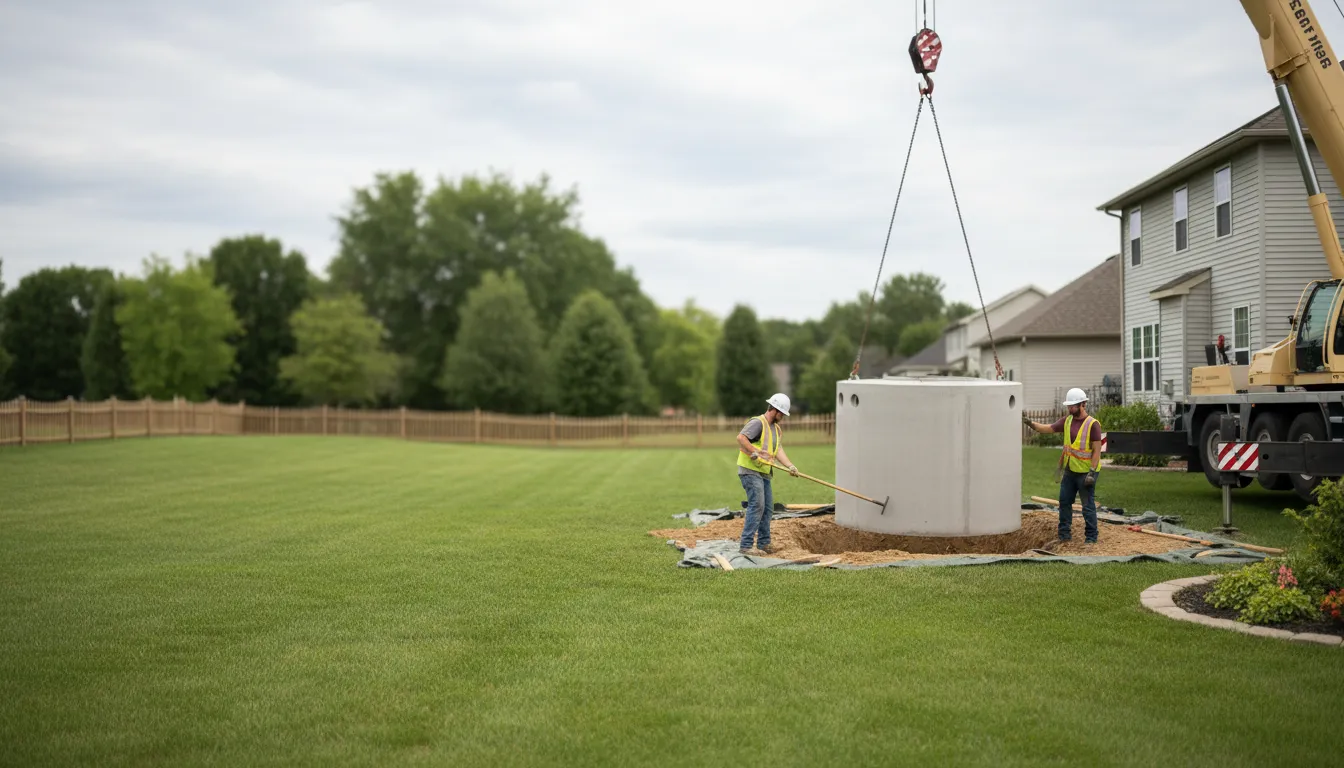
Find the Best Septic Tank Installation & Replacement Contractors for Your Business
No obligation • Fast responses • Nationwide coverage

Why you can trust Septic Spot
Septic Spot is a leading United States resource for understanding and comparing septic services. Our editors review providers using consistent criteria and verify key business details. Listings and scores are independent, and companies cannot pay to influence our content.
Search providers near you
Top Septic Tank Installation & Replacement Contractors in Morgan Hill, California Ranked
Installing or replacing a septic system is a significant investment in your property's long-term functionality and environmental safety. For homes in Morgan Hill that are not connected to the municipal sewer, a properly designed and permitted onsite wastewater treatment system (OWTS) is essential. This guide explains the local process, requirements, and key considerations to help you navigate planning a new septic system installation or a full system replacement with confidence.
Wade's Plumbing & Septic
San Jose, CA
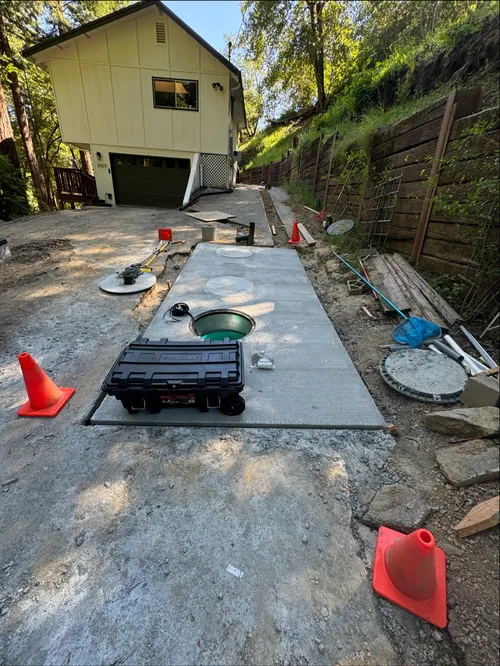
Wade's Plumbing & Septic is a family-owned company serving San Jose, CA, and licensed in California and Georgia. They specialize in septic tank pumping, inspection, repair, and installation, with a focus on enhanced treatment systems designed for challenging sites such as steep slopes, limited space, and environmentally sensitive areas. Their services include plumbing repairs and preventative maintenance, delivered by licensed professionals since 2021. Wade's offers upfront flat-rate pricing and emphasizes honest recommendations without upselling. They operate during regular business hours on weekdays.
The Honey Bucket Man
6116 CA-9 # D, Felton, CA 95018
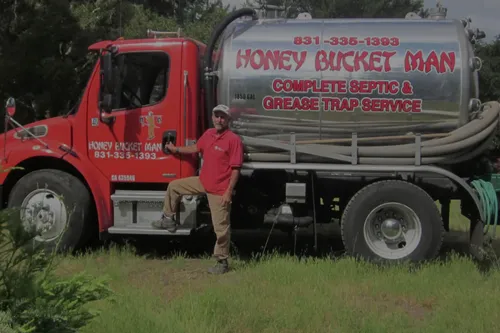
The Honey Bucket Man is a septic service provider located in San Jose, CA. They offer septic system cleaning, minor repairs, tank locating and uncovering, real estate inspections, and installation of new lids. Their services cover a range of septic system needs, including troubleshooting common problems to maintain system function.
Morton Septic Service Inc
905 Lena Ave, Gilroy, CA 95020
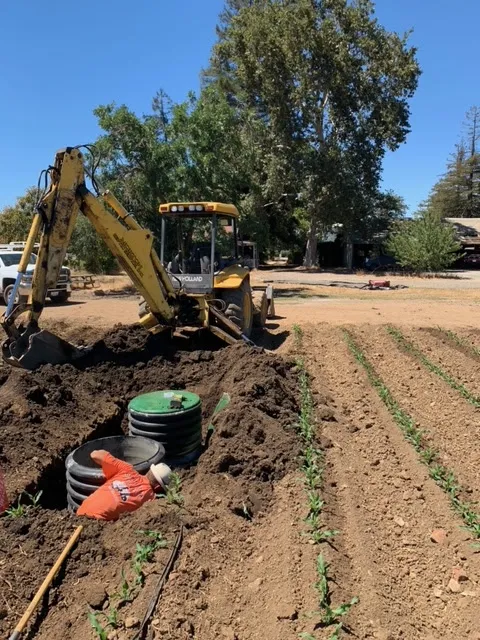
Morton Septic Service Inc is a septic system repair and installation company serving San Jose, CA, and nearby areas including South San Jose, San Martin, Gilroy, and Morgan Hill. The company offers a variety of septic services such as repairs and installations. With over 49 years of experience, Morton Septic Service Inc has developed extensive expertise in handling septic systems.
Understanding the Permit Process in Santa Clara County
All new septic system installations and major replacements in Morgan Hill are regulated by the Santa Clara County Department of Environmental Health (DEH). You cannot begin any construction without their approval. The first critical rule is that a permit will generally be denied if a public sewer line is available within 300 feet of your property line 1. The county assumes connection to the public sewer is the preferred method of wastewater disposal.
The permitting process is multi-stage and designed to ensure public and environmental health. It starts with a formal application and the submission of a detailed system design by a qualified professional. After plan review and approval, the actual installation must pass a series of rigorous inspections before the system can be covered and put into use. Navigating this process successfully requires working with experienced local contractors and designers who understand Santa Clara County's specific regulations.
The Critical Role of Site Evaluation and Soil Testing
Before any system design can be drawn, a thorough site evaluation must be conducted. This assessment determines the feasibility of a conventional septic system and dictates its design. Key factors evaluated include:
- Setback Requirements: The system must be located specific minimum distances from property lines, wells, streams, and structures.
- Soil Depth and Type: A minimum of 3 feet of suitable soil is required beneath the proposed leach field area.
- Groundwater Level: There must be at least a 5-foot separation between the bottom of the leach field and the highest seasonal groundwater level 2.
The most crucial part of the evaluation is the soil percolation (perc) test. This test, performed by a licensed professional, measures how quickly water absorbs into the soil on your property. At least two test holes are typically dug, soaked, and then monitored to determine the soil's absorption rate 3 4 5. The results of this test directly determine the size and type of leach field needed to safely handle your household's wastewater effluent. A failed or poor perc test can limit your system options and significantly increase costs.
Designing Your Septic System
With the site evaluation and perc test results in hand, a qualified septic designer or geotechnical engineer creates the official system plan. For most properties in Morgan Hill with suitable soil, a conventional gravity-fed system is the standard. This system includes a septic tank (typically 1,000-1,500 gallons for a residential home) and a subsurface leach field.
However, not all properties can support a conventional system. Challenging sites with high groundwater, poor soil, or steep slopes may require an alternative treatment system. These systems, such as mound systems, aerobic treatment units (ATUs), or drip irrigation systems, provide advanced treatment and are engineered for difficult conditions. They are more complex and come with a higher price tag, both for installation and ongoing maintenance 6.
Find the perfect septic tank installation & replacement contractors for your needs
Get personalized recommendations and expert advice
The Installation and Inspection Phases
Once your permit is issued, installation by a licensed contractor can begin. This is not a single-step process but a sequence of carefully monitored stages, each requiring a county inspection before proceeding to the next 7:
- Open Hole/Trench Inspection: After excavation for the leach field, an inspector verifies the soil conditions, depth, and preparation of the dispersal area.
- Tank Inspection: The septic tank is inspected for proper placement, type, size, and inlet/outlet configuration before it is buried.
- Leach Field Inspection: The gravel bed, distribution piping, and other components are inspected before the trenches are covered.
- Final Inspection: Once the entire system is covered with soil, a final inspection ensures the installation matches the approved plans and is ready for operation.
Failing an inspection can lead to costly rework and delays, so it's imperative to hire a contractor with a strong reputation for quality and compliance.
Cost Considerations for Installation and Replacement
The cost of a new septic system in Morgan Hill varies widely based on site conditions, system type, and property specifics. For a standard conventional system with a concrete tank and gravity-fed leach field, homeowners can expect total costs often starting in the range of $5,000 to $10,000 or more for materials and installation 8 9. This range typically covers the system components and standard labor.
Several factors can push costs significantly higher:
- Alternative Systems: If your site requires a mound, aerobic, or drip system, costs can easily double or triple.
- Site Difficulty: Steep slopes (over 20% grade) may require expensive geotechnical reports and specialized engineering 10.
- Permit Fees: Santa Clara County permit fees themselves can range from several hundred to over a thousand dollars, depending on system complexity 11.
- Tank Material: While concrete is common, fiberglass or plastic tanks are other options with different price points.
- System Size: Larger homes requiring greater capacity need larger tanks and leach fields.
Replacing an existing failed system often involves all the same costs as a new installation, plus the additional expense of excavating and disposing of the old components.
Maintaining Your New Septic System
A new system is a major investment worth protecting. Proper maintenance is not optional; it's required for longevity and to prevent environmental contamination and costly repairs. Essential maintenance includes:
- Regular Pumping: Have the septic tank pumped every 3-5 years by a licensed service to remove solids.
- Water Conservation: Reducing household water use lessens the load on the leach field.
- Mindful Flushing: Only human waste and toilet paper should go down the drain. Avoid chemicals, grease, wipes, and other non-biodegradables.
- Landscaping Care: Never drive or build over the leach field, and plant only grass or shallow-rooted plants above it.
For alternative systems with mechanical parts, electrical components, or pumps, adhere strictly to the manufacturer's and county's required maintenance schedule, which is often more frequent.
Frequently asked questions
Sources
Footnotes
-
How to Know if You Need a Septic System Permit - Pippin Home Designs - https://www.pippinhomedesigns.com/septic-system-permit/ ↩
-
ONSITE SYSTEMS MANUAL - California Water Boards - https://www.waterboards.ca.gov/sanfranciscobay/board_info/agendas/2016/January/SantaClaraOWTS/SCC_OWTS_B_Onsite_Systems_Manual.pdf ↩
-
California Septic Tank Requirements | Onsite Wastewater ... - https://www.ntotank.com/blog/california-septic-tank-requirements ↩
-
Percolation Test Requirements | Kern County, CA - https://www.kernpublichealth.com/permitting-compliance/waste/septic-systems/percolation-test-requirements ↩
-
Residential Percolation Test - West Coast Sanitation - https://westcoastsanitationinc.com/residential-percolation-test/ ↩
-
The Californian's Guide To Septic Tanks - https://cacciaplumbing.com/blog/california-septic-tank-guide/ ↩
-
Septic Inspections Made Easy: What Every Contractor Needs to Know Before Breaking Ground (2025) - https://flengineeringllc.com/septic-inspections-guide-contractors-2025/ ↩
-
Residential Septic Tank Pricing | Homeowner's Guide to Costs - https://www.ntotank.com/blog/residential-septic-tank-pricing ↩
-
Breaking down expenses: How much does a septic system cost? - https://point.com/blog/how-much-does-a-septic-system-cost ↩
-
Septic Tanks & Perc. Tests - Boutique Home Plans - https://boutiquehomeplans.com/blogs/ffe-blog/septic-tanks-perc-tests ↩
-
The Californian's Guide To Septic Tanks - https://cacciaplumbing.com/blog/california-septic-tank-guide/ ↩