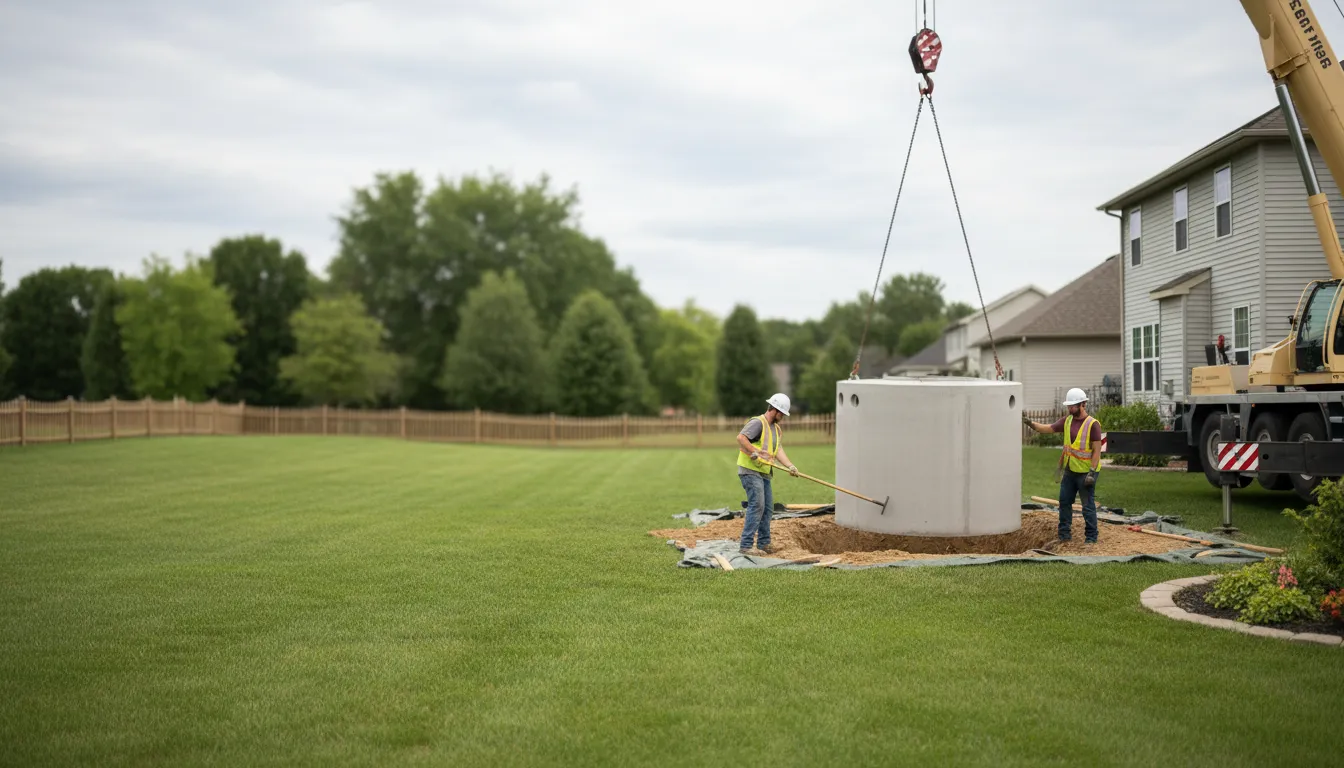
Find the Best Septic Tank Installation & Replacement Contractors for Your Business
No obligation • Fast responses • Nationwide coverage

Why you can trust Septic Spot
Septic Spot is a leading United States resource for understanding and comparing septic services. Our editors review providers using consistent criteria and verify key business details. Listings and scores are independent, and companies cannot pay to influence our content.
Search providers near you
Top Septic Tank Installation & Replacement Contractors in Napa, California Ranked
Installing or replacing a septic system is a significant investment and a critical component of property infrastructure, especially in areas like Napa where connection to a municipal sewer may not be an option. This process involves designing a custom wastewater treatment solution that meets strict local health and environmental standards to protect Napa's unique groundwater and ecosystem. Whether you're building a new home, replacing a failing system, or expanding an existing property, understanding the local requirements and working with qualified professionals is essential for a successful, code-compliant installation.
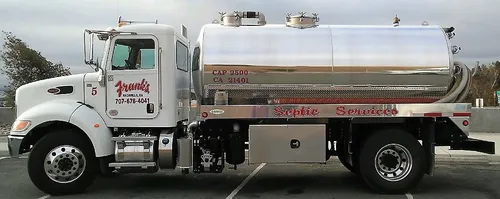
Frank's Septic Service, Inc.
Fairfield, CA
Frank's Septic Service, Inc. is a family-owned and operated company based in Fairfield, CA, providing septic system services since 1949. They offer a range of services including septic tank pumping, inspections, repairs, installations, and trucked waste removal for residential, agricultural, commercial, and municipal clients. Serving areas across Colusa, Solano, and Yolo Counties, including Vacaville, Woodland, and Davis, the company specializes in system upgrades, leach field repairs, and certified inspections. Their fleet includes vacuum tankers with capacities between 5,000 and 6,500 gallons. Frank's Septic Service also provides 24/7 after-hours and emergency support.
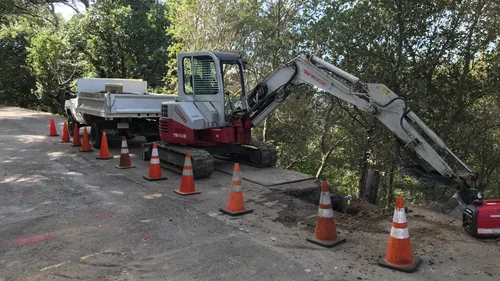
Howie Excavating & Grading
1090 Rubicon Way, Santa Rosa, CA 95401
Howie Excavating & Grading is a contractor based in Santa Rosa, CA, specializing in septic system installation and repair along with a range of excavation and grading services. They offer underground utility installation, drainage design, sewer line repair and replacement, and concrete foundation work. Their capabilities include septic tank installation and septic system repair, serving residential and commercial needs in the Santa Rosa area. The company operates Monday through Saturday and provides a variety of site preparation and construction services.
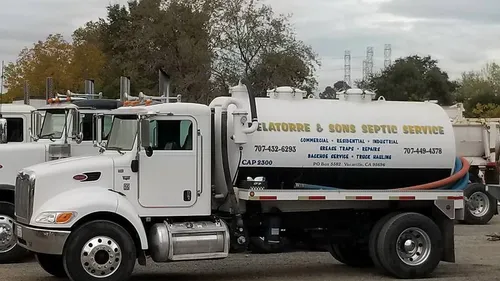
Delatorre Septic and Trucking LLC
7000 Leisure Town Rd, Vacaville, CA 95688
Delatorre Septic and Trucking LLC is a family-owned business providing septic system services in Fairfield, CA, and surrounding areas including Napa, Yolo, and Solano Counties. They offer septic tank pumping, inspection, repair, and installation for both residential and commercial customers. Established in 1992 initially as a trucking company, they have expanded to specialize in septic services and provide 24/7 emergency support. Their trucks can hold up to 2,600 gallons, enabling efficient waste removal for septic systems.
NorCal Superior Systems
Santa Rosa, CA
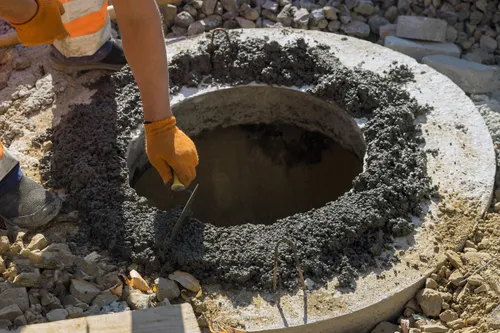
NorCal Superior Systems is a septic tank inspection, repair, and installation company serving Santa Rosa, CA, and the surrounding Napa, Sonoma, and Marin counties. With over 20 years of experience, the company offers services including septic system installations, repairs, hydrojet septic line cleaning, and inspections using advanced technology like borescopes for precise diagnostics. As a licensed, bonded, and insured contractor, NorCal Superior Systems handles both commercial and residential projects with a focus on safety and quality.
Joe's Farmer Septic & Grease Service, INC
Santa Rosa, CA
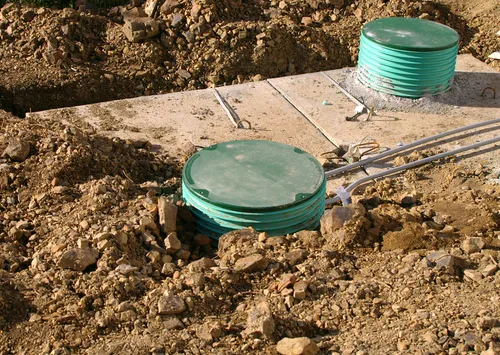
Joe's Farmer Septic & Grease Service, INC provides septic tank installation, inspection, pumping, and repair services in Santa Rosa, CA. They serve both residential and commercial clients, handling all aspects from soil sampling to system installation while managing permits and building code requirements. Their licensed team uses updated equipment to maintain septic systems, ensuring proper wastewater treatment and drainage. The company also offers emergency septic system inspections for urgent issues.
Understanding Napa County's Septic System Regulations
Every new or replacement septic system in Napa County requires a permit from the Environmental Health Division of the Department of Planning, Building & Environmental Services. The county enforces specific Technical Standards that govern the design, construction, and installation of all onsite wastewater treatment systems. These regulations are in place to ensure public health and environmental safety, particularly given Napa's varied terrain and the importance of protecting its watersheds.
A cornerstone of Napa's code is the requirement for a 100% reserve area (also called an expansion or replacement area) 1 2. This means your property must have enough suitable space not only for the initial drainfield but also for an entirely separate, second leachfield of equal size. This area must be preserved and kept clear for potential future use if the primary field fails. Furthermore, significant property changes, such as rebuilding after a fire or adding substantial square footage or bedrooms, can trigger a mandatory requirement to upgrade the entire sewage disposal system to current, more stringent standards 3 2.
The Step-by-Step Installation Process
A successful septic system installation follows a meticulous, multi-stage process designed to verify site suitability and ensure proper construction.
-
Site Evaluation and Soil Testing: This is the foundational step. A qualified professional, such as a geologist or civil engineer, must conduct a detailed site evaluation. A critical component is the soil percolation test (perc test), which measures how quickly water drains through the soil 4. This test must be performed when the soil is in a "dry" state, as mandated by the county, to get accurate results that determine the drainfield's necessary size and design 5 6. The findings from this evaluation dictate whether a conventional system is possible or if an Alternative Sewage Treatment System (ASTS) is required.
-
System Design and Plan Submission: Based on the site evaluation, a licensed professional designs the septic system. This design includes detailed plans for the tank, drainfield, and any necessary pumps or advanced treatment components. These engineered plans are then submitted to the County for an extensive review and approval process before a permit is issued.
-
Permitting: Once the design is approved, the County issues a Sewage Disposal System Permit. It's crucial to note that separate building permits are also required for the associated construction.
-
Construction and Installation: A licensed contractor executes the installation according to the approved plans. In California, septic installers must hold an active Type A (General Engineering), C-42 (Sanitation System), or C-36 (Plumbing) contractor's license 7 8.
-
Required Inspections: The county conducts mandatory inspections at critical phases:
- Open Trench Inspection: Before any piping is placed, an inspector checks the excavated trench for proper depth, soil conditions, and spacing.
- Final Inspection: After the tank is set and all piping is connected but before the system is covered, a final inspection verifies everything is installed correctly 9. Inspections must typically be scheduled at least 48 hours in advance.
Types of Septic Systems Used in Napa
The type of system installed depends entirely on the results of the site evaluation.
- Conventional Systems: These consist of a septic tank and a subsurface trench or bed drainfield. They are the most cost-effective option but are only allowed on properties with suitable soil depth, texture, and percolation rates.
- Alternative Systems (ASTS): Due to Napa's hillside properties, high groundwater, or poor soil conditions, many sites require an engineered alternative system. These can include mound systems, drip irrigation dispersal systems, or systems with additional treatment units like aerobic treatment tanks or sand filters. ASTS designs are more complex and significantly more expensive but are necessary to safely treat wastewater on challenging sites.
Find the perfect septic tank installation & replacement contractors for your needs
Get personalized recommendations and expert advice
Cost Factors for Septic System Installation
The cost of a new septic system in Napa is highly variable and often substantial. It's influenced by system type, property conditions, and design complexity. Breaking down the expenses provides a clearer picture:
- Site Evaluation & Design: Professional site surveys, soil testing, and engineered design plans typically cost between $4,000 and $12,000 combined.
- Permit Fees: County permit and review fees can add approximately $300 to over $1,000 to the project cost.
- Installation Labor and Materials: This is the largest variable. A conventional gravity-fed system might range from $15,000 to $30,000. However, for the specialized alternative systems (ASTS) frequently required in Napa due to terrain and strict codes, total costs often exceed $50,000 10 11. Factors like rocky soil, steep slopes, or the need for advanced treatment components can drive prices even higher.
Working with Licensed Professionals
Given the regulatory and technical complexity, choosing the right team is paramount. Always verify that your installer holds one of the required California contractor licenses mentioned earlier. Your project will also involve a civil engineer or geologist for the site design and a county environmental health specialist throughout the permitting and inspection process. It's advisable to get multiple detailed quotes that break down all costs-from design to final inspection-before committing to a contractor.
Maintenance and Long-Term Considerations
A new system is a long-term asset. Protecting your investment starts with understanding and preserving the 100% reserve area-this space cannot be built upon, paved over, or heavily landscaped. Regular maintenance, including periodic tank pumping and avoiding harmful chemicals and non-biodegradable materials, is essential to extend the life of the drainfield. Keeping detailed records of the "as-built" system diagram, permits, and maintenance history is crucial for future property transactions and any necessary repairs 12 13.
Frequently asked questions
Sources
Footnotes
-
design, construction, and installation of alternative sewage ... - https://www.napacounty.gov/DocumentCenter/View/3940/ASTS-Standards-PDF ↩
-
Septic requirements - Napa County - https://www.napacounty.gov/DocumentCenter/View/7894/Septic-requirements---important-items?bidId= ↩ ↩2
-
ENVIRONMENTAL HEALTH DIVISION BUILDING PERMIT ... - https://www.napacounty.gov/DocumentCenter/View/3941/Building-Permit-Requirements-Well-Septic-2025?bidId= ↩
-
NAPA COUNTY ONSITE WASTEWATER TREATMENT SYSTEMS ... - https://d2l2jhoszs7d12.cloudfront.net/state/CA/Counties/Napa%20County/Planning,%20Building%20&%20Environmental%20Services/httpswww.countyofnapa.org/Forms/Final%20Draft%20Technical%20Standards%20January2016%20%28AB%20885%29%20%28PDF%29.pdf ↩
-
Percolation Test Requirements | Kern County, CA - https://www.kernpublichealth.com/permitting-compliance/waste/septic-systems/percolation-test-requirements ↩
-
How to INSTALL your Own SEPTIC SYSTEM (w Tips From a Pro) - https://www.youtube.com/watch?v=oAsd7ScjGcs ↩
-
private sewage disposal systems - https://www.waterboards.ca.gov/water_issues/programs/owts/docs/appdxk_ch7ta1401.pdf ↩
-
California Septic Tank Requirements | Onsite Wastewater Treatment Systems - https://www.ntotank.com/blog/california-septic-tank-requirements ↩
-
Building a New Home in Riverside County? Septic System Installation Guide - https://www.lanikseptic.com/septic-system-installation-guide/ ↩
-
Septic systems in Sonoma County: costs explained - https://www.modernlivingsonoma.com/2022/09/26/a-guide-to-septic-systems-in-sonoma-county/ ↩
-
Septic Tank Replacement and Drain Field Cost in California - https://www.lanikseptic.com/how-much-does-it-cost-to-replace-a-septic-tank-and-drain-field-in-california/ ↩
-
What are Septic Perc Rates, Septic Layouts and Septic Asbuilts? - https://freemansconstruction.com/what-are-septic-perc-rates-septic-layouts-septic-asbuilts/ ↩
-
Installing a septic system - ONSITE - http://www.onsite-engineering.us/replacing-a-septic-system ↩