Find the Best Septic Tank Installation & Replacement Contractors for Your Business
No obligation • Fast responses • Nationwide coverage

Why you can trust Septic Spot
Septic Spot is a leading United States resource for understanding and comparing septic services. Our editors review providers using consistent criteria and verify key business details. Listings and scores are independent, and companies cannot pay to influence our content.
Search providers near you
Top Septic Tank Installation & Replacement Contractors in Norwalk, California Ranked
Installing or replacing a septic system is a significant home improvement project that ensures the safe and efficient treatment of household wastewater. In Norwalk, this process is governed by specific local and county regulations designed to protect public health and the environment. This guide explains the key steps, requirements, and considerations for septic system work in Norwalk, helping you understand what to expect and how to connect with qualified local professionals for your project.
GMP Septic And Sewer
20 Surrey Ln, Rancho Palos Verdes, CA 90275
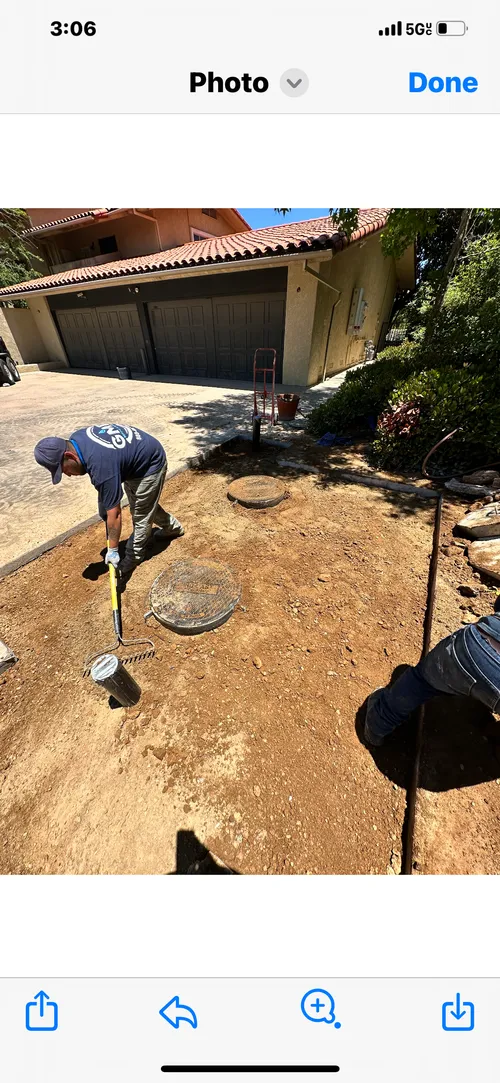
GMP Septic And Sewer provides a full range of septic services in Los Angeles, CA, including septic tank pumping, cleaning, inspections, repairs, installations, and system upgrades. They handle new construction, remodels, and replacements, ensuring systems are tailored to property needs. The company offers 24/7 emergency services for urgent septic system repairs. Their expertise covers diagnosing leaks, replacing damaged components, and maintaining system performance through regular maintenance and thorough inspections.
Just Sewers, INC
Los Angeles, CA
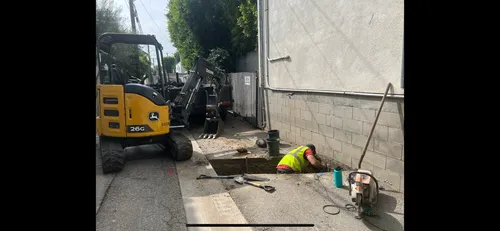
Just Sewers, INC is a sewer and septic service provider based in Los Angeles, CA. They offer a wide range of services including septic tank pumping, inspection, and installation, as well as sewer line cleaning, repair, replacement, and trenchless sewer solutions. Serving Los Angeles and surrounding communities such as Pasadena, Hollywood, Beverly Hills, and Santa Monica, they utilize advanced tools like video inspections and hydro jetting to address plumbing issues efficiently. The company operates 24/7 to handle emergencies and routine maintenance, helping to prevent costly backups and system failures.
Dreyfuss Grading
Oceanside, CA
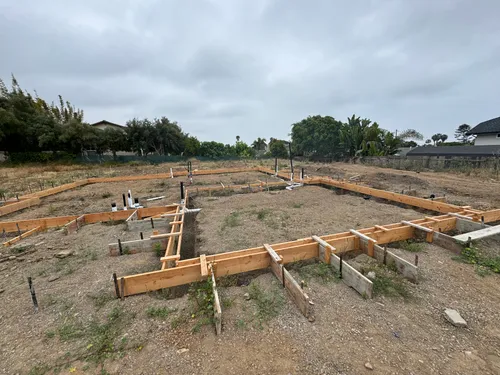
Dreyfuss Grading is a construction company based in Oceanside, CA, offering a wide range of services including septic system installation, grading, excavation, concrete foundations, and public works projects. They serve residential, commercial, and municipal clients throughout the San Diego area. The company uses advanced technology such as 3D GPS for precise site preparation and specializes in earthmoving, trenching, and foundation digging. Their expertise also extends to retaining walls, utility line installation, and ADU construction. Dreyfuss Grading emphasizes transparent communication and competitive rates in their work.
Carter Sanitation Sewer & Septic
4266 Elton St, Baldwin Park, CA 91706
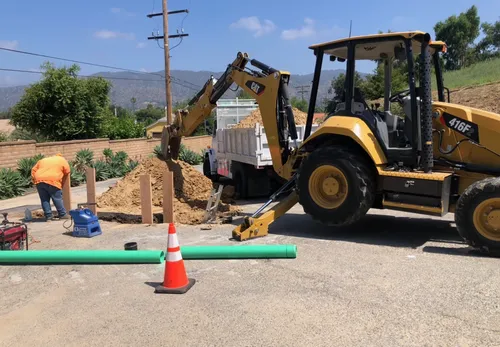
Carter Sanitation Sewer & Septic provides septic and sewer services in Los Angeles, CA, with a focus on the San Gabriel Valley. The company offers septic system installation, pumping, repair, sewer line services, trenchless sewer solutions, street excavation, and drain cleaning for residential, commercial, industrial, and municipal properties. Established in 1969, Carter Sanitation brings over 50 years of experience to its work, emphasizing environmental responsibility and customer satisfaction.
Peninsula Septic Service
Long Beach, CA
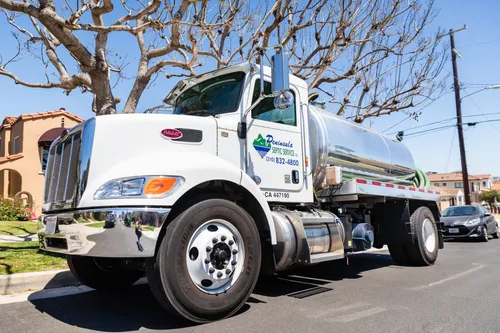
Peninsula Septic Service is a local, family-owned company serving Long Beach, CA, and the surrounding South Bay area. With over 30 years of experience, they specialize in septic system repair, maintenance, and installation for both residential and commercial properties. Their team includes NAWT-certified and California on-site wastewater-certified professionals who handle jobs of any scale. Peninsula Septic Service offers 24/7 emergency services, responding within two hours, and provides multi-tank and commercial discounts.
Understanding Local Regulations and Permits
In Norwalk, all septic system installations and replacements are regulated by the Los Angeles County Department of Environmental Health and the Norwalk Water Pollution Control Authority (WPCA). You cannot begin any excavation or construction without first obtaining the necessary permits. The permit process is designed to ensure your system is designed correctly for your specific property's conditions and complies with all state and local codes.
The first official step is a site evaluation, which must be conducted by a licensed professional such as a geologist, engineer, or qualified soil scientist. This evaluation assesses critical factors like soil type, slope, and the depth to groundwater. The findings from this evaluation directly inform the engineered design of your septic system. The complete permit application, including the site evaluation report and system design plans, typically takes 60 to 90 days for agency review and approval 1.
The Critical Role of Soil Testing
A cornerstone of the site evaluation is the soil percolation test (often called a "perc test"). This test is mandatory and determines your soil's ability to absorb and filter treated wastewater in the drain field 2.
- Procedure: Test holes are drilled, then pre-soaked for at least 24 hours to simulate saturated conditions. The rate at which water drops in the holes is then measured.
- Passing Rate: For a conventional system to be approved, the percolation rate usually must fall between 1 and 12 inches per hour 3 4.
- Cost: The price for a professional perc test can range from $300 to $3,000, depending on the property's size, accessibility, and soil complexity 5.
Failing a perc test doesn't necessarily mean you can't build; it may require an alternative, engineered system design, which can be more complex and costly.
The Step-by-Step Installation Process
A successful septic system project follows a clear sequence from planning to final approval.
- Professional Consultation & Site Evaluation: A licensed contractor assesses your property, conducts soil tests, and discusses your household's needs.
- System Design & Permit Submission: An engineered plan is created, specifying tank size, drain field layout, and all components. This plan is submitted with your permit application to the Norwalk WPCA and LA County 6 7.
- Approval & Scheduling: Once permits are issued (after the 60-90 day review), your installer can schedule the excavation and construction.
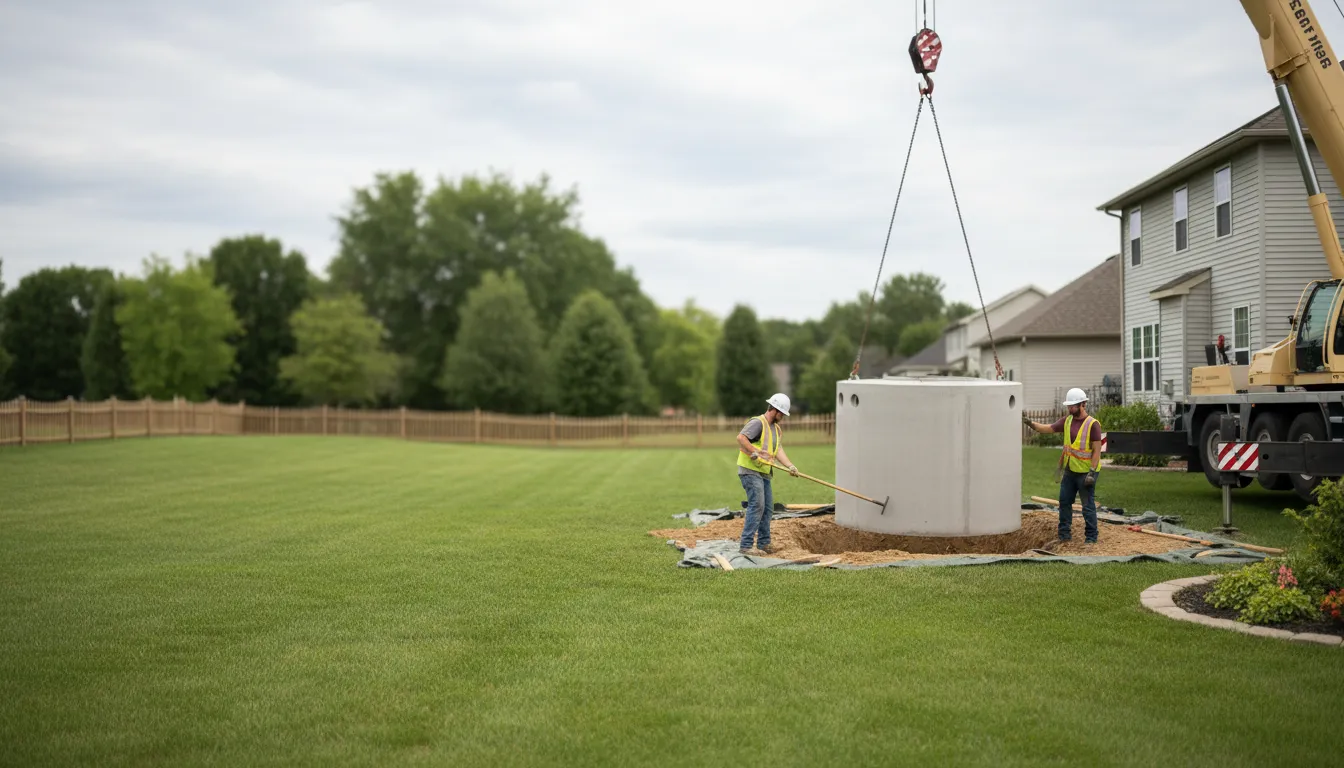
- Excavation & Tank Placement: The area is excavated according to the plan. The septic tank is carefully set in place, ensuring proper leveling and orientation of inlet/outlet pipes.
- Drain Field Construction: Trenches are dug for the leach field, lined with gravel, and perforated pipes are laid to distribute effluent. This area is then covered with more gravel and soil.
- Final Inspection & Backfill: A county inspector visits the site to verify the installation matches the approved plans, checking tank placement, pipe connections, and overall integrity 8. Only after passing this inspection can the system be fully backfilled and the site restored.
Cost Considerations for Norwalk Homeowners
The total investment for a new septic system or a full system replacement in Norwalk varies widely based on soil conditions, system type, and property size. For a standard residential septic system installation, homeowners can expect costs typically ranging from $8,000 to $20,000 or more 9 10.
This estimate generally includes:
- Permit and plan review fees
- Professional site evaluation and percolation testing
- The septic tank itself
- All materials for the drain field (gravel, pipe, etc.)
- Excavation, labor, and installation
- Final inspection and site restoration
It's important to note that replacing an old, failing system often involves additional costs for safely pumping out and disposing of the contents of the old tank, removing the tank itself, and potentially upgrading the entire system to meet current codes, which may be more stringent than when the original system was installed.
Find the perfect septic tank installation & replacement contractors for your needs
Get personalized recommendations and expert advice
Choosing the Right System for Your Property
Not all septic systems are the same. The type of system your property can support depends entirely on the results of the site evaluation.
- Conventional Gravity Systems: The most common and least expensive type, used when soil conditions are ideal (good percolation, deep groundwater).
- Pump Systems: Required if the drain field is at a higher elevation than the septic tank, using a pump to move effluent uphill.
- Engineered or Alternative Systems: Necessary for challenging sites with high groundwater, poor soil, or limited space. These systems include advanced treatment components and require more detailed maintenance.
Your licensed installer will recommend the appropriate system type based on the regulatory requirements for your specific lot.
Maintenance Starts at Installation
A properly installed system is the foundation for long-term performance and minimal repairs. Key installation factors that affect future maintenance include:
- Accurate Tank Placement: Ensuring easy access for future pumping every 3-5 years.
- Protecting the Drain Field: Keeping heavy vehicles, structures, and deep-rooted plants away from the leach field area.
- Clear Records: Keeping a detailed "as-built" diagram of your system's layout for future reference.
Investing in a quality installation by a reputable professional is the best way to avoid premature system failure and costly emergency repairs down the line.
Frequently asked questions
Sources
Footnotes
-
Septic System Install Timeline | RCI Septic Service - https://www.rciseptic.com/complete-step-by-step-timeline-septic-system-installation-from-permit-to-finish ↩
-
Septic System Installation Checklist - https://www.mecindustries.com/morse-engineering-and-construction-industries/septic-system-installation-checklist ↩
-
The Californian's Guide To Septic Tanks - https://cacciaplumbing.com/blog/california-septic-tank-guide/ ↩
-
Site Evaluation and Testing Procedures - https://scceh.com/Portals/6/Env_Health/LAMP/AppFSITEEvalandTestingProcedures.pdf ↩
-
How Much Does a Septic Soil Test Cost in 2026? - Land Perc - https://landperc.com/septic-soil-test-cost/ ↩
-
California Septic Tank Requirements | Onsite Wastewater ... - https://www.ntotank.com/blog/california-septic-tank-requirements ↩
-
Permits and Plan Reviews - WPCA Norwalk - https://www.norwalkwpca.org/business-resources/permits-and-plan-reviews/ ↩
-
Septic Tank Installation Process: A Step-by-Step Guide - https://tidytanksepticservice.com/blog/understanding-the-septic-tank-installation-process/ ↩
-
Septic Repair Cost in California: Complete Breakdown of Pricing ... - https://www.lanikseptic.com/septic-repair-cost/ ↩
-
Septic Tank Replacement and Drain Field Cost in California - https://www.lanikseptic.com/how-much-does-it-cost-to-replace-a-septic-tank-and-drain-field-in-california/ ↩