
Find the Best Septic Tank Installation & Replacement Contractors for Your Business
No obligation • Fast responses • Nationwide coverage

Why you can trust Septic Spot
Septic Spot is a leading United States resource for understanding and comparing septic services. Our editors review providers using consistent criteria and verify key business details. Listings and scores are independent, and companies cannot pay to influence our content.
Search providers near you
Top Septic Tank Installation & Replacement Contractors in Oakley, California Ranked
Installing or replacing a septic system is a significant investment in your property's long-term functionality and environmental health. For homeowners in Oakley, this process is governed by specific state and county regulations designed to protect local groundwater and ensure system reliability. This guide explains the key steps, requirements, and considerations for septic tank installation and system replacement in Oakley, helping you understand the process and connect with qualified local professionals.
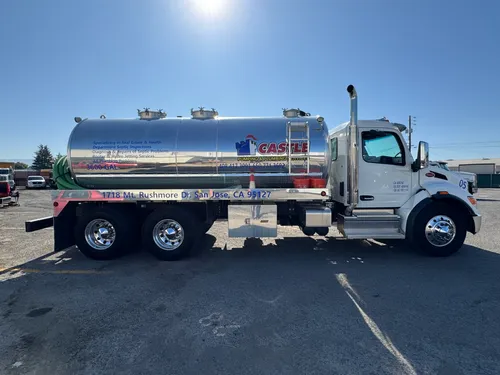
Castle Pumping and Plumbing Services
San Jose, CA
Castle Pumping and Plumbing Services is a locally owned company based in San Jose, CA, offering comprehensive septic system services including pumping, inspections, repairs, and installations. With over 32 years of experience, they serve residential and commercial properties in the San Jose area. Their expertise includes locating septic tanks, performing detailed inspections of tank components, and specialized outflow line exploration to diagnose backups without unnecessary replacements. The company uses advanced equipment and techniques to maintain and repair septic systems, ensuring long-lasting functionality.
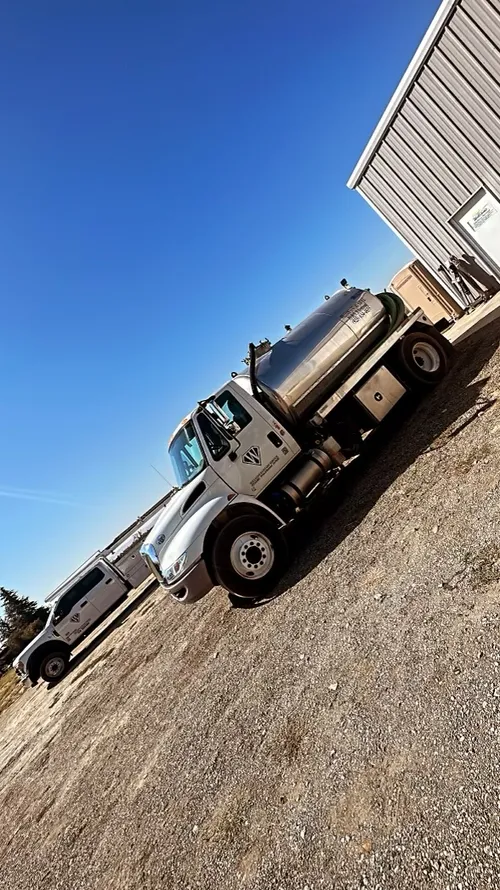
Williams Sanitary Service Inc
Oakland, CA
Williams Sanitary Service Inc is a family-owned septic system company serving Oakland, CA, and surrounding areas since 1950. They provide a full range of septic services including pumping, inspection, repair, and installation for both residential and commercial clients. The company also offers general plumbing services such as drain cleaning and water heater repair. Williams Sanitary Service Inc is equipped to handle all sizes of septic jobs across Contra Costa and Alameda Counties and offers 24/7 service availability.
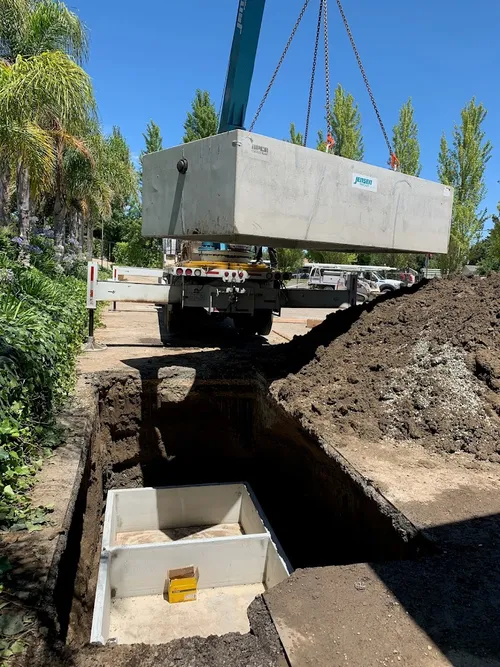
Central Valley Septic Backhoe & Drilling
3746 Fourteen Mile Dr, Stockton, CA 95219
Central Valley Septic Backhoe & Drilling is a septic system contractor serving Stockton, CA, and the surrounding Northern California region. Established in 1992, the company provides residential and commercial septic services including tank installation, pumping, inspection, system repair, and leach line repair. They also offer foundation drilling and backhoe services for various construction needs. Their expertise includes designing and installing septic systems that comply with San Joaquin and Sacramento county codes as well as California state regulations.
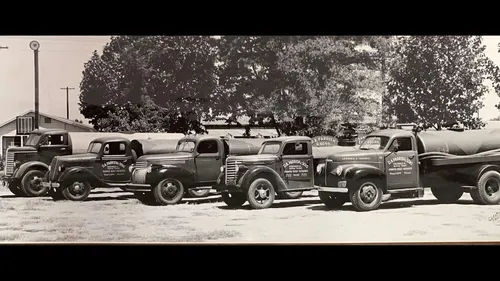
Parrish & Sons Inc
4698 Waterloo Rd, Stockton, CA 95215
Parrish & Sons Inc is a full-service septic and construction company based in Stockton, CA, serving San Joaquin and Sacramento Counties. They offer septic system pumping, installation, repair, and maintenance along with foundation drilling, backhoe services, and leach line repair. With over 80 years of experience since 1942, they provide expert solutions for residential and commercial septic needs, including soil testing and site preparation to ensure system efficiency and durability.
Understanding Local Regulations and Permits
In Oakley, all new septic system installations and full system replacements require a permit from Contra Costa County Environmental Health. This agency enforces California's statewide Onsite Wastewater Treatment Systems (OWTS) policy. You cannot begin any construction without this approval. The permit process ensures your proposed system is designed correctly for your specific property's conditions, safeguarding public health and the environment. The first step is always to contact the county to understand the application requirements and any site-specific rules that may apply 1.
The Critical Site Evaluation
Before a permit can be issued, a thorough site evaluation must be conducted by a qualified professional, such as a licensed geotechnical engineer or geologist. This evaluation assesses the suitability of your property for a conventional septic drain field. Key factors examined include soil type, depth to groundwater, slope of the land, and the available area for the leach field 2 3. The findings from this evaluation directly inform the system's design. In some areas of California, regulations now require dual leach fields (a 100% replacement area) for new installations to ensure long-term functionality and a backup absorption area 4.
Percolation Testing: Measuring Soil Absorption
A central part of the site evaluation is the percolation (or "perc") test. This test, performed by a licensed professional, measures how quickly water drains through your soil. In California, a minimum of two test holes is typically required, with multiple tests performed in each hole 5. These tests must occur within 35 feet of the proposed leach field location. The results determine the soil's absorption rate; slow rates indicate low permeability, which may necessitate a larger, more expensive leach field or even a more complex engineered system to handle the wastewater 5.
Designing Your Septic System
Once the site evaluation and perc tests are complete, a detailed system design must be created and submitted for approval. This design includes the layout and specifications for the septic tank and the leach field. The tank size (typically 1,000 to 1,500 gallons for a standard home) and material (common options are concrete or fiberglass) will be specified. The design must comply with all setbacks from wells, property lines, waterways, and structures as dictated by Contra Costa County and state law 6. An approved design is your blueprint for installation and is required for the construction permit.
The Installation Process and Inspections
Installation should only be performed by a licensed septic contractor. The process involves excavating for the tank and trenches for the leach field, placing the tank and distribution lines, and backfilling with suitable material. Crucially, the work must be inspected at multiple stages by the county:
- Site Inspection: County specialists may inspect the property's topography and soil conditions.
- Percolation Test Inspection: An inspector may witness the soil absorption testing.
- Construction Inspection: Before the tank and leach lines are covered, a final inspection verifies that the installation matches the approved design and uses proper materials.
Passing these inspections is mandatory for the system to be approved for use.
Find the perfect septic tank installation & replacement contractors for your needs
Get personalized recommendations and expert advice
Cost Factors for Installation and Replacement
The cost of a new septic tank installation or complete system replacement in California can vary widely. Typical ranges for a standard residential system are between $3,000 and $10,000 or more 7. Several key factors influence the final price:
- System Size and Complexity: A larger home requiring a larger tank and drain field will cost more. Non-standard, engineered systems (needed for poor soil conditions) are significantly more expensive.
- Tank Material: Concrete tanks are common and durable, while fiberglass tanks are lighter and may be easier to install in some situations.
- Soil Conditions: Difficult soil or a high water table that requires extensive grading, additional gravel, or a pumped system will increase costs.
- Permit Fees: County permit fees can be a substantial upfront cost.
- Excavation and Labor: Accessibility of the site and local labor rates affect the price.
For a septic tank replacement where only the tank is swapped out (and the existing drain field is still functional), costs may be lower, but a permit is still required 8.
Choosing a Licensed Contractor in Oakley
Selecting the right professional is critical. Always verify that a contractor holds a valid C-42 (Sanitation System) license issued by the California Contractors State License Board 9. They should be intimately familiar with Contra Costa County's specific requirements and inspection processes. Ask for references from recent projects in the area and request detailed, written estimates that break down costs for design, permitting, materials, labor, and county fees. A reputable contractor will handle the permit application and coordinate all necessary inspections.
Maintaining Your New System
After a successful installation, proper maintenance is key to longevity. This includes having the tank pumped regularly (typically every 3-5 years), conserving water to avoid overloading the system, and avoiding flushing harmful chemicals or non-biodegradable materials. Protect your investment by never driving or building over the tank or drain field. Keeping detailed records of inspections, pumping, and any repairs will be valuable for future maintenance and if you ever sell your property 10.
Frequently asked questions
Sources
Footnotes
-
Geotechnical and Percolation Soil Testing in California - https://alluvialsoillab.com/pages/geotechnical ↩
-
The SoCal Guide to Septic Tank Installation - https://www.lanikseptic.com/socal-guide-septic-tank-installation/ ↩
-
California Septic Tank Requirements | Onsite Wastewater ... - https://www.ntotank.com/blog/california-septic-tank-requirements ↩
-
res_79-5.pdf - California State Water Resources Control Board - https://www.waterboards.ca.gov/rwqcb2/water_issues/programs/planningtmdls/basinplan/web/res/res_79-5.pdf ↩
-
Percolation Test Requirements | Kern County, CA - https://www.kernpublichealth.com/permitting-compliance/waste/septic-systems/percolation-test-requirements ↩ ↩2
-
The Californian's Guide To Septic Tanks - https://cacciaplumbing.com/blog/california-septic-tank-guide/ ↩
-
Septic Tank Replacement and Drain Field Cost in California - https://www.lanikseptic.com/how-much-does-it-cost-to-replace-a-septic-tank-and-drain-field-in-california/ ↩
-
Kentucky Septic Tank Requirements | Complete Overview Guide - https://www.ntotank.com/blog/kentucky-septic-tank-requirements ↩
-
California Septic License & Certification | 2024 Contractor Guide - https://www.servicetitan.com/licensing/septic/california ↩
-
Homeowner's Guide to Septic Systems - El Dorado County - https://www.eldoradocounty.ca.gov/files/assets/county/v/1/documents/government/environmental-management/environmental-management/septic-documents/epa_homeowner_septic_guide.pdf ↩