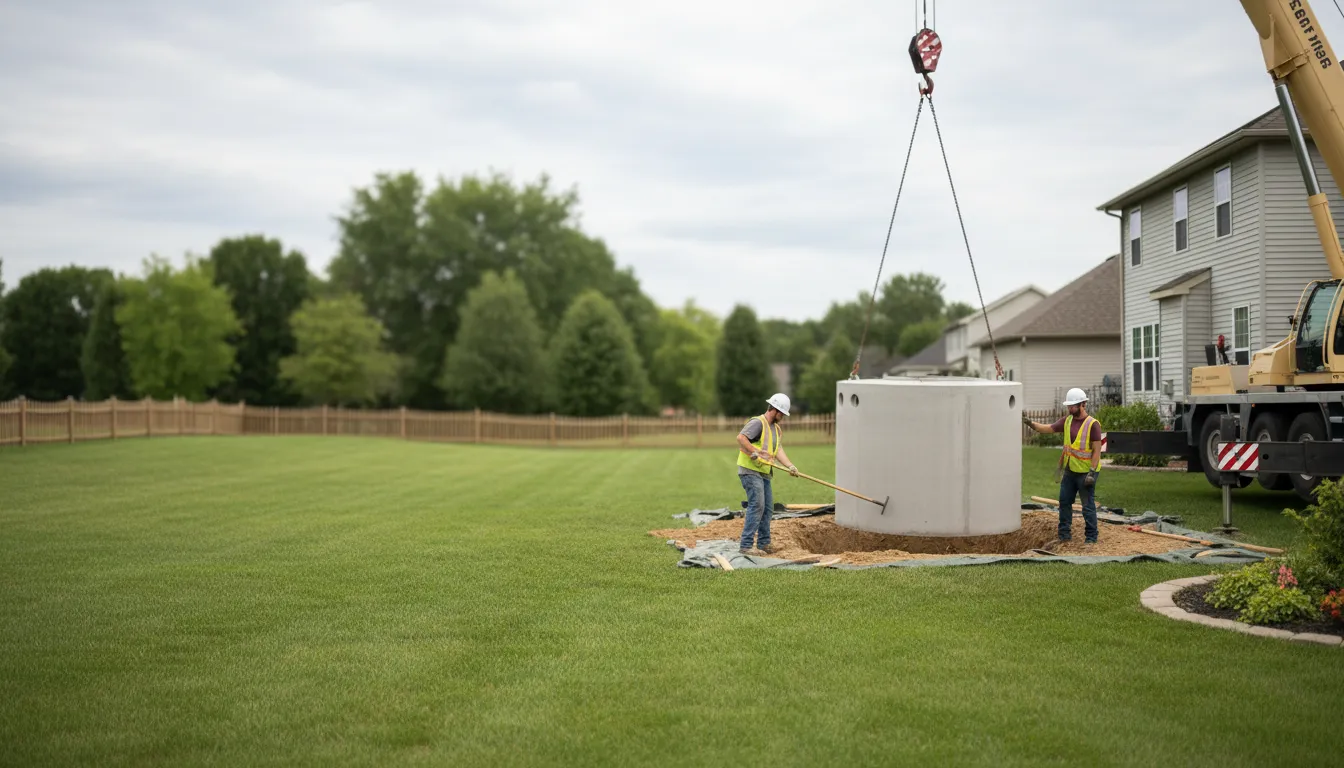
Find the Best Septic Tank Installation & Replacement Contractors for Your Business
No obligation • Fast responses • Nationwide coverage

Why you can trust Septic Spot
Septic Spot is a leading United States resource for understanding and comparing septic services. Our editors review providers using consistent criteria and verify key business details. Listings and scores are independent, and companies cannot pay to influence our content.
Search providers near you
Top Septic Tank Installation & Replacement Contractors in Palo Alto, California Ranked
Installing or replacing a septic system is a significant home infrastructure project that requires careful planning and adherence to strict local regulations. For Palo Alto homeowners, this process is governed by the Santa Clara County Department of Environmental Health to protect public health and local groundwater. This guide explains the key steps, regulations, and considerations for septic system installation and septic tank replacement in Palo Alto, helping you navigate the permitting, design, and inspection process to ensure a compliant and functional onsite wastewater treatment system.
Wade's Plumbing & Septic
San Jose, CA
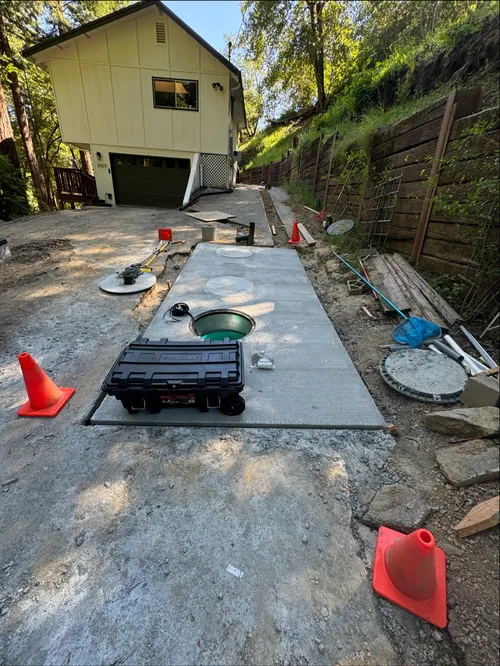
Wade's Plumbing & Septic is a family-owned company serving San Jose, CA, and licensed in California and Georgia. They specialize in septic tank pumping, inspection, repair, and installation, with a focus on enhanced treatment systems designed for challenging sites such as steep slopes, limited space, and environmentally sensitive areas. Their services include plumbing repairs and preventative maintenance, delivered by licensed professionals since 2021. Wade's offers upfront flat-rate pricing and emphasizes honest recommendations without upselling. They operate during regular business hours on weekdays.
PICHANGA PUMPING SERVICE LLC
901 N Rengstorff Ave, Mountain View, CA 94043
PICHANGA PUMPING SERVICE LLC is a family-owned business with over 10 years of experience, serving San Jose, CA. They provide septic tank pumping, inspection, repair, and installation services. The company uses specialized equipment for camera inspections and locating issues within pipes and sewer lines. They also offer restroom rentals. Pichanga Pumping Service provides after-hours and emergency services for added convenience.
The Honey Bucket Man
6116 CA-9 # D, Felton, CA 95018
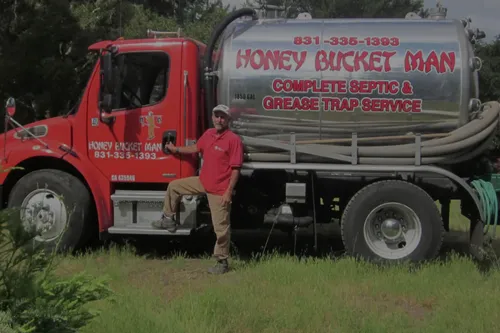
The Honey Bucket Man is a septic service provider located in San Jose, CA. They offer septic system cleaning, minor repairs, tank locating and uncovering, real estate inspections, and installation of new lids. Their services cover a range of septic system needs, including troubleshooting common problems to maintain system function.
Understanding the Regulatory Landscape in Santa Clara County
All work related to septic systems in Palo Alto falls under the oversight of the Santa Clara County Department of Environmental Health (DEH). The county operates under a State-approved Local Agency Management Plan (LAMP), which outlines the specific rules for Onsite Wastewater Treatment Systems (OWTS) 1. The primary goal of these regulations is to ensure that wastewater is treated effectively without contaminating groundwater or creating a public health nuisance.
Before any shovel hits the ground, you must secure the proper permits. The approval process is not merely a formality; it is a structured review to confirm your property and proposed system design meet all current environmental and safety standards. For replacement projects, the new system must comply with modern codes to the "maximum extent feasible," which often means upgrading an older, possibly failing system to current requirements.
The Critical First Step: Site Evaluation and Soil Testing
The cornerstone of any new septic installation is a thorough site evaluation. This is a mandatory step before the County will issue a permit and involves assessing your property's specific characteristics 2.
- Topography and Setbacks: The evaluator will map the slope of your land and identify required setbacks from wells, property lines, buildings, streams, and other sensitive areas. These setbacks are non-negotiable and dictate where the tank and leach field can be placed.
- Soil Evaluation and Percolation Test: Perhaps the most crucial part of the evaluation is analyzing the soil's ability to absorb and treat effluent. A percolation (or "perc") test measures how quickly water drains through the soil in a prepared hole. In California, suitable soils typically have a percolation rate between 1 and 12 inches per hour 3 4. The results of this test directly determine the size and design of the necessary leach field-slower-draining soils require a larger field to handle the same amount of wastewater 5.
This initial evaluation will reveal your property's constraints and possibilities, forming the basis for the engineered system design.
Designing Your Septic System: Conventional vs. Alternative
With the site evaluation data in hand, a qualified engineer or designer can create the system plans for permit submission. The design must specify every component:
- Tank Size and Type: Tank capacity (e.g., 1,000, 1,250, or 1,500 gallons) is calculated based on the number of bedrooms in the home 6. Tanks are typically made of concrete, fiberglass, or polyethylene.
- Dispersal Field Design: This is the leach field or drain field. Its size and layout are engineered from the perc test results and must provide adequate soil treatment. The design will specify the type of system, which is largely determined by your site's conditions.
Most properties with suitable soil and sufficient space will use a conventional gravity-fed system. However, lots with high groundwater, poor soil, or limited space may require an alternative (or advanced) treatment system. These systems use additional mechanical or treatment components to pre-treat wastewater before dispersal, allowing for installation in more challenging sites but at a higher cost.
Navigating Permits, Inspections, and Installation
Once your design is approved and the permit is issued (with fees that can range from approximately $320 to $1,880 ), the physical installation can begin. The County requires specific inspections at critical phases to ensure the work matches the approved plans:
- Open Trench Inspection: Before the leach field trenches are backfilled, an inspector must approve the excavation depth, the placement of gravel, and the distribution piping.
- Tank Placement Inspection: The septic tank must be inspected after it is set in the ground and connected to the inlet and outlet pipes to ensure it is level, watertight, and properly configured.
- Final Inspection: After all components are installed and the site is graded, a final inspection leads to operational approval of the system 7.
Failing an inspection can lead to costly rework, so it's essential your installer understands and follows the approved plans precisely.
Find the perfect septic tank installation & replacement contractors for your needs
Get personalized recommendations and expert advice
Understanding the Costs of Septic System Projects
The total investment for a new septic tank installation or complete system replacement in Palo Alto varies dramatically. While a basic gravity system for a favorable site might start in the range of $10,000 to $20,000, complex projects with difficult soils, advanced treatment components, or significant landscaping repairs can easily exceed $40,000 8 9.
Key factors influencing cost include:
- Site Conditions: Poor soil, high groundwater, or a steep slope require more complex engineering and construction.
- System Type and Size: A larger home needs a larger tank and field. Alternative systems are more expensive than conventional ones.
- Excavation and Access: Difficult site access or rocky soil increases excavation costs.
- Permitting and Design: Professional design services and permit fees are a fixed part of the project cost.
- Restoration: After installation, the yard must be regraded and landscaped, which adds to the total.
It's crucial to get detailed, site-specific estimates from licensed and experienced septic contractors who are familiar with Santa Clara County's DEH requirements.
Maintaining Your New Septic System
After the significant investment of installation, protecting it through proper maintenance is key. A well-maintained system can last for decades. Essential maintenance includes:
- Regular Pumping: Have the tank pumped by a professional typically every 3-5 years, depending on usage and tank size.
- Water Conservation: Reducing overall water flow into the system extends its life and improves treatment.
- Mindful Flushing: Only human waste and toilet paper should go down the drain. Avoid chemicals, grease, wipes, and other solids that can clog or damage the system.
- Protect the Drain Field: Never drive or park over the leach field, and keep rainwater drainage systems directed away from it.
Proper care prevents premature failure, avoids environmental contamination, and saves you from the high cost of an early replacement.
Frequently asked questions
Sources
Footnotes
-
Local Agency Management Plan For Onsite Wastewater ... - http://www.waterboards.ca.gov/sanfranciscobay/board_info/agendas/2016/January/SantaClaraOWTS/SCC_OWTS_D_LAMP_8-29-2014.pdf ↩
-
The Californian's Guide To Septic Tanks - https://cacciaplumbing.com/blog/california-septic-tank-guide/ ↩
-
How to Know if You Need a Septic System Permit - Pippin Home Designs - https://www.pippinhomedesigns.com/septic-system-permit/ ↩
-
Perc Test for Septic System: A Complete Guide - https://landperc.com/perc-test-for-septic-system/ ↩
-
Septic Perc - A Real Estate Industry Misconception - https://www.bcengineeringgroup.com/blog/septic-perc-a-real-estate-industry-misconception ↩
-
What Size Septic Tank Do I Need - https://www.ntotank.com/blog/what-size-septic-tank-do-i-need ↩
-
Onsite Wastewater Treatment Systems (OWTS) | Mono County California - https://www.monohealth.com/environmental-health/page/onsite-wastewater-treatment-systems-owts ↩
-
California Septic Tank Requirements | Onsite Wastewater Treatment Systems - https://www.ntotank.com/blog/california-septic-tank-requirements ↩
-
Breaking down expenses: How much does a septic system cost? - https://point.com/blog/how-much-does-a-septic-system-cost ↩