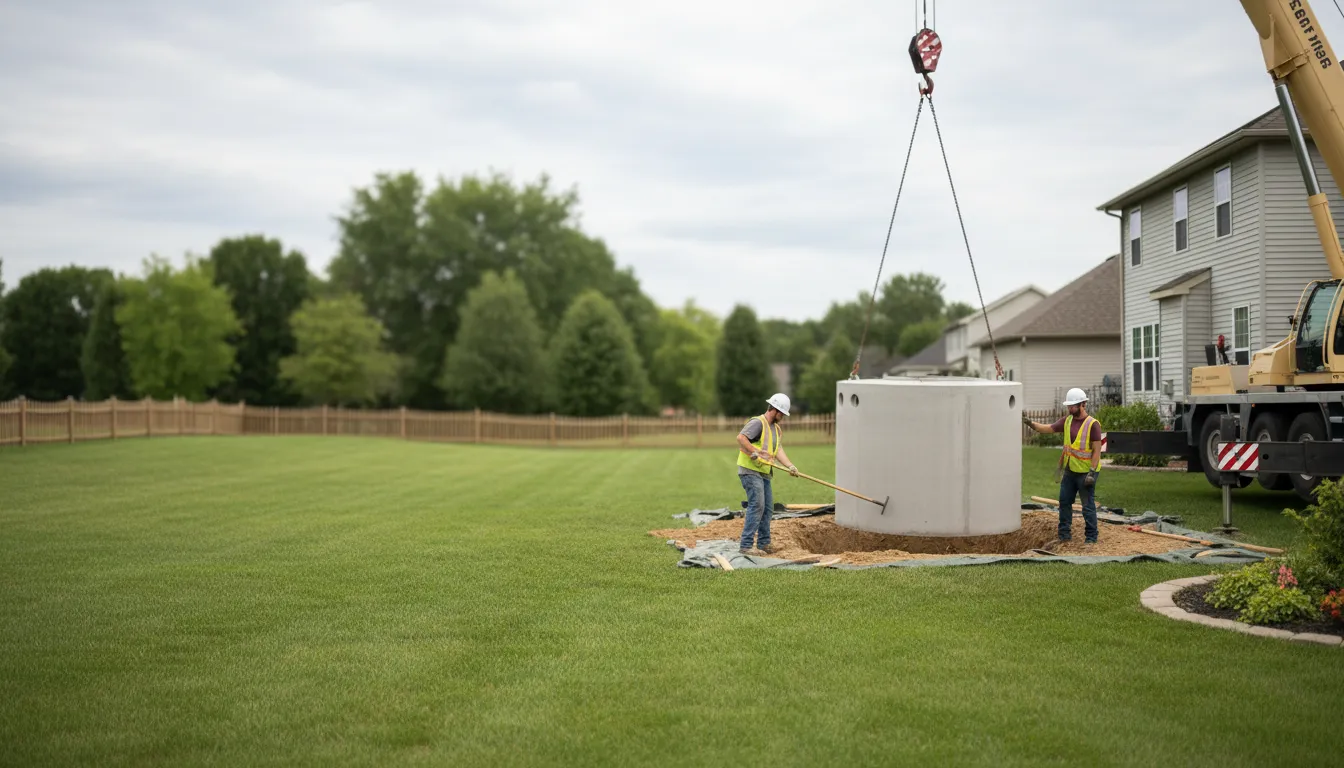
Find the Best Septic Tank Installation & Replacement Contractors for Your Business
No obligation • Fast responses • Nationwide coverage

Why you can trust Septic Spot
Septic Spot is a leading United States resource for understanding and comparing septic services. Our editors review providers using consistent criteria and verify key business details. Listings and scores are independent, and companies cannot pay to influence our content.
Search providers near you
Top Septic Tank Installation & Replacement Contractors in Petaluma, California Ranked
Installing or replacing a septic system is a significant project that requires careful planning and adherence to strict local regulations. For Petaluma homeowners, this process is governed by Sonoma County's specific wastewater rules and managed through Permit Sonoma. This guide explains the key steps, costs, and requirements for septic system installation and replacement in the area, helping you understand what to expect and how to find qualified local professionals to manage your project.
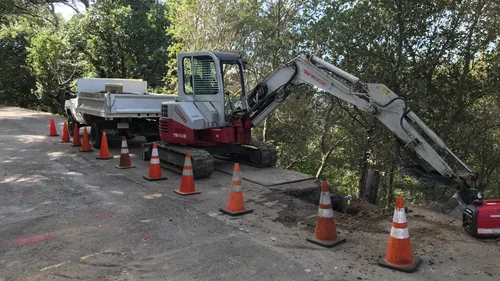
Howie Excavating & Grading
1090 Rubicon Way, Santa Rosa, CA 95401
Howie Excavating & Grading is a contractor based in Santa Rosa, CA, specializing in septic system installation and repair along with a range of excavation and grading services. They offer underground utility installation, drainage design, sewer line repair and replacement, and concrete foundation work. Their capabilities include septic tank installation and septic system repair, serving residential and commercial needs in the Santa Rosa area. The company operates Monday through Saturday and provides a variety of site preparation and construction services.
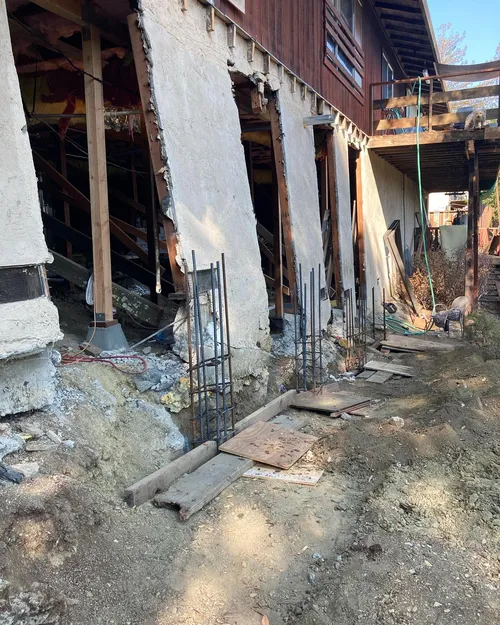
Howie Excavating & Grading
49 Ridgewood Dr, San Rafael, CA 94901
Howie Excavating & Grading is a septic system repair and installation company serving Oakland, CA. They offer a range of services including septic tank installation, septic system repair, sewer line repair and replacement, as well as grading and drainage solutions. Their capabilities also extend to underground utility installation, trenching, and concrete foundation work. The company operates from locations in San Rafael and Santa Rosa, providing services throughout the Oakland area during regular business hours.
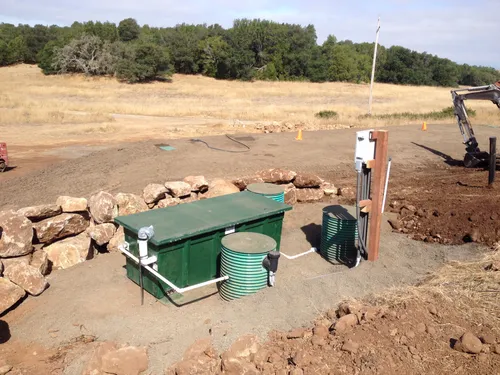
C&C Contracting
Santa Rosa, CA
C&C Contracting is a licensed and insured septic system repair and installation company serving Santa Rosa, CA. They provide services to homeowners in Sonoma County and Marin County, specializing in septic system installation and repairs. With over 23 years of experience, they ensure systems are installed according to local codes and offer guidance on proper maintenance.
Joe's Farmer Septic & Grease Service, INC
Santa Rosa, CA
Joe's Farmer Septic & Grease Service, INC provides septic tank installation, inspection, pumping, and repair services in Santa Rosa, CA. They serve both residential and commercial clients, handling all aspects from soil sampling to system installation while managing permits and building code requirements. Their licensed team uses updated equipment to maintain septic systems, ensuring proper wastewater treatment and drainage. The company also offers emergency septic system inspections for urgent issues.
Understanding the Permit Process in Sonoma County
All new septic system installations and replacements in Petaluma require a formal permit, officially known as a Wastewater System Report (WSR) permit, from Permit Sonoma. This is not a simple application; it's a detailed process designed to ensure the system protects public health and the environment. The journey begins with hiring a licensed septic consultant or engineer who will act as your guide and representative throughout the approval and construction phases.
The consultant's first major task is to conduct a formal site evaluation. You must submit an application for this evaluation through Permits Online 1. This step is critical because the county's approval hinges on your property's specific characteristics, including soil composition, slope, and proximity to water sources. Skipping or rushing this foundational step can lead to costly redesigns or permit denials later.
Key Regulations and Site Requirements
Sonoma County enforces stringent rules to ensure septic systems function properly and safely. Understanding these upfront can help you assess your property's viability.
- Dual Leachfields: A major regulation for new systems is the requirement for dual leachfields (also called drainfields or disposal areas). This means your system design must include two separate areas where treated wastewater can seep into the soil. One is used while the other "rests," extending the life of the entire system and providing a backup.
- Mandatory Setbacks: The system components must be placed specific distances away from property lines, buildings, wells, streams, and even large trees. These setbacks prevent contamination and root damage.
- Soil Percolation Rate: The soil must allow water to drain at a rate between 1 and 12 inches per hour. Soil that drains too quickly won't properly treat wastewater, and soil that drains too slowly will cause the system to back up.
- Slope and Flooding Constraints: Properties with slopes over 20% typically require an additional geotechnical report 2. Furthermore, no part of the septic system can be located in an area prone to annual flooding 2.
The Critical Soil Percolation Test
The soil percolation (perc) test is the cornerstone of the site evaluation. It scientifically measures how fast water drains through your soil, directly determining the size and type of system you can install.
A qualified consultant will dig several test holes, usually 4 to 6 inches in diameter, to specific depths based on the proposed leachfield depth. These holes are filled with water and the rate at which the water level drops is measured over several hours 3 4. The county must be notified before this test occurs 3. In some cases, a detailed soil profile evaluation may be accepted in place of a full perc test, but this is determined by county regulations 3.
Designing and Submitting Your System
Once the site evaluation and perc test are complete, your consultant will use that data to design a compliant septic system. This design includes the tank size, leachfield layout, and any necessary components like pumps or filters. The completed design package, along with the site evaluation report, is then formally submitted to Permit Sonoma for review.
This review period allows county engineers to verify that the design meets all health and safety codes. Only after the design receives final approval will the construction permit be issued, authorizing you or your contractor to begin the physical installation.
Find the perfect septic tank installation & replacement contractors for your needs
Get personalized recommendations and expert advice
Inspections During Installation
You cannot simply install the system and cover it up. Permit Sonoma requires inspections at critical stages to ensure the work matches the approved plans.
- Site Evaluation Inspection: This may be conducted virtually using a tool called VuSpex to confirm the proposed installation site.
- Construction Inspection: Most importantly, a county inspector must examine the excavated tank bed, the installed tank, and the leachfield trenches before they are backfilled and covered 5. Failing to schedule this inspection can result in orders to dig up the work for verification, leading to significant delays and extra costs.
Cost Breakdown for Petaluma Installations
Septic system installation is a substantial investment. Costs are influenced by system size, soil conditions, site accessibility, and the complexity of the design.
- Permit & Design Fees: The upfront costs for the site evaluation, perc testing, engineering design, and county permit fees typically range from $4,000 to $6,000 6. This includes the consultant's work and a county fee of approximately $750 6.
- Tank Costs: The septic tank itself is a major expense. A standard 1,000-gallon concrete tank may cost between $500 and $900 for the unit 7. Adding capacity increases the price, often by $50 to $150 for every additional 100 gallons 7.
- Installation Labor & Materials: This is where costs can vary widely. It includes excavation, placing the tank, constructing the dual leachfields, connecting plumbing, and backfilling. When combined with the tank and design fees, total installation costs for a standard residential system often reach into the tens of thousands of dollars due to the required engineering, materials, and labor 8.
It's crucial to get detailed, written estimates from licensed septic installation contractors that break down all these components. The requirement for dual leachfields in Sonoma County directly impacts the material and labor costs for the disposal area 9 10.
Choosing a System Type and Professional
While conventional gravity-fed systems are common, difficult sites may require alternative technologies like mound systems, aerobic treatment units (ATUs), or drip irrigation fields. Your consultant will recommend the best type based on the site evaluation. Always work with professionals who are intimately familiar with Permit Sonoma's specific flowchart and requirements for new and replacement systems. Their expertise is invaluable for navigating the process efficiently.
Maintaining Your New System
After a successful installation, proper maintenance is non-negotiable. This includes regular pumping of the tank (typically every 3-5 years), conserving water to avoid overloading the drainfield, and avoiding flushing harmful chemicals or materials. Protecting your investment starts the day the system is activated.
Frequently asked questions
Sources
Footnotes
-
Septic Site Evaluations - Permit Sonoma - https://www.permitsonoma.com/divisions/engineeringandconstruction/wellandsepticsystems/septicsystems/septicsiteevaluations ↩
-
The Californian's Guide To Septic Tanks - https://cacciaplumbing.com/blog/california-septic-tank-guide/ ↩ ↩2
-
Section 7 Site Evaluation Methods and Investigation Requirements - https://permitsonoma.org/Microsites/Permit%20Sonoma/Documents/Archive/Department%20Information/Regulations/Cannabis%20Program/_Documents/August%202018/OWTS-Section-7-August-2018-Revisions.pdf ↩ ↩2 ↩3
-
Residential Percolation Test - West Coast Sanitation - https://westcoastsanitationinc.com/residential-percolation-test/ ↩
-
Septic Systems - Permit Sonoma - https://permitsonoma.org/divisions/engineeringandconstruction/wellandsepticsystems/septicsystems ↩
-
Septic systems in Sonoma County: costs explained - https://www.modernlivingsonoma.com/2022/09/26/a-guide-to-septic-systems-in-sonoma-county/ ↩ ↩2
-
Residential Septic Tank Pricing | Homeowner's Guide to Costs - https://www.ntotank.com/blog/residential-septic-tank-pricing ↩ ↩2
-
Modular Home Preparation: Installing of Septic System in a Modular Home - https://legendaryhomesinc.com/updatedsite/?p=4675 ↩
-
New or Replacement Septic Permit Flowchart - https://permitsonoma.org/divisions/engineeringandconstruction/wellandsepticsystems/septicsystems/septicsystemflowcharts/neworreplacementsepticpermitflowchart ↩
-
res_79-5.pdf - California State Water Resources Control Board - https://www.waterboards.ca.gov/rwqcb2/water_issues/programs/planningtmdls/basinplan/web/res/res_79-5.pdf ↩