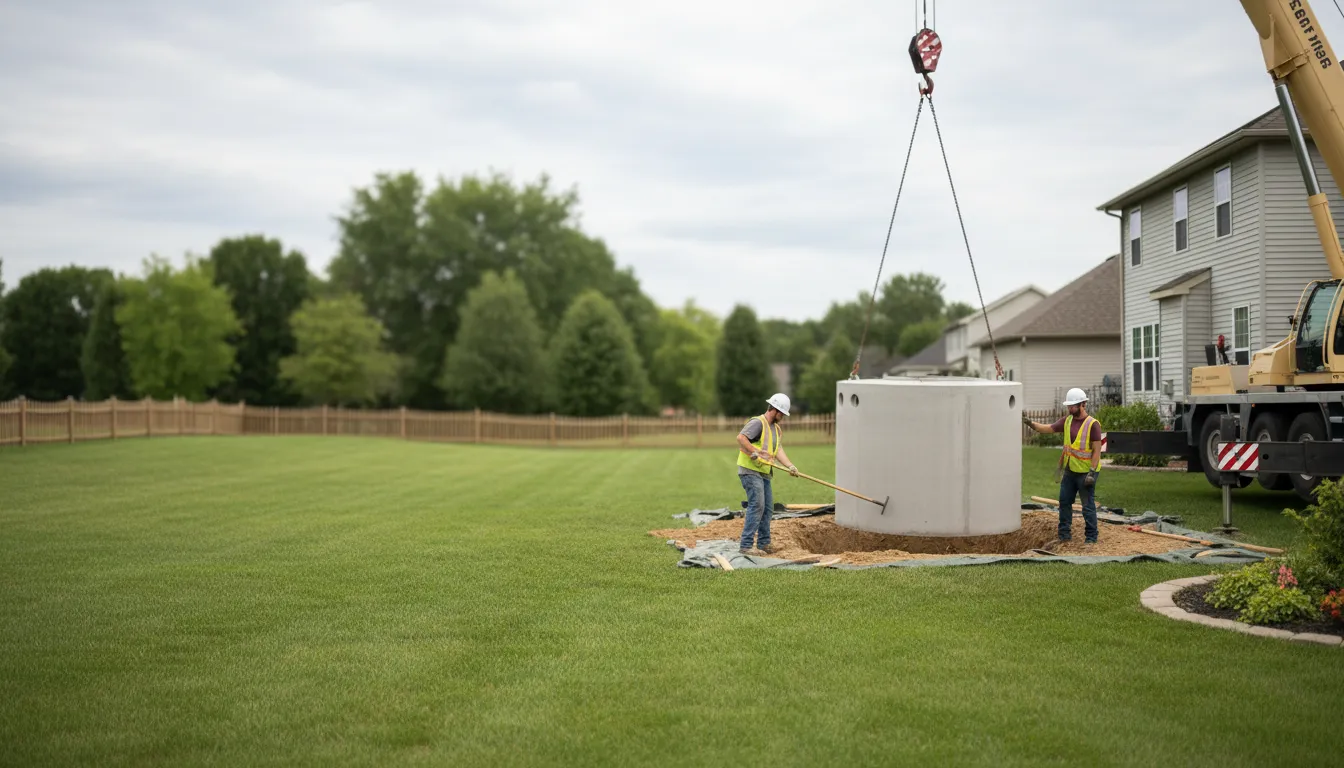
Find the Best Septic Tank Installation & Replacement Contractors for Your Business
No obligation • Fast responses • Nationwide coverage

Why you can trust Septic Spot
Septic Spot is a leading United States resource for understanding and comparing septic services. Our editors review providers using consistent criteria and verify key business details. Listings and scores are independent, and companies cannot pay to influence our content.
Search providers near you
Top Septic Tank Installation & Replacement Contractors in Poway, California Ranked
Installing or replacing a septic system is a significant home improvement project that ensures the safe and effective treatment of household wastewater. For Poway homeowners, this process is governed by specific local and county regulations to protect public health and the environment. This guide explains the key steps, requirements, and considerations for septic system installation and replacement in Poway, helping you understand what to expect and how to connect with qualified local professionals for your project.
Anytime Septic Service
8867 Gardena Rd, Lakeside, CA 92040
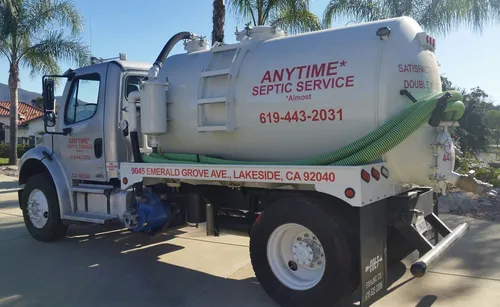
Anytime Septic Service is a family-owned company serving San Diego, CA, with over 55 years of experience in septic system care. They provide septic tank pumping, inspection, repairs, and installation across multiple local communities including El Cajon, Lakeside, La Mesa, and others. The team uses modern techniques and equipment to ensure septic systems function properly, offering thorough visual inspections and detailed explanations of their findings. They also provide after-hours emergency service for urgent septic needs.
Solid State Septic
Escondido, CA
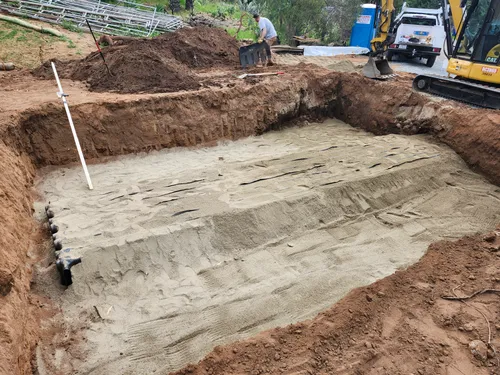
Solid State Septic is a septic system repair and installation company serving Escondido, CA. They provide septic solutions for both homes and businesses throughout San Diego County. Their services include new septic tank installations and repairs, focusing on meeting community needs with reliable septic system care.
North County Backhoe Service
Murrieta, CA
North County Backhoe Service is a septic system repair and installation company serving Murrieta, CA, and surrounding areas. With 50 years of experience, they handle septic tank repairs and installations, addressing issues such as sewage backups and clogs. The company is known for its knowledgeable team and prompt response to septic problems.

Center Septic
San Diego, CA
Center Septic is a family-owned septic service provider based in San Diego, CA, serving North San Diego County including Valley Center and surrounding areas. The company offers septic tank pumping, cleaning, inspections, repairs, new system installations, and drain field diagnosis and repairs. Center Septic holds a C42 license through the California State Contractor License Board and has been operating since 1995, providing a range of septic system services with trained and knowledgeable staff.
USA Septic
1317 Simpson Way Suite B, Escondido, CA 92029
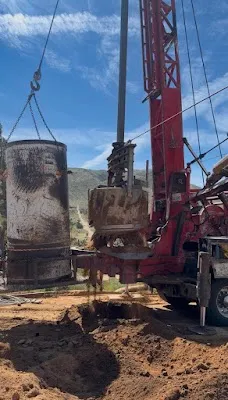
USA Septic is a septic tank pumping, inspection, repair, and installation company serving San Diego, CA. They provide services including septic system construction, pumping, drain cleaning, and certifications. Their expertise covers drain field repair and replacement, helping maintain and protect septic systems. USA Septic offers guidance on septic system ownership to help customers care for their systems properly.
Understanding Poway's Septic System Regulations
In Poway, all onsite wastewater treatment systems (OWTS) are regulated by the County of San Diego Department of Environmental Health (DEH). The city's municipal code incorporates county standards and adds specific local requirements. Before any shovel hits the ground, you must secure the proper permits from the DEH. A critical first step is understanding the mandatory setback requirements, which dictate how far system components must be from other structures and features. Per City of Poway code, septic tanks and seepage pits must be at least 5 feet from any building or property line and 50 feet from any groundwater supply1. These setbacks are non-negotiable and will heavily influence where a new leach field or tank can be placed on your property.
The type of system you can install is also regulated. Standard conventional systems with a septic tank and leach lines or seepage pits are most common. However, due to soil conditions or lot size, some properties may require an alternative system, such as a mound or aerobic treatment unit. In Poway and San Diego County, these engineered systems are heavily restricted and typically require special approval, adding complexity and cost to the project 2.
The Step-by-Step Process for Installation & Replacement
Whether you're building a new home or replacing a failing system, the pathway to a permitted and functional septic system follows a defined sequence.
1. Professional Site Evaluation and Soil Testing
This is the foundational step. A qualified professional-such as a licensed geologist, civil engineer, or Registered Environmental Health Specialist (REHS)-must conduct a comprehensive site evaluation. This includes a percolation test (often called a "perc test") to determine the soil's absorption rate and an assessment to identify the highest seasonal groundwater level. The results of these tests directly determine the size and type of system your property can support.
2. System Design and Plan Approval
Using the data from the site evaluation, a detailed design plan is created. This plan specifies the tank size, the layout and length of the leach field or the dimensions of seepage pits, and all other components. This design must be submitted to the County of San Diego DEH for review and formal approval before a permit can be issued. For system replacements, note that if the existing system is older than 15 years or no as-built plans are available, the county typically requires a completely new site evaluation and design, treating it as a new installation.
3. Permit Acquisition
With an approved design in hand, you or your contractor can apply for the necessary construction permits from the DEH. This step formalizes the project with the county and schedules the required inspections.
4. Installation by a Licensed Contractor
All excavation and construction work must be performed by a licensed septic contractor. The installation involves carefully following the approved plan, placing the tank, constructing the distribution box and leach field or pits, and connecting all piping from the house.
Find the perfect septic tank installation & replacement contractors for your needs
Get personalized recommendations and expert advice
Required Inspections During Construction
The DEH conducts multiple inspections throughout the build to ensure compliance and proper installation. You cannot backfill critical components until they are inspected and approved 3.
- Site Inspection: An initial check of the property's topography, soil profile, and verification of setback distances.
- Percolation Test Observation: A county inspector may observe the soil percolation test to verify the results.
- Open Trench Inspection: This is a crucial inspection where the inspector examines the excavated trenches, the placement of the tank, and the installation of all pipelines before they are covered with soil 4 5.
- Final Inspection: A last check of the completed system to ensure everything matches the approved design and meets all code requirements. Passing this inspection is necessary for the system to be officially approved for use.
Cost Considerations for Septic Projects in Poway
The cost of a septic system project in Poway varies widely based on the home's size, soil conditions, property slope, and system type. It's one of the most significant factors homeowners consider. Based on regional data, here are typical cost ranges:
- Septic Tank Replacement Only: If the existing drain field is sound and only the tank needs swapping, costs typically range from $5,000 to $10,000.
- Complete System Replacement (Tank & Leach Field): For a full conventional system replacement, homeowners should budget between $15,000 and $40,000 or more.
- High-End or Engineered Systems: For properties requiring alternative or mound systems due to poor soil or space constraints, costs can easily exceed $50,0006 7 8.
The major cost drivers include the size of the home (measured by number of bedrooms), the results of the soil percolation test, the amount of excavation and grading needed, and the type of system mandated by the county 9 10. Always get detailed, written estimates from several licensed contractors that break down design, permit, installation, and inspection fees.
Choosing Between Repair and Full Replacement
Sometimes, a failing system presents a choice: a minor repair or a full replacement. Key signs of failure include sewage backups, soggy ground or foul odors near the drain field, and unusually green grass over the leach area. While a repair like patching a tank or clearing a blocked line may be a short-term fix, the county's replacement rules often make a full upgrade the only viable long-term solution. If your system is very old (often over 15-20 years), has no existing plans, or has contaminated groundwater, the DEH will likely require a completely new system designed to current standards 11 12. Investing in a full replacement, while costly, provides decades of reliable service and ensures your property remains compliant with health regulations.
Maintaining Your New Septic System
Once your new onsite wastewater system is installed, proper maintenance is essential for its longevity. This includes regular pumping of the septic tank (typically every 3-5 years), conserving water to avoid overloading the drain field, and avoiding flushing harmful chemicals or non-biodegradable materials. A well-maintained conventional system can last 20 to 30 years or more. Keeping detailed records of inspections, pumping, and any repairs will also be valuable for future homeowners and for any required county reporting.
Frequently asked questions
Sources
Footnotes
-
Chapter 8.60 SEPTIC TANKS AND SEEPAGE PITS - https://www.codepublishing.com/CA/Poway/html/Poway08/Poway0860.html ↩
-
onsite-wastewater-treatment-system-requirements-procedures. ... - http://www.publichealth.lacounty.gov/eh/docs/permit/onsite-wastewater-treatment-system-requirements-procedures.pdf ↩
-
How to Know if You Need a Septic System Permit - Pippin Home Designs - https://www.pippinhomedesigns.com/septic-system-permit/ ↩
-
The Californian's Guide To Septic Tanks - https://cacciaplumbing.com/blog/california-septic-tank-guide/ ↩
-
California Septic Tank Requirements | Onsite Wastewater ... - https://www.ntotank.com/blog/california-septic-tank-requirements ↩
-
Septic System Install Timeline | RCI Septic Service - https://www.rciseptic.com/complete-step-by-step-timeline-septic-system-installation-from-permit-to-finish ↩
-
Septic Tank Replacement and Drain Field Cost in California - https://www.lanikseptic.com/how-much-does-it-cost-to-replace-a-septic-tank-and-drain-field-in-california/ ↩
-
Septic System Installation Costs: Budgeting Tips for Home - https://smartsepticpros.com/blog/septic-system-installation/ ↩
-
The SoCal Guide to Septic Tank Installation - https://www.lanikseptic.com/socal-guide-septic-tank-installation/ ↩
-
Septic Tank Installation Cost 2025 | What It Really Costs - https://www.blueribbonseptic.com/blog/septic-savings-how-much-does-a-new-septic-tank-installation-really-cost ↩
-
Septic System Design Criteria - County of San Diego - https://www.sandiegocounty.gov/content/dam/sdc/deh/lwqd/Septic_System_Design_Criteria_3-22-10.pdf ↩
-
Frequent Questions on Septic Systems | US EPA - https://www.epa.gov/septic/frequent-questions-septic-systems ↩