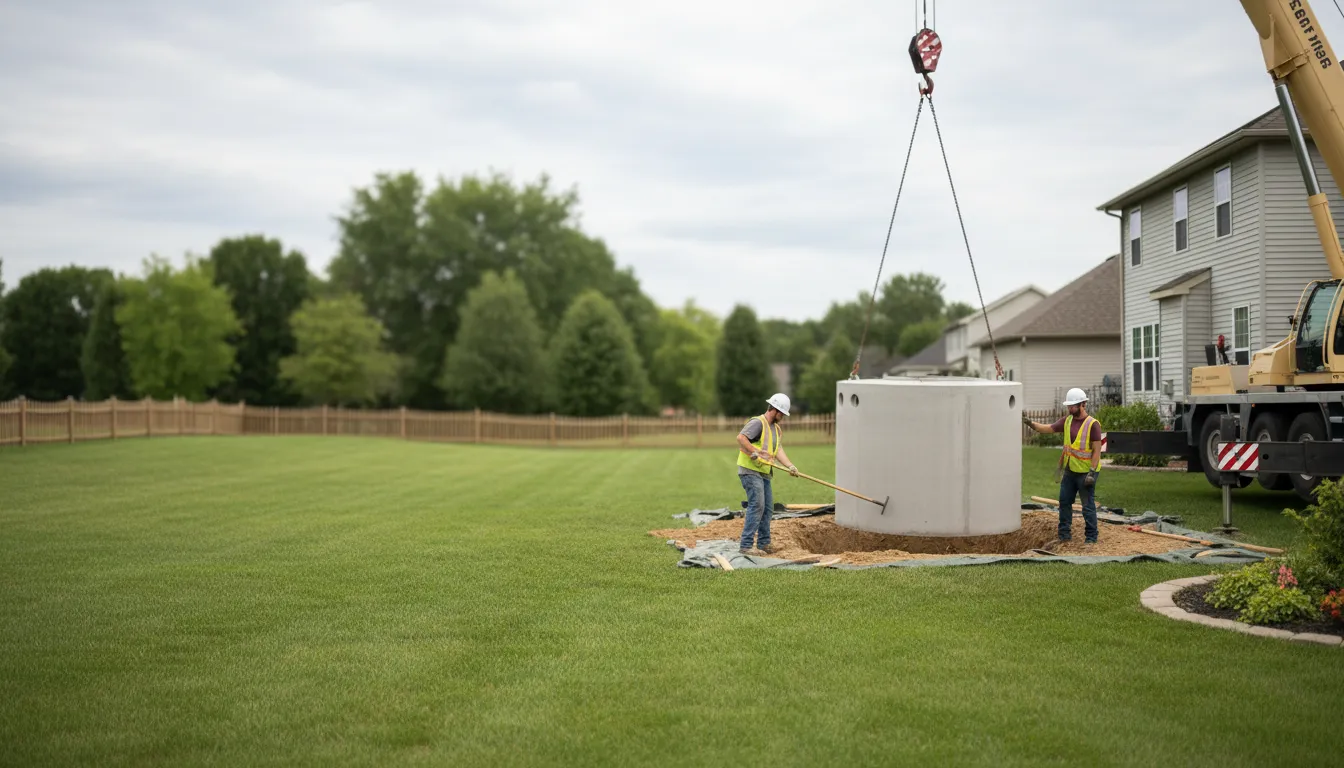
Find the Best Septic Tank Installation & Replacement Contractors for Your Business
No obligation • Fast responses • Nationwide coverage

Why you can trust Septic Spot
Septic Spot is a leading United States resource for understanding and comparing septic services. Our editors review providers using consistent criteria and verify key business details. Listings and scores are independent, and companies cannot pay to influence our content.
Search providers near you
Top Septic Tank Installation & Replacement Contractors in Redlands, California Ranked
Installing or replacing a septic system is a significant home improvement project that ensures the safe and efficient treatment of household wastewater. For Redlands homeowners, this process is governed by specific local and county regulations designed to protect public health and the environment. This guide explains the key steps, requirements, and considerations for septic system installation and septic tank replacement in Redlands, helping you navigate the process from initial planning to final inspection.
Mr. Rooter Plumbing of San Bernardino
410 W Valley Blvd, Colton, CA 92324
Mr. Rooter Plumbing of San Bernardino offers a wide range of plumbing services including septic tank pumping, repair, and installation in Riverside, CA. The company serves San Bernardino and surrounding areas with expertise in plumbing repairs, drain cleaning, sewer line services, and septic system solutions. They use advanced tools such as trenchless technology and video camera inspections to address plumbing issues efficiently. Mr. Rooter Plumbing provides 24/7 emergency plumbing services backed by the Neighborly Done Right Promise®, ensuring quality workmanship and customer satisfaction.
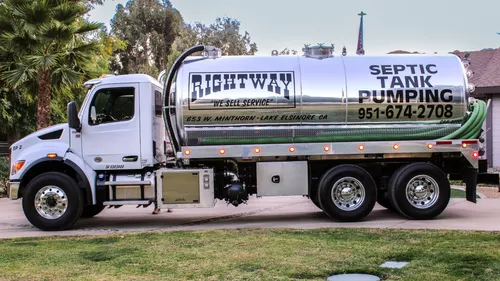
Rightway Septic Tank Pumping
653 W Minthorn St, Lake Elsinore, CA 92530
Rightway Septic Tank Pumping is a family-owned septic service provider based in Lake Elsinore, serving the Inland Empire area including Los Angeles, CA. They offer a range of services such as septic tank pumping, repairs, installations, wastewater treatment maintenance, seepage pit drilling, and septic system locating for both residential and commercial properties. With over 75 years of experience, Rightway is C-42 certified, ensuring compliance with industry standards and regulations. Their capabilities include septic tank pumping and maintenance using advanced equipment and techniques to maintain system efficiency.
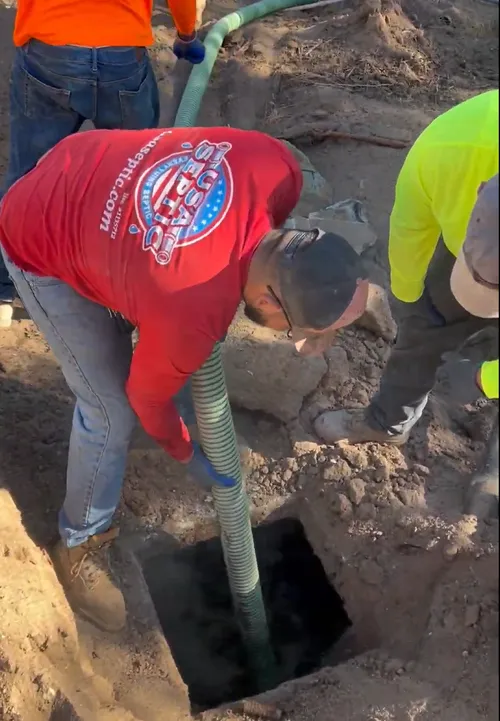
USA Septic
10474 Cody Rd, Lucerne Valley, CA 92356
USA Septic is a septic tank pumping and installation company based in Victorville, CA. They provide services including septic construction, pumping, drain cleaning, and system certifications. The company offers guidance on septic system maintenance to help homeowners protect their investment.
Foureverfresh Septic & Sewer Solutions
Los Angeles, CA
Foureverfresh Septic & Sewer Solutions provides a range of septic system services in Los Angeles, CA. Their offerings include septic tank pumping, inspections, repairs, installations, and sewer line repairs. They use advanced diagnostic tools like video inspections and leak detection to address issues such as tree root intrusion and blockages efficiently. With over 20 years of experience, the company emphasizes eco-friendly practices and customer satisfaction in their work.
Alpha Omega Plumbing & Septic Services
11755 Santa Fe Ave E, Hesperia, CA 92345
Alpha Omega Plumbing & Septic Services has been providing septic system repair, installation, and maintenance since 1984. Based near Los Angeles, CA, they serve the High Desert area with expertise in septic tanks, leach lines, seepage pits, and grease trap maintenance. Their team follows environmentally safe practices to help protect the environment while handling a wide range of plumbing and septic needs.
Understanding Local Regulations and Permits
In Redlands, all septic system installations and replacements fall under the jurisdiction of the San Bernardino County Environmental Health Services (EHS). You cannot begin any construction without first obtaining the necessary permits from this agency. The county's primary goal is to ensure that every onsite wastewater treatment system is designed and built to function properly without contaminating groundwater or creating a public nuisance.
The permit process is multi-step and requires a design approved by a qualified professional, such as a civil engineer or a qualified septic designer. This design must be submitted to San Bernardino County EHS for review and approval before any building permits are issued 1. It's crucial to note that Redlands municipal code typically requires these systems to be located in the front yard area, which is an important early consideration for your property layout 1.
The Critical First Step: Site Evaluation & Percolation Testing
Before any system design can be created, a thorough evaluation of your property is required. The cornerstone of this evaluation is the percolation test (often called a "perc test").
What is a Percolation Test?
A perc test measures the soil's ability to absorb and filter water-a critical factor in determining the size and type of leach field your property needs. A licensed professional will dig a series of holes in the proposed leach field area, saturate them with water, and then measure the rate at which the water level drops over several hours.
Cost and Process
The cost for this essential test can vary widely based on your site's complexity. For a simple, accessible lot, you might pay around $300, while more challenging terrain or difficult soil conditions can push the cost to over $3,000. On average, homeowners in the region spend about $1,300 for a standard residential perc test 2. This test is so important that it is often directly overseen by an inspector from the County Environmental Health Services 3.
The Installation Process: A Step-by-Step Overview
Once your site has been evaluated and your system design approved, the physical installation can begin. This process follows a structured sequence with mandatory inspections at key stages.
- Pre-Construction Meeting & Site Prep: The installer will mark the exact location of all components and prepare the site for excavation.
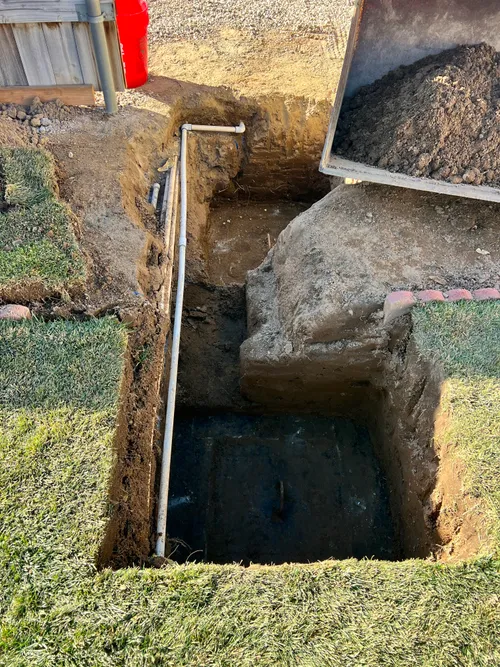
- Excavation & Tank Placement: A hole is dug for the septic tank, which is then carefully lowered into place. The tank must be level and on a stable base.
- Leach Field Construction: Trenches are dug for the distribution pipes and gravel bed that make up the drain field, based on the approved design.
- Pipe Connection & System Assembly: All piping from the house to the tank and from the tank to the leach field is installed and connected.
Find the perfect septic tank installation & replacement contractors for your needs
Get personalized recommendations and expert advice
Mandatory Inspections for Redlands Installations
San Bernardino County requires several inspections to ensure the work meets code. Skipping or failing an inspection can cause significant delays and added costs. The typical inspection schedule includes 4 5 6:
- Site/Soil Evaluation Inspection: Verification of the perc test results and site suitability.
- Open Trench Inspection: Before the septic tank and leach field trenches are backfilled, an inspector checks the placement, depth, and construction of all components.
- Final Inspection: After the system is fully installed and covered, a final inspection is conducted for overall approval before the system can be put into operation.
Passing the final inspection is your green light to start using the system. Your installer should provide you with a detailed "as-built" diagram of your system's exact location for future reference and maintenance.
Cost Factors for Installation and Replacement
The total investment for a new septic system or a full septic tank replacement in Redlands depends heavily on your specific property conditions. Here's a breakdown of what influences the price:
- System Size and Type: A basic, conventional system for a small home typically starts around $5,000. Larger homes, systems with advanced treatment components, or alternative systems (like mound systems for poor soil) can cost $15,000 or more 7 8 9.
- Soil and Site Conditions: Rocky soil, high groundwater, or steep slopes require more complex engineering and labor, increasing costs.
- Permitting and Testing Fees: Remember to factor in the costs for the perc test, permit applications, and plan review fees from the county.
- Replacement-Specific Costs: If you are replacing an old, failing system, the project cost will include additional fees for the proper abandonment and disposal of the old tank and leach field, which is a regulated procedure.
Always get multiple detailed quotes from licensed and insured septic contractors in the Redlands area. A reputable contractor will outline all expected costs, including permits and inspections.
Choosing the Right System for Your Property
While conventional gravity-fed systems are common, your site's perc test results and size constraints may lead a designer to recommend other options. In areas with slower-percolating soils, an engineered leach field with added gravel and sand or a pressure-dosed system may be necessary. For properties with very high groundwater or bedrock, a mound system might be the only viable solution. Your licensed designer will advise on the most effective and code-compliant system for your land.
Long-Term Considerations After Installation
A new septic system is a long-term investment. Protect it by practicing good habits: conserve water to avoid overloading the system, avoid pouring grease or harsh chemicals down the drain, and never drive or park heavy vehicles over the leach field area. Most importantly, schedule regular septic tank pumping every 3-5 years to prevent solids from clogging and damaging your new drain field. Proper maintenance is the key to ensuring your system lasts for decades.
Frequently asked questions
Sources
Footnotes
-
Percolation Testing and Reporting Standards for Onsite ... ↩
-
California Septic Tank Requirements | Onsite Wastewater ... ↩
-
Frequently Asked Questions | Building 5 Septic | Redlands, CA ↩
-
How Much Does a Septic Soil Test Cost in 2026? - Land Perc ↩
-
Understanding the Costs of Septic Tank Installation and Repair: A Guide for Homeowners ↩