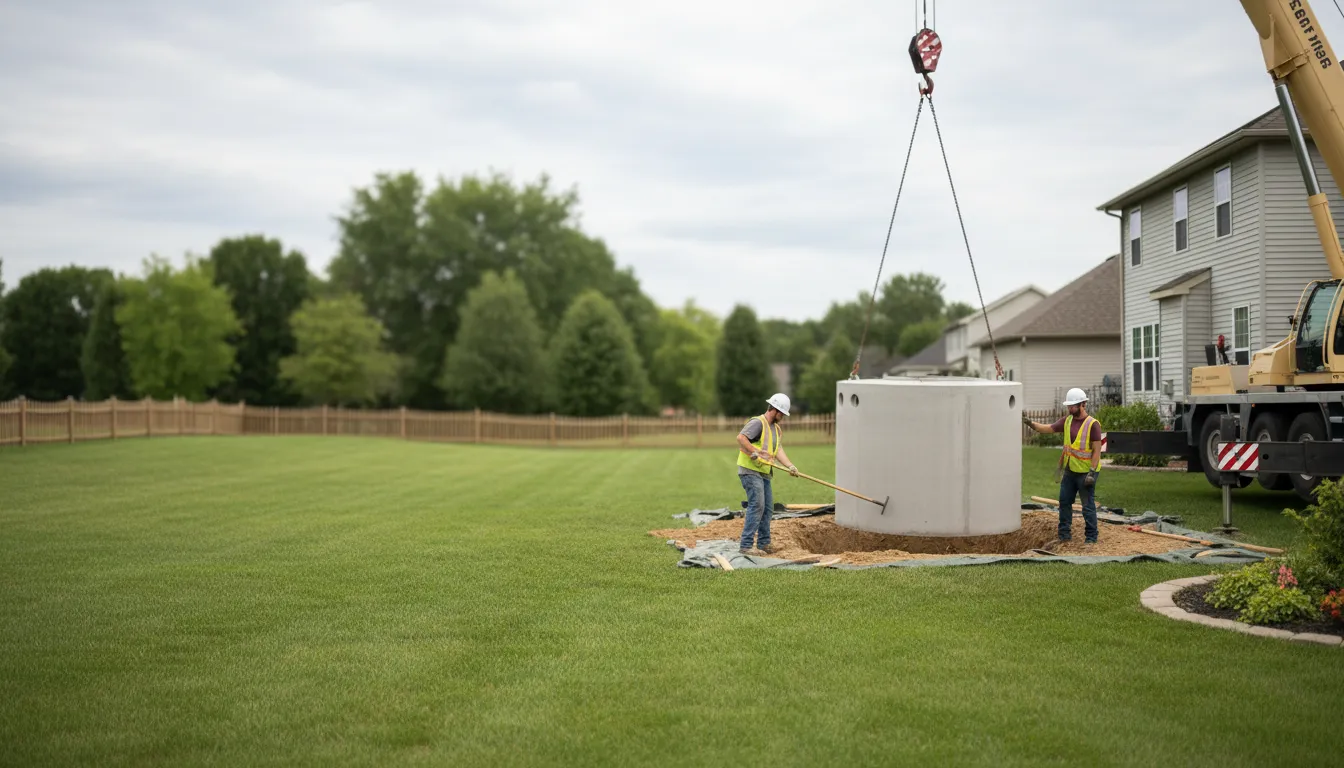
Find the Best Septic Tank Installation & Replacement Contractors for Your Business
No obligation • Fast responses • Nationwide coverage

Why you can trust Septic Spot
Septic Spot is a leading United States resource for understanding and comparing septic services. Our editors review providers using consistent criteria and verify key business details. Listings and scores are independent, and companies cannot pay to influence our content.
Search providers near you
Top Septic Tank Installation & Replacement Contractors in Redondo Beach, California Ranked
Installing or replacing a septic system in Redondo Beach is a significant project governed by strict local and state regulations. This process, often referred to as onsite wastewater treatment system (OWTS) installation, is critical for protecting public health and local water quality, especially in coastal communities. For homeowners, understanding the required permits, soil testing, and inspection process is the first step toward a compliant and functional system. This guide outlines the key steps, costs, and regulatory considerations to help you navigate planning your septic project.
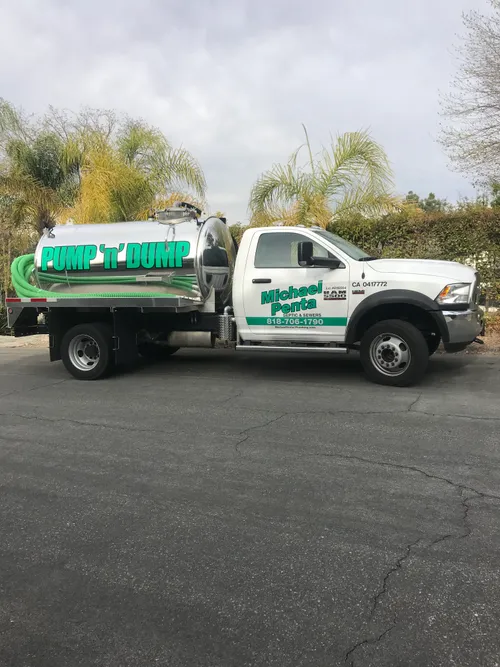
Michael Penta Septic Tank Pumping
Los Angeles, CA
Michael Penta Septic Tank Pumping provides a range of septic services in Los Angeles, CA, including septic tank pumping, installation, inspection, and repair. The company also handles drain field repairs, sewage ejection pump services, and sewer line replacements. Their expertise includes advanced capabilities such as camera inspections for leaks and cracks, soil analysis for leach line repair, and installation of micro septic systems that treat wastewater to a higher quality. They ensure compliance with local regulations and offer comprehensive maintenance to extend the life of septic systems.
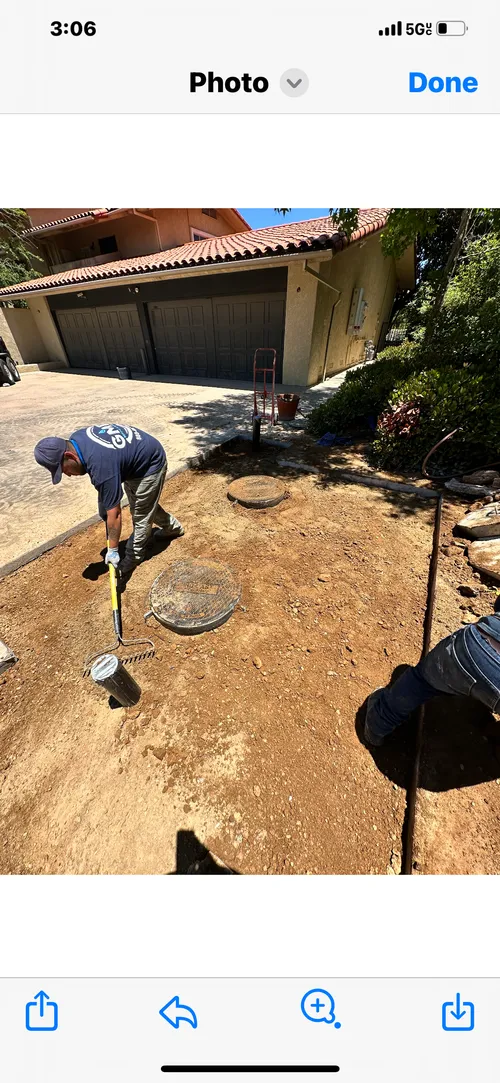
GMP Septic And Sewer
20 Surrey Ln, Rancho Palos Verdes, CA 90275
GMP Septic And Sewer provides a full range of septic services in Los Angeles, CA, including septic tank pumping, cleaning, inspections, repairs, installations, and system upgrades. They handle new construction, remodels, and replacements, ensuring systems are tailored to property needs. The company offers 24/7 emergency services for urgent septic system repairs. Their expertise covers diagnosing leaks, replacing damaged components, and maintaining system performance through regular maintenance and thorough inspections.
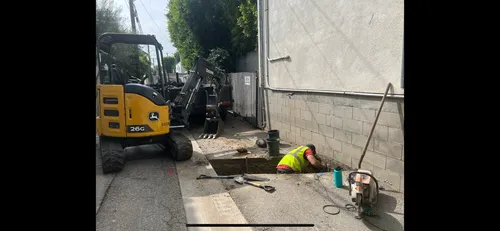
Just Sewers, INC
Los Angeles, CA
Just Sewers, INC is a sewer and septic service provider based in Los Angeles, CA. They offer a wide range of services including septic tank pumping, inspection, and installation, as well as sewer line cleaning, repair, replacement, and trenchless sewer solutions. Serving Los Angeles and surrounding communities such as Pasadena, Hollywood, Beverly Hills, and Santa Monica, they utilize advanced tools like video inspections and hydro jetting to address plumbing issues efficiently. The company operates 24/7 to handle emergencies and routine maintenance, helping to prevent costly backups and system failures.
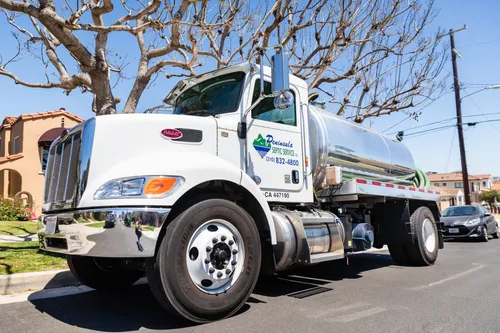
Peninsula Septic Service
Long Beach, CA
Peninsula Septic Service is a local, family-owned company serving Long Beach, CA, and the surrounding South Bay area. With over 30 years of experience, they specialize in septic system repair, maintenance, and installation for both residential and commercial properties. Their team includes NAWT-certified and California on-site wastewater-certified professionals who handle jobs of any scale. Peninsula Septic Service offers 24/7 emergency services, responding within two hours, and provides multi-tank and commercial discounts.
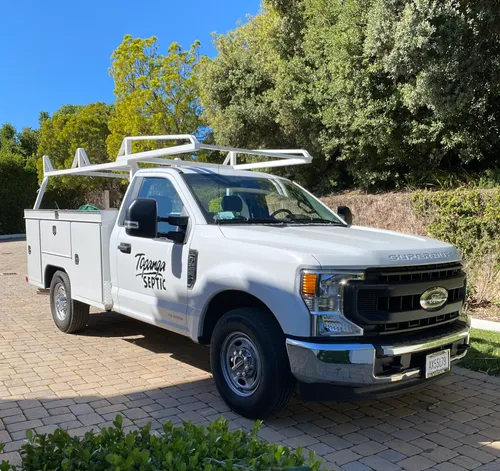
Topanga Septic
22028 Ventura Blvd Ste. 101, Woodland Hills, CA 91364
Topanga Septic is a septic tank service provider located in Los Angeles, CA. They offer a range of services including septic tank pumping, inspections, repairs, installations, and drain field repair or replacement. Their capabilities include excavation, grading, and advanced system monitoring to support system upgrades and maintenance in compliance with new regulations. The company is licensed, bonded, and insured, with certifications from COWA and NAWT. They serve Topanga Canyon, Malibu, and the Greater Los Angeles Area, focusing on preserving natural surroundings during their work.
Understanding Redondo Beach Septic System Regulations
Septic systems in Redondo Beach fall under the jurisdiction of both the Los Angeles County Department of Building and Safety (LADBS) and the California Regional Water Quality Control Board, Los Angeles Region. These agencies enforce the state's Onsite Wastewater Treatment Systems (OWTS) policy, which includes a Local Agency Management Program (LAMP). The primary goal is to prevent contamination of groundwater and surface waters, including the nearby Pacific Ocean.
Key regulatory points include:
- Permit Authority: All new installations and replacements require permits from LADBS.
- System Design: Systems must be designed by a qualified professional (like a licensed engineer) based on a site-specific soil evaluation to meet current code requirements.
- Replacement Rules: If an existing system fails, it must be replaced with a system that complies with modern standards. This may require upgrading to an advanced treatment system, such as a nitrogen-reducing unit, if mandated by the Regional Water Board for environmentally sensitive areas.
- Setback Distances: Strict rules dictate how far a septic tank and drain field must be from property lines, wells, waterways, and structures 1.
The Step-by-Step Installation Process
1. Site Evaluation and Soil Percolation Test
Before any design work can begin, a licensed engineer or geologist must perform a comprehensive site evaluation. The cornerstone of this is a percolation (perc) test, which measures the soil's ability to absorb and filter effluent. The results determine the size and type of drain field required. In California, a standard residential perc test typically costs between $150 and $600 2.
2. System Design and Engineering
Using the soil report data, a professional designs a system tailored to your property's specific conditions. The design must comply with all state OWTS standards and local LAMP requirements 3 4 5. This engineering phase is crucial for permit approval and can cost between $1,000 and $5,000 for comprehensive geotechnical reporting and design plans.
3. Securing Permits
The designed plans are submitted to LADBS for permit review. Permit fees can vary significantly but often range from several hundred to over a thousand dollars, depending on the project's complexity. This step is non-negotiable; proceeding without permits can result in fines and orders to remove the unpermitted system.
4. Excavation and Installation
Once permits are secured, excavation begins. This involves carefully installing the septic tank and constructing the leach field according to the approved plans. Tank materials vary, with a standard 1,000-gallon concrete tank typically costing between $500 and $900 for the tank itself 6 7.
5. Mandatory Inspections
LADBS or the local health department requires inspections at critical stages 8:
- Site/Pre-Construction Inspection: Verifies the staking and layout.
- Open Trench Inspection: Before the tank and piping are backfilled, an inspector checks materials, placement, and connections.
- Final Inspection: After the system is fully installed and covered, a final inspection grants approval for use.
Find the perfect septic tank installation & replacement contractors for your needs
Get personalized recommendations and expert advice
Cost Breakdown for Septic System Installation
The total cost for a complete septic system installation in Redondo Beach is often high, typically exceeding $10,000 for a full system, and can go much higher depending on site challenges 9 10 11. Several factors influence the final price:
- Soil Conditions: Difficult soil (e.g., clay or high groundwater) may require a more expensive engineered system.
- Tank Size and Material: Larger tanks or alternative materials like plastic or fiberglass increase costs.
- System Type: A conventional gravity system is less expensive than an advanced treatment system (ATS), which may be required for replacements in sensitive areas 12.
- Labor and Excavation: Complex sites with limited access or rocky soil increase labor costs.
- Permits and Design: As noted, design engineering and permit fees are substantial fixed costs.
When Replacement is Necessary
A septic system replacement is a major undertaking usually triggered by a system failure. Signs include persistent soggy ground or sewage odors in the drain field area, sewage backups in the home, or a failed inspection during a property sale 13 14. In Redondo Beach, replacing a failed system is not a simple like-for-like swap. You are legally required to install a new system that meets all current codes, which may involve a completely different and more advanced design 15.
Choosing a Qualified Installation Professional
Given the regulatory complexity, selecting the right contractor is paramount. Look for a licensed septic system installer with extensive experience in Los Angeles County and Redondo Beach specifically. They should be familiar with LADBS procedures, local soil conditions, and the latest OWTS requirements. Always verify their license, ask for references from similar projects, and ensure they will handle the entire process-from soil testing and permit pulling to final inspection.
Frequently asked questions
Sources
Footnotes
-
Water Quality Control Plan for the Los Angeles Region - EPA - https://www.epa.gov/sites/default/files/2015-03/documents/ca4-losangeles-region.pdf ↩
-
How to Know if You Need a Septic System Permit - Pippin Home Designs - https://www.pippinhomedesigns.com/septic-system-permit/ ↩
-
California Septic Tank Requirements | Onsite Wastewater ... - https://www.ntotank.com/blog/california-septic-tank-requirements ↩
-
ONSITE WASTEWATER TREATMENT SYSTEM (OWTS) - LADBS - https://dbs.lacity.gov/sites/default/files/efs/forms/pc17/IB-P-BC-2023-027-OWTS-.pdf ↩
-
Southern California Septic System Regulations: What You Need to ... - https://www.lanikseptic.com/socal-septic-regulations/ ↩
-
Residential Septic Tank Pricing | Homeowner's Guide to Costs - https://www.ntotank.com/blog/residential-septic-tank-pricing ↩
-
Septic System Cost Estimate: A Complete Breakdown - Land Perc - https://landperc.com/septic-system-cost-estimate/ ↩
-
The Ultimate Guide to Septic System Installation Process - https://septic911.com/septic-system-installation-process/ ↩
-
Geotechnical and Percolation Soil Testing in California - https://alluvialsoillab.com/pages/geotechnical ↩
-
Breaking down expenses: How much does a septic system cost? - https://point.com/blog/how-much-does-a-septic-system-cost ↩
-
How Much Does a Septic System & Septic Tank Cost - https://www.nexgenseptics.com/septic-system-cost/ ↩
-
Marin on path to overhaul septic rules - https://www.ptreyeslight.com/news/marin-on-path-to-overhaul-septic-rules/ ↩
-
Septic Tank Certification: What California Homeowners Need to Know - https://www.kgriverside.com/trending/septic-tank-certification-what-california-homeowners-need-to-know ↩
-
What to Expect During a Septic System Replacement - Townes Septic Service - https://www.townesseptic.com/blog/what-to-expect-during-a-septic-system-replacement ↩
-
Septic System (Onsite Wastewater Treatment Systems, OWTS ... - https://www.waterboards.ca.gov/centralcoast/water_issues/programs/septics/permits.html ↩