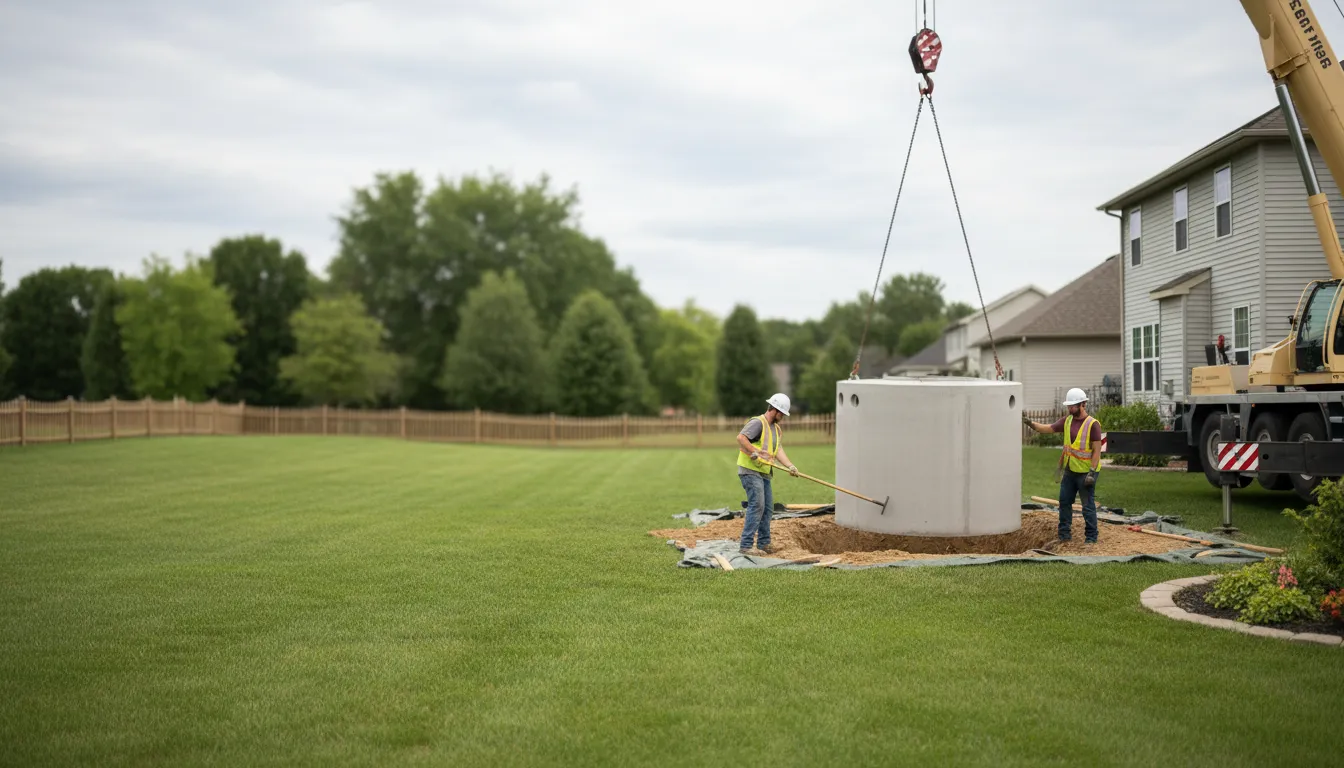
Find the Best Septic Tank Installation & Replacement Contractors for Your Business
No obligation • Fast responses • Nationwide coverage

Why you can trust Septic Spot
Septic Spot is a leading United States resource for understanding and comparing septic services. Our editors review providers using consistent criteria and verify key business details. Listings and scores are independent, and companies cannot pay to influence our content.
Search providers near you
Top Septic Tank Installation & Replacement Contractors in Rosemead, California Ranked
Installing or replacing a septic system is a significant home infrastructure project that requires careful planning and professional expertise. For Rosemead homeowners, this process is governed by specific local and state regulations to protect public health and the environment. This guide explains the key steps, costs, and regulatory requirements for septic system installation and replacement in the area, helping you understand what to expect and how to connect with qualified local professionals for your project.
Sewer Man Septic Tank Pumping
16065 Foothill Blvd # B, Sylmar, CA 91342
Sewer Man Septic Tank Pumping provides septic tank pumping, cleaning, inspection, repair, and installation services in Los Angeles, CA. They use specialized equipment such as vacuum trucks and high-pressure water jets to maintain and clean septic systems, helping prevent backups and slow drainage. The company offers emergency septic pumping services for urgent needs and serves a wide range of nearby communities. Sewer Man Septic Tank Pumping is experienced in handling various septic system maintenance tasks to support property owners in the Los Angeles area.
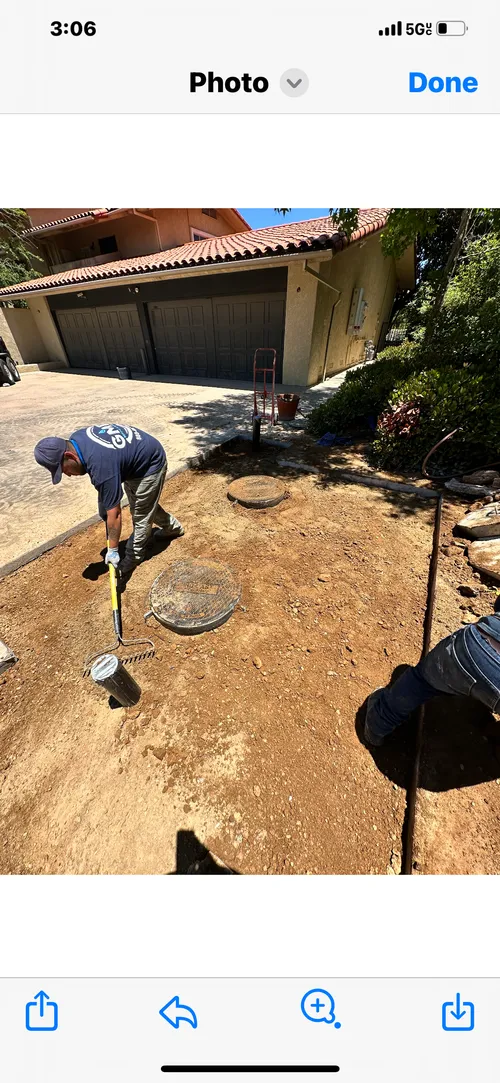
GMP Septic And Sewer
20 Surrey Ln, Rancho Palos Verdes, CA 90275
GMP Septic And Sewer provides a full range of septic services in Los Angeles, CA, including septic tank pumping, cleaning, inspections, repairs, installations, and system upgrades. They handle new construction, remodels, and replacements, ensuring systems are tailored to property needs. The company offers 24/7 emergency services for urgent septic system repairs. Their expertise covers diagnosing leaks, replacing damaged components, and maintaining system performance through regular maintenance and thorough inspections.
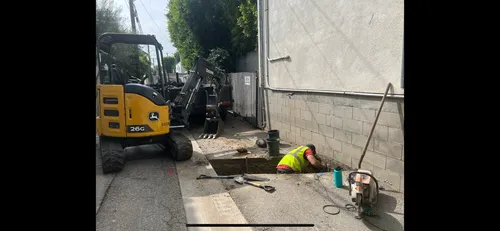
Just Sewers, INC
Los Angeles, CA
Just Sewers, INC is a sewer and septic service provider based in Los Angeles, CA. They offer a wide range of services including septic tank pumping, inspection, and installation, as well as sewer line cleaning, repair, replacement, and trenchless sewer solutions. Serving Los Angeles and surrounding communities such as Pasadena, Hollywood, Beverly Hills, and Santa Monica, they utilize advanced tools like video inspections and hydro jetting to address plumbing issues efficiently. The company operates 24/7 to handle emergencies and routine maintenance, helping to prevent costly backups and system failures.
Dreyfuss Grading
Oceanside, CA
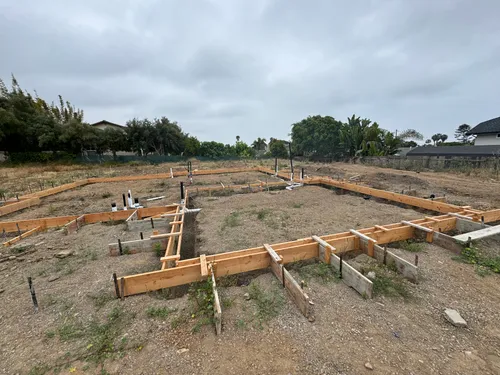
Dreyfuss Grading is a construction company based in Oceanside, CA, offering a wide range of services including septic system installation, grading, excavation, concrete foundations, and public works projects. They serve residential, commercial, and municipal clients throughout the San Diego area. The company uses advanced technology such as 3D GPS for precise site preparation and specializes in earthmoving, trenching, and foundation digging. Their expertise also extends to retaining walls, utility line installation, and ADU construction. Dreyfuss Grading emphasizes transparent communication and competitive rates in their work.
Carter Sanitation Sewer & Septic
4266 Elton St, Baldwin Park, CA 91706
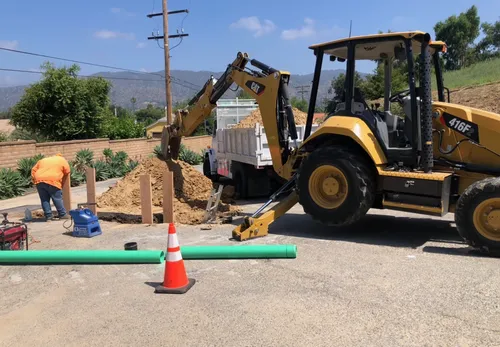
Carter Sanitation Sewer & Septic provides septic and sewer services in Los Angeles, CA, with a focus on the San Gabriel Valley. The company offers septic system installation, pumping, repair, sewer line services, trenchless sewer solutions, street excavation, and drain cleaning for residential, commercial, industrial, and municipal properties. Established in 1969, Carter Sanitation brings over 50 years of experience to its work, emphasizing environmental responsibility and customer satisfaction.
Understanding the Regulatory Landscape
In Rosemead, as part of Los Angeles County, all new septic system installations and existing system replacements fall under the jurisdiction of the Los Angeles County Department of Public Health (LACDPH). The county's regulations are designed to ensure that onsite wastewater treatment systems function properly, especially in areas where a connection to a municipal sewer line is not available or is located more than 300 feet away. These rules integrate requirements from the California Regional Water Quality Control Boards, creating a layered regulatory framework that contractors must navigate 1 2.
The core principle is that every property is unique. The system design must be tailored to the specific soil conditions, topography, and water table of your lot. This personalized approach is why the permitting process is detailed and requires professional involvement from the start. Compliance isn't just about getting a permit; it's about ensuring the long-term, safe operation of a critical household system.
The Step-by-Step Installation Process
1. Initial Site Evaluation and Soil Testing
The first and most critical step is a professional site evaluation. A qualified engineer or soil consultant must visit your property to assess its suitability for a septic system. This evaluation includes creating a soil profile and conducting a percolation test (often called a "perc test").
- Percolation Test: This test measures the soil's absorption rate, determining how quickly water drains through it. The result, expressed in minutes per inch or gallons per square foot per day, directly dictates the size and design of the necessary leach field 3. A certified professional must perform this test.
- Site Assessment: The evaluator will also note the topography, proximity to wells or waterways, and the seasonal high groundwater level. All these factors influence the system's design and placement.
2. System Design and Permit Application
Once the site evaluation is complete, a system can be designed. In Rosemead and most of Southern California, new and replacement systems are typically required to have a dual leach field (or split-capacity system) 4. This design includes a primary drain field and a reserve area, allowing you to switch between them for resting and maintenance, which greatly extends the system's lifespan.
The design plans, along with the soil test report and application forms, are submitted to LACDPH for review. Permit fees for land development associated with a septic system in Los Angeles County generally range from $320 to $1,880 5.
3. Construction and Required Inspections
After the permit is issued, construction can begin. This process involves excavating, placing the septic tank (often concrete or fiberglass), and constructing the leach field with perforated pipes and gravel. The county mandates several inspections during construction 6 7:
- Open Trench/System Inspection: Before the leach field trenches are backfilled, an inspector must verify that the materials-tank, pipes, gravel-are installed according to the approved plans.
- Final Inspection: Once the entire system is installed and the site is restored, a final inspection is conducted for overall approval.
Find the perfect septic tank installation & replacement contractors for your needs
Get personalized recommendations and expert advice
Key Considerations for System Replacement
Homeowners considering a septic tank upgrade or full system replacement should be aware of specific triggers. If your existing system is more than 15 years old, if you have no record of the original system plans, or if you have significantly expanded your home (adding bedrooms or square footage that increases wastewater flow), the county will likely require a full evaluation by a qualified contractor 8. This evaluation will determine if repair is possible or if a complete replacement is necessary.
Replacement follows the same stringent process as a new installation, including a new site evaluation and perc test, as soil conditions can change over decades. Identifying and preserving a "reserve" or backup drain field area during replacement is a crucial long-term planning step 9.
Cost Factors for Rosemead Homeowners
The total cost for a complete septic system installation in Southern California, including Rosemead, is highly variable. Estimates often range between $17,000 and $50,000 or more for a standard residential system 10. Several key factors drive this cost:
- Soil Conditions: Difficult soil (heavy clay or rocky ground) that requires extensive excavation or a more complex system design will increase costs.
- Tank Size and Material: Larger tanks for bigger homes and the choice between concrete, fiberglass, or plastic affect the price.
- System Type: A standard gravity-fed system is typically the most affordable. If your lot requires a pumped system (pressure-dosed) or an advanced treatment system due to poor soil or environmental sensitivities, costs will be higher.
- Site Accessibility: Easy access for heavy machinery keeps costs down. Tight, confined lots or steep slopes add complexity and expense.
- Permit and Design Fees: As noted, permit fees and the cost for professional design and engineering services are part of the overall budget.
Maintaining Your New System
A properly installed system is the foundation, but proactive maintenance is key to a long service life. This includes regular pumping of the tank (typically every 3-5 years), conserving water to avoid overloading the system, and avoiding flushing harmful chemicals or non-biodegradable materials. Protecting the drain field area from vehicle traffic and deep-rooted plants is also essential.
Frequently asked questions
Sources
Footnotes
-
res_79-5.pdf - California State Water Resources Control Board - https://www.waterboards.ca.gov/rwqcb2/water_issues/programs/planningtmdls/basinplan/web/res/res_79-5.pdf ↩
-
Septic System Regulations in Southern California: What You ... - https://www.lanikseptic.com/socal-septic-regulations/ ↩
-
The Californian's Guide To Septic Tanks - https://cacciaplumbing.com/blog/california-septic-tank-guide/ ↩
-
Santa Clara County Onsite Systems Manual - California Water Boards - https://www.waterboards.ca.gov/sanfranciscobay/board_info/agendas/2016/January/SantaClaraOWTS/SCC_OWTS_B_Onsite_Systems_Manual.pdf ↩
-
Breaking down expenses: How much does a septic system cost? - https://point.com/blog/how-much-does-a-septic-system-cost ↩
-
The SoCal Guide to Septic Tank Installation - https://www.lanikseptic.com/socal-guide-septic-tank-installation/ ↩
-
California Septic Tank Requirements | Onsite Wastewater ... - https://www.ntotank.com/blog/california-septic-tank-requirements ↩
-
onsite-wastewater-treatment-system-requirements-procedures. ... - http://www.publichealth.lacounty.gov/eh/docs/permit/onsite-wastewater-treatment-system-requirements-procedures.pdf ↩
-
Draft Professional Guide - County of Los Angeles Public Health - http://ph.lacounty.gov/eh/docs/ep_lu_ProfessionalGuide.pdf ↩
-
What is the average cost of installing a septic system for an ... - https://www.facebook.com/groups/howtoadu/posts/2708418455980244/ ↩