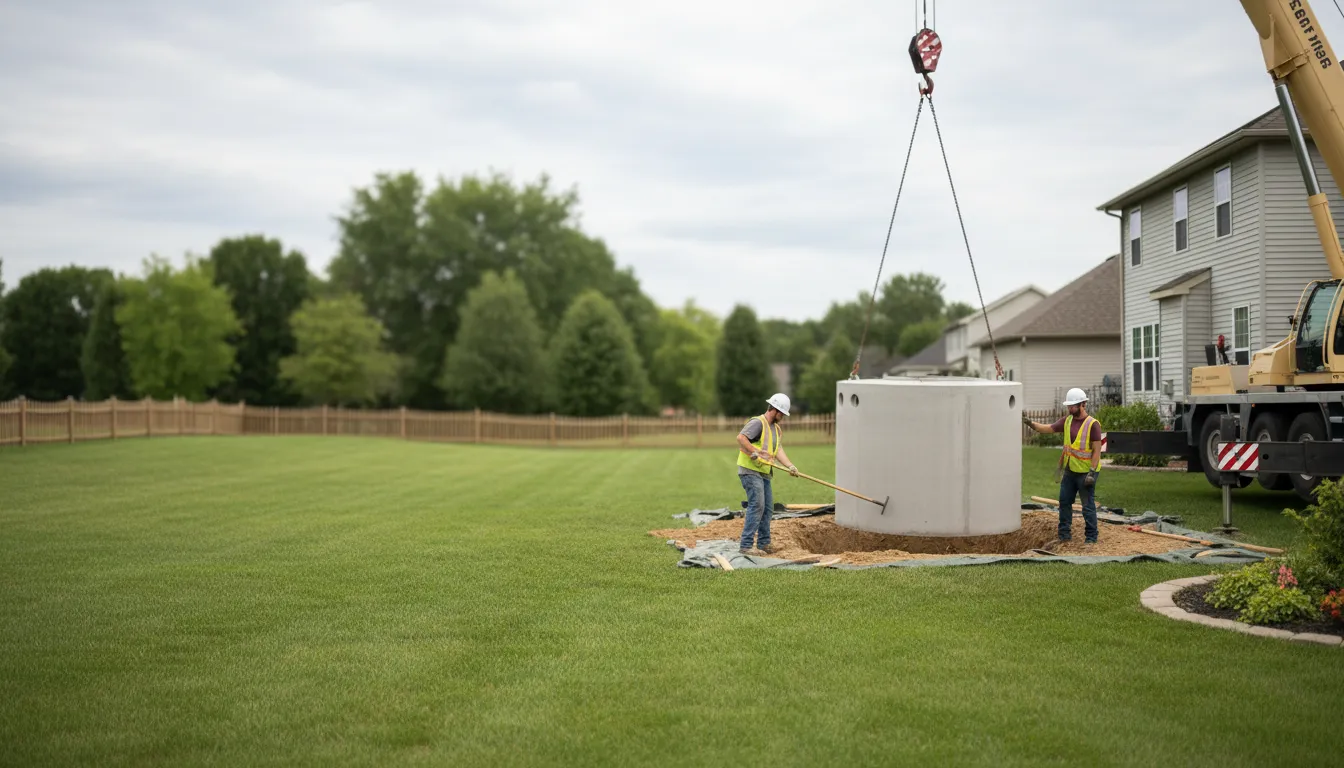
Find the Best Septic Tank Installation & Replacement Contractors for Your Business
No obligation • Fast responses • Nationwide coverage

Why you can trust Septic Spot
Septic Spot is a leading United States resource for understanding and comparing septic services. Our editors review providers using consistent criteria and verify key business details. Listings and scores are independent, and companies cannot pay to influence our content.
Search providers near you
Top Septic Tank Installation & Replacement Contractors in San Bruno, California Ranked
Installing or replacing a septic system is a significant home infrastructure project that requires careful planning, professional expertise, and strict adherence to local regulations. For San Bruno homeowners not connected to the municipal sewer, a properly functioning onsite wastewater treatment system is essential for health, safety, and property value. This guide outlines the key steps, costs, and regulatory requirements for septic system installation and replacement in San Bruno, helping you understand the process and connect with qualified local professionals.
PICHANGA PUMPING SERVICE LLC
901 N Rengstorff Ave, Mountain View, CA 94043
PICHANGA PUMPING SERVICE LLC is a family-owned business with over 10 years of experience, serving San Jose, CA. They provide septic tank pumping, inspection, repair, and installation services. The company uses specialized equipment for camera inspections and locating issues within pipes and sewer lines. They also offer restroom rentals. Pichanga Pumping Service provides after-hours and emergency services for added convenience.
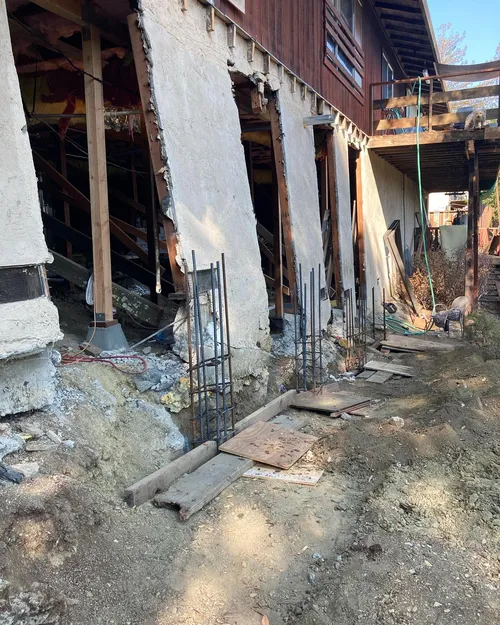
Howie Excavating & Grading
49 Ridgewood Dr, San Rafael, CA 94901
Howie Excavating & Grading is a septic system repair and installation company serving Oakland, CA. They offer a range of services including septic tank installation, septic system repair, sewer line repair and replacement, as well as grading and drainage solutions. Their capabilities also extend to underground utility installation, trenching, and concrete foundation work. The company operates from locations in San Rafael and Santa Rosa, providing services throughout the Oakland area during regular business hours.
Understanding San Mateo County Regulations
In San Bruno, all septic system work is regulated by the San Mateo County Environmental Health Division (SMCEH). A permit from SMCEH is mandatory for any new installation or full system replacement, especially if a public sanitary sewer is not available within 300 feet of your property 1. The county's primary goal is to protect public health and groundwater by ensuring systems are designed and built to handle your household's wastewater effectively.
The approval process is thorough. You must submit a detailed site plan, engineered design plans, and the results of a professional soil evaluation before any permit is issued and before any digging begins 2 3. It's crucial to note that if your property has unsuitable soil conditions, high groundwater, or problematic topography, a conventional septic system may be prohibited altogether 2. Furthermore, once issued, a permit will expire if construction does not start within one year 4.
The Critical First Step: Site Evaluation and Soil Testing
You cannot design a septic system without first understanding the land it will be built on. The cornerstone of this evaluation is the soil percolation test (often called a "perc test").
What is a Percolation Test?
A perc test measures the soil's water absorption rate, which directly determines the size and design of your drain field. Simply put, slower-draining soils require a larger leach field area to safely disperse treated wastewater.
Who Conducts the Test?
This is not a DIY project. Tests must be performed by qualified professionals, such as a Registered Environmental Health Specialist (REHS) or a licensed Civil Engineer 5 6. The methodology involves digging test holes, saturating them with water, and meticulously timing how long it takes for the water level to drop 5 7. The data from this report is non-negotiable for your permit application and system design.
The Installation & Inspection Process
Once your plans are permitted, the physical installation begins. SMCEH requires mandatory inspections at several critical stages to ensure compliance with the approved design. Your installer will schedule these inspections, and work cannot proceed to the next phase until the previous one is signed off.
Key Inspection Stages:
- Staking: An inspector verifies the proposed location of the leach trenches.
- Excavation: The inspector examines the empty, uncovered trenches to check for proper depth and soil conditions.
- Components: This inspection reviews the installed perforated distribution pipes and drain rock in the trenches.
- Tank Installation: The inspector verifies the septic tank is properly set, leveled, and sealed.
- Final Approval (Start-up): A final check of the entire system is conducted before the trenches are backfilled. This is your official approval to begin using the system.
Find the perfect septic tank installation & replacement contractors for your needs
Get personalized recommendations and expert advice
Cost Considerations for Septic Systems
The total cost for a new or replacement septic system in San Bruno is typically substantial, often ranging from $10,000 to over $20,000 for a standard system. While a 1,000-gallon concrete tank alone may cost between $500 and $900, the total installed price is driven by many other factors.
Primary Cost Drivers:
- Site Evaluation & Permitting: This includes the soil percolation test, engineering design plans, and county permit fees, which can range from $320 to $1,880 or more 8.
- System Size and Complexity: Larger homes require tanks with greater capacity. Expect to pay an additional $50 to $150 for every 100 gallons over a standard size 9. Alternative systems for difficult sites (like mound systems) are significantly more expensive.
- Excavation and Labor: The cost of heavy equipment, labor for digging, and disposal of old material (in a replacement scenario) forms a major part of the budget.
- Replacement vs. New Installation: Replacing an existing system is generally more costly than a new installation on undeveloped land. This is due to the added labor and equipment needed to safely dismantle and remove the old tank and drain field 10.
Choosing a System for Your Property
Not all septic systems are the same. The right choice for your San Bruno property depends entirely on the site evaluation.
- Conventional Systems: These are the most common, consisting of a septic tank and a subsurface trench drain field. They are suitable for properties with adequate soil depth and acceptable percolation rates.
- Alternative/Engineered Systems: If your soil fails a standard perc test or you have a high water table, steep slope, or small lot, an engineered system may be necessary. These include mound systems, aerobic treatment units (ATUs), or drip irrigation fields. They involve more complex technology and ongoing maintenance but make wastewater treatment possible on challenging sites.
Maintaining Your New Investment
A properly installed system is just the beginning. Protecting your investment requires consistent, proper maintenance. This includes having the septic tank pumped regularly (typically every 3-5 years), conserving water to avoid overloading the drain field, and never flushing harmful chemicals or non-biodegradable materials. A well-maintained system can last for decades, while a neglected one can fail catastrophically and require a very expensive premature replacement.
Disclaimer: Regulations and fees are subject to change. Always contact the San Mateo County Environmental Health Division for the most current requirements before beginning any project.
Frequently asked questions
Sources
Footnotes
-
How to Know if You Need a Septic System Permit - Pippin Home Designs - https://www.pippinhomedesigns.com/septic-system-permit/ ↩
-
Santa Clara County Onsite Systems Manual - California Water Boards - https://www.waterboards.ca.gov/sanfranciscobay/board_info/agendas/2016/January/SantaClaraOWTS/SCC_OWTS_B_Onsite_Systems_Manual.pdf ↩ ↩2
-
California Septic Tank Requirements | Onsite Wastewater ... - https://www.ntotank.com/blog/california-septic-tank-requirements ↩
-
Septic System & Percolation Testing Permit Handout • Number of plan sets normally required • Information normally requir - https://www.woodsideca.gov/DocumentCenter/View/569/Septic-System-and-Percolation-Testing-Permit-Handout-PDF?bidId= ↩
-
ONSITE SYSTEMS MANUAL - San Mateo County Health - https://www.smchealth.org/sites/main/files/file-attachments/201601_osm_complete.pdf ↩ ↩2
-
Residential Percolation Test - West Coast Sanitation - https://westcoastsanitationinc.com/residential-percolation-test/ ↩
-
ORDINANCE NO - San Mateo County Health - http://www.smchealth.org/sites/main/files/file-attachments/20151215_onsite_waste_water_treatment_systems_ordinance_san_mateo_county.pdf ↩
-
SECTION 1 POLICIES AND ADMINISTRATIVE PROCEDURES ... - https://www.smchealth.org/sites/main/files/file-attachments/201601_section_1.pdf?1490801087 ↩
-
Residential Septic Tank Pricing | Homeowner's Guide to Costs - https://www.ntotank.com/blog/residential-septic-tank-pricing ↩
-
Breaking down expenses: How much does a septic system cost? - https://point.com/blog/how-much-does-a-septic-system-cost ↩