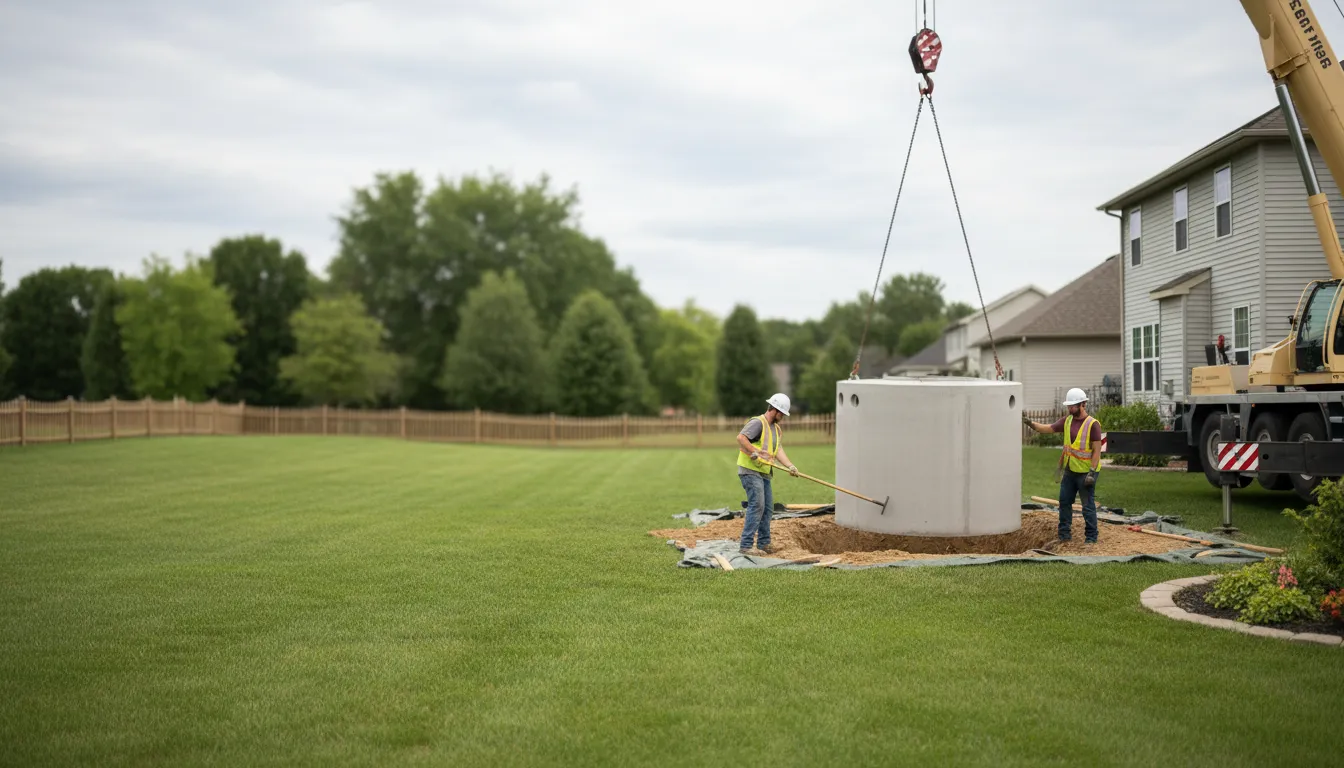
Find the Best Septic Tank Installation & Replacement Contractors for Your Business
No obligation • Fast responses • Nationwide coverage

Why you can trust Septic Spot
Septic Spot is a leading United States resource for understanding and comparing septic services. Our editors review providers using consistent criteria and verify key business details. Listings and scores are independent, and companies cannot pay to influence our content.
Search providers near you
Top Septic Tank Installation & Replacement Contractors in San Jacinto, California Ranked
Installing or replacing a septic system is a significant home improvement project that ensures the safe and effective treatment of household wastewater. For San Jacinto homeowners, this process is governed by specific local and state regulations designed to protect public health and the sensitive watershed. Understanding the steps, costs, and requirements for septic system installation or a full septic tank replacement is crucial for a successful project. This guide provides the essential information you need to navigate the process and connect with qualified local professionals.
Mr. Rooter Plumbing of San Bernardino
410 W Valley Blvd, Colton, CA 92324
Mr. Rooter Plumbing of San Bernardino offers a wide range of plumbing services including septic tank pumping, repair, and installation in Riverside, CA. The company serves San Bernardino and surrounding areas with expertise in plumbing repairs, drain cleaning, sewer line services, and septic system solutions. They use advanced tools such as trenchless technology and video camera inspections to address plumbing issues efficiently. Mr. Rooter Plumbing provides 24/7 emergency plumbing services backed by the Neighborly Done Right Promise®, ensuring quality workmanship and customer satisfaction.
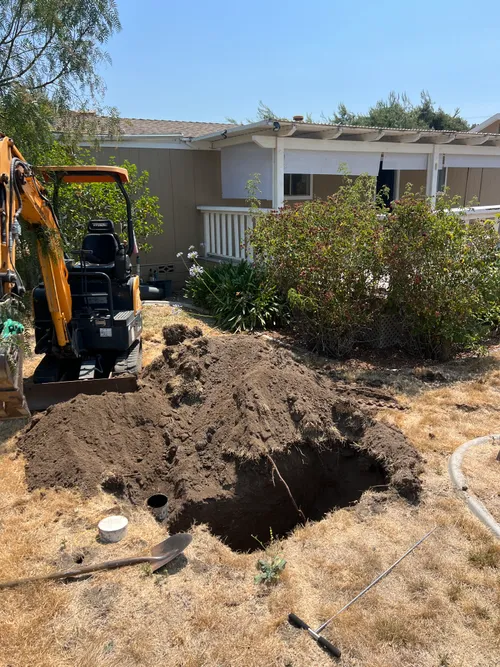
CertifiedSeptic.com
41700 Ivy St STE C, Murrieta, CA 92562
CertifiedSeptic.com provides septic tank pumping, inspection, installation, and maintenance services in Los Angeles, CA. Their offerings include septic pumping, certification inspections, system locating using ground-penetrating radar, sewer line video scoping, and hydro-jetting to clear clogs and buildup. The company designs and installs new septic systems following local regulations to ensure long-term functionality. Hydro-jetting is a key capability, using high-pressure water to clean pipes effectively and eco-friendly.
Rightway Septic Tank Pumping
653 W Minthorn St, Lake Elsinore, CA 92530
Rightway Septic Tank Pumping is a family-owned septic service provider based in Lake Elsinore, serving the Inland Empire area including Los Angeles, CA. They offer a range of services such as septic tank pumping, repairs, installations, wastewater treatment maintenance, seepage pit drilling, and septic system locating for both residential and commercial properties. With over 75 years of experience, Rightway is C-42 certified, ensuring compliance with industry standards and regulations. Their capabilities include septic tank pumping and maintenance using advanced equipment and techniques to maintain system efficiency.
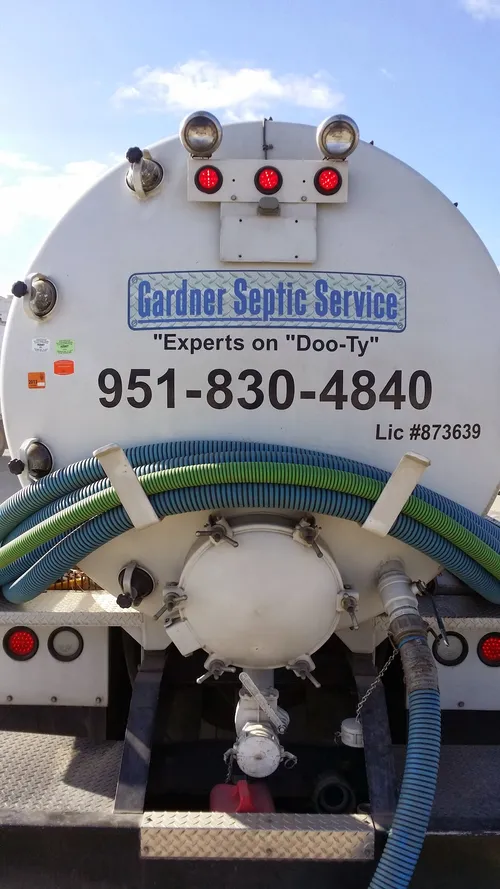
Gardner Septic Services
Los Angeles, CA
Gardner Septic Services is a family-owned company based in Los Angeles, CA, specializing in septic system design, installation, pumping, repairs, inspections, and certifications. Serving the Inland Empire area including Riverside, Moreno Valley, Woodcrest, Yucaipa, Redlands, and nearby communities, they handle projects ranging from small repairs to complete septic system installations. With over 20 years of experience and licensed as a C-42 sanitation systems contractor, Gardner Septic Services offers comprehensive septic solutions including septic tank locating, riser and lid installations, and drain field repairs. They provide 24/7 emergency septic services to address urgent needs at any time.
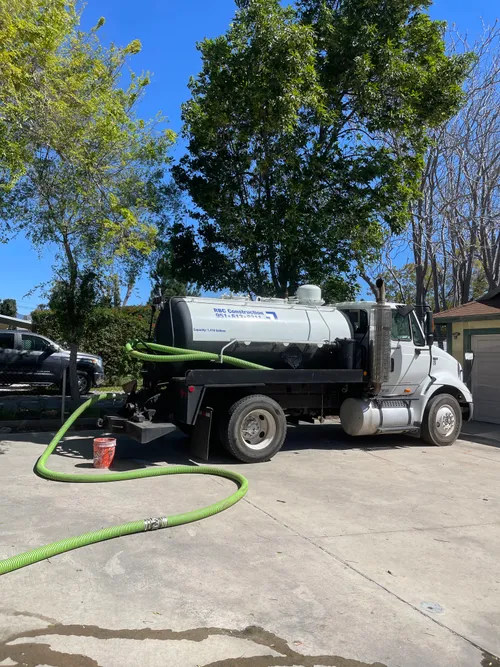
Rbc septic services
Irvine, CA
Rbc Septic Services is a septic system company based in Irvine, CA, offering installation, maintenance, inspection, pumping, and repair services. With over 10 years of experience, they focus on sustainable and environmentally responsible septic solutions. Their team uses modern technology to ensure efficient and effective service while prioritizing safety and customer needs.
Understanding the Septic System Installation Process
A new septic system installation or a complete system replacement is not a simple DIY task. It's a multi-stage process that requires professional expertise and regulatory oversight. The goal is to create an onsite wastewater treatment system that safely processes household effluent without contaminating groundwater or surface water. In San Jacinto, this process is managed by the Riverside County Department of Environmental Health (DEH) to ensure compliance with California's strict environmental codes.
The journey typically begins with a comprehensive site evaluation. This critical first step assesses your property's suitability for a conventional or alternative septic system. Following this, the most important technical requirement is the percolation test, which determines the soil's absorption rate. The results of this test directly influence the design and size of the drain field, a major component of the overall system.
Step 1: The Mandatory Site Evaluation and Percolation Test
Before any plans are drawn, a licensed professional must conduct a formal site evaluation. This evaluation examines soil conditions, topography, and the depth to groundwater. The cornerstone of this evaluation is the percolation test (often called a "perc test").
What is a Percolation Test? A percolation test measures how quickly water drains through the soil in the proposed leach field area. This rate determines the size and type of drainage system needed. Slow-draining soils like heavy clay require a larger drain field or a more advanced engineered system.
Key Requirements for a San Jacinto Perc Test:
- The test must be performed by a qualified professional, such as a soil engineer or a licensed septic contractor.
- Test holes are typically required to be 8-12 inches in diameter and dug within 35 feet of the proposed leach field location 1 2.
- At least two test holes are generally required to get a representative sample of the soil conditions 3.
- The test measures how many minutes it takes for water to drop one inch in the saturated hole. Soils with a percolation rate slower than 60 minutes per inch may face significant challenges for a conventional system 4.
A failed or poor percolation test doesn't mean you can't build; it means you'll likely need an alternative (and often more expensive) wastewater treatment system, such as a mound system or an aerobic treatment unit (ATU).
Step 2: System Design and Permit Acquisition
Once the site is evaluated, the next step is system design and permitting. This is where local regulations come sharply into focus.
The Permit Authority: In San Jacinto, all septic system installations and replacements require a construction permit from the Riverside County Department of Environmental Health (DEH). The county's regulations are designed to align with the California Plumbing Code and the specific guidelines set by the Regional Water Quality Control Board for the San Jacinto watershed, which addresses concerns like nutrient discharge 5.
The Design and Submission Process:
- Professional Design: Based on the site evaluation, a detailed design plan is created. For most systems, these plans must be prepared or approved by a registered Professional of Record (PR), such as a civil engineer 6.
- Plan Submission: The complete design package, including the site evaluation report and percolation test results, is submitted to the DEH for review.
- Permit Issuance: After the plans are approved, the DEH issues a construction permit. This permit is your legal authorization to begin installation. Do not start any excavation or construction before receiving this permit.
Understanding Permit Fees: Permit fees are an unavoidable part of the process. In Riverside County, these fees can vary widely based on the project's complexity, ranging from approximately $320 for simpler projects to over $1,880 for large or complex system installations 7.
Step 3: Installation, Inspections, and Final Approval
With permit in hand, a licensed septic contractor can begin the physical installation. This process is subject to mandatory inspections by the DEH to ensure every component meets code.
Key Installation & Inspection Stages:
- Excavation and Tank Placement: The hole for the septic tank is dug, and the tank is set and leveled.
- Pre-Cover Inspection: Before the septic tank is buried, a county inspector will check its placement, the inlet/outlet baffles, and the watertight integrity.
- Drain Field Construction: Trenches or a bed for the leach field are excavated and filled with gravel. Perforated distribution pipes are laid.
- Final Inspection: Once the entire system-tank, piping, and drain field-is installed but before it is covered with soil, a final inspection is conducted. The inspector verifies proper construction, pipe slopes, and overall compliance with the approved design 8.
- Approval to Cover: Only after the inspector gives the "okay to cover" can the system be backfilled.
Find the perfect septic tank installation & replacement contractors for your needs
Get personalized recommendations and expert advice
Cost Factors for Septic System Installation in San Jacinto
The total cost of a new septic system or a major replacement is highly variable. There is no flat fee, as it depends entirely on your property's specific conditions and the system type required. Here's a breakdown of the primary cost drivers:
1. Soil Conditions and System Type: This is the largest variable. A conventional gravity-fed system on ideal, well-draining soil is the most affordable option. If your percolation test reveals poor drainage or a high water table, you will need an engineered alternative system (like a mound, drip irrigation, or ATU), which can double or triple the total cost 9 10.
2. Scope of Work: New Install vs. Full Replacement:
- Complete New System Installation: For a new home build, costs encompass the tank, entire drain field, piping, and all labor and permits.
- Drain Field Replacement: Often the most expensive single component. Replacing a failed leach field alone can range from $3,000 to over $10,000, depending on size and soil 11.
- Septic Tank Replacement: Swapping out an old tank for a new one is generally less expensive than drain field work, but costs add up when combined with new distribution boxes and piping.
3. System Size and Material: Larger tanks (needed for more bedrooms) cost more. Concrete tanks are common, but plastic or fiberglass options are also available at different price points.
4. Permit and Design Fees: As noted, plan review and permit fees from the county are a fixed cost, typically in the hundreds of dollars 12.
5. Site Accessibility and Landscaping: Difficult site access for heavy machinery or the need to remove trees, rocks, or existing structures will increase labor costs. After installation, you'll also need to budget for restoring your yard.
Critical Regulations and Setback Requirements
San Jacinto property owners must adhere to strict setback distances, which are legal minimum distances the septic system must be from other features. These are non-negotiable for permit approval:
- Drinking Water Wells: Septic systems must be located a minimum distance (often 100 feet or more) from any water well to prevent contamination 13.
- Buildings and Property Lines: Setbacks from your home, neighboring homes, and property lines are required.
- Water Bodies and Drainage Ways: Greater distances are mandated from creeks, streams, and storm drains.
Your septic contractor and the county inspector will verify that your system design meets all these setback requirements for Riverside County 14.
Choosing the Right Professional for the Job
Given the technical and regulatory complexity, selecting an experienced, licensed septic installation contractor is paramount. Look for professionals who:
- Are licensed by the state of California for septic system construction.
- Have extensive experience with the Riverside County DEH permit process.
- Can provide references from recent jobs in the San Jacinto area.
- Clearly explain the process, provide detailed written estimates, and pull all required permits.
- Offer warranties on their workmanship.
A reputable contractor will guide you from the initial site evaluation through the final inspection, ensuring your new wastewater system is built to last and fully compliant.
Frequently asked questions
Sources
Footnotes
-
Percolation Test Requirements | Kern County, CA - https://www.kernpublichealth.com/permitting-compliance/waste/septic-systems/percolation-test-requirements ↩
-
The SoCal Guide to Septic Tank Installation: What Every Homeowner Needs to Know - https://www.lanikseptic.com/socal-guide-septic-tank-installation/ ↩
-
LOCAL AGENCY MANAGEMENT PROGRAM for ONSITE ... - https://rivcoeh.org/sites/g/files/aldnop361/files/migrated/Portals-0-PDF-Land-Use-LAMP-2022.pdf ↩
-
Percolation Test for Septic Systems | PDF | Septic Tank | Drainage - https://www.scribd.com/document/214135383/Percolation-Test ↩
-
san jacinto onsite wastewater management program - https://sawpa.gov/wp-content/uploads/2019/01/San-Jacinto-Septic-Systems-Mgmt-Plan-vNov-17-2007.pdf ↩
-
Septic Systems | Riverside County Department of Environmental ... - https://rivcoeh.org/septic-systems ↩
-
Understanding Septic System Cost: A Complete Guide - https://ky-pd.com/blog/septic-system-cost-breakdown/ ↩
-
How to Know if You Need a Septic System Permit - Pippin Home Designs - https://www.pippinhomedesigns.com/septic-system-permit/ ↩
-
The SoCal Guide to Septic Tank Installation - https://www.lanikseptic.com/socal-guide-septic-tank-installation/ ↩
-
Onsite Wastewater Treatment System Guidance Manual - https://emd.saccounty.gov/EC/Documents/OWTSMANUAL.pdf ↩
-
Septic Tank Replacement and Drain Field Cost in California - https://www.lanikseptic.com/how-much-does-it-cost-to-replace-a-septic-tank-and-drain-field-in-california/ ↩
-
Breaking down expenses: How much does a septic system cost? - https://point.com/blog/how-much-does-a-septic-system-cost ↩
-
California Septic Tank Requirements | Onsite Wastewater ... - https://www.ntotank.com/blog/california-septic-tank-requirements ↩
-
Site Evaluation and Testing Procedures - https://scceh.com/Portals/6/Env_Health/LAMP/AppFSITEEvalandTestingProcedures.pdf ↩