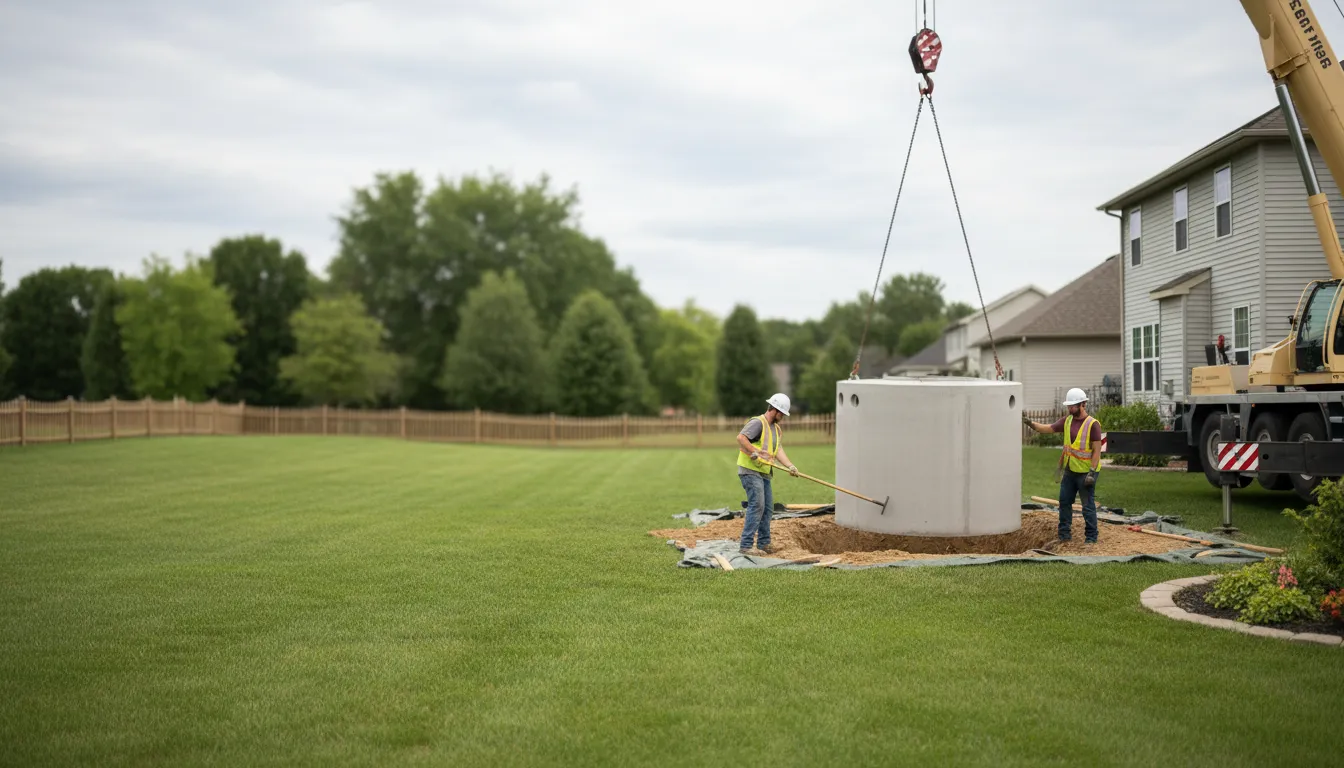
Find the Best Septic Tank Installation & Replacement Contractors for Your Business
No obligation • Fast responses • Nationwide coverage

Why you can trust Septic Spot
Septic Spot is a leading United States resource for understanding and comparing septic services. Our editors review providers using consistent criteria and verify key business details. Listings and scores are independent, and companies cannot pay to influence our content.
Search providers near you
Top Septic Tank Installation & Replacement Contractors in San Leandro, California Ranked
Installing or replacing a septic system is a significant home infrastructure project, especially in a regulated environment like the San Francisco Bay Area. In San Leandro, this process is governed by strict state and local codes designed to protect public health and groundwater. Whether you're building a new home on a lot without sewer access or facing a failing system, understanding the permitting, site evaluation, and installation requirements is crucial. This guide outlines the key steps, regulations, and considerations for septic system work in San Leandro, helping you navigate the process and connect with qualified local professionals.
PICHANGA PUMPING SERVICE LLC
901 N Rengstorff Ave, Mountain View, CA 94043
PICHANGA PUMPING SERVICE LLC is a family-owned business with over 10 years of experience, serving San Jose, CA. They provide septic tank pumping, inspection, repair, and installation services. The company uses specialized equipment for camera inspections and locating issues within pipes and sewer lines. They also offer restroom rentals. Pichanga Pumping Service provides after-hours and emergency services for added convenience.
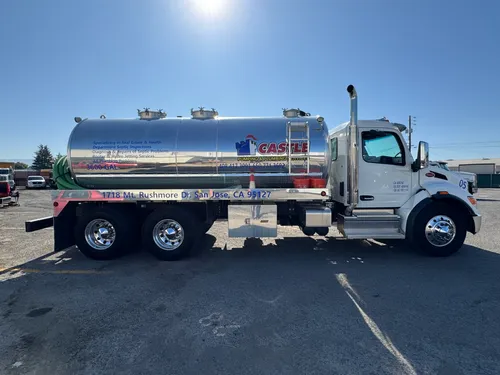
Castle Pumping and Plumbing Services
San Jose, CA
Castle Pumping and Plumbing Services is a locally owned company based in San Jose, CA, offering comprehensive septic system services including pumping, inspections, repairs, and installations. With over 32 years of experience, they serve residential and commercial properties in the San Jose area. Their expertise includes locating septic tanks, performing detailed inspections of tank components, and specialized outflow line exploration to diagnose backups without unnecessary replacements. The company uses advanced equipment and techniques to maintain and repair septic systems, ensuring long-lasting functionality.
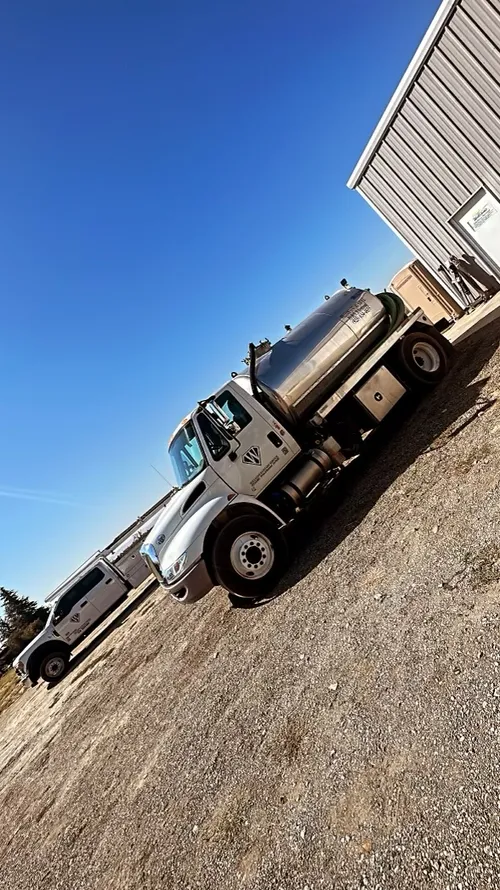
Williams Sanitary Service Inc
Oakland, CA
Williams Sanitary Service Inc is a family-owned septic system company serving Oakland, CA, and surrounding areas since 1950. They provide a full range of septic services including pumping, inspection, repair, and installation for both residential and commercial clients. The company also offers general plumbing services such as drain cleaning and water heater repair. Williams Sanitary Service Inc is equipped to handle all sizes of septic jobs across Contra Costa and Alameda Counties and offers 24/7 service availability.
Howie Excavating & Grading
49 Ridgewood Dr, San Rafael, CA 94901
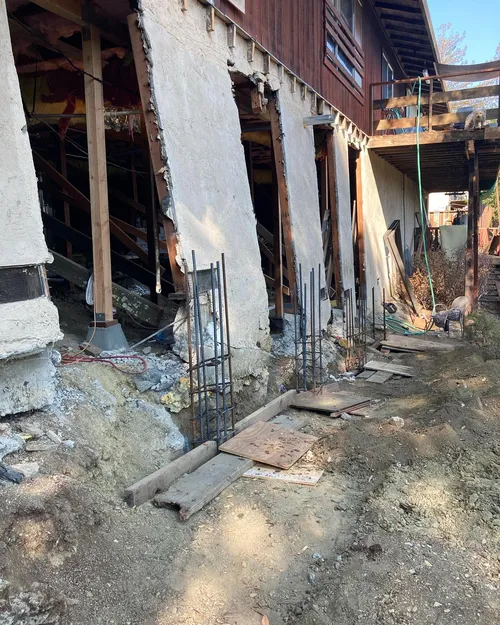
Howie Excavating & Grading is a septic system repair and installation company serving Oakland, CA. They offer a range of services including septic tank installation, septic system repair, sewer line repair and replacement, as well as grading and drainage solutions. Their capabilities also extend to underground utility installation, trenching, and concrete foundation work. The company operates from locations in San Rafael and Santa Rosa, providing services throughout the Oakland area during regular business hours.
Understanding Local Regulations and Permits
In San Leandro, all onsite wastewater treatment system (OWTS) projects are heavily regulated. The primary authority is the Alameda County Department of Environmental Health, which enforces California's statewide OWTS policy along with local ordinances. A permit from the county is mandatory before any construction begins, and your plans will also need to comply with the City of San Leandro's building regulations 1.
A critical first rule is the "sewer availability" check. If a public sewer line is available, typically defined as being within 200 feet of your property line, you may be legally required to connect to it. In such cases, a permit for a new septic system installation will likely be denied 2 3. Always verify sewer availability with the city's public works department before proceeding with septic plans.
Since June 2018, Alameda County has implemented specific, strict ordinances for both new and existing systems, often requiring evaluations by a qualified professional 4 5. These rules are in place to prevent contamination and ensure systems are built to last in the local soil conditions.
The Mandatory Site Evaluation and Soil Testing
You cannot design or install a septic system without first understanding your property's specific conditions. This begins with a professional site evaluation and a soil percolation test (commonly called a "perc test").
- Site Evaluation: A qualified professional will assess your property's topography, slope, groundwater levels, and soil stability. Properties with slopes greater than 20% require special engineering 6 7. The evaluation also determines the suitability and location for both the primary drain field and a mandatory reserve drain field area. This reserve area must be set aside for future use if the primary field fails.
- Percolation Test: This test determines the soil's ability to absorb and filter treated wastewater. Test holes are dug in the proposed leach field area, saturated with water, and then measured to see how quickly the water level drops. The results, measured in minutes per inch, directly dictate the size and design of the absorption field 8. Poorly draining soils like heavy clay can lead to system failure and require alternative technologies 9.
The Installation and Replacement Process
Once permits are secured and the design is finalized, the physical installation can begin. For a full septic system replacement, the process typically involves removing the old tank and drain field components and constructing the new system.
- Excavation: The area for the new septic tank and leach field trenches is excavated.
- Tank Placement: The septic tank, often a 1,000-gallon or larger concrete tank, is set into place. Concrete is common due to its durability, though other materials may be used.
- Leach Field Construction: Perforated pipes are laid in gravel-filled trenches according to the approved design. The size and layout are based entirely on the perc test results and household wastewater flow estimates.
- Inspections: Multiple inspections by the county are required:
- Site/Soil Inspection: Verification of test holes and site conditions.
- Perc Test Observation: A county official may witness the percolation test.
- Construction Inspection: This critical inspection happens before the tank and leach field trenches are covered. It verifies the layout, materials, and proper installation of all components 10.
- Final Inspection: After the system is covered and the site is restored, a final inspection grants approval for use.
The entire installation process for a standard system can take several weeks from start to finish, with weather and permit processing times being major variables 11.
Find the perfect septic tank installation & replacement contractors for your needs
Get personalized recommendations and expert advice
Cost Considerations for San Leandro Homeowners
The cost of septic system installation or replacement in San Leandro varies widely based on system size, soil conditions, and site complexity.
- Permit Fees: Alameda County permit fees can range from approximately $320 to over $1,800, depending on the scope of the project and specific jurisdictional requirements.
- System Costs: For a standard conventional system, full replacement costs often start between $10,000 and $15,000 but can easily reach $20,000 to $30,000 or more for larger homes, difficult sites (steep slopes, poor soil), or systems requiring advanced treatment technology 12. Smaller repairs or tank-only replacements may range from $3,000 to $10,000 13 12.
- Component Breakdown: The septic tank itself is a significant portion of the cost. A standard 1,000-gallon concrete tank may cost between $500 and $900 for the unit, but this price does not include delivery, excavation, or installation 14. The leach field (or drain field) often represents the largest expense due to the extensive excavation and materials required.
Choosing the Right System and Professional
Given the regulatory complexity, selecting an experienced, licensed septic system contractor is non-negotiable. They should be intimately familiar with Alameda County's permit process and inspection requirements. A good professional will:
- Handle the permit application and site planning.
- Conduct or subcontract the official perc test and site evaluation.
- Design a system that meets code and is appropriate for your property's long-term needs.
- Use quality materials and adhere to construction best practices.
- Schedule and coordinate all necessary inspections.
For properties with challenging soils, alternative systems like mound systems, aerobic treatment units (ATUs), or sand filters may be necessary. Your contractor and the county environmental health specialist can advise on the best and most cost-effective technology for your situation 15.
Maintaining Your New Septic System
After investing in a new onsite sewage system, proper maintenance is key to protecting your investment and avoiding premature failure. This includes regular pumping of the tank (typically every 3-5 years), conserving water to avoid overloading the system, and avoiding flushing harmful chemicals or non-biodegradable materials. Remember, the reserve drain area must remain undisturbed and available for future use.
Frequently asked questions
Sources
Footnotes
-
City of San Leandro - https://www.sanleandro.org/DocumentCenter/View/5311/SSMP-Volume-I?bidId= ↩
-
California Septic Tank Requirements | Onsite Wastewater ... - https://www.ntotank.com/blog/california-septic-tank-requirements ↩
-
Minimum Guidelines - California State Water Resources Control Board - https://www.waterboards.ca.gov/rwqcb2/water_issues/programs/planningtmdls/basinplan/web/res/res_79-5.pdf ↩
-
onsite wastewater treatment systems manual - Alameda County - http://www.acgov.org/board/bos_calendar/documents/DocsAgendaReg_06_05_18/HEALTH%20CARE%20SERVICES/Regular%20Calendar/ENVHLTH_265995.pdf ↩
-
chapter 15.18 - Alameda County - http://www.acgov.org/board/bos_calendar/documents/DocsAgendaReg_05_10_16/HEALTH%20CARE%20SERVICES/Consent%20Calendar/ENVHLTH_231352.pdf ↩
-
The Californian's Guide To Septic Tanks - https://cacciaplumbing.com/blog/california-septic-tank-guide/ ↩
-
Residential Percolation Test - West Coast Sanitation - https://westcoastsanitationinc.com/residential-percolation-test/ ↩
-
How to Know if You Need a Septic System Permit - Pippin Home Designs - https://www.pippinhomedesigns.com/septic-system-permit/ ↩
-
Pearland Clay Soil vs Septic Systems | 40% Failure Rate - https://accurateplumbingtx.com/pearland-clay-soil-septic-system-failure/ ↩
-
Septic System Approval: Percolation Test & Expert Guidance - https://smartsepticpros.com/blog/how-to-do-a-percolation-test/ ↩
-
How Long Does It Take to Replace a Septic Tank? - Mineo Bros Septic - https://www.mineobrosseptic.com/news/how-long-does-it-take-to-replace-a-septic-tank/ ↩
-
Septic Tank Replacement and Drain Field Cost in California - https://www.lanikseptic.com/how-much-does-it-cost-to-replace-a-septic-tank-and-drain-field-in-california/ ↩ ↩2
-
Residential Septic Tank Pricing | Homeowner's Guide to Costs - https://www.ntotank.com/blog/residential-septic-tank-pricing ↩
-
Breaking down expenses: How much does a septic system cost? - https://point.com/blog/how-much-does-a-septic-system-cost ↩
-
Septic System (Onsite Wastewater Treatment Systems, OWTS ... - https://www.waterboards.ca.gov/centralcoast/water_issues/programs/septics/permits.html ↩