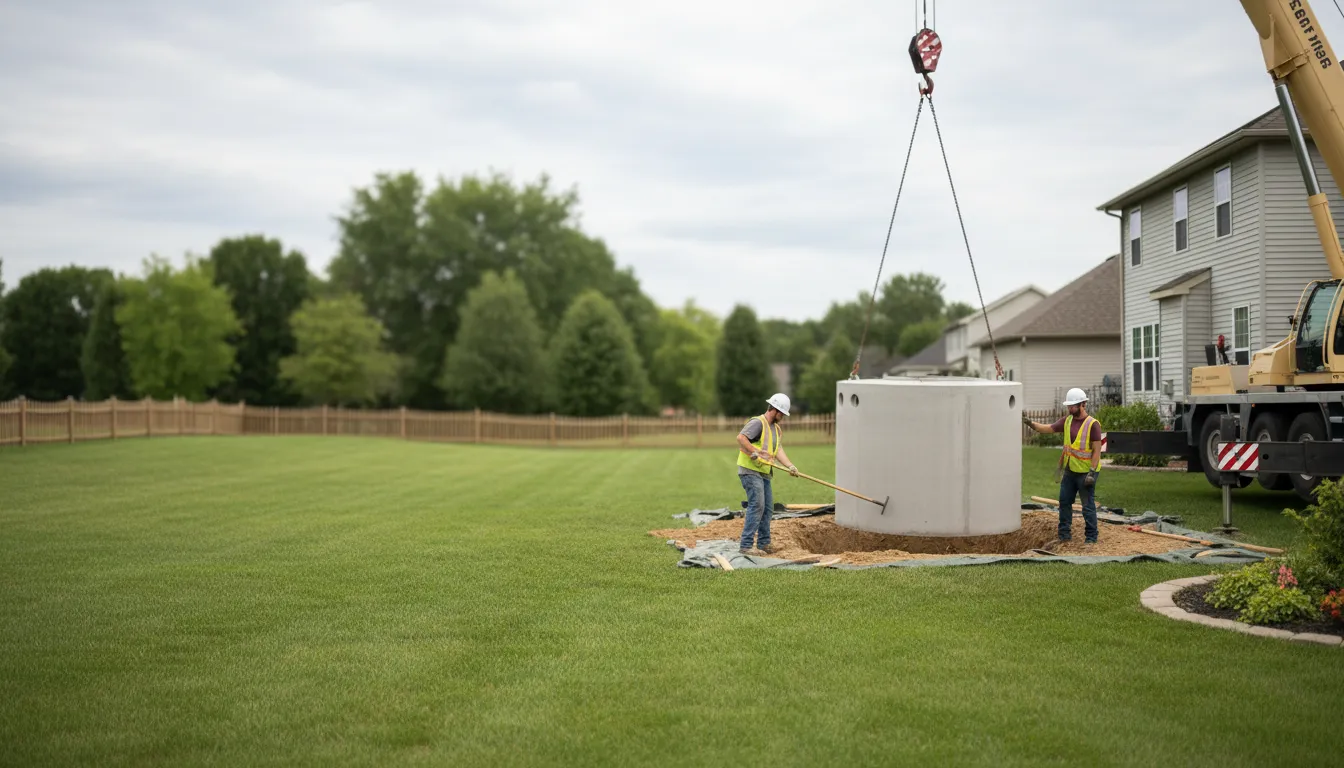
Find the Best Septic Tank Installation & Replacement Contractors for Your Business
No obligation • Fast responses • Nationwide coverage

Why you can trust Septic Spot
Septic Spot is a leading United States resource for understanding and comparing septic services. Our editors review providers using consistent criteria and verify key business details. Listings and scores are independent, and companies cannot pay to influence our content.
Search providers near you
Top Septic Tank Installation & Replacement Contractors in San Rafael, California Ranked
Installing or replacing a septic system is a significant home infrastructure project that ensures the safe and effective treatment of household wastewater. In San Rafael and across Marin County, this process is carefully regulated to protect public health and the local environment. This guide explains the essential steps, regulations, and considerations for septic system installation and replacement, helping you understand what to expect and how to connect with qualified local professionals for your project.
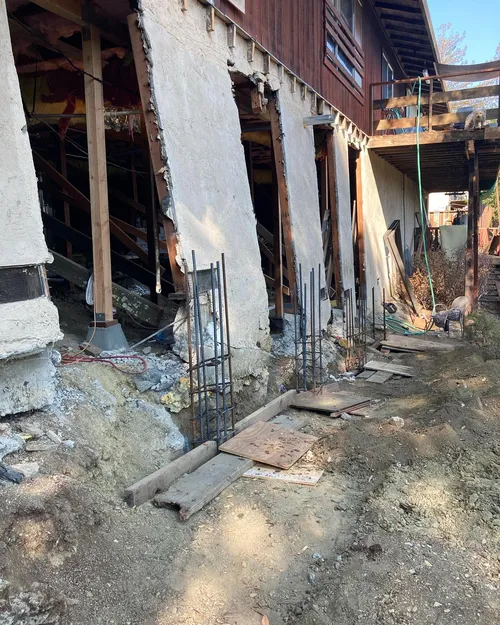
Understanding Septic System Basics
A septic system, or onsite wastewater treatment system (OWTS), is a self-contained, underground system that treats sewage from homes not connected to a municipal sewer line. The typical system consists of a septic tank, where solids settle and begin to decompose, and a drain field (or leach field), where the treated liquid effluent is dispersed into the soil for final purification. Proper installation is critical for long-term functionality, preventing backups, groundwater contamination, and costly failures.
The Regulatory Landscape in Marin County
All new installations, repairs, and replacements of septic tanks and disposal fields in San Rafael are managed by Marin County Environmental Health Services (EHS). A septic construction permit is mandatory before any work begins. The county's stringent rules are designed to safeguard the unique ecosystems of the Bay Area, including the sensitive Coastal Zone and Stream Conservation Areas, which often require additional permissions.
The Permit Application Process
The journey begins with a permit application submitted to Marin County EHS. This is not a simple formality; it's a detailed process requiring several key components:
- Site Evaluation: A professional must assess your property's topography, soil conditions, and groundwater levels. This evaluation identifies the best location for the tank and drain field.
- Soil Percolation Test: Often called a "perc test," this is a crucial step to confirm the soil's ability to absorb liquid effluent at an adequate rate. The test must be conducted by a qualified designer, typically with county environmental health staff present, and evaluates both the primary and reserve disposal areas 1.
- Engineered Design Plans: Based on the site evaluation and perc test, a licensed designer or engineer creates detailed plans for the entire system. These plans must comply with all county and state standards.
Step-by-Step Installation and Replacement Guide
Whether you're building a new home or replacing a failing system, the process follows a structured path with multiple checkpoints.
1. Planning and Design
This phase involves hiring a licensed septic system designer or engineer. They will handle the site evaluation, soil testing, and creation of the official plans required for your permit application. For replacement projects, this includes an assessment of why the existing system failed.
2. Securing Permits
Once your design plans are complete, you or your contractor submits the full application package to Marin County EHS. Do not excavate or begin any construction until the permit is officially approved and in hand.
3. Excavation and Construction
After permits are secured, construction can begin. The county requires multiple inspections during this phase:
- Pre-Installation/Site Inspection: Officials review the staked-out site and excavated areas to verify they match the approved plans.
- Construction/Installation Inspection: Inspectors check the materials (like the septic tank itself) and their placement before they are covered.
4. Final Approval
A final inspection ensures the entire system is installed exactly according to the approved design. Once it passes, the county issues a Certificate of Installation, which is your official record that the work meets code 2. For some systems, this may also trigger the requirement for a long-term operating permit.
Find the perfect septic tank installation & replacement contractors for your needs
Get personalized recommendations and expert advice
Cost Considerations for Septic Work
The cost of septic tank installation or a full system replacement in San Rafael is highly variable. While simple repairs may be less expensive, complete installations are a significant investment. Key factors influencing price include:
- System Type and Complexity: A conventional gravity-fed system is generally less expensive than an advanced treatment system (like an aerobic treatment unit or mound system) needed for challenging sites.
- Site Constraints: Poor soil quality, high groundwater, steep slopes, or a small lot can dramatically increase costs due to the need for more complex engineering and materials.
- Property Location: Projects within the Coastal Zone or near conservation areas may incur additional review and mitigation costs.
- Permit and Design Fees: These are separate, upfront costs paid to the county and your design professional.
Given these factors, total costs in the Marin County area often range from $10,000 to over $50,000 3 4 5. It's essential to get detailed, site-specific estimates from licensed installation contractors.
Choosing a System for Your Property
Not all septic systems are the same. The right type for your San Rafael home depends entirely on the results of your site evaluation.
- Conventional Systems: These are the most common where soil and site conditions are favorable. They rely on gravity to move effluent from the tank to the drain field.
- Advanced Treatment Systems: Also known as alternative or engineered systems, these are required when soil percolation is too slow or too fast, or if there is a high water table. They mechanically treat wastewater to a higher standard before dispersal.
- Replacement or Repair: Sometimes, only a portion of the system needs work. A tank might be replaced, or a new drain field might be constructed in a previously designated reserve area.
Maintaining Your New Investment
A properly installed system is the first step. Protecting your investment requires regular maintenance, including periodic septic tank pumping (typically every 3-5 years) and avoiding practices that can harm the system, like pouring grease down drains or using excessive water. Marin County may require specific maintenance agreements for advanced systems.
Frequently asked questions
Sources
Footnotes
-
Site Evaluation and Testing Procedures - https://scceh.com/Portals/6/Env_Health/LAMP/AppFSITEEvalandTestingProcedures.pdf ↩
-
The Californian's Guide To Septic Tanks - https://cacciaplumbing.com/blog/california-septic-tank-guide/ ↩
-
Septic systems/onsite wastewater treatment systems - https://www.marincounty.gov/departments/cda/env-health-svcs/prgm-septic ↩
-
Breaking down expenses: How much does a septic system cost? - https://point.com/blog/how-much-does-a-septic-system-cost ↩
-
Septic System Installation: Essential Steps for a Reliable Setup - https://www.bridgewaterenviro.com/septic-system-installation/ ↩