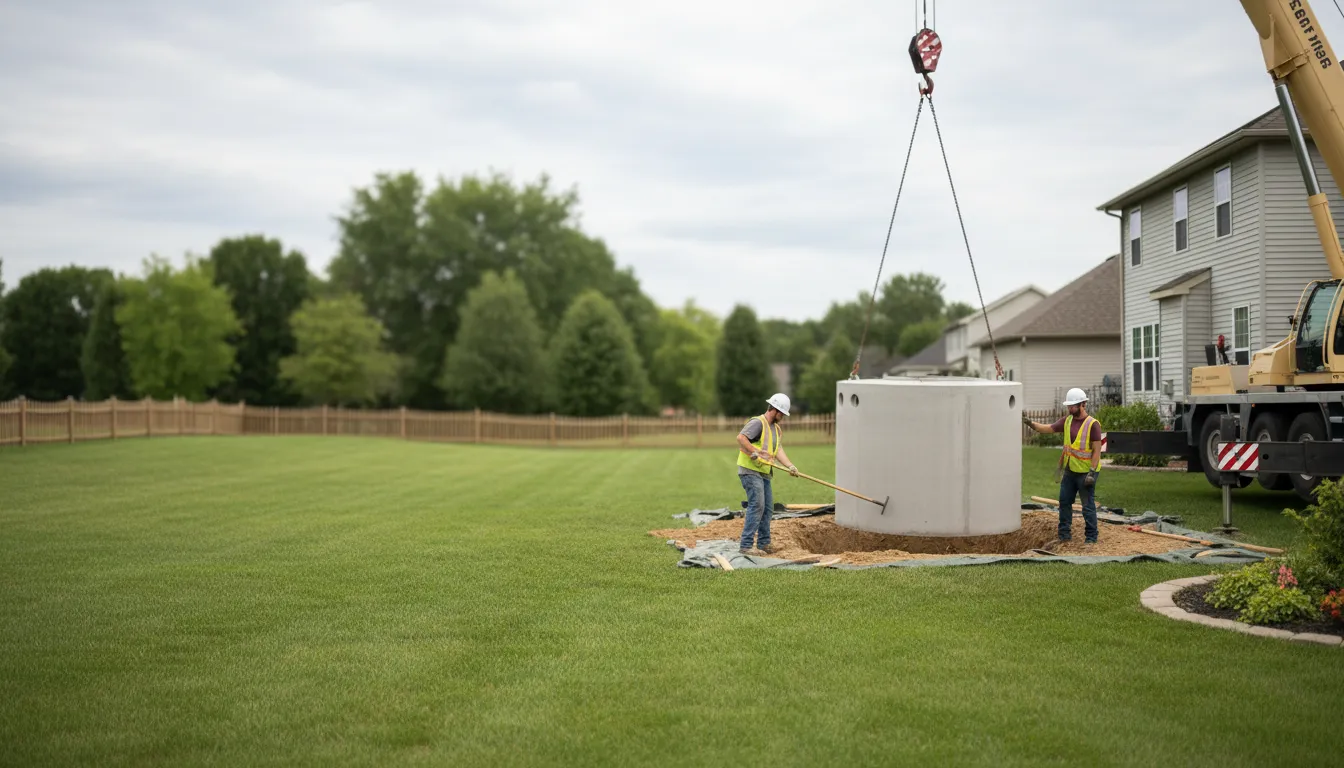
Find the Best Septic Tank Installation & Replacement Contractors for Your Business
No obligation • Fast responses • Nationwide coverage

Why you can trust Septic Spot
Septic Spot is a leading United States resource for understanding and comparing septic services. Our editors review providers using consistent criteria and verify key business details. Listings and scores are independent, and companies cannot pay to influence our content.
Search providers near you
Top Septic Tank Installation & Replacement Contractors in Santa Monica, California Ranked
Installing or replacing a septic system in Santa Monica is a significant project governed by strict local and county regulations. This process ensures that wastewater is treated safely and effectively, protecting public health and the environment. For homeowners, understanding the required steps-from professional site evaluation to final inspection-is crucial for a compliant and functional system. This guide outlines the key considerations, procedures, and local resources to help you navigate planning a new septic tank installation or a full system replacement in the area.
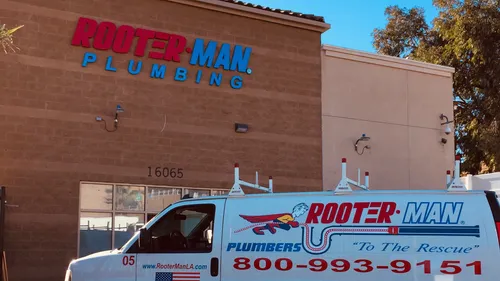
Sewer Man Septic Tank Pumping
16065 Foothill Blvd # B, Sylmar, CA 91342
Sewer Man Septic Tank Pumping provides septic tank pumping, cleaning, inspection, repair, and installation services in Los Angeles, CA. They use specialized equipment such as vacuum trucks and high-pressure water jets to maintain and clean septic systems, helping prevent backups and slow drainage. The company offers emergency septic pumping services for urgent needs and serves a wide range of nearby communities. Sewer Man Septic Tank Pumping is experienced in handling various septic system maintenance tasks to support property owners in the Los Angeles area.
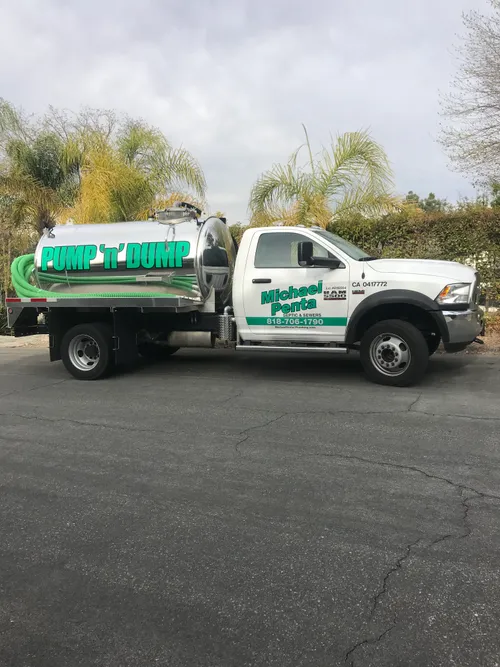
Michael Penta Septic Tank Pumping
Los Angeles, CA
Michael Penta Septic Tank Pumping provides a range of septic services in Los Angeles, CA, including septic tank pumping, installation, inspection, and repair. The company also handles drain field repairs, sewage ejection pump services, and sewer line replacements. Their expertise includes advanced capabilities such as camera inspections for leaks and cracks, soil analysis for leach line repair, and installation of micro septic systems that treat wastewater to a higher quality. They ensure compliance with local regulations and offer comprehensive maintenance to extend the life of septic systems.
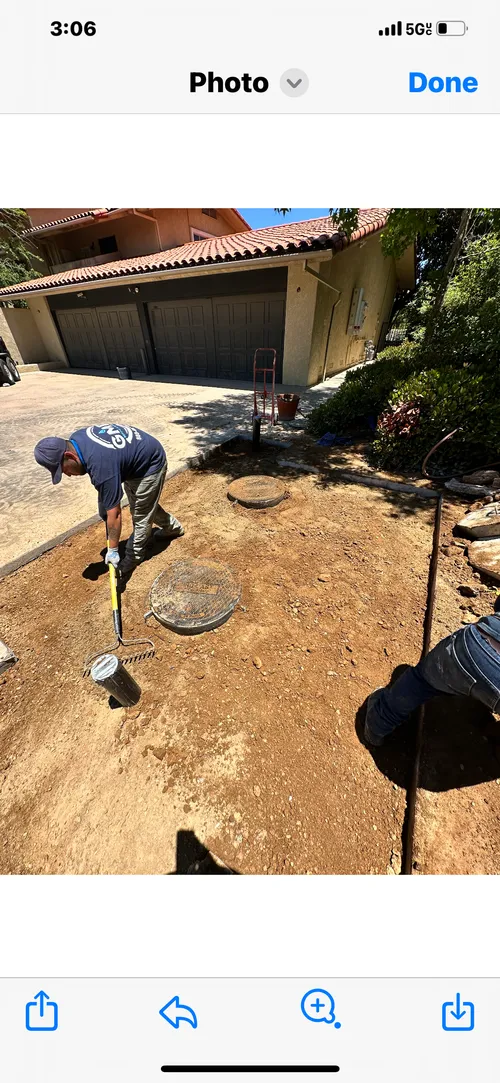
GMP Septic And Sewer
20 Surrey Ln, Rancho Palos Verdes, CA 90275
GMP Septic And Sewer provides a full range of septic services in Los Angeles, CA, including septic tank pumping, cleaning, inspections, repairs, installations, and system upgrades. They handle new construction, remodels, and replacements, ensuring systems are tailored to property needs. The company offers 24/7 emergency services for urgent septic system repairs. Their expertise covers diagnosing leaks, replacing damaged components, and maintaining system performance through regular maintenance and thorough inspections.
Conejo Bros Plumbing
1386 Del Verde Ct, Thousand Oaks, CA 91320
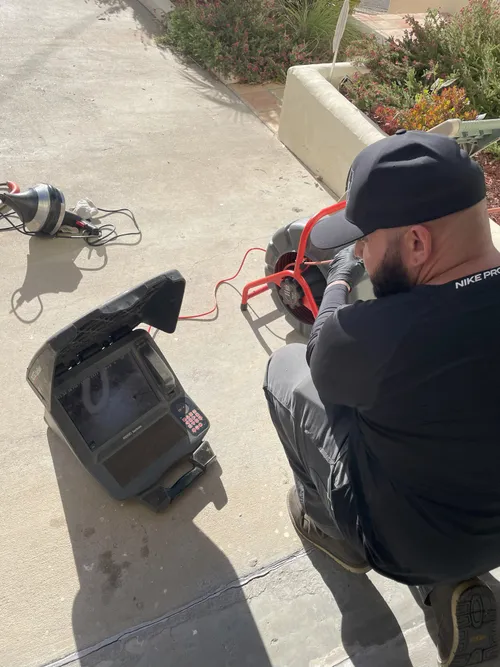
Conejo Bros Plumbing is a septic tank and plumbing service provider based in Oxnard, CA. They offer a wide range of services including septic tank inspection, pumping, repair, and replacement, as well as sewer mainline inspection and trenchless sewer and drain repair. Their capabilities include advanced trenchless pipe relining techniques that allow for pipe repairs without extensive digging, preserving property landscapes. Serving both residential and commercial clients throughout Ventura County and Conejo Valley, Conejo Bros Plumbing also provides 24/7 support for clearing blockages and other urgent plumbing needs.
Just Sewers, INC
Los Angeles, CA
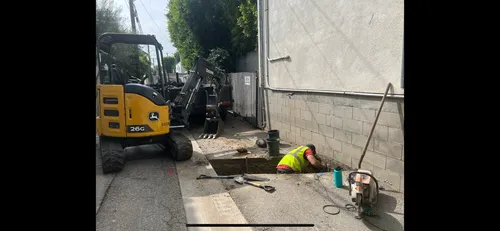
Just Sewers, INC is a sewer and septic service provider based in Los Angeles, CA. They offer a wide range of services including septic tank pumping, inspection, and installation, as well as sewer line cleaning, repair, replacement, and trenchless sewer solutions. Serving Los Angeles and surrounding communities such as Pasadena, Hollywood, Beverly Hills, and Santa Monica, they utilize advanced tools like video inspections and hydro jetting to address plumbing issues efficiently. The company operates 24/7 to handle emergencies and routine maintenance, helping to prevent costly backups and system failures.
Understanding Septic Systems in Santa Monica
While many urban areas are connected to municipal sewer lines, certain properties in and around Santa Monica rely on onsite wastewater treatment systems (OWTS), commonly known as septic systems. These systems are responsible for collecting, treating, and dispersing household wastewater underground. A typical system includes a septic tank, where solids settle and begin to break down, and a leach field (or drain field), where the treated liquid effluent is absorbed by the soil.
Given Santa Monica's proximity to the ocean and the dense urban environment, regulations are particularly stringent to prevent groundwater contamination and other public health issues. All septic system work, whether it's a first-time installation for a new build or replacing a failing system, falls under the jurisdiction of the Los Angeles County Department of Public Health.
The Permit Process: LA County Public Health Approval
You cannot begin any excavation or construction for a septic system without the proper approvals. The LA County Public Health Department is the primary permit authority for conventional and non-conventional OWTS in the region.
Key Steps for Permit Acquisition:
- Professional Site Evaluation: The first mandatory step is hiring a qualified professional, such a soil engineer or licensed septic contractor, to conduct a thorough site assessment. This evaluation determines the feasibility of a septic system on your property.
- Soil Percolation Test: A critical part of the evaluation is the percolation (perc) test. This test measures the soil's absorption rate, recorded in minutes per inch (MPI), to determine how quickly water drains through the soil 1 2. The results directly dictate the size and design of the necessary leach field.
- Plan Submission: Your contractor or engineer will prepare detailed system plans based on the site evaluation. These plans must be submitted to the LA County Public Health Department for review and approval before any permits are issued 3.
- Building Permit: In addition to health department approval, you will likely need a building permit from the local Santa Monica building department for the construction work associated with the system installation.
It's important to note that if you are rebuilding or remodeling a home with an existing system, the entire system may need to be upgraded to meet current code requirements, which could trigger a full replacement project 4.
Critical Site Constraints and Viability
Not every property can support a standard septic system. Several environmental and physical factors can constrain or even prohibit installation:
- Soil Conditions: The results of the perc test are paramount. Soils that drain too slowly or too quickly may require a more advanced, engineered system.
- Slope: The grade of your property must be suitable for proper effluent distribution and to avoid runoff.
- Groundwater Depth: There must be a sufficient vertical separation between the bottom of the leach field and the seasonal high groundwater table.
- Proximity to Structures and Water: Systems must be set back a required distance from buildings, property lines, wells, and any water bodies like the ocean or storm drains 5 6.
A professional site evaluation will identify these constraints and determine what type of system, if any, is viable for your land.
The Installation and Inspection Phases
Once permits are secured, the physical installation begins. This process is broken into distinct stages, each requiring a scheduled inspection by the health department to ensure compliance with the approved plans 7 8.
- Excavation Inspection: Before the tank is set or leach lines are laid, an inspector will visit to verify the excavation is correct for the soil conditions and that the prepared pit or trenches meet specifications.
- Installation Inspection: This occurs after the septic tank is placed and the network of pipes for the leach field is installed. The inspector checks the tank's integrity, proper plumbing connections, and the correct installation of gravel and distribution lines.
- Final Inspection: After the entire system is installed and covered, a final inspection is conducted. Approval at this stage is necessary for the system to be officially certified for use 9 10.
Find the perfect septic tank installation & replacement contractors for your needs
Get personalized recommendations and expert advice
Cost Considerations for Installation and Replacement
The cost of a new septic system or a complete replacement in Santa Monica can vary widely based on site complexity, system type, and tank capacity. It's a significant investment, with several cost components:
- Permit Fees: Fees paid to LA County Public Health and the local building department typically range from $320 to $1,880.
- Design and Testing: This includes the professional site evaluation, soil percolation testing, and system design/engineering plans. These are essential upfront costs.
- System Installation: The bulk of the expense is for materials and labor. For a conventional system, total costs often range between $3,000 and $10,000 or more11 12. Complex sites, larger tanks (e.g., 1,000-gallon tanks are common), or properties requiring an advanced engineered system can drive costs toward the higher end of that range or beyond 13 14.
- Replacement vs. New Installation: Replacing an existing system may involve additional costs for demolition, disposal of the old tank, and potentially upgrading the entire system to modern standards.
Always obtain detailed, written estimates from several licensed and insured septic contractors in the Los Angeles area.
Choosing a Licensed Septic Professional
Given the regulatory complexity, selecting the right contractor is essential. Look for professionals who are:
- Licensed by the state of California for septic system construction.
- Familiar with LA County Public Health codes and procedures.
- Willing to pull all required permits and schedule the necessary inspections.
- Able to provide references from recent projects in the local area.
A reputable contractor will guide you through the entire process, from the initial site assessment to the final certification, ensuring your new or replacement septic system is built to last and fully compliant 15.
Frequently asked questions
Sources
Footnotes
-
Geotechnical and Percolation Soil Testing in California - https://alluvialsoillab.com/pages/geotechnical ↩
-
Residential Percolation Test - West Coast Sanitation - https://westcoastsanitationinc.com/residential-percolation-test/ ↩
-
Conventional and Non-Conventional Onsite Wastewater Treatment ... - https://www.rpvca.gov/DocumentCenter/View/13078/ep_lu_OWTS_ReqAndProc ↩
-
Rebuilding a Home with an Existing Septic System - https://recovery.lacounty.gov/rebuilding/septic-systems/ ↩
-
Onsite Wastewater Treatment System in Los Angeles County - http://www.publichealth.lacounty.gov/eh/business/septic-systems.htm ↩
-
The Californian's Guide To Septic Tanks - https://cacciaplumbing.com/blog/california-septic-tank-guide/ ↩
-
Conventional and Non-Conventional Onsite Wastewater Treatment ... - http://ph.lacounty.gov/eh/docs/ep_lu_ProfessionalGuide.pdf ↩
-
Septic Tank Testing & Inspection | What to Expect Guide | Blog - https://www.blueribbonseptic.com/blog/septic-tank-testing-and-inspection ↩
-
California Septic Tank Requirements | Onsite Wastewater ... - https://www.ntotank.com/blog/california-septic-tank-requirements ↩
-
Title V Septic System Repairs Information and Process - https://www.townofbernardston.org/board-health/page/title-v-septic-system-repairs-information-and-process ↩
-
Septic Tank Replacement and Drain Field Cost in California - https://www.lanikseptic.com/how-much-does-it-cost-to-replace-a-septic-tank-and-drain-field-in-california/ ↩
-
Breaking down expenses: How much does a septic system cost? - https://point.com/blog/how-much-does-a-septic-system-cost ↩
-
How Much Does a Septic Tank Cost? - NerdWallet - https://www.nerdwallet.com/home-ownership/home-improvement/learn/septic-tank-cost ↩
-
How Much Does an Engineered Septic System Cost? [2026 Data] - https://www.angi.com/articles/how-much-does-it-cost-have-engineer-draw-plan-replacement-septic-tank-and-drain-field.htm ↩
-
Septic System Certifications: What Are They and Why They Matter - https://westcoastsanitationinc.com/septic-system-certifications-what-are-they-and-why-they-matter/ ↩