
Find the Best Septic Tank Installation & Replacement Contractors for Your Business
No obligation • Fast responses • Nationwide coverage

Why you can trust Septic Spot
Septic Spot is a leading United States resource for understanding and comparing septic services. Our editors review providers using consistent criteria and verify key business details. Listings and scores are independent, and companies cannot pay to influence our content.
Search providers near you
Top Septic Tank Installation & Replacement Contractors in South Gate, California Ranked
Installing or replacing a septic system is a significant home infrastructure project that ensures the safe and effective treatment of household wastewater. For properties in South Gate not connected to the municipal sewer, a properly designed and permitted onsite wastewater treatment system (OWTS) is essential for protecting public health and the local environment. This guide provides a detailed overview of the process, regulations, and key considerations to help you navigate planning and executing a septic tank installation or replacement project with confidence.
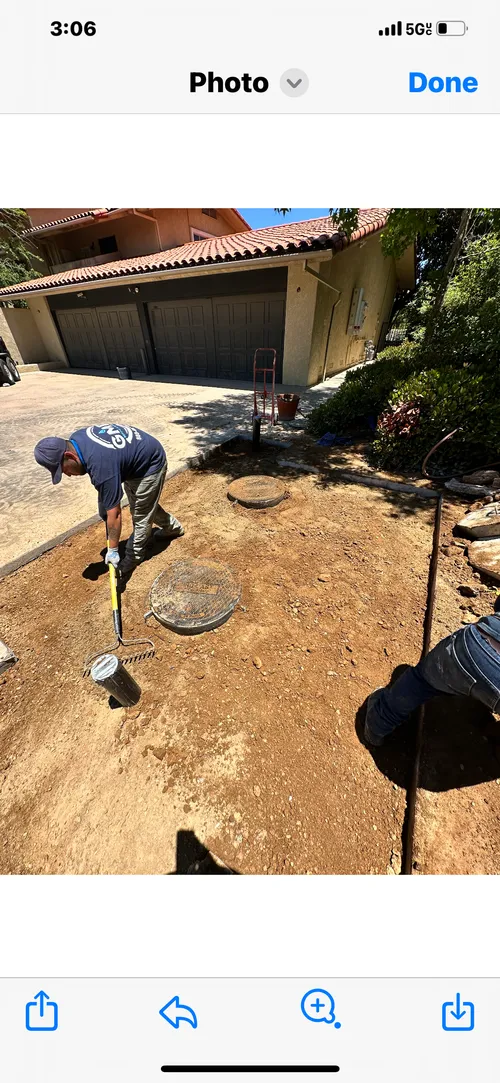
GMP Septic And Sewer
20 Surrey Ln, Rancho Palos Verdes, CA 90275
GMP Septic And Sewer provides a full range of septic services in Los Angeles, CA, including septic tank pumping, cleaning, inspections, repairs, installations, and system upgrades. They handle new construction, remodels, and replacements, ensuring systems are tailored to property needs. The company offers 24/7 emergency services for urgent septic system repairs. Their expertise covers diagnosing leaks, replacing damaged components, and maintaining system performance through regular maintenance and thorough inspections.
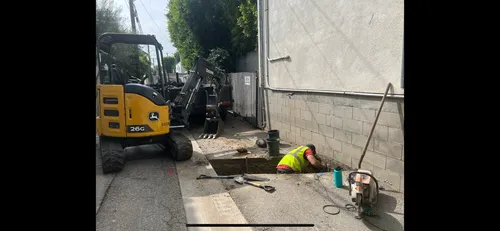
Just Sewers, INC
Los Angeles, CA
Just Sewers, INC is a sewer and septic service provider based in Los Angeles, CA. They offer a wide range of services including septic tank pumping, inspection, and installation, as well as sewer line cleaning, repair, replacement, and trenchless sewer solutions. Serving Los Angeles and surrounding communities such as Pasadena, Hollywood, Beverly Hills, and Santa Monica, they utilize advanced tools like video inspections and hydro jetting to address plumbing issues efficiently. The company operates 24/7 to handle emergencies and routine maintenance, helping to prevent costly backups and system failures.
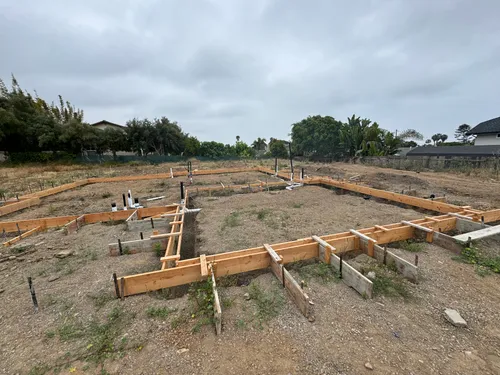
Dreyfuss Grading
Oceanside, CA
Dreyfuss Grading is a construction company based in Oceanside, CA, offering a wide range of services including septic system installation, grading, excavation, concrete foundations, and public works projects. They serve residential, commercial, and municipal clients throughout the San Diego area. The company uses advanced technology such as 3D GPS for precise site preparation and specializes in earthmoving, trenching, and foundation digging. Their expertise also extends to retaining walls, utility line installation, and ADU construction. Dreyfuss Grading emphasizes transparent communication and competitive rates in their work.
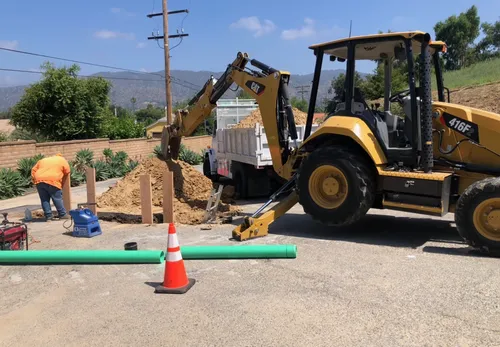
Carter Sanitation Sewer & Septic
4266 Elton St, Baldwin Park, CA 91706
Carter Sanitation Sewer & Septic provides septic and sewer services in Los Angeles, CA, with a focus on the San Gabriel Valley. The company offers septic system installation, pumping, repair, sewer line services, trenchless sewer solutions, street excavation, and drain cleaning for residential, commercial, industrial, and municipal properties. Established in 1969, Carter Sanitation brings over 50 years of experience to its work, emphasizing environmental responsibility and customer satisfaction.
Topanga Septic
22028 Ventura Blvd Ste. 101, Woodland Hills, CA 91364
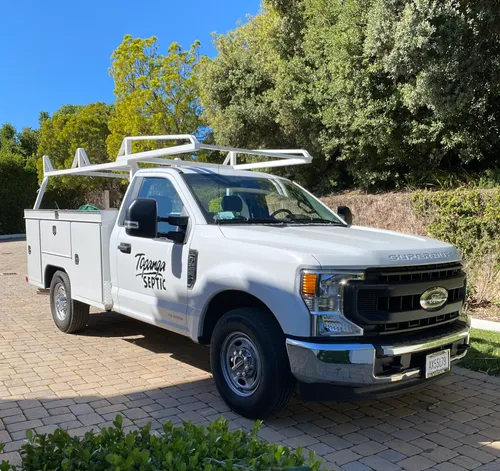
Topanga Septic is a septic tank service provider located in Los Angeles, CA. They offer a range of services including septic tank pumping, inspections, repairs, installations, and drain field repair or replacement. Their capabilities include excavation, grading, and advanced system monitoring to support system upgrades and maintenance in compliance with new regulations. The company is licensed, bonded, and insured, with certifications from COWA and NAWT. They serve Topanga Canyon, Malibu, and the Greater Los Angeles Area, focusing on preserving natural surroundings during their work.
Understanding Septic Systems and Local Regulations
A septic system, or onsite wastewater treatment system, is a self-contained, underground sewage treatment facility for properties without access to public sewer lines. In South Gate, which falls under the jurisdiction of Los Angeles County, these systems are strictly regulated by the Los Angeles County Department of Public Health (LACDPH). The primary goal of these regulations is to prevent groundwater contamination and the spread of disease.
The need for a new septic tank installation or a full system replacement typically arises in two scenarios: for new construction on a parcel where sewer connection is not available, or when an existing, failing system can no longer be repaired. It's crucial to understand that you must obtain a permit from the LACDPH before beginning any installation, repair, or replacement work on a septic system. Working with qualified professionals who understand these local codes is not just recommended-it's a requirement for a legal and functional system.
The Permit Process and Professional Requirements
The journey to a new septic system begins with the permit application. In Los Angeles County, permits are generally issued for properties where a connection to the public sewer is not available, often defined as being beyond 200-300 feet from the main line. You cannot simply apply for a permit yourself; the law requires that the system design and plans be prepared by a qualified professional.
This professional is typically a licensed civil engineer, geologist, or an environmental health specialist registered with the state. They will conduct the necessary evaluations and create detailed plans that comply with the Los Angeles County Public Health guidance for Onsite Wastewater Treatment Systems 1 2. These plans are then submitted to the LACDPH for review and approval. Skipping this step or attempting a DIY installation can result in severe fines, an unusable system, and significant environmental hazards.
Critical Step: The Soil Percolation Test
One of the most important early steps in the design process is the soil percolation test, commonly called a "perc test." This test is mandatory and determines your property's suitability for a conventional leach field.
A certified professional performs the test by digging a series of holes in the proposed drain field area, saturating them with water, and then meticulously measuring the rate at which the water drains (percolates) through the soil over time 3. The results of this test, measured in minutes per inch, dictate the size and type of absorption system your property needs. Poor percolation rates may require a more advanced (and more expensive) alternative system design, or could even render the site unsuitable for a standard septic system altogether.
System Design and Choosing the Right Tank
With perc test results in hand, your design professional will engineer a system tailored to your property's specific conditions. The core components are the septic tank and the leach field (soil absorption field). The tank's job is to separate solids from liquids and begin bacterial breakdown, while the treated effluent is dispersed into the soil in the leach field for final purification.
Tanks come in different materials, each with pros and cons:
- Concrete: Very durable and heavy, resistant to buoyancy if the water table rises. It's a common choice but can crack over time.
- Fiberglass: Lightweight, corrosion-resistant, and pre-formed, making installation quicker. It may be more susceptible to damage during installation or from soil shifting.
- Polyethylene (Plastic): Lightweight and highly resistant to corrosion. Like fiberglass, it requires careful backfilling to prevent damage.
Your professional will recommend the best material and size (based on your home's bedroom count and estimated wastewater flow) as part of the overall system design approved by the county.
Find the perfect septic tank installation & replacement contractors for your needs
Get personalized recommendations and expert advice
The Installation and Inspection Phases
Once permits are secured, the physical installation can begin. This is a major excavation project that involves heavy machinery. The process follows a sequence of key steps, each potentially requiring inspection:
- Site Preparation & Excavation: The area for the tank and leach field is cleared and dug out according to the approved plans.
- Tank Placement: The septic tank is carefully lowered into the excavation and set on a stable base, often a bed of sand or gravel.
- Pipe Network Installation: The inlet pipe from the house and the outlet pipe to the distribution box and leach field are connected. The perforated pipes of the leach field are laid in gravel-filled trenches.
- Structural Inspection: Before the tank is covered, a county inspector will typically visit to verify the tank's integrity, proper placement, and connections 4 5.
- Backfilling: Once approved, the tank and pipes are carefully backfilled with soil.
- Final Inspection: After the system is complete and operational, a final inspection by the health department is required for official approval 6.
Understanding Costs for Installation and Replacement
The cost of septic tank installation or replacement in South Gate varies widely and is difficult to state precisely without a site evaluation. However, data indicates that for a standard system, homeowners can expect costs ranging from several thousand dollars to well over $20,000 7 8. A full system replacement often falls on the higher end of this spectrum.
Several key factors drive the final price:
- Soil Conditions & Site Topography: Difficult soil (like clay) or a sloped lot requires more complex engineering and labor.
- System Type & Size: A standard gravity-fed system is the most economical. Alternative systems (like mound or aerobic treatment units) for challenging sites cost significantly more. Larger tanks for bigger homes also increase price.
- Tank Material: Concrete tanks may have a different cost profile than plastic or fiberglass.
- Permit & Design Fees: These include the county permit fees and the cost of hiring the design professional and soil tester.
- Access & Landscaping: Easy access for excavators keeps costs down. Restoring landscaping after installation adds to the total.
Always get detailed, written estimates from multiple licensed and insured septic contractors who are familiar with LA County codes.
Maintenance and Care for Your New System
A new septic system is a long-term investment that can last decades with proper care. Key maintenance habits include:
- Regular Pumping: Have the tank pumped by a professional every 3-5 years, depending on usage.
- Water Conservation: Spread out water use and fix leaks to avoid overloading the system.
- Mind What You Flush: Only human waste and toilet paper should go down the drain. Avoid chemicals, grease, diapers, and wipes.
- Protect the Drain Field: Never drive or park over it, and plant only grass shallow-rooted plants above it.
Following these guidelines will protect your investment and prevent premature system failure.
Frequently asked questions
Sources
Footnotes
-
Conventional and Non-Conventional Onsite Wastewater Treatment ... - http://ph.lacounty.gov/eh/docs/ep_lu_ProfessionalGuide.pdf ↩
-
ONSITE SYSTEMS MANUAL - California Water Boards - https://www.waterboards.ca.gov/sanfranciscobay/board_info/agendas/2016/January/SantaClaraOWTS/SCC_OWTS_B_Onsite_Systems_Manual.pdf ↩
-
Residential Percolation Test - West Coast Sanitation - https://westcoastsanitationinc.com/residential-percolation-test/ ↩
-
California Septic Tank Requirements | Onsite Wastewater Treatment Systems - https://www.ntotank.com/blog/california-septic-tank-requirements ↩
-
The Californian's Guide To Septic Tanks - https://cacciaplumbing.com/blog/california-septic-tank-guide/ ↩
-
Indiana Septic Tank Requirements | On-Site Sewage Systems - https://www.ntotank.com/blog/indiana-septic-tank-requirements ↩
-
Septic System Regulations in Southern California: What You ... - https://www.lanikseptic.com/socal-septic-regulations/ ↩
-
How Much Does Septic Tank Installation Cost? (2026) - https://todayshomeowner.com/plumbing/cost/septic-tank-installation-cost/ ↩