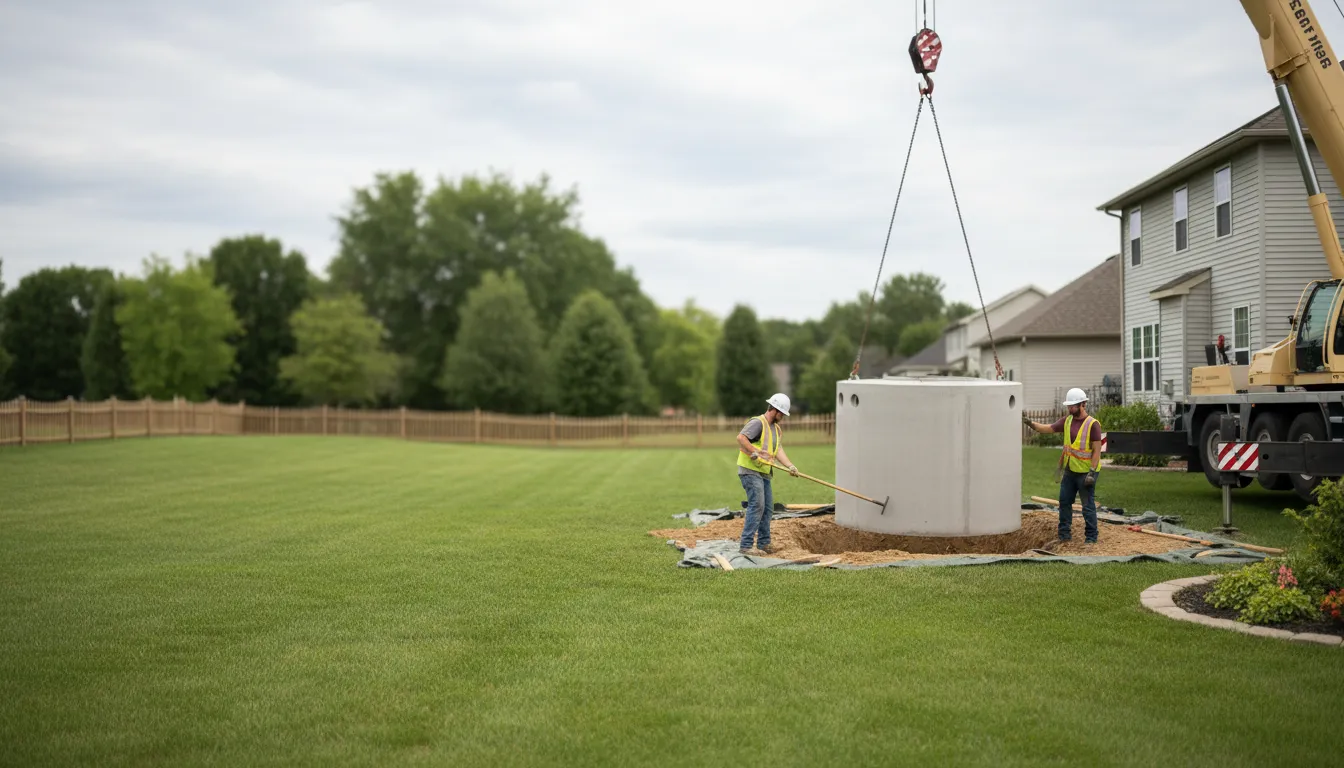
Find the Best Septic Tank Installation & Replacement Contractors for Your Business
No obligation • Fast responses • Nationwide coverage

Why you can trust Septic Spot
Septic Spot is a leading United States resource for understanding and comparing septic services. Our editors review providers using consistent criteria and verify key business details. Listings and scores are independent, and companies cannot pay to influence our content.
Search providers near you
Top Septic Tank Installation & Replacement Contractors in Turlock, California Ranked
Installing or replacing a septic system is a significant home infrastructure project that ensures safe, long-term wastewater treatment for properties not connected to a municipal sewer line. In Turlock, this process is governed by specific local and state regulations designed to protect groundwater and public health. This guide explains the key steps, requirements, and considerations for septic system installation and replacement in the Turlock area, helping you understand what to expect and how to connect with qualified local professionals.
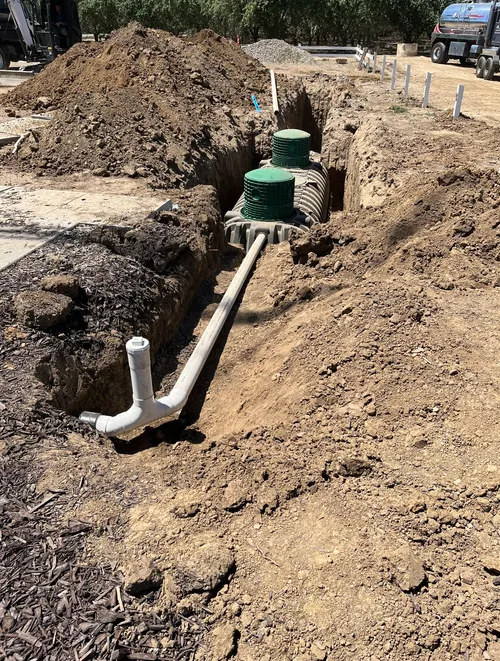
A-1 Septic Services
2125 Wylie Dr #6, Modesto, CA 95355
A-1 Septic Services is a full-service septic company based in San Jose, CA, offering comprehensive septic system solutions. They provide septic tank installation, repair, pumping, inspections, and drain field services, along with grading, excavation, and underground utility trenching. The company manages all aspects from design and permitting to final installation, ensuring code compliance and system longevity. With over 30 years of experience serving Stanislaus, San Joaquin, and Merced counties, A-1 Septic Services has extensive local knowledge and expertise. Their capabilities include septic system design, leach field installation, and utility trenching, supported by in-house crews and equipment to maintain control over project quality and scheduling.
Mountain Valley Pumping
581 Hi Tech Pkwy, Oakdale, CA 95361
Mountain Valley Pumping is a septic tank pumping, inspection, repair, and installation company serving San Jose, CA. They provide a range of services including septic tank pumping, system inspections, repairs, and maintenance, as well as commercial lift station and grease trap pumping. The company uses up-to-date pumping technology to address various septic system issues. Mountain Valley Pumping offers 24-hour emergency service to assist customers whenever needed.
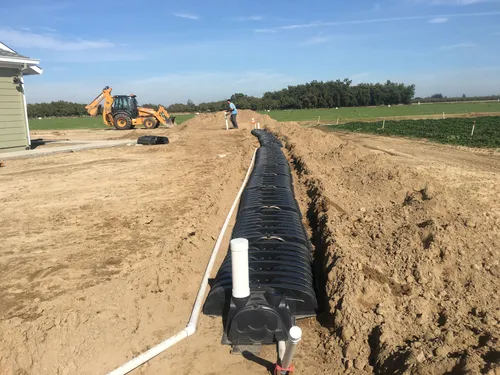
Applegate Septic & Sewer
1404 Fernview Dr, Modesto, CA 95355
Applegate Septic & Sewer is a septic tank pumping, inspection, repair, and installation company serving San Jose, CA. Since 1995, they have provided septic and sewer services for residential and commercial clients in Modesto and nearby cities. The company is fully licensed and bonded, with a large fleet of service trucks and certified septic inspection capabilities. They offer 24/7 service and specialize in septic system construction and maintenance, ensuring precise and reliable work.
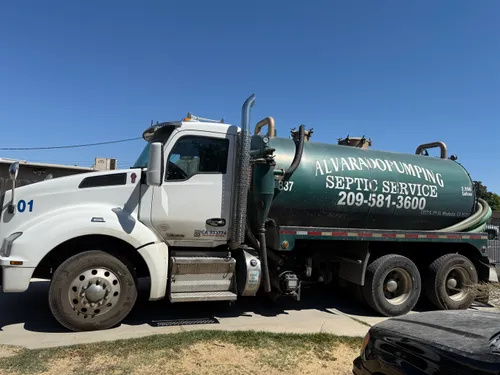
Alvarado Pumping Septic Service
San Jose, CA
Alvarado Pumping Septic Service is a family-owned company serving San Jose, CA, and nearby areas since 2007. They provide septic tank pumping, inspection, installation, and repair services for both residential and commercial customers. Their team handles routine maintenance and emergency plumbing needs, aiming to keep septic systems functioning properly. The company is known for offering thorough and complete septic services at competitive prices.

Mountain Valley Septic
Oakdale, CA 95361
Mountain Valley Septic is a septic tank pumping, inspection, repair, and installation company serving Stockton, CA. They provide a full range of septic services including commercial and lift station pumping, grease trap and pit pumping, as well as line locating and camera inspections to diagnose system issues. The company uses up-to-date pumping technology and offers 24-hour emergency service to address urgent septic problems.
Understanding the Septic System Installation Process
A new septic system installation or a full system replacement is a multi-stage project that requires careful planning and professional execution. The process begins long before any excavation takes place, with a focus on site suitability and regulatory compliance. For homeowners in Turlock, navigating this process successfully means understanding the roles of county authorities, soil evaluators, and licensed installers.
The core components of a conventional septic system are the tank and the drainfield (or leach field). The tank separates solids from liquids, while the drainfield disperses the treated liquid effluent into the soil for final purification. The entire system's design and size are dictated by the property's soil conditions and the household's estimated wastewater flow.
Permitting and Regulatory Authority in Stanislaus County
All new installations and replacements of onsite wastewater systems in Turlock require permits from the Stanislaus County Department of Environmental Resources 1. This department enforces regulations set by the California Regional Water Quality Control Board to ensure systems are designed and built to prevent contamination.
You cannot begin construction, reconstruction, or repair of a septic system without an approved permit. The permit application process ensures your project adheres to all health and safety codes. It's crucial to contact this department early in your planning phase to obtain the latest application forms, fee schedules, and specific requirements for your property.
Step 1: Site Evaluation and Soil Testing
The first technical step is a professional site evaluation. A qualified engineer, geologist, or soil classifier must assess your property to determine its suitability for a septic system. This evaluation looks at slope, topography, and the proximity to wells, waterways, and property lines.
A critical part of this evaluation is the soil percolation test, commonly called a "perc test." This test measures the rate at which water drains through the soil, which directly determines the size and type of drainfield needed.
- Purpose: To verify the soil's absorption capacity.
- Process: Holes are dug in the proposed drainfield area, filled with water, and the drop in water level is timed.
- Certification: Most local agencies require these tests to be certified or witnessed by a qualified professional.
- Cost: A standard residential perc test typically costs between $150 and $600, but with required certification, the total cost often ranges from $400 to $1,200 or more2.
Step 2: System Design and Plan Submission
Once the site and soil data are collected, a detailed system design plan must be created. This plan includes the specifications for the septic tank (size, material), the layout and dimensions of the drainfield, and the piping network. The design must comply with all county and state standards based on your soil's percolation rate and the home's size (number of bedrooms).
This engineered plan is then submitted to the Stanislaus County Department of Environmental Resources for review and approval 3. No excavation can legally begin until you have the approved design and permit in hand.
Step 3: Installation and Critical Inspections
With a permit secured, a licensed septic contractor can begin the physical installation. This involves excavating for the tank and drainfield trenches, placing the tank, laying distribution pipes, and adding gravel and soil.
Throughout installation, mandatory inspections by the county must be scheduled and passed:
- Pre-Cover Inspection: This is perhaps the most crucial inspection. After the tank and pipes are set in the ground but before they are backfilled with soil, an inspector must visit the site. They verify proper tank placement, watertight connections, pipe slope, and that the installation matches the approved design.
- Final Inspection: Once the system is fully installed and covered, a final inspection ensures everything is complete and compliant. Passing this inspection leads to the system's certification for use4.
Find the perfect septic tank installation & replacement contractors for your needs
Get personalized recommendations and expert advice
Cost Breakdown for Septic Installation in Turlock
The total cost for a new septic system installation or full replacement in Turlock can vary widely based on soil conditions, system size, and design complexity. High-end costs in California often exceed national averages. Here is a typical breakdown of expenses:
- Permit Fees: Paid to the county; these can range from several hundred dollars.
- Soil Percolation Test & System Design: $800 to $2,500, depending on the site's complexity and the need for professional certification5 6.
- Excavation and Installation Labor/Materials: This is the largest cost component. National averages for installation range from $3,615 to $12,408, but total project costs in the Turlock area typically fall between $5,000 and $20,000+7 8 9 10. Difficult sites with poor soil or requiring advanced treatment systems can cost significantly more.
When is Septic System Replacement Necessary?
Understanding when to repair versus completely replace your system can save considerable expense. While pumping and minor repairs are part of routine maintenance, a full replacement may be needed if:
- The drainfield has permanently failed (evidenced by persistent surfacing sewage or soggy ground).
- The septic tank is cracked or structurally compromised.
- The system is old and no longer meets current code requirements.
- You are significantly increasing your home's capacity (adding bedrooms).
A professional inspection can diagnose whether a repair will suffice or if replacement is the only viable option.
Choosing a Qualified Installation Professional
Selecting the right contractor is essential for a compliant and long-lasting system. Look for a licensed septic system installer with extensive local experience in Stanislaus County. They should be familiar with the county's permit process, inspection requirements, and common soil challenges in the Turlock area. Always request proof of licensing, insurance, and references from past installation projects. A reputable professional will handle the permit application, coordinate inspections, and ensure the entire project meets all regulatory standards11.
Maintenance Starts at Installation
A properly installed system is the foundation for decades of reliable service, but it must be maintained. Upon completion, your installer should provide you with an "as-built" diagram of your system's exact location and specifications. Keep this for future reference. Commit to a routine of regular tank pumping (every 3-5 years, typically) and avoid putting harmful chemicals or non-biodegradable materials down the drain. Protecting your drainfield from compaction by vehicles or heavy structures is also critical for its longevity.
Frequently asked questions
Sources
Footnotes
-
KERN COUNTY ONSITE SYSTEMS MANUAL - https://www.waterboards.ca.gov/lahontan/water_issues/programs/owts/docs/lamp_tracking/kcehd_os_manual.pdf ↩
-
The Ultimate Guide to Septic System Installation Process - https://septic911.com/septic-system-installation-process/ ↩
-
The Californian's Guide To Septic Tanks - https://cacciaplumbing.com/blog/california-septic-tank-guide/ ↩
-
Septic System Install Timeline | RCI Septic Service - https://www.rciseptic.com/complete-step-by-step-timeline-septic-system-installation-from-permit-to-finish ↩
-
Geotechnical and Percolation Soil Testing in California - https://alluvialsoillab.com/pages/geotechnical ↩
-
Individual Sewage Disposal Systems Site Review and Permit ... - https://www.siskiyoucounty.gov/sites/default/files/fileattachments/environmental_health/page/2441/eh_20200122septiconsitereviewapplication.pdf ↩
-
California Septic Tank Requirements | Onsite Wastewater ... - https://www.ntotank.com/blog/california-septic-tank-requirements ↩
-
The SoCal Guide to Septic Tank Installation - https://www.lanikseptic.com/socal-guide-septic-tank-installation/ ↩
-
How Much Does a Septic Tank Cost? - NerdWallet - https://www.nerdwallet.com/home-ownership/home-improvement/learn/septic-tank-cost ↩
-
Common Septic Tank Repairs In California (& What They Cost) - https://cacciaplumbing.com/blog/common-septic-tank-repairs-in-california/ ↩
-
Complete Septic System Installation: Process, Permits, And Pitfalls - https://www.theseptictankman.com/blog/complete-septic-system-installation-process-permits-and-pitfalls ↩