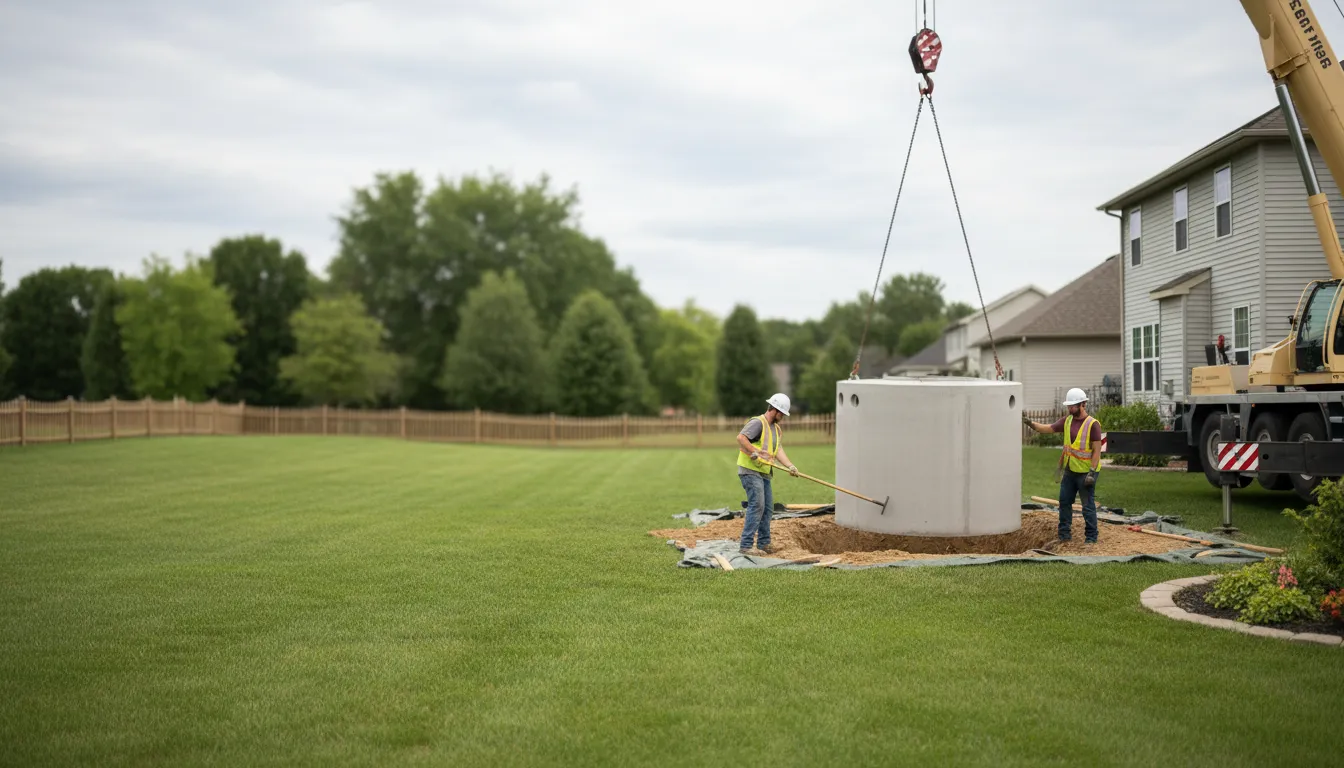
Find the Best Septic Tank Installation & Replacement Contractors for Your Business
No obligation • Fast responses • Nationwide coverage

Why you can trust Septic Spot
Septic Spot is a leading United States resource for understanding and comparing septic services. Our editors review providers using consistent criteria and verify key business details. Listings and scores are independent, and companies cannot pay to influence our content.
Search providers near you
Top Septic Tank Installation & Replacement Contractors in Tustin, California Ranked
Installing or replacing a septic system is a significant home infrastructure project that ensures safe, long-term wastewater treatment for properties not connected to a municipal sewer line. In Tustin, this process is governed by specific county and state regulations to protect public health and the local environment. This guide explains the key steps, requirements, and considerations for septic system installation and replacement, helping you understand what to expect and how to connect with qualified local professionals for your project.
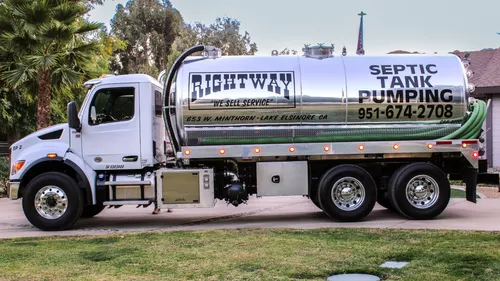
Rightway Septic Tank Pumping
653 W Minthorn St, Lake Elsinore, CA 92530
Rightway Septic Tank Pumping is a family-owned septic service provider based in Lake Elsinore, serving the Inland Empire area including Los Angeles, CA. They offer a range of services such as septic tank pumping, repairs, installations, wastewater treatment maintenance, seepage pit drilling, and septic system locating for both residential and commercial properties. With over 75 years of experience, Rightway is C-42 certified, ensuring compliance with industry standards and regulations. Their capabilities include septic tank pumping and maintenance using advanced equipment and techniques to maintain system efficiency.
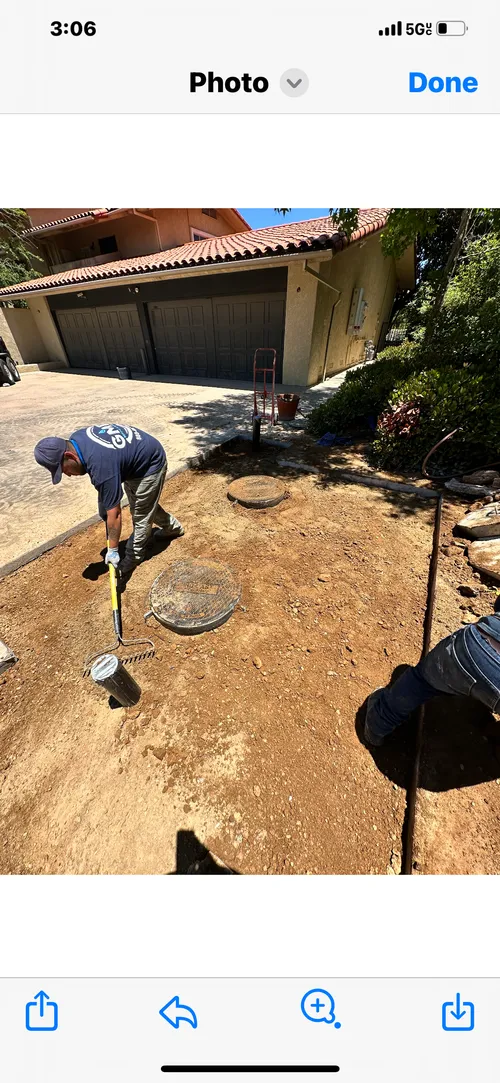
GMP Septic And Sewer
20 Surrey Ln, Rancho Palos Verdes, CA 90275
GMP Septic And Sewer provides a full range of septic services in Los Angeles, CA, including septic tank pumping, cleaning, inspections, repairs, installations, and system upgrades. They handle new construction, remodels, and replacements, ensuring systems are tailored to property needs. The company offers 24/7 emergency services for urgent septic system repairs. Their expertise covers diagnosing leaks, replacing damaged components, and maintaining system performance through regular maintenance and thorough inspections.
Honey Doo Wagon Septic Pumping
Irvine, CA
Honey Doo Wagon Septic Pumping is a full-service septic company serving Irvine, CA. They offer septic tank pumping, inspections, repairs, installations, replacements, and maintenance. With over 18 years of experience, the company provides a wide range of septic services backed by a commitment to professionalism and integrity.
Countywide Septic Pumping LLC
5290 Capella Ct, Jurupa Valley, CA 91752
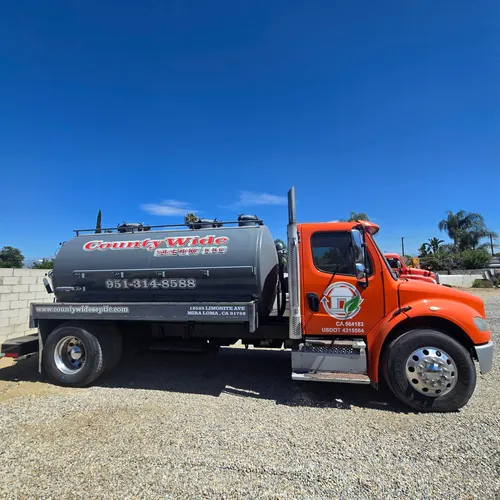
Countywide Septic Pumping LLC provides septic tank installation, pumping, inspection, and repair services in Los Angeles, CA, and surrounding counties including Riverside, Orange, and San Bernardino. They serve both residential and commercial clients, handling everything from soil sampling and permit acquisition to system maintenance and emergency repairs. The company offers 24-hour emergency septic tank pumping and repair services to address urgent needs promptly. Countywide Septic Pumping uses updated equipment to ensure effective septic system performance and safe installation, supporting properties where municipal water and sewage services are unavailable.
West-End Pumping Company
8130 Arcadia St, Corona, CA 92881
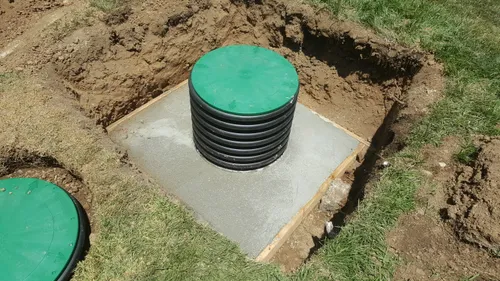
West-End Pumping Company provides septic tank pumping, inspection, repair, and installation services in Los Angeles, CA. They handle septic system excavation and hauling, offering solutions for both residential and commercial properties. The company has been serving customers since 2006, covering areas including Riverside County, Corona, and Eastvale. Their capabilities include emergency septic pumping with response times typically ranging from one to two hours depending on truck availability.
Understanding Septic System Basics
A septic system, or onsite wastewater treatment system (OWTS), is a self-contained unit that treats household sewage. The primary components are a watertight tank, where solids settle and decompose, and a drain field (or leach field), where the clarified liquid is dispersed into the soil for final treatment. Proper installation is critical for the system's longevity, which can span 25 to 40 years with good maintenance. In areas like Tustin, where sewer lines may not be accessible, a correctly installed septic tank and drain field are essential for property functionality and value.
The Tustin and Orange County Regulatory Landscape
All new septic system installations and major replacements in Tustin require permits and oversight from Orange County Environmental Health. California state law, particularly the California Plumbing Code and regulations from the California Water Boards, sets the baseline standards that local counties enforce 1 2.
A key rule in Orange County is that a septic system is generally required if a public sewer line is not within 300 feet of the property line 3. The permitting process ensures the system is designed and built to prevent contamination of groundwater, which is a serious concern. The entire process involves multiple stages of review and inspection to verify compliance with all siting, design, and construction standards.
Special Considerations for Accessory Dwelling Units (ADUs)
Adding an Accessory Dwelling Unit (ADU) to your property can trigger a mandatory review and potential upgrade of your existing septic system 4. The health department will evaluate whether the current system has sufficient capacity to handle the increased wastewater flow from the main house and the new ADU. If it does not, you will likely need to expand or replace the system to meet current standards before the ADU can be occupied.
The Step-by-Step Installation Process
1. Site Evaluation and Soil Testing
The first technical step is a comprehensive site evaluation conducted by a licensed professional. The most critical component is a soil percolation test (perc test). This test measures how quickly water drains through the soil, determining its suitability for a drain field.
- Procedure: A certified professional digs at least two test holes in the proposed leach field area and measures the rate at which water drops in a saturated hole.
- Passing Rate: For a conventional system, soil must allow water to percolate at a rate between 1 and 12 inches per hour 5.
- Other Factors: The evaluator will also assess topography, slope (which should not exceed 35%), and the depth to groundwater. A minimum of 5 feet of separation is required between the bottom of the drain field and the seasonal high groundwater table 6.
2. System Design and Plan Submission
Based on the site evaluation, an engineered design plan is created. This plan specifies:
- Tank Capacity: California sets minimum sizes based on bedroom count. For a 1-2 bedroom home, the minimum is typically 750 gallons, with larger homes requiring larger tanks.
- Drain Field Specifications: The design will detail the size, layout, and depth of the leach field trenches, ensuring a minimum of 3 feet of suitable soil below the dispersal pipes 7.
- Special Systems: If soil conditions are poor (too slow or too fast), an Advanced Treatment Unit (ATU) or other alternative system may be required.
These detailed plans are then submitted to Orange County Environmental Health for review and permit approval.
3. Permitting and Approvals
You cannot begin excavation without an approved permit. The health department reviews the design plans to ensure they meet all code requirements for setbacks from wells, property lines, structures, and waterways. This stage may involve some back-and-forth to adjust the plans before the permit is issued.
4. Construction and Installation
Once permitted, the physical installation begins:
- Excavation: Holes are dug for the septic tank and the drain field trenches.
- Tank Placement: The pre-cast concrete or fiberglass tank is set into place and leveled.
- Pipe and Drain Field Installation: Inlet and outlet pipes are connected, and the distribution pipes for the leach field are laid in gravel-filled trenches.
- Inspections: Critical inspections occur before the system is covered. A county inspector will typically check the tank installation, pipe connections, and gravel bed 8. Only after passing inspection can the system be backfilled.
5. Final Approval and Maintenance Planning
After final inspection and backfilling, the county provides a final approval for the system. The installer should provide you with an "as-built" diagram showing the exact location of all components for future reference. Establishing a regular pumping and maintenance schedule-usually every 3-5 years-is essential for protecting your investment 9.
Find the perfect septic tank installation & replacement contractors for your needs
Get personalized recommendations and expert advice
Cost Factors for Septic System Projects in Tustin
The cost of a septic system installation or full replacement in California varies widely, but common ranges are between $3,000 and over $10,00010 11. Several key factors influence the final price:
- System Size and Capacity: A larger tank and drain field for a 4-bedroom home will cost more than a system for a 2-bedroom cottage.
- Soil and Site Conditions: Ideal, well-draining soil keeps costs down. Difficult sites with poor drainage, high groundwater, or rocky soil may require more extensive excavation, additional engineering, or a costly alternative treatment system (ATU).
- System Type: A conventional gravity-fed system is the most economical. Pressure-dosed systems, sand filters, or ATUs add significant upfront cost.
- Permitting and Design Fees: Fees for soil testing, county permit applications, and professional design work are part of the total project cost.
- Labor and Access: Sites that are difficult for heavy machinery to access can increase labor time and costs.
Choosing the Right Professional for the Job
Given the complexity and regulatory nature of septic work, selecting a qualified installer is paramount. Look for a contractor who is:
- Licensed and Insured: They must hold appropriate California contractor licenses for septic system installation.
- Local Experience: Familiarity with Orange County Environmental Health inspectors, local soils, and common challenges in the Tustin area is invaluable.
- Transparent with Planning: They should willingly guide you through the permit process, explain design choices, and provide a detailed, written estimate.
- Referenced: Ask for and contact references from recent, similar projects.
A reputable professional will handle the entire process from site evaluation and permit paperwork to installation and final inspection, ensuring your new wastewater system is built to last.
Long-Term Care for Your New System
A properly installed system is just the beginning. Protecting your investment requires mindful use and routine maintenance. Avoid flushing chemicals, grease, or non-biodegradable items. Conserve water to prevent overloading the drain field. Most importantly, have the tank pumped by a professional every 3-5 years, or as recommended based on usage and tank size. Keeping detailed records of inspections, pumping, and repairs is also wise for both maintenance and future property transactions.
Frequently asked questions
Sources
Footnotes
-
Santa Clara County Onsite Systems Manual - California Water Boards - https://www.waterboards.ca.gov/sanfranciscobay/board_info/agendas/2016/January/SantaClaraOWTS/SCC_OWTS_B_Onsite_Systems_Manual.pdf ↩
-
California Septic Tank Requirements | Onsite Wastewater ... - https://www.ntotank.com/blog/california-septic-tank-requirements ↩
-
Orange County: Septic Packet - https://www.in.gov/localhealth/orangecounty/sanitation/septic-packet/ ↩
-
California Septic System Requirements for ADU Construction - https://www.facebook.com/groups/howtoadu/posts/2769400236548732/ ↩
-
Percolation Test Requirements | Kern County, CA - https://www.kernpublichealth.com/permitting-compliance/waste/septic-systems/percolation-test-requirements ↩
-
The Californian's Guide To Septic Tanks - https://cacciaplumbing.com/blog/california-septic-tank-guide/ ↩
-
California Septic System Requirements for ADU Construction - https://www.facebook.com/groups/howtoadu/posts/2769400236548732/ ↩
-
Chapter 6.4 SEWAGE STANDARDS - General Code - https://www.codepublishing.com/CA/SolanoCounty/html/SolanoCounty0604.html ↩
-
Septic Tank Installation Cost: 2026 Guide for Homewners - Modernize - https://modernize.com/plumbing/systems/drainage/septic-tank-installation ↩
-
The SoCal Guide to Septic Tank Installation - https://www.lanikseptic.com/socal-guide-septic-tank-installation/ ↩
-
Septic Tank Replacement and Drain Field Cost in California - https://www.lanikseptic.com/how-much-does-it-cost-to-replace-a-septic-tank-and-drain-field-in-california/ ↩